Introduction
A Web3 vault luxury phone is a high-end smartphone built for one specific reality: some people carry meaningful value and sensitive access in their pocket every day, and a standard phone was not designed for that. These devices pair luxury craft (materials, finish, tactile details, aftercare) with hardware-backed security designed for self-custody, on-chain identity, and high-stakes approvals.
It’s for the founder who signs transactions between flights, the collector whose “ticket” to a private event is an NFT, and the principal who wants a device that can separate daily noise from the few actions that actually matter.
If you’re comparing options today, treat this as a luxury web3 phone buying guide you can actually use in a shortlist conversation—not a specs-first review.
In this guide, you’ll learn:
what defines a Web3 vault luxury phone (and what does not)
the core security and Web3 features that change the risk profile
real use cases in DeFi, NFTs, and identity workflows
a decision-grade checklist for buying and owning one without regret
It also helps to be clear about what this is not.
Not just a hardware wallet. A hardware wallet is a dedicated signer. It’s often excellent, but it’s not a daily communication device.
Not just a luxury phone. Traditional luxury phones focus on materials and service. A Web3 vault luxury phone treats key custody, signing boundaries, and separation as first-class requirements.
What it is and key features
Luxury build and services
Luxury matters here for reasons that are easy to underestimate. If you carry a device that authorizes access, money movement, and identity, you don’t want it to feel disposable. You want durability, confidence in aftercare, and a service layer that understands what “urgent” means when you’re crossing time zones.
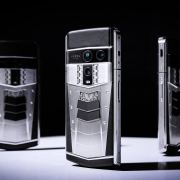
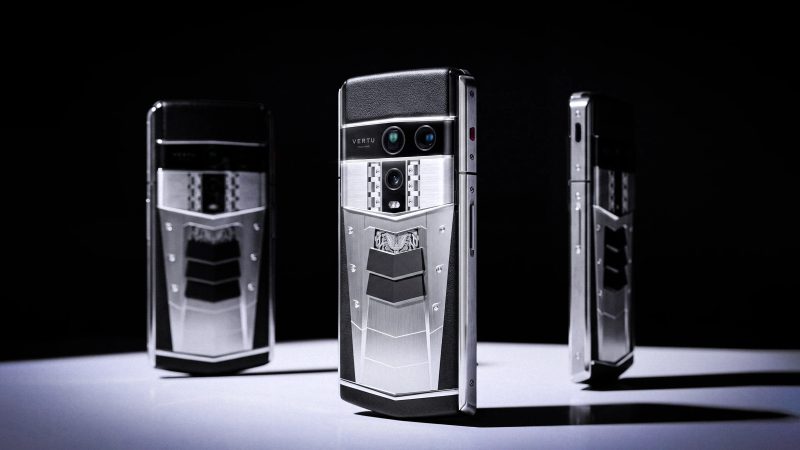
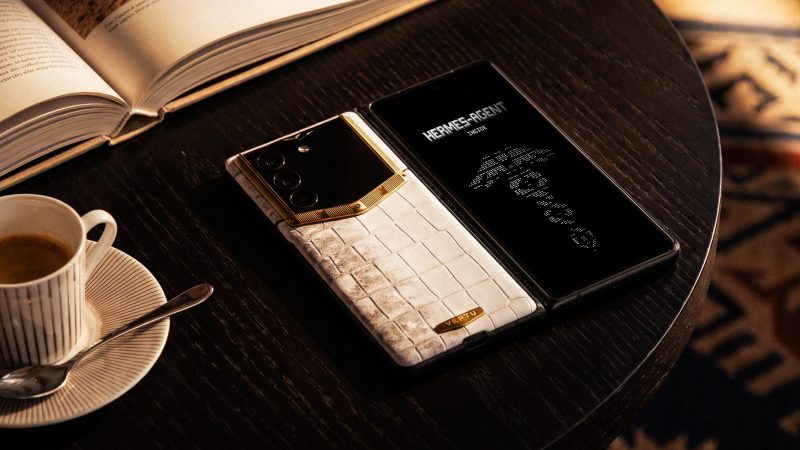
This is where a brand like VERTU’s Web3-ready encrypted devices fits naturally into the category conversation.
VERTU’s approach blends three ideas that make sense together when you look past spec sheets:
Materials and craftsmanship (sapphire crystal, premium leathers, precision finishing) as functional durability and long-term ownership, not decoration.
A service layer (24/7 concierge-style support) that can matter when your device is also a trust object.
Web3 security as a built-in workflow rather than an app you install later.
Collector’s note: Luxury isn’t the goal. It’s the discipline. The kind that shows up in tolerances, aftercare, and how the device holds up when it’s carried daily, traveled hard, and used under time pressure.
Vault and self-custody
A “vault” in this context means: private keys are generated and stored inside a hardware boundary that normal apps, the general operating system, and typical malware cannot casually reach.
To keep the terms clean:
A secure element is tamper-resistant hardware designed to store cryptographic keys and perform limited security-critical operations like signing, without exposing secrets outside the hardware boundary. SpruceID’s explainer on what a secure element is is a straightforward definition worth reading.
A TEE (Trusted Execution Environment) is an isolated environment that can run sensitive logic and enforce controls while the main OS continues to operate normally. In many modern designs, the secure element protects long-term secrets while the TEE provides isolated execution for sensitive operations.
Put simply: when people say “secure element phone wallet,” they mean the wallet’s keys are held in that dedicated hardware boundary, not in normal app storage.
Self-custody is the other half of the vault story. It means you, not an exchange or third party, control the keys that authorize movement and access—in other words, a web3 phone self custody model.
That can be empowering. It can also be unforgiving.
Key TakeawayA vault phone reduces the “keys stolen by malware” risk, but it does not remove the two classic failure modes: signing something you didn’t understand, and losing access through poor recovery hygiene.
To anchor the vocabulary (hot vs cold vs hardware), this YouTube explainer is a useful five-minute reset:
Native Web3 integration
A vault doesn’t matter if the rest of the device makes Web3 unusable. “Native” integration means you can do the real work—connecting to dApps, reviewing approvals, signing, handling identity proofs—without constantly bridging between fragile apps and external signers.
In a credible Web3 vault phone, you should expect:
Separation between daily use and signing/custody (often via a dedicated secure mode or a separate system).
A sane approval flow that forces you to slow down at the moment that matters.
Hardware-backed signing where the key material does not end up in the general OS.
VERTU describes this separation mindset directly in its guide on digital ownership explained: key management, wallet/dApp interaction, and segregation of risk are the three pillars that matter in practice.
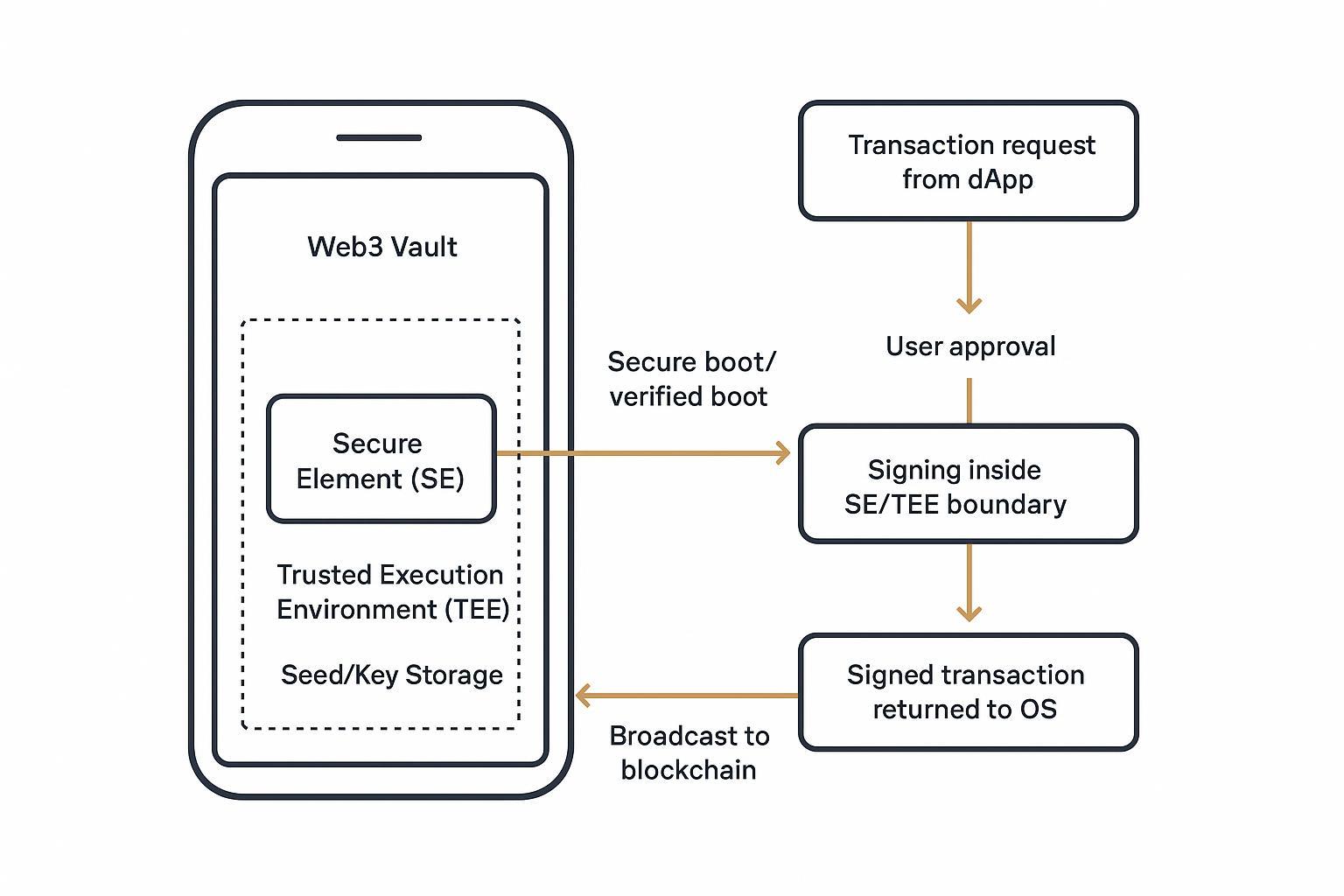
How to verify: Ask the vendor to describe the signing boundary in one sentence. A good answer sounds like: “The keys are generated and stay inside the secure element; the OS only passes an unsigned transaction in and receives a signed transaction out.” If the answer becomes vague (“military-grade”, “unhackable”), treat it as a red flag.
Use cases that matter
Active DeFi operations
DeFi isn’t just “trading.” For sophisticated users, it’s operational: allocating liquidity, managing collateral, interacting with protocols, and—most dangerously—signing approvals that can expose far more than a single transfer.
A Web3 vault luxury phone earns its keep here in three ways:
You can keep daily apps separate from signing. Your risk profile changes when your browser and random downloads do not sit next to the keys that authorize movement.
Approvals become a controlled ritual. The point is not speed. It’s reducing the odds you’ll sign the wrong thing when you’re distracted.
Travel becomes survivable. In real life, “DeFi operations” often happen in airports, cars, hotel lobbies. The device has to perform under imperfect conditions.
Warning: A hardware-backed vault can’t save you from signing a malicious approval. Your last line of defense is your own review process.
NFTs and gated access
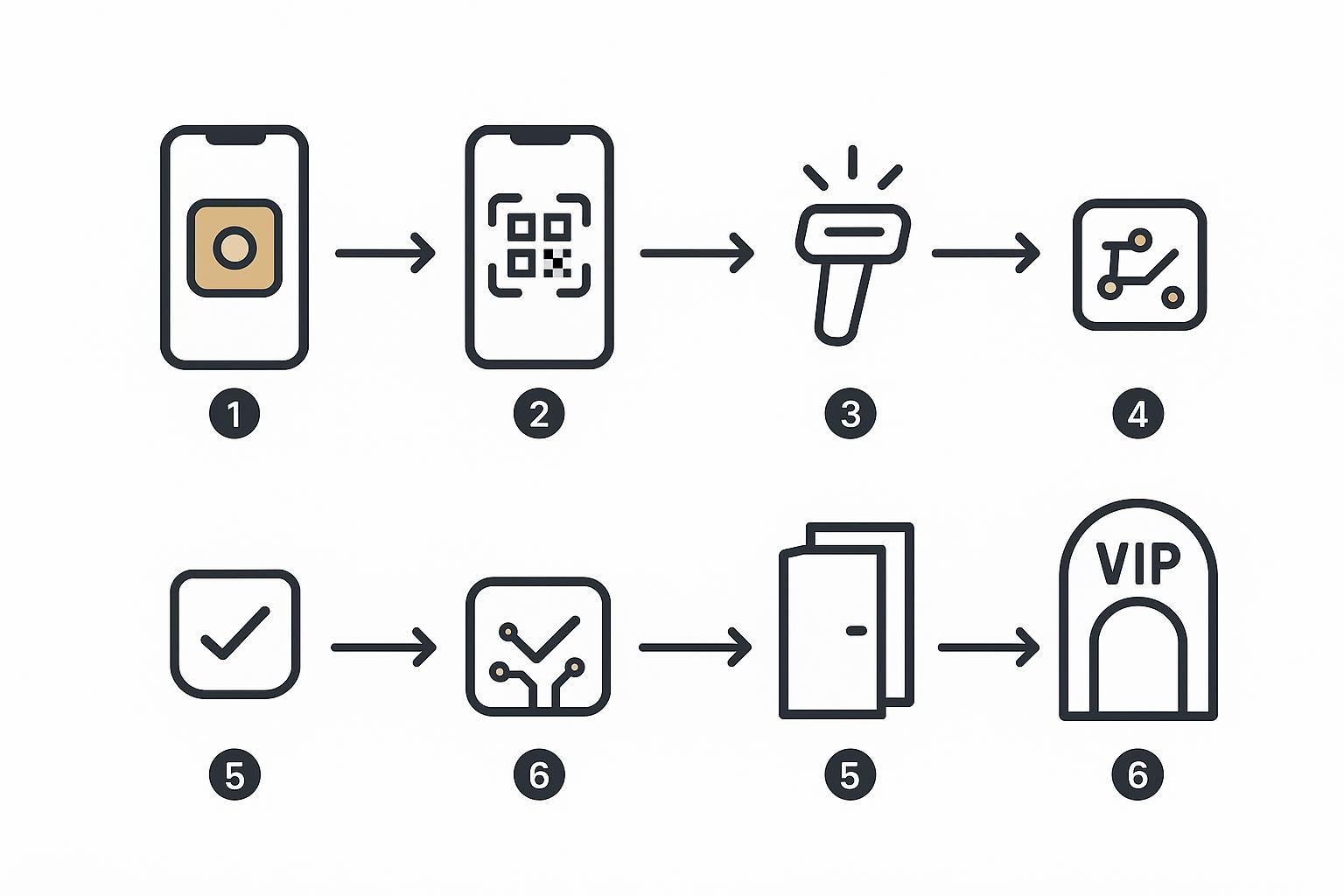
NFTs matter to luxury buyers less as “art” and more as access control. A token can be a membership credential, a private room key, a guest list entry, or proof you’re eligible for something without disclosing more personal data than necessary.
A vault luxury phone improves this experience when:
your on-device wallet can present a credential quickly
verification can happen without handing over your unlocked phone
you can keep high-value assets isolated while still using low-risk “access tokens” day to day
In other words: the phone becomes both a secure wallet and a polished access object.
Identity and MPC roles
Identity is where Web3 gets practical for high-trust environments.
Identity (DID / credentials): Instead of showing everything (passport scans, personal details), you can prove a specific claim: “I control this wallet” or “I am eligible for this access.”
MPC roles: Multi-party computation (MPC) splits signing authority so no single compromised device is enough. This matters when a family office, a principal, and an operator need shared control.
Even if you never use MPC day-to-day, the concept points to a more mature model: your phone is a signer, but not the only signer.
VERTU’s decision-stage guidance often emphasizes evaluation criteria over buzzwords; its secure Web3 phone buying guide frames secure element + TEE, separation, and encrypted communications as the core of a credible device.
Buying guide and checklist
Security and audits
Start with a blunt question: what’s your threat model?
If you’re a typical user, you’re mostly defending against phishing, malware, and sloppy operational habits. If you’re a high-profile individual, you may also be defending against targeted compromise and physical loss during travel.
Here’s what to check.
Must-haves
Hardware-backed key storage (secure element class) and a clear story for how keys are generated and used.
Isolated execution for sensitive operations (TEE or equivalent) and a credible separation model.
Secure boot / verified boot posture and tamper signals.
Audit reality (what to ask for)
“What parts of the vault stack are independently reviewed?”
“What is the update policy and cadence for security issues?”
“Can you describe the boundary in terms of what the general OS cannot access?”
How to verify: Ask for a diagram of the signing flow and boot integrity checks. If the vendor cannot produce a simple architecture explanation, you are buying marketing, not security.
Ecosystem and recovery
This is where most real-world failures live.
Ecosystem fit
Does the device support the wallets and workflows you actually use?
Does it make approvals clearer or more confusing?
Can you run your essential messaging and travel apps without compromise?
Recovery discipline A vault phone should have a recovery plan you can rehearse.
If the phone is lost, what happens first?
Can you recover without vendor dependency?
How do you handle recovery while traveling?
Collector’s note: The best recovery plan is the one you can execute when you’re tired, in a different country, and without your usual equipment.
Luxury, support, TCO
Luxury ownership isn’t only the purchase price. It’s the total cost of ownership: service, repair, replacement speed, and the confidence that the device will still be supported when you need it.
Evaluate:
- After-sales supportresponse time expectations, global repair routes, warranty clarity.
- Longevitysoftware updates and how long the security posture stays current.
- Service layer qualityif concierge is included, what can it realistically do, and what is outside scope?
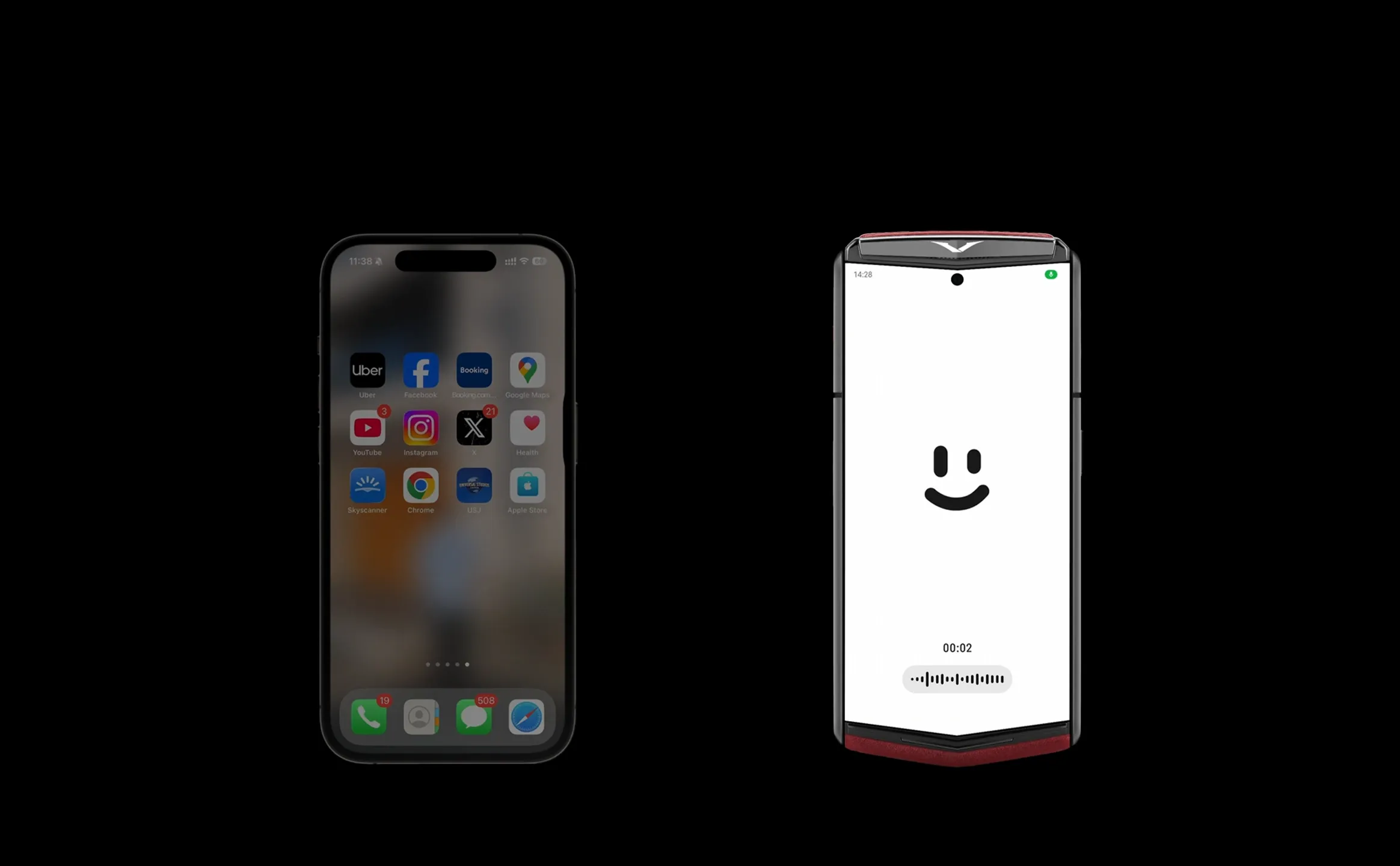
If you want a VERTU-specific reference point for how the brand frames this separation model, the most direct explanation is in VERTU’s dual security layer (METASPACE), which describes a daily Android layer and an encrypted environment for sensitive Web3 and communication tasks.
Conclusion
A Web3 vault luxury phone is best understood as a daily device built around a hard boundary: keys and high-stakes approvals are treated like valuables, not like app data.
The features that matter are not the flashy ones. They’re the ones that reduce irreversible mistakes:
hardware-backed key custody (secure element) plus isolated execution (TEE)
separation between daily life and signing
a recovery model you can practice
a support model that matches your travel and risk profile
Your next step is simple: take the checklist above and test any candidate device against it. Ask the vendor to explain the signing boundary in plain language. Rehearse recovery on paper. And assume phishing is still the number-one risk.
If you’d like to see how a luxury brand approaches this category in concrete product terms, you can review VERTU’s collection and guidance starting from its Web3 phone resources.
Disclosure: This article references VERTU pages. Editorial judgment remains the priority.