Introduction
In 2026, the phrase “price the most expensive phone in the world” has become shorthand for something more specific: a blend of record-setting one-off objects and a smaller set of luxury phones you can actually purchase, authenticate, and service.
If you arrived here searching for the most expensive phone in the world 2026, this guide is written for decision-stage buyers: you want what’s real, what’s available, and what survives verification.
If you’re decision-ready, your intent usually splits into three questions:
What is the highest record price claim, and what does it really mean?
What options are available on the active market right now?
How do you verify provenance so you’re buying an object—not a story?
Bespoke pricing also remains volatile. A quote can swing based on materials, production slots, gem sourcing, engraving depth, and the service commitments that follow ownership. The only stable approach is discipline: treat pricing as meaningful only when it comes with authenticated documentation.
Key Takeaway: In the ultra-luxury phone tier, “price” can mean maker list price, insured value, private-sale number, or public auction result—and those are not interchangeable.
Record price leaders
Falcon Supernova $48.5M
The headline figure most frequently attached to “the most expensive phone in the world” remains Falcon Supernova $48.5M—a jewel-forward custom iPhone build that is widely discussed as a record-price reference point.
What matters for a buyer is not just the number; it’s the verification status. The most credible public framing treats this as a maker-stated list/preorder price rather than a documented public-auction result. For context on how the figure entered mainstream coverage, see CNET’s 2014 report, “Preorder an iPhone 6 with a pink diamond for $48.5 million”.
Historic icons and prices
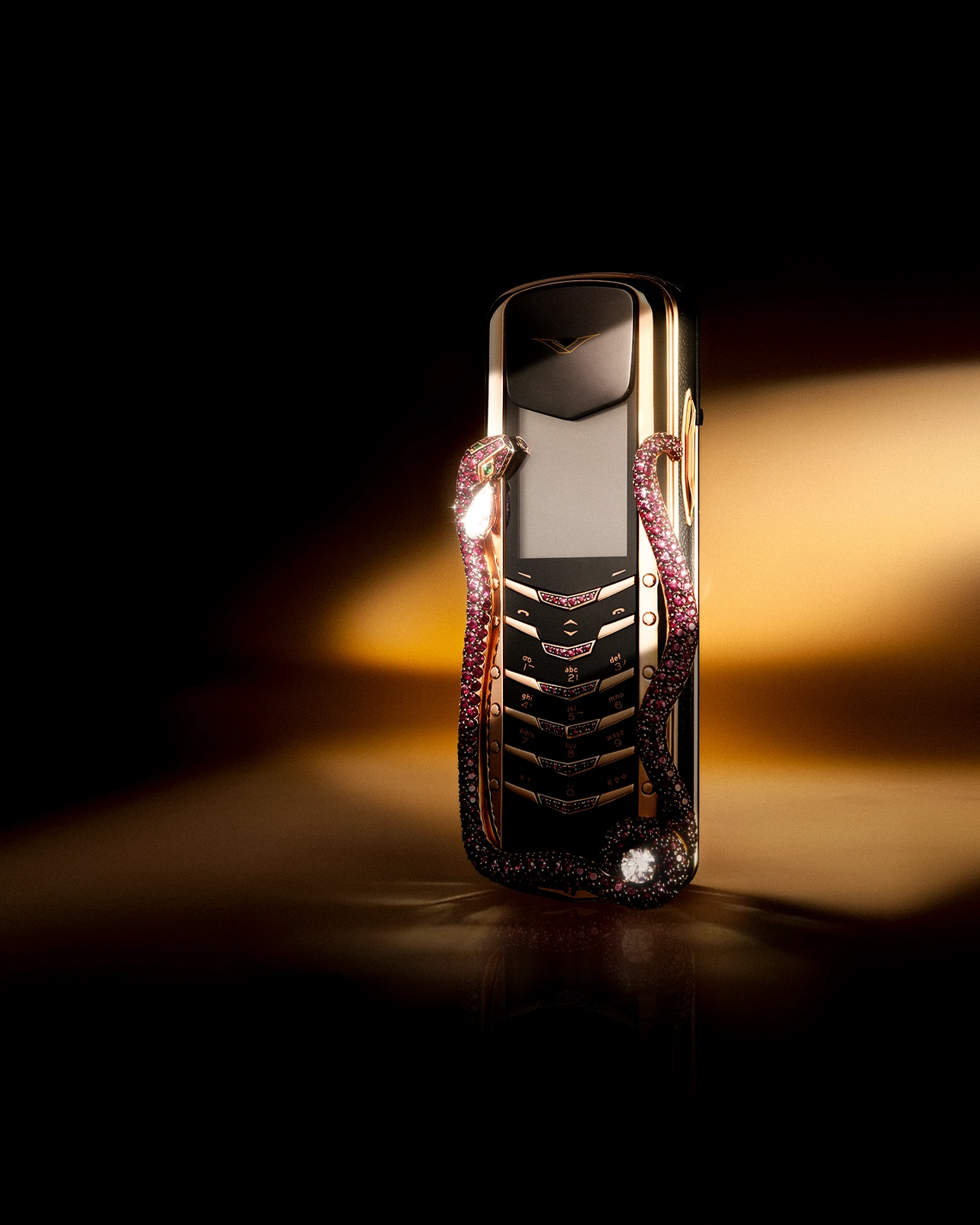
Beyond the Falcon headline, the category is full of historic icons—devices that became famous because they combined recognizable base hardware with extreme exterior work (precious metals, gem settings, or museum-like finishing).
For 2026 decision-making, the useful distinction is whether an “icon” is:
a true one-off commissioned object, or
a limited edition with consistent identifiers and a repeatable verification path.
When you see “historic icon” claims, prioritize what survives inspection: provenance, documentation, and serviceability.
Listing vs. verified sales
Most confusion in record-price lists comes from mixing listing and verification.
Listing price is what a maker announces or quotes for a build. It anchors status, but doesn’t prove what anyone paid.
Verified sale is the clean standard: a documented transaction with traceable identifiers.
If you want a disciplined framework for interpreting record claims in 2026, VERTU’s guide, “Most Expensive Phone in the World (2026): Price & Buyer Guide”, lays out the meanings buyers should separate before treating a number as real.
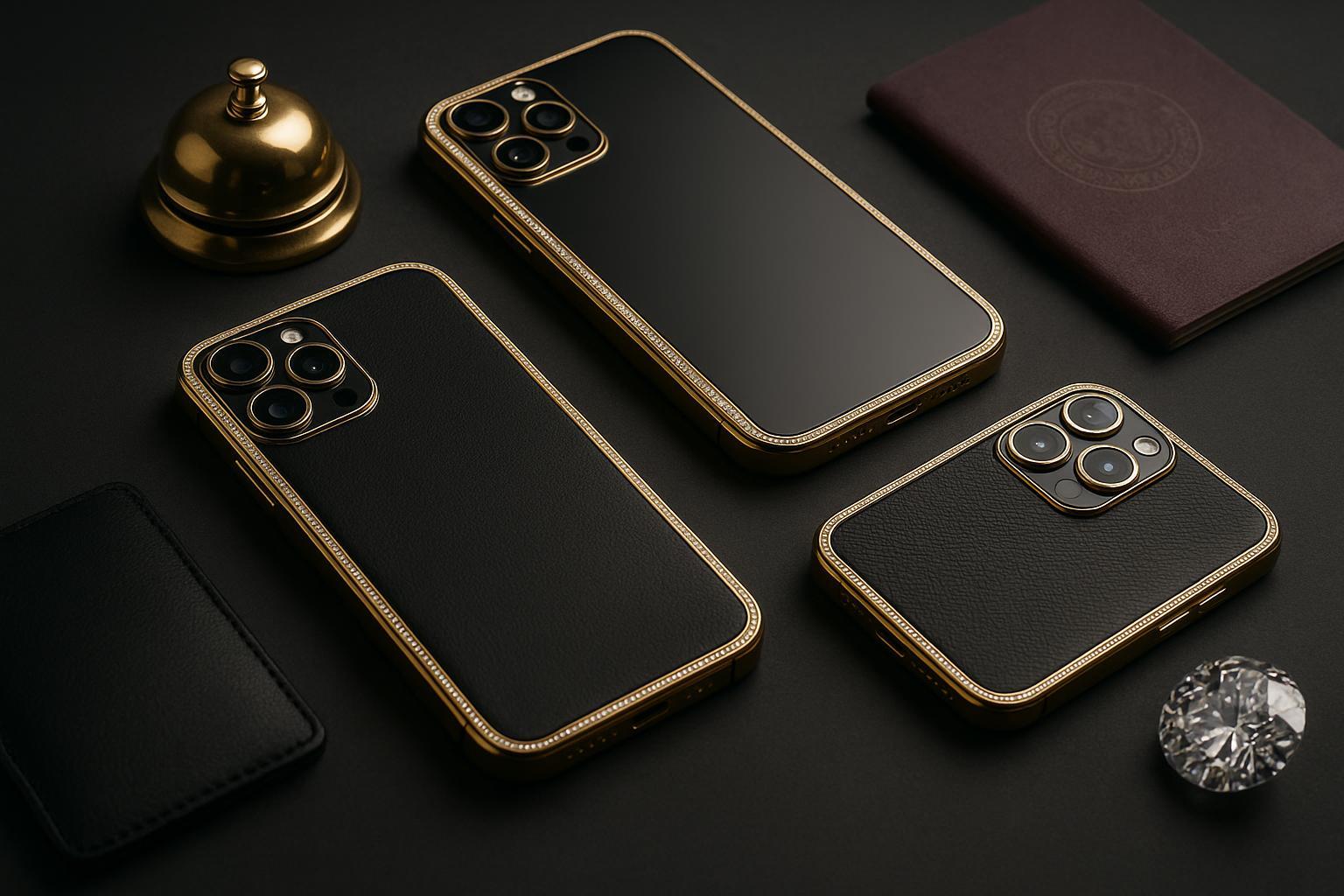
How to verify: Ask for (1) serial/edition identifiers on-device, (2) a documentation packet that matches those identifiers, (3) independent gem lab documents where stones drive value, and (4) a clear servicing path. If any of those are vague, treat the “record” claim as marketing.
2026 luxury market now
Active makers and ranges
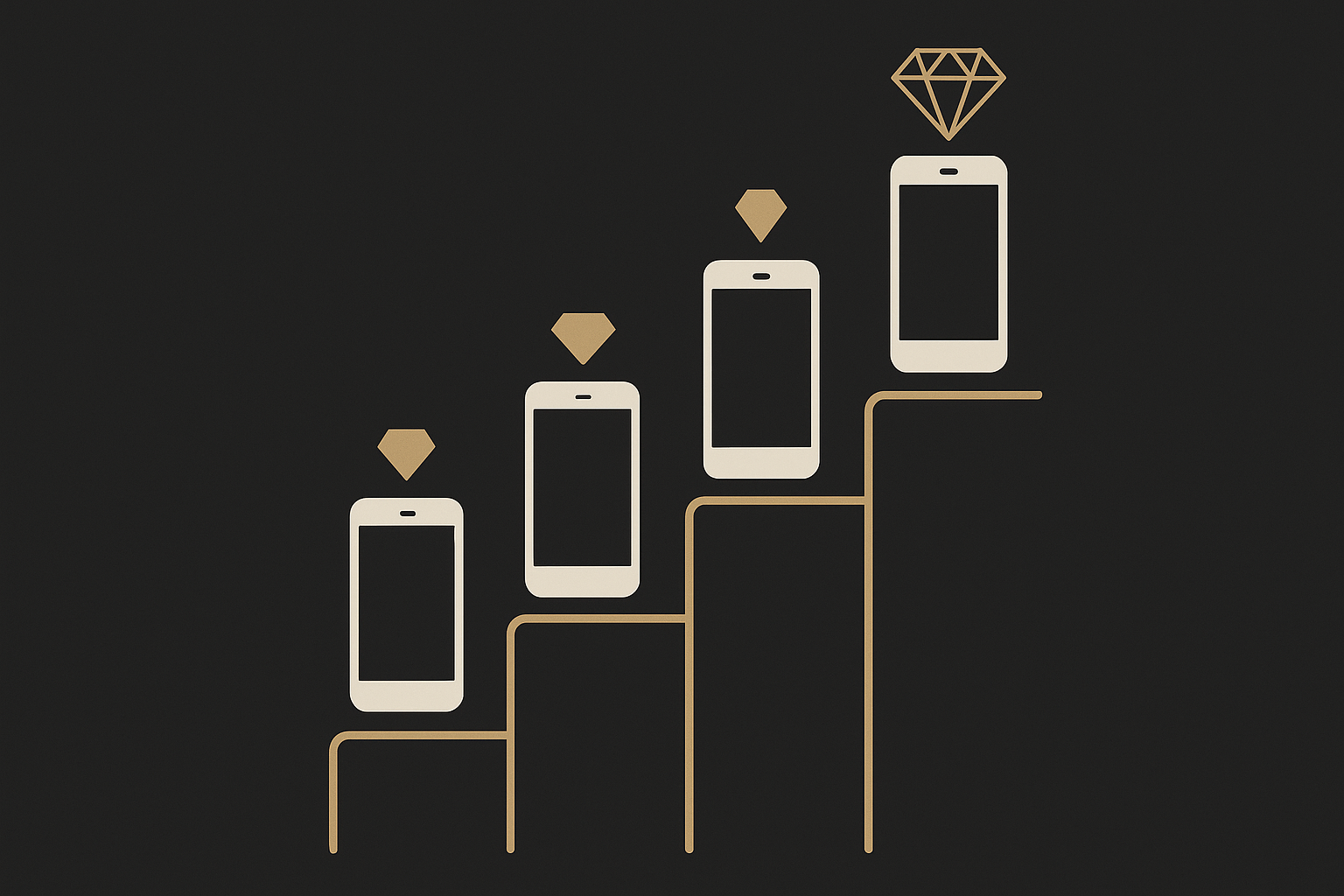
In 2026, the active luxury market tends to fall into three maker tiers:
Heritage luxury makers whose value is tied to craft, materials, and an ownership ecosystem.
Customizers who start with mainstream devices and transform the exterior into a collectible object.
Boutique ateliers that produce small-run editions with strong scarcity narratives.
The “range” you should expect depends less on the chipset and more on the commissioning depth: the moment you move from a catalog finish to made-to-order materials, pricing starts behaving like jewelry and bespoke leather goods—driven by sourcing, labor, and allocation.
Services that elevate value
Luxury phone pricing in 2026 isn’t only about what’s on the backplate. For decision-ready buyers, the ownership layer often determines whether the premium feels rational.
The services that reliably elevate value fall into three buckets:
- Time and accessreal concierge execution, not a generic support channel.
- Aftercarerepair and parts realism, plus a clear warranty boundary.
- Privacy and provenancesecure communications and a credible authenticity story.
VERTU is a useful example of this “ownership layer” approach because it frames luxury value around heritage craftsmanship plus a 24/7 concierge model (rather than specs alone). Their explanation of what concierge access covers is laid out in VERTU’s concierge value guide, and the broader expectation-setting is covered in their concierge explainer.
For buyers who care about modern verification signals, VERTU also describes how provenance can be reinforced with serial documentation, NFC-based verification, and blockchain-backed authenticity trails in “Inside the VERTU World Cup 2026 Edition design & materials”.
Buying and verification
Decision-stage buying is less about finding a list and more about building a clean process:
- Choose your category firstone-off record object vs limited edition vs active maker line.
Demand a documentation packet before you move money: identifiers, certificates, and any service terms.
Use escrow and inspection windows when the price behaves like a collectible.
- Confirm serviceabilitywho can repair it, where, and under what conditions.
This is also where many buyers make an expensive mistake: they authenticate the story but ignore the servicing path. In luxury objects, the ability to maintain the item is part of the asset.
2026 price index & factors
Price brackets snapshot
A decision-useful snapshot of the market looks like this:
- Record-tier one-offsheadline objects referenced in lists, rarely repeatable as a purchase.
- Ultra-collectible limited editionsscarcity-driven builds where provenance and documentation matter as much as materials.
- Active luxury makersdevices you can actually buy with defined service terms and ongoing aftercare.
- High-end mainstream flagshipsexpensive in a consumer sense, but priced by mass-market logic.
This is where luxury phone buying and verification becomes the difference between confidence and regret: the bracket you choose should match what you’re buying for—daily use, privacy, collecting, gifting, or long-term asset behavior.
Materials and scarcity
Materials still move the needle—especially when they shift from “decorative” to “structural.” In practice, that means:
precious metals and gemstones with documentation,
sapphire and titanium for durability and wear,
and finishing quality you can inspect (edges, seams, alignment, transitions).
Scarcity is the multiplier. Not just “limited,” but controlled allocation with a defensible provenance trail.
Ownership and customization
Customization is where many luxury phones earn—or lose—their premium.
A clean way to evaluate it:
Is the customization structural or cosmetic?
Is it documented? (serials, certificates, transfer support)
Is it maintainable? (aftercare, parts, warranty boundaries)
If you’re commissioning a bespoke luxury smartphone, treat the buying process like a piece of jewelry: confirm lead times, proof of materials, and how the documentation transfers with the device.
Conclusion
In 2026, the hierarchy is straightforward once you separate categories:
Immutable record claims sit at the top as cultural reference points (with Falcon Supernova $48.5M the most repeated headline).
Live market tiers are where real buying happens: limited editions and active luxury makers with verifiable documentation and service terms.
Your next steps should be practical:
Decide whether you’re chasing a record story or a repeatable purchase.
Ask for identifiers, documentation, and a servicing path before you negotiate.
Use inspection windows and escrow for anything collectible.
If commissioning bespoke work, confirm allocation timing early—materials sourcing and production slots are where timelines slip.
Disclosure: This article references VERTU pages. Editorial judgment remains the priority.