A premium smartphone is a triumph of engineering at scale. It’s designed to be the best daily driver for millions of people.
A luxury smartphone is a different proposition. At its best, it’s closer to a luxury watch or a bespoke travel service: you’re not only buying hardware—you’re buying an ownership standard.
This guide gives you a clean framework to tell the difference (without falling into a spec-sheet arms race).
Key takeaways
Premium usually means best-in-class capability and polish, widely available.
Luxury means craftsmanship, rare materials, scarcity/provenance, and often a service layer—plus a more deliberate approach to privacy.
If your life is global, time-poor, and privacy-sensitive, the “ownership experience” can matter as much as camera scores.
Luxury smartphone vs premium smartphone (quick comparison)
Dimension | Premium smartphone | Luxury smartphone |
|---|---|---|
Core value | Capability + ecosystem polish | Ownership experience + identity + service |
Production | Scaled manufacturing | Controlled capacity, limited runs, bespoke options |
Materials | High-grade industrial materials | Rare materials chosen for tactility and meaning |
Support | Standard warranty + retail support | White-glove aftercare; sometimes concierge |
Privacy posture | Strong consumer security features | Privacy treated as a lifestyle requirement (habits, separation, support) |
Status | Mainstream prestige | Quiet recognition, personal taste, provenance |
1) What you’re really buying: product vs ownership experience
Most people use “premium” to mean the best phone you can buy in a normal store.
In the US, that lines up with what buyers prioritize. In YouGov’s survey on premium-phone buyers, battery life and camera quality lead the list, with brand and operating system also weighing heavily in decision-making (YouGov: “Features premium smartphone buyers prioritize…” (2023)).
That is rational—and for many people, it’s enough.
Luxury shifts the center of gravity. In luxury terms, premium is usually about measurable excellence; luxury adds scarcity, craftsmanship, heritage, and experience (theFeinheit: “Luxury vs Premium”). In phones, that “experience” tends to show up as tactile build, provenance, aftercare, and privacy-by-design choices.
Collector’s note: In a luxury purchase, the question is rarely “Is it the fastest?” It’s “Will it age well—and will the ownership feel effortless?”
2) Craftsmanship & materials: the part you feel every day
Premium phones can be beautifully built—but they’re engineered for consistency at scale.
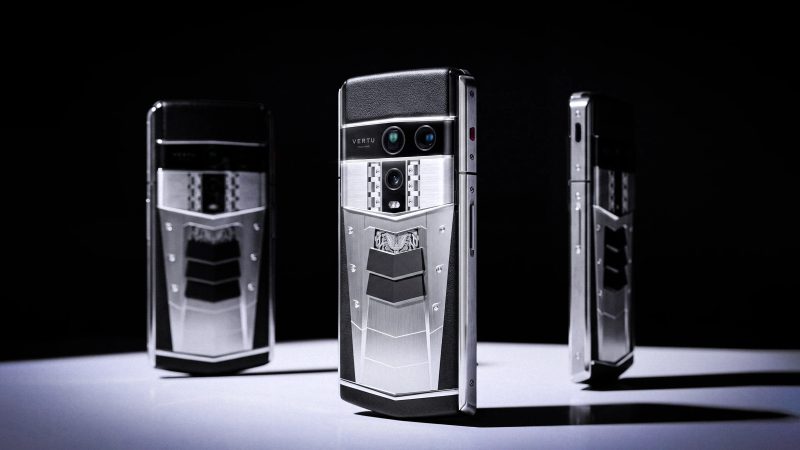
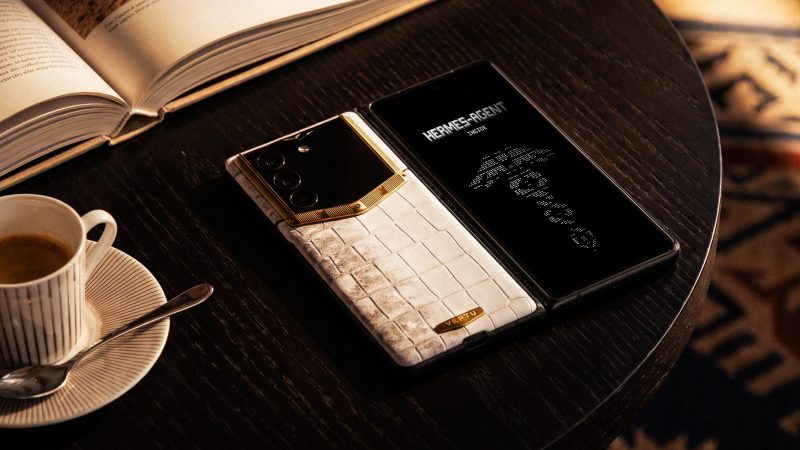
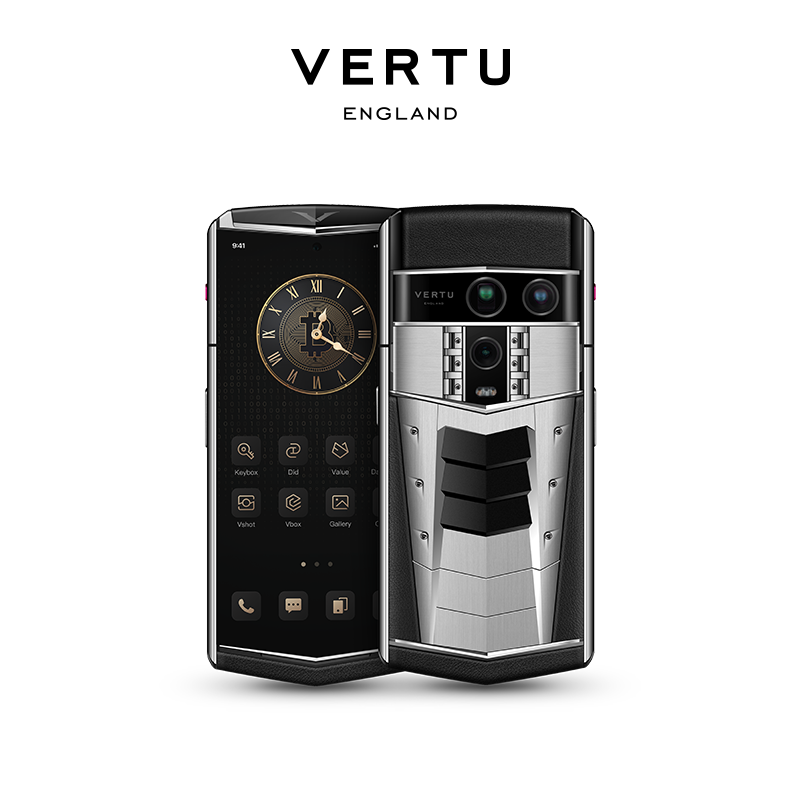
Luxury phones justify themselves differently. Materials aren’t only chosen for durability or manufacturing efficiency; they’re chosen because they change the object—how it sits in the hand, how it wears over time, and how discreetly it signals taste.
When you’re evaluating a luxury smartphone, look for three things:
Evidence of human finishing
Seams, edges, and moving parts should feel deliberate, not merely “tight tolerances.” This is where hand-assembly and inspection standards matter.
Material authenticity
If a device claims sapphire, precious metals, or exotic leather, the brand should be able to explain sourcing, finishing, and care—without vagueness.
Aging characteristics
A luxury object should age gracefully. If the materials are chosen only to look impressive on day one, you’ll feel it in year two.
For a VERTU-specific read on what that craftsmanship is meant to look like, see VERTU’s overview of craftsmanship excellence and its breakdown of materials and master craftsmanship.
3) The service layer: when a phone becomes a private tool
This is where luxury can stop being “decorated hardware” and start being genuinely useful.
A premium smartphone gives you support.
A luxury smartphone may give you a relationship—white-glove aftercare, international handling, and in some cases concierge-style assistance designed for the realities of travel, last-minute changes, and privacy.
Some buyers shorthand this category as a concierge phone—not because it replaces your assistant, but because it reduces the friction that normally surrounds travel, access, and last-minute coordination.
When you evaluate the service layer, don’t ask “Is there a concierge?” Ask:
Is the service 24/7, or “business hours” dressed up?
Is it built for global travel (time zones, languages, logistics)?
Does it reduce friction in real scenarios—or is it a novelty feature?
As a concrete example of how brands frame this, VERTU describes its luxury-vs-premium distinction as an ownership standard that includes craft and service in “Luxury Phone vs Premium Smartphone”.
4) Privacy & security posture: what matters after the first breach scare
Mainstream flagships are secure for most consumers. But UHNW buyers often have a different risk model:
cross-border travel
sensitive negotiations
targeted phishing and SIM-swap attempts
the reality that “your assistant has your codes” is a vulnerability, not convenience
A luxury posture is less about a single feature and more about habits + separation + support:
Look for separation, not just encryption
Encryption is table stakes. The question is whether the device and its workflows encourage you to separate contexts (work, personal, travel) and reduce account-sprawl.
Treat privacy as a service problem
Even good security fails if recovery is painful. Ask what happens when you lose a device abroad, or when an account is attacked at 2 a.m.
How to verify: Ask for the brand’s security posture in plain language: update policy, recovery process, and what support looks like when you’re traveling.
5) Ecosystem & daily usability: where premium often wins
This is the uncomfortable truth many luxury buyers appreciate hearing early:
If you want the broadest app ecosystem, the most predictable accessory compatibility, and the most consistently long software support, a premium flagship is often the safest bet.
Luxury can still be a daily driver—but you should evaluate it with open eyes:
How well does it integrate with your existing devices and accounts?
What’s the update cadence and long-term support story?
How easy is data migration and multi-number use?
A luxury phone doesn’t need to win every mainstream metric. It needs to win on the metrics that matter to your life.
6) Status, rarity & provenance: the difference between loud and lasting
Premium status is visible: the newest model, the recognizable silhouette, the obvious camera module.
Luxury status is often quieter. It’s a signal to the people who notice finishing, materials, and restraint.
If exclusivity is part of the value, provenance matters:
Is the edition controlled or effectively unlimited?
Are there authenticity checks and documentation?
Is aftercare designed for long-term ownership?
VERTU frames this “bespoke vs branded” decision in terms of controlled capacity and ownership experience in Bespoke vs. Branded: Choosing Your Ultra-Luxury Phone Experience.
7) So which should you buy?
Choose a premium smartphone if…
You want the most frictionless ecosystem (apps, accessories, updates).
You upgrade frequently and want predictable resale and trade-in flows.
You value top camera/battery performance above all else.
Choose a luxury smartphone if…
You value craftsmanship and materials as much as performance.
You want an ownership experience that includes white-glove support.
You travel constantly and want help that works across borders and time zones.
You have a higher privacy risk profile and want a more deliberate security posture.
FAQ
Is a flagship phone the same as a luxury phone?
No. “Flagship” usually means a brand’s top mainstream model. It can be premium without being luxury.
Isn’t luxury just “premium with a higher price”?
Not when it’s done properly. Premium is usually justified through capability and polish; luxury is justified through craftsmanship, scarcity/provenance, and experience/service—plus the identity component that can’t be reduced to benchmarks.
Do luxury phones always have the best specs?
Not necessarily—and many buyers don’t want to pay for novelty. The better question is whether the phone is reliable in daily use and delivers a superior ownership standard.
Next steps
If you’re deciding between premium and luxury, start with your non-negotiables (ecosystem, travel, privacy), then evaluate each device against the criteria above.
If you’d like, you can also explore how VERTU defines the ownership standard behind luxury mobile in “Luxury Phone vs Premium Smartphone”, then use that framework to build a shortlist.
Disclosure: This article references VERTU pages. Editorial judgment remains the priority.