It’s easy to mistake “premium” for “luxury” in mobile.
A premium smartphone is a rational upgrade: camera, battery, chipset, ecosystem. A true luxury handset is something else. It’s an ownership standard built around craftsmanship, materials, scarcity, service, identity, and privacy. Specs matter, but they’re not the definition.
Key takeaway: Premium is performance at scale. Luxury is a complete ownership experience.
Key takeaways
Luxury isn’t defined by flagship specs. It’s defined by craft, rare materials, controlled scarcity, and service you’ll actually use.
The modern definition includes discretion: identity without noise, and privacy without you becoming your own IT department.
Evaluate luxury mobile phones the way you’d evaluate a watch: provenance, aftercare, and standards you can verify.
If you want a concrete benchmark for this category, start by browsing the current VERTU phones collection.
What “luxury” means in mobile (and what it doesn’t)
Start with a clean boundary.
A luxury device is not simply “a very expensive smartphone.” In the language of luxury goods, the product carries social meaning and an ownership experience beyond utility. Investopedia’s definition of luxury goods captures the basic idea: demand and value are tied to status and non-essential desirability, not only function.
In mobile, that translates to a category where:
craftsmanship is visible (not just implied)
materials are chosen for rarity and feel, not only manufacturing efficiency
scarcity and provenance are part of the value, not an accident
service and aftercare reduce friction, especially across borders
identity is expressed through discretion, not logos
privacy is treated as a posture you can maintain, not a marketing claim
A premium smartphone can overlap with some of this. But its center of gravity is still performance and ecosystem convenience.
Premium vs luxury: a practical contrast
This table is deliberately simple. It’s meant to clarify the purchase, not win an argument.
Dimension | Premium smartphone | Luxury mobile device |
|---|---|---|
Primary value | Specs + ecosystem | Ownership standard |
Production model | Scaled manufacturing | Controlled capacity, editions, bespoke options |
Materials | High-grade, efficient | Rare, tactile, often leather/precious finishes |
Service | Support, warranties | White-glove access, discretion, global help |
Identity | Mainstream prestige | Quiet recognition, personal taste |
Privacy | Feature set | Habits, support, and separation that hold up under travel |
The six standards of a true luxury mobile phone
You don’t need to be a collector to use collector-grade standards. You just need a framework that forces clarity.
1) Craftsmanship: evidence of the human hand
In luxury, the build isn’t merely “well made.” It’s intentionally made in a way you can see and feel: finishing, stitching, tolerances, weight balance, and the quiet confidence of parts that fit.
What to look for in-person:
consistent seams and finishing (no rough edges, no uneven stitching)
buttons and hinges that feel deliberate, not loose or hollow
materials and surfaces that will age well instead of just “wearing out”
What to ask before you buy:
who is responsible for assembly and finishing
what parts are replaceable during service (and what isn’t)
what “aftercare” means in practice: turnaround times, international support, warranty boundaries
2) Materials: rarity you can justify
Luxury materials aren’t automatically better for every life. They’re better when they add something real: durability, comfort, character over time, or tactile pleasure you don’t get from standard industrial finishes.
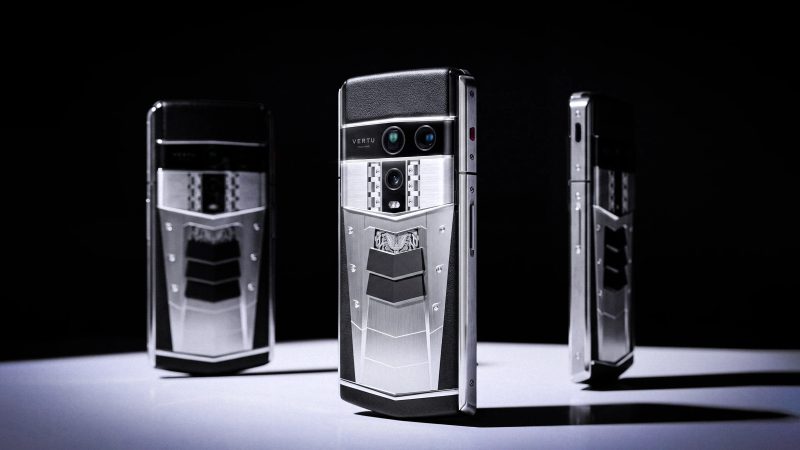
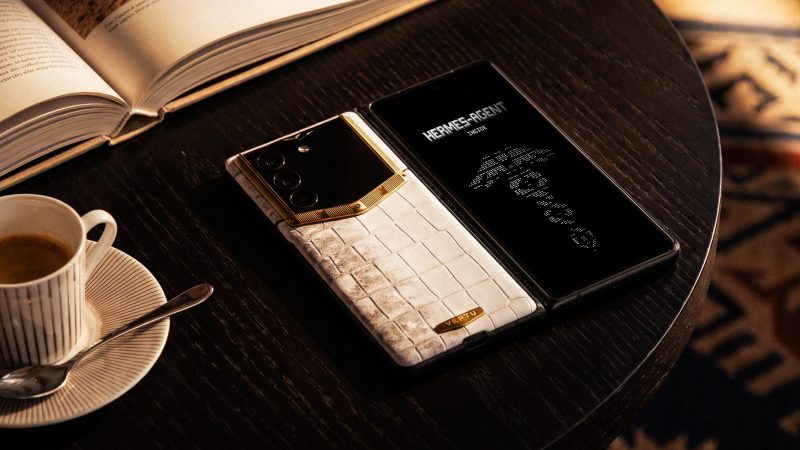
For example, many luxury models use stitched leather backs. Some use exotic leathers. That choice is not only aesthetic. It changes grip, temperature feel, aging, and how the device lives in the hand.
How to verify:
ask exactly what material is used and where (backplate vs. trim vs. case)
check whether it’s described with specificity (type, finish, stitching method)
evaluate whether the material choice matches your life (humidity, travel, daily wear)
If a seller can’t answer basic questions about the materials, assume you’re paying for an idea, not an object.
3) Scarcity and provenance: the right kind of hard to get
Scarcity is not a flaw in luxury. It’s often the mechanism that protects quality, desirability, and long-term value.
LGT’s view on the economics of exclusivity is blunt: scarcity is one of the ingredients behind the world’s most coveted possessions.
The practical translation for a luxury handset:
limited editions should have a real reason (materials, craft capacity, design intent)
provenance should be clear (documentation, warranty, owner registration)
authenticity should be supported, especially if the device changes hands later
How to verify: Ask what paperwork comes with the device, how warranty/service is handled internationally, and what the brand recognizes as an authorized purchase path.
4) Service: the invisible half of the product
This is where many “premium” experiences fail. Not because the phone is bad, but because the owner’s life is complex.
If you travel often, manage multiple assistants, or simply need things done without friction, service becomes part of the product.
Here’s what a real service layer should do:
reduce the number of steps between a need and an outcome
preserve discretion (you can ask for help without oversharing)
work across time zones and languages
help you recover from inevitable failures: lost devices, last-minute changes, account access issues
A useful example is VERTU’s ownership model: the VERTU 24/7 concierge is positioned as always-on assistance accessed via the Ruby Key. Whether you use it for travel coordination or urgent local problem-solving, the point is simple: ownership includes a human response loop.
A quick “reality test” scenario to run:
you land late, your driver is unreachable, and you need a safe hotel change now
your assistant can’t reach the venue contact, and you need a discreet solution
Ask the brand how service works in that moment. If the answer is “email us,” you have your verdict.
5) Identity: status that doesn’t need to announce itself
Luxury is often described as signaling, and that’s true. But for many UHNW buyers, the more interesting dimension is discretion.
A luxury handset can be a personal object that aligns with your taste, not a billboard. That can mean:
finishes that read like leather goods or horology, not consumer gadgets
design choices recognizable to the right people, invisible to everyone else
the confidence of owning something rare without explaining it
This is also why benchmarks and camera scores don’t settle the debate. A premium smartphone is engineered to appeal to millions. A luxury smartphone is engineered to feel correct to the few.
6) Privacy: the modern luxury requirement
Privacy has become a luxury criterion because high-end lives are high-surface-area lives: travel, temporary networks, constant account recovery prompts, SIM swap risk, and the simple fact that high-profile people are targeted.
A luxury device doesn’t need to promise the impossible. It should offer a posture you can maintain.
Use a verifiable checklist. Adapted from the criteria in this secure luxury smartphone checklist:
Update policy you can verify: How long are security updates supported? How fast are critical patches shipped?
Baseline encryption and strong lock: Default encryption plus a lock system you’ll actually use daily.
Account security beyond SMS: Passkeys/authenticator methods, plus carrier protections against SIM swaps.
Separation of contexts: Real separation between “casual apps” and sensitive work.
Support that reduces user burden: If security requires you to be your own IT team, it will fail in real life.
Why flagship specs aren’t the definition (but still matter)
Luxury buyers don’t ignore performance. They just refuse to treat performance as the only value.
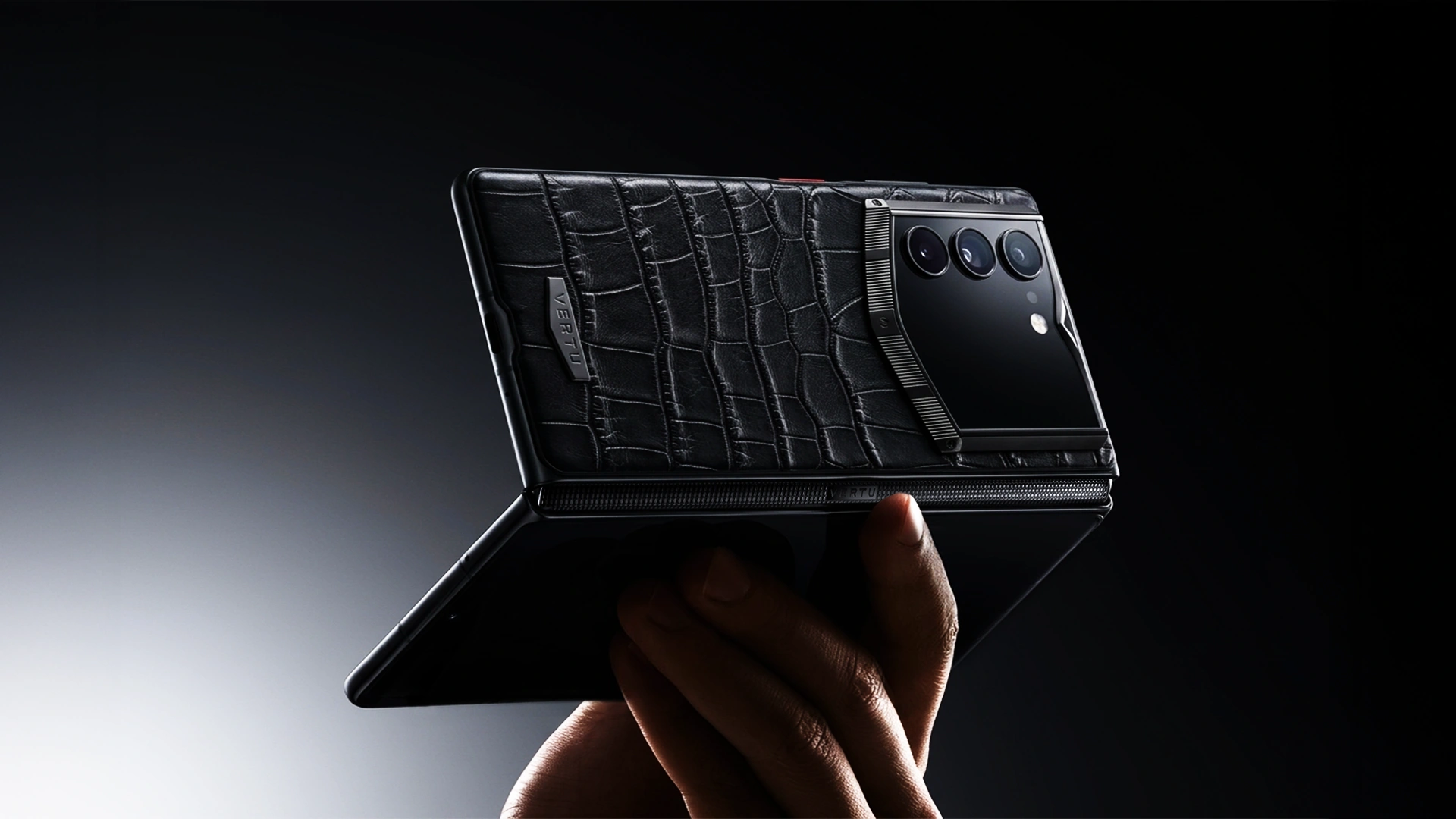
CNET’s profile of a luxury foldable device is useful here because it shows the trade-off plainly: bespoke materials and made-to-order builds can sit alongside choices that don’t chase the newest spec headline. See: CNET’s luxury foldable overview.
The right questions are:
Does it perform reliably for your use?
Does it support your privacy posture?
Does the ownership system still feel “luxury” six months in?
A practical checklist: how to evaluate before you buy
You can do this in ten minutes if you stay disciplined.
Step 1: Write down non-negotiables
For most serious buyers, non-negotiables are not camera tricks. They are:
reliable connectivity across regions
privacy posture with sane daily usability
service access that works when you are not at home
Step 2: Score the device against the six standards
Use a simple scoring approach (low/medium/high) for each:
craftsmanship
materials
scarcity/provenance
service
identity/discretion
privacy posture
If a brand can’t explain one category clearly, assume it’s missing.
Step 3: Verify provenance and support before you pay
The most common mistake is paying for the story without verifying the terms of ownership.
Red flags:
absolute claims like “unhackable”
no clear update/support policy
no documentation or unclear warranty
sellers who discourage questions about provenance
A concrete benchmark: VERTU as a standard-case example
If you want one brand to benchmark the modern category, VERTU is a practical reference because it treats luxury as a full ownership stack.
Start by browsing the current VERTU phones collection to see how materials, finishes, and editions are expressed.
FAQ
Are luxury phones worth it?
They can be, but only for the right buyer. If you want the newest chipset every year, a premium flagship is usually the smarter purchase. If you value craftsmanship, discretion, and a service layer that meaningfully reduces friction in your life, luxury can be rational.
What is the difference between a luxury phone and a luxury cell phone?
None, in most contexts. “Luxury cell phone” is simply a more traditional phrasing. The evaluation framework stays the same.
Is an iPhone a luxury phone?
An iPhone can be premium, even iconic. But luxury is about scarcity, aftercare, and ownership experience as much as the object. Apple is designed for global scale. A true luxury category tends to be designed around controlled scarcity, bespoke materials, and service.
Next steps
If you’re exploring the category and want to see how these standards show up in real collections, start with the VERTU phones collection linked above.
Disclosure: This article references VERTU pages. Editorial judgment remains the priority.