A bespoke phone order works best as a sequence of written decisions: establish the base model, define the requested changes, approve a specific proposal and agree what production, delivery and handover mean for that commission. Begin with the options the maker confirms for your model. A general description of personalisation is not approval of an individual request.
For a first commission, the most useful preparation is a clear brief and a record of each approval. The aim is to make the finished handset, its cost and the practical commitments understandable before the order advances.
Key Takeaways
- Distinguish a stocked configuration from a change that requires a bespoke proposal.
- Choose the base phone for its intended use before discussing its finish.
- Ask for materials, artwork, price and timing to be recorded in the proposal.
- Agree which approval authorises work and how later changes will be handled.
- Confirm delivery, acceptance and applicable aftercare for the individual order.
Is it a selectable configuration or a commission?
Start by showing the advisor the exact product you are considering. A colour or leather already offered as a selectable option may follow a different order process from a new engraving or a requested material combination. Ask which route applies instead of treating every attractive variant as made to order.
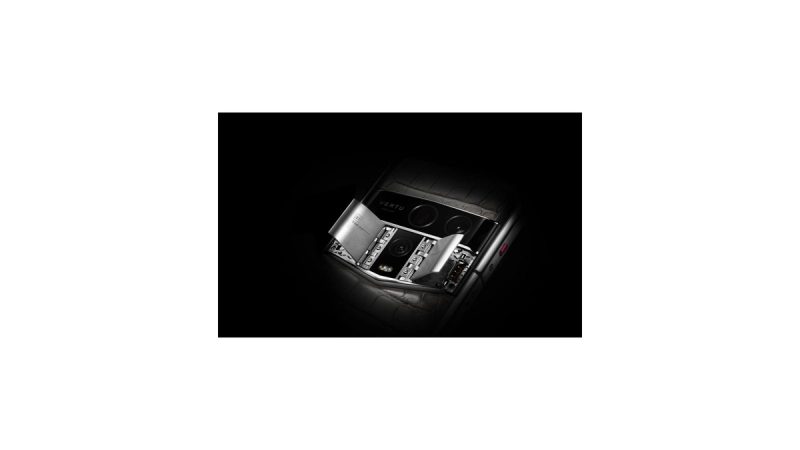
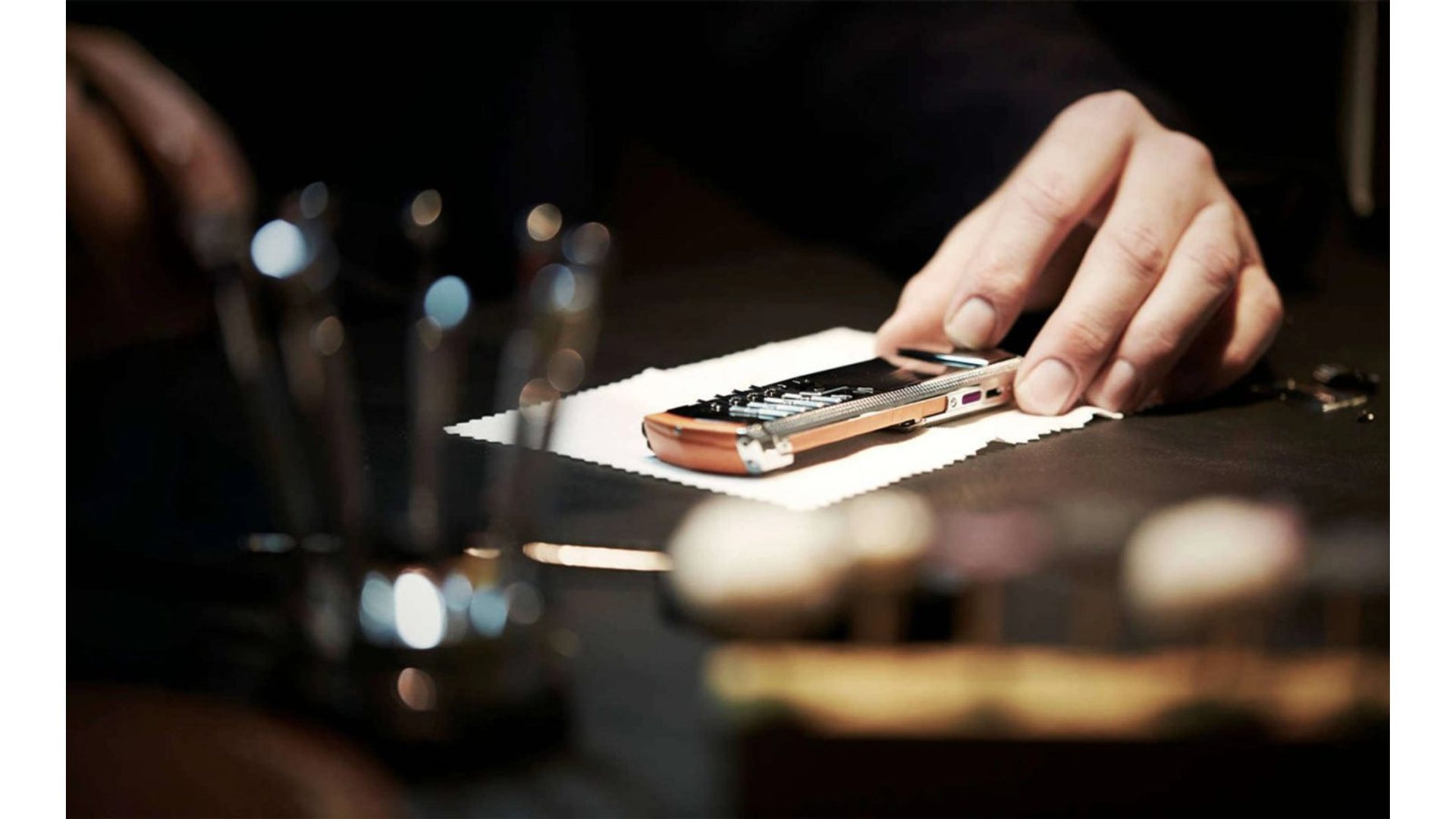
VERTU’s Bespoke page introduces consultation around materials, colours, finishes and engraving. Its published journey moves through consultation, design proposal, material selection, handcrafting, final inspection and unveiling. These are useful stages for organising questions; they do not confirm that every option is available on every phone.
Write down what you are asking to change and what you are buying as standard. For example, choosing an existing leather edition and requesting initials are two decisions. Keep them separate in the brief so that availability of one cannot be mistaken for acceptance of the other.
First decision: which phone is the right starting point?
Make the functional choice before the decorative one. List the tasks the recipient expects to perform, the preferred interaction style and any essential network or application requirements. Then confirm the exact base model and configuration with the advisor.
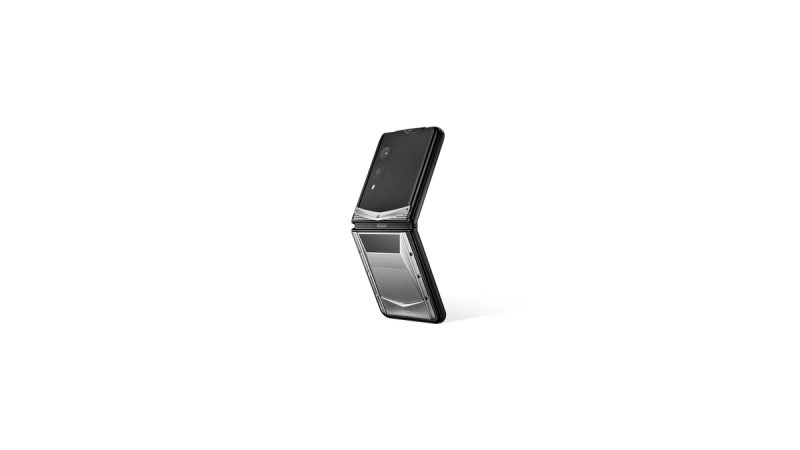
The AlphaFold product introduction describes an outer display and a larger inner display. The Signature collection presents a different product family. A request suitable for one should not be assumed suitable for the other, and the family name alone is insufficient to specify a commission.
If it is a gift, establish the recipient’s practical preferences discreetly before fixing the model. A striking finish cannot resolve a mismatch in everyday controls or carrying habits. For a business purchase, obtain the relevant internal approval for the handset itself before adding personal artwork.
Record the exact model, configuration and destination market at the top of the brief. This gives every later conversation the same starting point and makes it easier to spot a proposal based on a different edition.
Second decision: what should the brief contain?
Use a short brief that a person unfamiliar with your idea can understand. Include the desired appearance, the parts you want considered and the purpose of the commission. Explain whether you are matching an existing object, marking an occasion or creating a personal daily phone.
For any proposed text, provide the exact spelling, capitalisation and punctuation. For a date, make the format explicit. For artwork, ask what file type and permission evidence the maker requires. Do not assume that an image found online may be reproduced.
| Brief item | Question to settle |
|---|---|
| Base product | Which exact model and configuration is the proposal for? |
| Material and finish | What can be supplied, and how will its appearance be represented? |
| Personal element | What text or artwork, placement and orientation are being requested? |
| Budget | Which amount is a spending limit and which costs remain unquoted? |
| Occasion | Is the requested date a target or an expressly agreed commitment? |
Rank the details that matter most. If a particular material is unavailable, the advisor needs to know whether another finish could work or whether the project should pause. A clear priority prevents an alternative from becoming an unspoken approval.
Third decision: what are you approving?
Ask for a proposal that brings the product specification and commercial terms together. It should identify the exact base handset, confirmed changes, supplied items and price basis. Check the currency and any separately applicable costs rather than carrying an estimate from an earlier conversation into the final decision.
Request a labelled view of any artwork and placement where applicable. Confirm which representation is an illustration, a sample or the approved production reference. A screen image may help communicate a choice, but you still need the maker’s explanation of what it represents.
Ask how spelling, orientation and dimensions will be signed off. Read the text character by character and compare it with your original brief. For a gift, avoid relying on memory when a name or anniversary date can be checked before approval.
Keep one dated approved version and withdraw superseded versions clearly. If several people are contributing, nominate one person to consolidate feedback. Sending a series of partly contradictory messages makes it difficult to establish which instruction is final.
Fourth decision: what happens when work begins?
Ask which action authorises production and when a requested change may become unavailable or incur a revised quotation. Do not assume a deposit amount, payment schedule or change window: these must come from the individual proposal and applicable terms.
Separate the expected production period from transport. Ask when the estimate begins, what information must be approved first and how a revised estimate will be communicated. If the phone is intended for an occasion, ask what can actually be committed to in writing.
The general shipping and delivery page is a policy reference, not confirmation of the completion date for a particular commission. A dispatch estimate and an arrival estimate are also different. Ask how destination requirements and any customs process affect the stated arrangement.
Agree how you will receive updates and who will answer questions. Keep your order reference with the approved specification so an enquiry can be matched to the right project. Avoid treating a friendly progress message as a formal approval of a new date or a changed design.
Fifth decision: how will delivery and acceptance work?
Before dispatch, confirm the delivery name, address and contact details through the official order channel. Ask what documentation and accessories should accompany the phone. If you need separate gift packaging or a recipient handover arrangement, request confirmation rather than assuming it is included.
Plan an arrival check against the approved specification. Compare the model, material, personal element and supplied items, then follow the applicable setup instructions. If something differs, preserve the packaging and record the issue before arranging the next step with the seller.
Read the current returns policy alongside the individual order terms. It includes conditions and exceptions for personalised or custom products. Ask what those provisions mean for your commission and any reported fault; do not assume ordinary change-of-mind arrangements apply unchanged.
Keep the approved proposal, invoice, correspondence and any care instructions together. Ask about appropriate aftercare for the selected finish and how future service enquiries should identify the handset. This turns the design record into a useful ownership record after the unveiling.
Frequently Asked Questions
Can every VERTU model be engraved?
The Bespoke page introduces engraving consultation, but availability and placement must be confirmed for the exact model and request.
How long does an order take?
Obtain a current estimate for the approved commission. Do not infer its production time from a general shipping estimate.
Can I change the design after approval?
Ask before authorising work. The answer depends on the project stage, what was agreed and whether the maker accepts the change.
Conclusion
A bespoke phone becomes a clear order when each stage ends with an explicit decision: the right base model, an achievable brief, an approved specification and agreed production and handover terms. Use VERTU’s published process as the starting point, then rely on the written confirmation for your own commission.