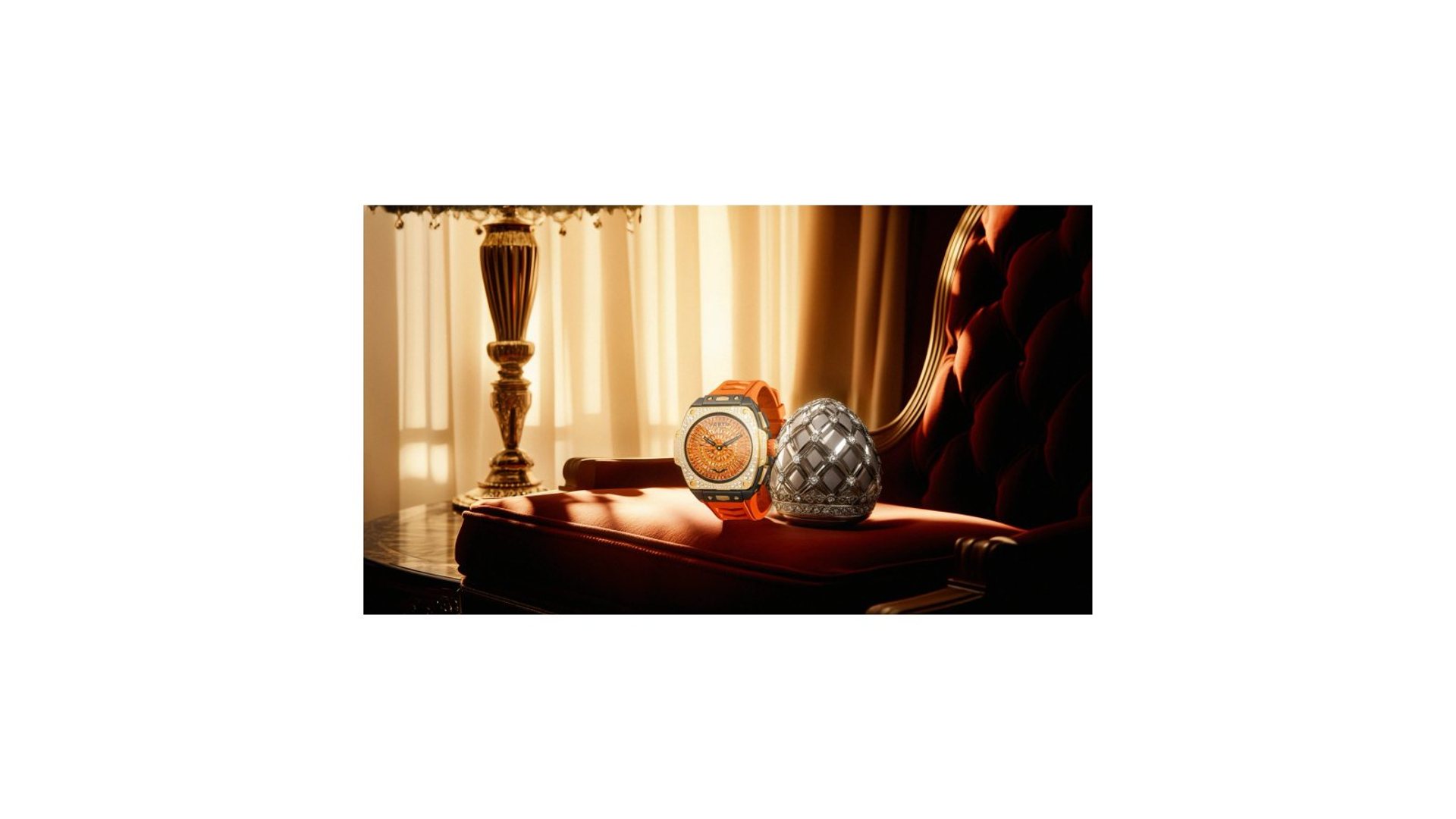
A ceramic vs titanium watch comparison is useful only when you identify the actual case construction, surface finish and complete watch being compared. Check which components use the named material, how each reference fits and what the manufacturer offers if a surface is damaged. A material label alone cannot choose the more suitable watch for your daily routine.
Key Takeaways
- Map the case, bezel, back, controls and strap hardware before comparing material names.
- Separate scratch resistance from resistance to knocks; ask about both for the exact reference.
- Compare a finished titanium surface with the specified ceramic construction, rather than two generic labels.
- Try the complete watches and obtain reference-specific care and repair answers before deciding.
First establish what “ceramic” or “titanium” describes
Open the specification for each candidate and find the component to which the material name applies. Is the description about the main case, a bezel, a back, a bracelet or a decorative element? If the product page is abbreviated, ask the seller to identify the parts in writing. Keep uncertainty visible rather than filling the gaps from photographs.
Use a simple component list: main case, upper surround or bezel, case back, crown or other controls, strap or bracelet, and clasp. Record the manufacturer's stated material beside each relevant item. It is acceptable to leave an item unresolved while asking a question. This is more useful than calling an entire watch ceramic because one prominent component has that description.
Also confirm that the product photograph, selected variant and specification belong to the same reference. A shared collection page can include different configurations. Save the exact version you are comparing, including its strap, so the final buying decision is based on a real orderable watch rather than an imagined combination.
Ask two different durability questions
For each watch, ask how the manufacturer describes everyday surface marking and what precautions it gives against impacts. Do not use an answer about one as a substitute for the other. A finish that resists ordinary scratches still needs its own handling guidance; a surface mark and a chipped or broken component are different service enquiries.
Rado's material-care guidance provides a useful ceramic example. It describes its high-tech ceramic as resistant to normal everyday scratching, while explaining that sufficiently hard materials can still scratch it. It also warns that a dropped Rado watch may break. Those are scoped manufacturer statements, rather than a guarantee about every ceramic used in watchmaking.
Translate that distinction into your own routine. If your watch often meets a desk edge, ask about the exposed surfaces and repair route for those areas. If you work around hard particles or abrasive objects, ask about the manufacturer's precautions. The aim is to identify the relevant exposure, not to award either material an unconditional durability title.
Read the surface specification on a titanium watch
Ask whether the titanium description includes a grade, a surface finish, a coating or a proprietary process. Record the maker's exact terminology. If the seller quotes a hardness or scratch-resistance comparison, ask which material and condition were compared. Do not transfer a figure from another maker's process to the watch in your hand.
Citizen's Super Titanium information, for example, identifies its own DURATECT surface-hardening technology and describes several finishes within that system. The relevant point for a buyer is that the stated surface process forms part of the specification. Citizen's branded claims do not establish identical properties for every watch described as titanium.
Consider the finish visually as well. Look at polished and brushed areas, light and dark details, and the surfaces most visible from your normal wearing angle. Ask how the manufacturer expects those areas to be cared for. Decide whether you would be comfortable with the appearance the brand describes over time, rather than assuming that every surface can later be restored in the same way.
Compare complete watches on the wrist
Use two real references, with their intended straps or bracelets, for the wearing comparison. If weight matters to you, request the complete-watch figures and confirm what each includes. Comparing a bare case figure with a watch-and-bracelet figure cannot tell you which complete watch you would prefer to wear.
Then try each watch at an appropriate adjustment. Bend your wrist, rest your hand on a desk and move a familiar sleeve over the case. Notice where the clasp sits, whether a control presses into your hand and whether the watch stays in place without excessive tightening. Record these observations separately from the material label.
Ask yourself what is causing a preference. You might prefer the case shape, thickness, strap or adjustment rather than its advertised material. If you cannot try both candidates, request the information needed to compare those features and check the seller's actual return or exchange terms. Do not interpret a material-based reputation as a substitute for fit.
Read Grand Watch's case description carefully
For the VERTU Grand Watch family, VERTU identifies microcrystalline black ceramic and coloured carbon among its case materials, together with a tonneau silhouette and sapphire mirror. That family description should lead to a configuration enquiry, not an assumption that every reference has a wholly ceramic case.
Ask VERTU which materials appear on the particular Grand Watch you are considering and where they are used. Request the reference, selected finish and strap details together. If you are comparing it with a titanium watch from another maker, use that watch's actual specification as the other side of the comparison. For a titanium comparison, select a reference whose own specification explicitly names titanium.
Keep the crystal description separate from the case comparison. A sapphire mirror identifies a different component; it does not establish the scratch or impact performance of the surrounding case. The useful buying record identifies each relevant part and the care advice that belongs to the complete configuration.
Ask about damage before deciding how much it matters
Describe a realistic concern to the seller: a surface mark on a visible edge, damage around the bezel or a chipped component. Ask what the manufacturer would assess and what service options might apply. Do not assume that polishing, refinishing, coating repair or part replacement is available simply because it is possible on another watch.
Request the service contact, assessment process and any reference-specific limits. Where a price cannot be given before inspection, ask what information would be needed for an estimate. This does not require predicting the cost of a future repair; it establishes whether there is a clear route for obtaining help.
Consider your own tolerance for change. If a visible mark would make you stop enjoying the watch, inspect the most exposed parts carefully and ask focused care questions. If you are comfortable with normal signs of use, give greater weight to comfort and daily convenience. This is a personal preference rather than a measurable advantage for one material.
Make a decision from the complete reference
Bring the comparison back to four questions. Have you identified the actual components and finishes? Does the complete watch feel right? Do the care instructions suit the way you intend to wear it? Is the service route clear enough for your comfort? Answer those questions for each reference before choosing.
If one answer remains unresolved, name it explicitly. “Finish not specified” or “complete weight not confirmed” is more useful than a confident material verdict based on missing information. A clear specification and a satisfactory try-on can settle a buying decision without requiring one material to win in every possible circumstance.
Frequently Asked Questions
Is ceramic scratch-proof?
Do not read scratch resistance as immunity. Rado's own guidance explains that its high-tech ceramic can be scratched by sufficiently hard materials. Consult the maker's statement for the exact watch you are considering.
Will every titanium watch wear the same way?
Compare the stated grade, finish and any proprietary surface process, then the complete reference. Citizen's DURATECT system illustrates why a titanium surface description can be more specific than the material name alone.
Is Grand Watch an all-ceramic watch?
Do not infer that from the family description. Ask VERTU to identify the materials and components of the selected reference; ceramic and coloured carbon appear in the family's stated case-material information.
Conclusion
The most useful comparison connects construction, finish, fit and service for two actual references. Make a ceramic vs titanium watch decision from that complete picture, with Grand Watch's particular materials confirmed, rather than choosing from a material label in isolation.