Evaluate a limited edition smartphone by asking what, precisely, is limited: a numbered production run, a particular finish, a collaboration or a sales window. Then verify the exact handset, its documentation and the seller’s account of that claim. Make a separate decision about whether the phone’s functions and ownership arrangements suit you.
The word “limited” is the beginning of an enquiry, not the result. A considered purchase file should explain the edition clearly enough that another reader can distinguish it from a standard configuration.
Key Takeaways
- Ask for the exact edition name, configuration and meaning of the limitation.
- Find the original source for any quantity or numbered-run claim.
- Match paperwork and photographs to the actual handset.
- Evaluate practical use, service and supplied items separately from rarity.
- Set a budget around the purchase you understand, without assuming future resale gains.
What is the edition claim?
Start by copying the full product name from the seller’s proposal. Ask whether the limitation applies to the whole model, a material combination, a colour, a territory or a collaboration. These descriptions can lead to very different purchase decisions.
Request the source of any production quantity. Ideally, the seller can point to an official statement that identifies the edition and explains the relevant limit. A number without its scope is difficult to evaluate: it may describe a configuration while the listing appears to describe an entire family.
If the claim is a numbered run, ask how that numbering is represented and how the specific handset is linked to it. Distinguish an edition marking from an ordinary device identifier. Do not assume that a number photographed on packaging establishes the production total.
Where the maker has not published a quantity, keep the conclusion open. You may still like a particular design, but you should not invent an edition size or accept a seller’s unsupported number as an established fact.
What can Agent Q GT illustrate?
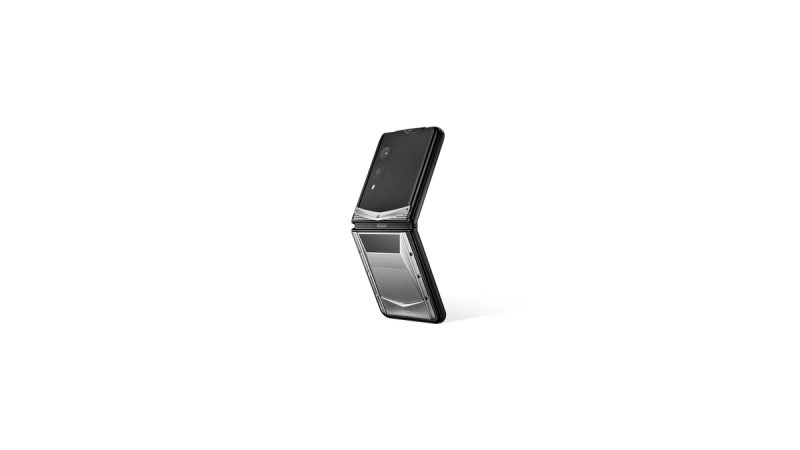
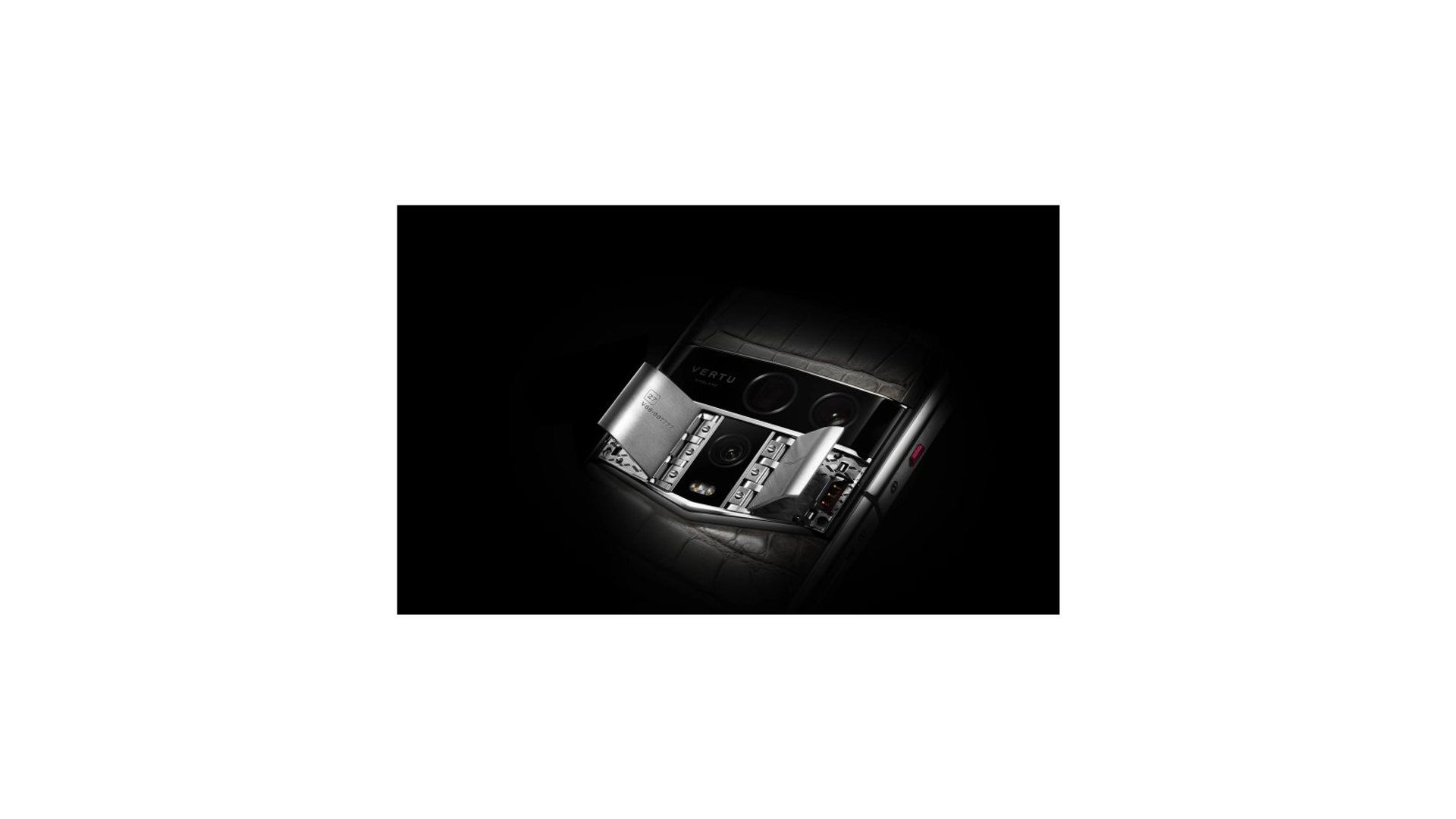
The current official Agent Q GT product page identifies the product as Agent Q GT. Its description refers to titanium, European leather and a Falcon-Wing design. Those are specific design references you can discuss when evaluating the offered handset.
The current title and description do not, by themselves, establish a numbered production quantity. If a proposal presents this product as a limited edition, ask for the separate evidence supporting that claim and its exact scope. A distinctive GT name is not a production certificate.
Keep the configuration in view as well. Ask the seller to identify the exact finish, supplied items and edition wording on the invoice. Do not transfer a description from a different Agent Q variant simply because the family name matches.
This approach allows you to value the design on its own terms while keeping any rarity claim accountable. It also avoids letting an evocative name replace the ordinary questions you would ask about a phone.
Which documents should you request?
Ask for an itemised proposal or listing that names the actual handset and the basis of its special-edition description. If a certificate is said to be included, request its stated purpose and how it identifies the product. Do not infer the issuing authority from an ornate design.
For a pre-owned example, ask for the available purchase record and disclosed repair history. Request photographs of the actual phone, its relevant markings and the accessories being supplied. Promotional imagery can explain the original design but cannot document the condition of the item in the sale.
| Seller’s statement | Useful supporting question |
|---|---|
| Limited production | Where did the maker state the quantity and its scope? |
| Numbered example | How is the number linked to this exact handset? |
| Special material | Which material and finish does the exact configuration specify? |
| Complete set | Which items are included, and which are replacements? |
| Original condition | What repairs, modifications or signs of use are disclosed? |
Save the supporting material alongside the invoice. If a source page later changes, your purchase record should still show what the seller represented at the time. Keeping a record is useful; it does not make an unsupported representation true.
How do you separate identity from condition?
Use the appropriate official route to enquire about product identity. VERTU’s Check Authenticity page is its product-verification entry point. Follow that process for the actual device rather than relying on a seller’s image or an unverified contact.
Be precise about the answer you receive. Establishing identity is different from confirming an edition’s quantity, inspecting damage or deciding whether all service benefits are available to you. Ask which of those questions the response actually addresses.
Inspect the condition independently. Check the finish, display, controls, ports and charging behaviour appropriate to the model. For a moving panel or decorative component, ask for the normal operating instructions before attempting a demonstration.
If you cannot inspect in person, agree the evidence and acceptance arrangements before purchase. A continuous demonstration of the actual handset can inform your decision, but it should be accompanied by clear written terms for the item that arrives.
Will you enjoy using the phone?
Write down the tasks you perform every day, then verify them for the exact configuration and market. Include calls, messaging, camera use, the applications you depend on and charging. If it will be your main phone, do not let its collectible presentation make these questions secondary.
Check the carrying arrangement you intend to use. Ask about a compatible case and whether it changes access to controls or the features that attracted you. Decide whether you want to display the special finish or protect it within an accessory, then choose with that routine in mind.
For a gift, confirm the recipient’s practical preferences before focusing on the edition story. A personal connection to the design may matter more than a production number. Keep that preference distinct from claims about rarity or future value.
Where a feature depends on an account, application or service, ask for the applicable conditions. A luxury presentation does not answer a software, network or account-eligibility question.
What should the ownership and price discussion include?
Request the price for the exact configuration and destination, listing anything sold separately. Compare the actual purchase arrangements rather than treating different currencies, supplied accessories or conditions as if they were the same offer.
Ask about the relevant service route using the specific model and purchase evidence. The current VERTU warranty policy contains validation requirements and conditions. A special edition name does not establish that a particular repair or claim will qualify.
If future cosmetic matching matters to you, ask what can currently be confirmed about service or replacement parts for that finish. Do not treat a possibility discussed in a sales conversation as a guaranteed future supply commitment.
Set your spending limit according to the phone, design and documented arrangements you want today. If you are considering a resale argument, request the evidence behind it and recognise what remains uncertain. This guide does not establish a future market value or investment return.
Before paying, read the proposal once more without the promotional language. You should be able to identify the handset, what is claimed to be limited, what evidence supports it and what you will receive. If those points remain unclear, ask through the official contact route or the responsible seller before proceeding.
Frequently Asked Questions
Does a special edition need a published production number?
Not every edition claim takes the same form. Ask what the limitation means and evaluate the evidence for that specific claim.
Does a numbered certificate prove condition?
No. Inspect condition and working functions separately, and establish what the document actually certifies.
Should I expect it to increase in value?
Do not make that an assumed purchase benefit. Establish your own budget without treating future resale performance as guaranteed.
Conclusion
A limited edition smartphone is easier to evaluate when its story becomes a clear set of facts: the exact configuration, the meaning of the limitation, the supporting record and the ownership arrangements. Choose the design you want to use, and allow scarcity to influence the decision only as far as the evidence supports it.