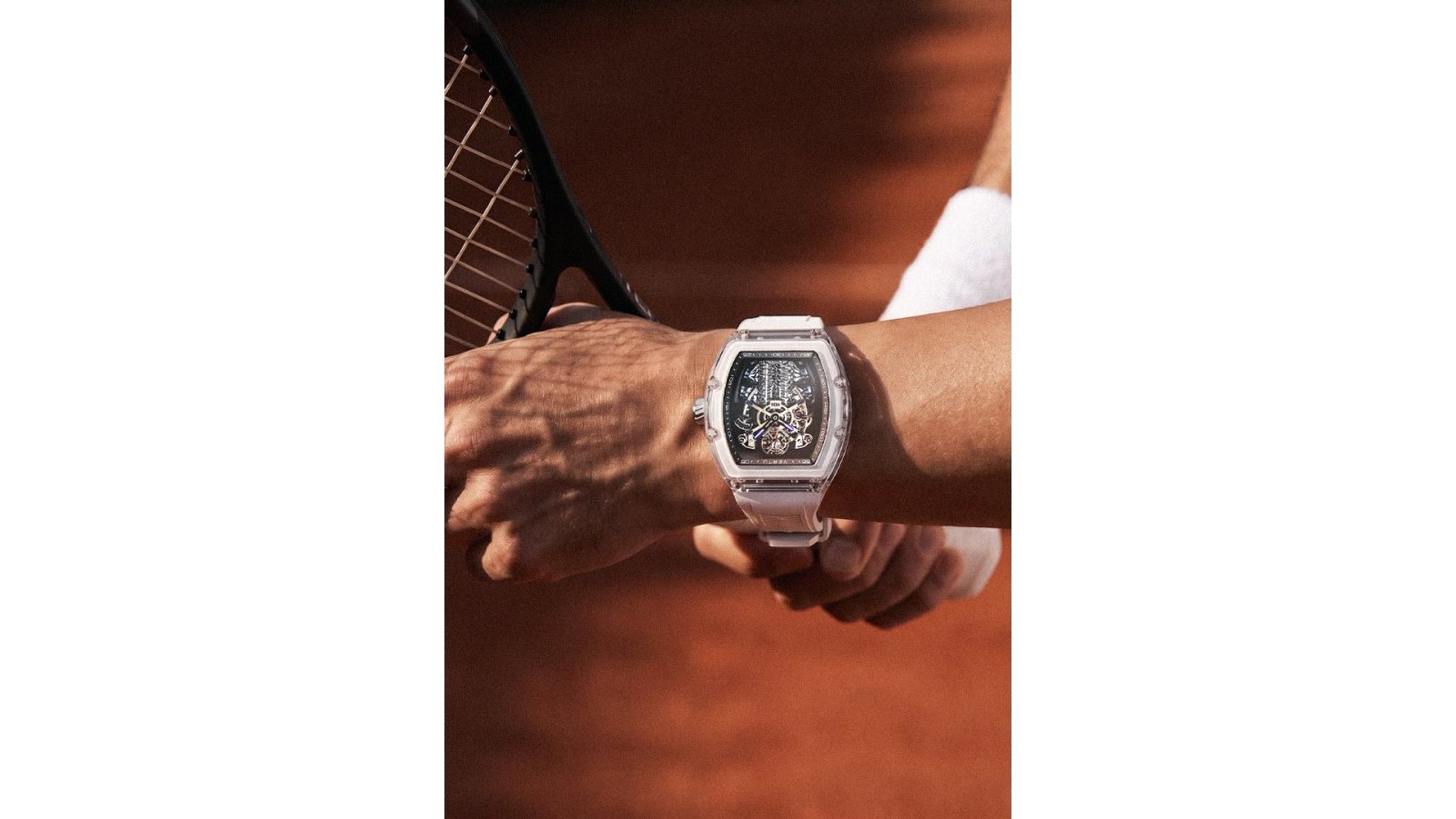
Read watch water resistance ratings as the beginning of a use check, then find the manufacturer's instructions for the exact reference and activity. A number on a dial or product page does not, by itself, establish that a watch is suitable for swimming, diving or a hot shower. The case, fitted strap and watch's present condition all need consideration.
Key Takeaways
- Identify the exact model and the stated rating before consulting a use chart.
- Distinguish an IP designation from a watch pressure rating; neither replaces activity instructions.
- Check the strap, controls, exclusions and service history as well as the case marking.
- If the intended water activity is not expressly covered, obtain a model-specific answer before wearing the watch for it.
Read the reference before reading the number
Start with the model identifier on the watch, its order information or its documentation. Find the manufacturer's current instructions for that reference. If there are several sizes, generations or editions, establish which one you have. A shared collection name is insufficient when the instructions distinguish individual versions.
Record the water-resistance wording exactly as supplied. Keep the number, unit, standard if stated and any accompanying note together. Writing only “water resistant” into a shopping comparison removes the information you need to make a decision. Equally, adding a standard that the seller has not named makes the specification look more complete than the evidence supports.
For a purchase, ask the seller to connect the listing to the supplied manual. If the page, packaging and case marking disagree, resolve the discrepancy before planning water use. A general chart on a retailer's website can help you form questions, but it should not settle a conflict about an individual watch.
Know which kind of rating you are looking at
Watch information may use metres, bar or ATM, or it may state an IP classification. First establish which claim the manufacturer is making. Do not replace one label with another because both appear in online buying guides. An IP designation and a watch pressure rating are different descriptions, with their own stated conditions.
Apple's water-resistance guidance makes this distinction visible: it names an IEC 60529 rating for some older Apple Watch models and ISO 22810 ratings for later models. It separately identifies permitted activities and restrictions. The useful lesson is how to read a specification alongside its instructions, rather than to transfer Apple's permissions to another brand.
A depth-looking number should therefore prompt a question: “What does this manufacturer allow me to do with this exact watch?” It is not a personal diving limit. Where diving is the intended use, look for the manufacturer's explicit diving guidance, applicable limits and required precautions. Do not promote a general everyday watch into a diving instrument by interpreting its marking alone.
Turn your intended activity into a specific question
“Can it get wet?” is too broad for a useful answer. Describe the activity you actually intend: walking in rain, doing lengths in a pool, swimming in the sea or undertaking a particular form of diving. Ask about that activity by name. Include whether you expect to operate buttons or other controls during it.
Manufacturer charts are useful when read within their own scope. For example, Seiko's 6L35 instructions distinguish everyday accidental water contact, swimming and other activities by the marking on the case back. That is a guide to the relevant Seiko watch, not a universal permission chart for every watch displaying a similar number.
Keep three possible outcomes in your notes: expressly permitted, expressly excluded or not established. The third is a reason to ask, not an invitation to assume. This simple distinction is especially helpful when a listing offers a rating but no explanation of pool use, controls or aftercare.
Check the fitted strap separately
A case marking does not describe every part of the complete watch. Identify the material and care instructions for the strap or bracelet actually fitted. If you have changed it, consult the replacement supplier's guidance as well as the watch manual. A photograph of a different strap does not answer a question about yours.
Seiko's band-care instructions explain that ordinary leather straps should not be used for swimming or water work even where the watch case has enhanced everyday water resistance, with a named exception for its Aqua Free bands. This is a clear example of why case capability and strap suitability require separate checks.
When buying a watch for regular swimming, ask the seller to confirm the complete configuration intended for that use. Also ask how to clean and dry it afterwards. Choose a combination for which those answers are available rather than planning to improvise a care method from the case rating.
Apply that reading method to VERTU watches
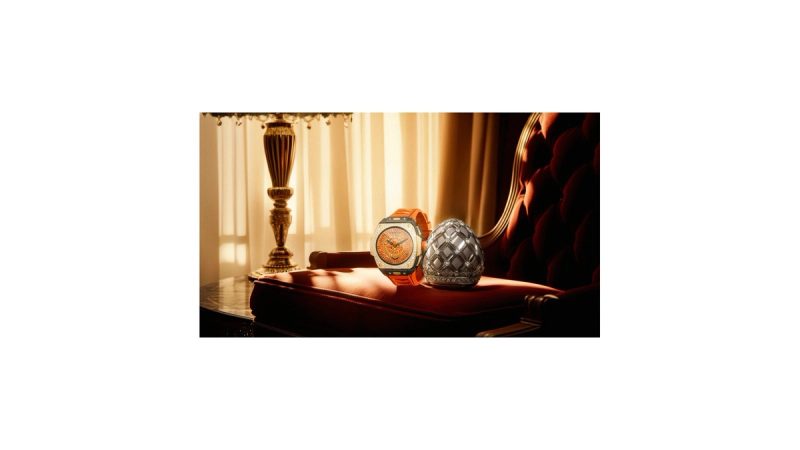
The VERTU Agent Watch listing states IP68 and directs owners to the product care instructions for permitted water use. Retain both parts of that statement. IP68 should not be expanded into a claim that swimming, showers, diving or operating controls underwater are approved for this watch.
If your planned activity is not described in the supplied instructions, ask VERTU about the exact Agent Watch reference and strap. Request a written answer that names the activity and any conditions. Its connected features, case appearance and sports functions do not independently answer a water-use question.
Use the same approach when considering a Grand Watch or the Fusion Hamlet Design Diamond Watch Limited Edition. Consult the selected reference's instructions rather than borrowing an allowance from the Agent Watch or another watch in the collection. Ask about the chosen strap and any decorative elements that have their own care requirements.
Account for the watch you have today
Read the rating together with the watch's condition and history. Note significant impacts, repairs, case openings or uncertainty about earlier care. Explain those circumstances to the manufacturer or an authorised service provider when seeking advice. An original specification is not a substitute for an assessment of an individual watch with an unknown history.
Apple's guidance explicitly says water resistance can diminish over time and identifies impacts, soap and other exposures as concerns for Apple Watch. Its servicing position is also product-specific. Ask your own manufacturer what inspection or service options apply; do not assume every watch can be tested, resealed or restored in the same way.
Before a water activity, follow the manual's instructions for crowns, covers and controls. Afterwards, use the specified cleaning and drying process. If the documentation does not answer a question, pause that use while you obtain advice. A home immersion experiment cannot establish the manufacturer's permitted activities or replace service guidance.
A practical buying checklist
Before choosing a watch for water use, collect five items: its exact reference; its stated rating and named standard, if provided; the approved activities; the fitted strap's instructions; and its service and care guidance. Save these with the purchase information. This produces a useful record you can consult later without relying on an abbreviated sales description.
Then ask one final question: does this complete watch have documented permission for the activity I intend? If the answer is clear, follow the accompanying conditions. If it remains uncertain, choose a documented alternative or obtain clarification before committing to that use.
Frequently Asked Questions
Does a metres marking tell me how deep I can dive?
Do not use it as a personal diving allowance. Consult the exact model's manufacturer instructions, including whether diving is permitted and under which limits and conditions.
Does IP68 automatically mean swimming is permitted?
No automatic swimming permission follows from that label alone. Check the manufacturer's instructions for the individual product and ask if the intended activity is not covered.
Can a water-resistant case have a strap unsuitable for swimming?
Yes. Case and strap instructions can differ, as Seiko's leather-band guidance illustrates. Check the strap fitted to your watch rather than a collection photograph.
Conclusion
A useful decision connects the reference, rating, documented activity, complete configuration and current condition. Read watch water resistance ratings in that order, and you can ask a precise question before choosing a watch or taking one into the water.