A mass-market “best business phone” list usually means brighter screens, faster chips, and better cameras.
For executives, “best” means something else: the phone that reduces risk, preserves discretion, travels well, and keeps you moving—even when your calendar changes mid‑flight.
This guide is built for high-net-worth business leaders who treat their phone as a command center and a reputation surface. You’ll leave with a simple framework to choose the right device—without worshipping benchmarks.
Key TakeawayThe best business phone isn’t the one with the most specs. It’s the one with the strongest security posture, the least operational friction, and the most trustworthy support.
What “best business phone” really means in an executive context
A business phone for executives has to do four jobs at once:
Protect sensitive conversations (deal terms, identities, travel plans, internal disputes).
Make you faster (triage, summarization, delegation, approvals) without leaking context.
Survive global travel (roaming, SIM swaps, risky Wi‑Fi, border scenarios, time zones).
Look correct in the room (quiet status, materials that age well, not a plastic gadget).
The tradeoff: maximizing any one of these often compromises another. That’s why “best” needs a framework.
A two-minute needs assessment before you compare any phones
Before you read reviews or talk to advisors, answer these four questions:
1) What’s your real threat model?
If you’re a high-profile operator, your risk is rarely “random malware.” It’s:
targeted phishing
credential theft
number takeover (SIM swap)
opportunistic device access while traveling
2) Do you run two lives on one device?
If your phone holds both personal life and corporate governance, you need stronger separation: accounts, permissions, storage, and sometimes even separate numbers/devices.
3) Are you cross-border every month?
International travel changes the security equation—networks, customs interactions, and the odds that someone else touches your device.
4) Who helps when something breaks at 2:00 a.m. local time?
An executive phone isn’t just a product. It’s a service relationship: recovery, replacement, verification, and human support.
How to verifyIf a vendor can’t clearly explain updates, remote lock/wipe, account recovery, and service escalation, you’re not buying a business tool—you’re buying a liability.
Security posture: what to verify if you want the most secure phone for business
“Most secure phone” is a phrase that gets misused. For executive buyers, security is best understood as layers: device, identity, apps, network, and operations.
Start with standards, not marketing
If you want a neutral baseline, start with government and standards guidance. For example, the U.S. National Institute of Standards and Technology (NIST) outlines organizational approaches in its publication on guidelines for managing the security of mobile devices in the enterprise. The UK’s National Cyber Security Centre also maintains practical device security guidance.
You don’t need to become a security engineer—you just need to buy like one.
The executive checklist (device-level)
Look for evidence of the following:
Strong device lock + encryption by default (non-negotiable).
Hardware-backed key protection (often described as a secure enclave/secure element/TEE). This matters because it separates sensitive secrets from everyday app chaos.
A clear update policy (how long, how often, who controls delivery).
Remote lock/wipe and recovery workflows that are realistic under travel pressure.
The executive checklist (identity-level)
- Number securitycontrols and procedures that reduce SIM‑swap exposure.
- Account recovery disciplineif your Apple/Google account is compromised, your phone is effectively compromised.
Multi-factor authentication everywhere, with backups you can access while traveling.
The executive checklist (apps + data)
Permission discipline (microphone, contacts, photos, files, location).
Work/personal separation (containers/profiles) if you operate in regulated contexts or have sensitive corporate data on a personal device.
AI assistant: the productivity upside—and the privacy boundary you can’t ignore
Executives want AI for the right reasons: fewer meetings wasted on note-taking, faster digestion of documents, better prioritization.
But AI introduces a new question: Where does your context go?
A safe way to think about it:
Green zone (good AI use): summarizing your own writing, drafting replies from non-sensitive prompts, turning public documents into briefings.
Amber zone (needs judgment): meeting summaries, client notes, negotiation drafts—anything that exposes identities and intent.
Red zone (don’t outsource casually): legal strategy, M&A details, banking instructions, sensitive travel itineraries.
The practical buyer question isn’t “Does it have AI?” It’s:
Does the device give you control over what AI can access, and does it make that control easy to maintain?
International travel readiness: the executive phone’s hidden requirement
If you travel globally, your phone is exposed to different risks than someone who lives in one city.
What changes when you travel
you connect to unfamiliar networks
you charge in public spaces
you lose privacy through “small” operational slips (Bluetooth, location sharing, account prompts)
you may face situations where you’re asked to unlock a device
Executive travel rules that actually work
Use fewer networks, not more. Avoid convenience Wi‑Fi when the stakes are high.
Assume your number is an asset. Reduce SIM-swap risk with strict carrier controls and disciplined authentication.
Keep a recovery path that works abroad. Know how you will regain access if your phone is lost or locked.
⚠️ WarningMany security failures during travel are not “hacks.” They’re recovery failures—when you can’t restore access quickly and discreetly.
Craft and etiquette: why a luxury smartphone can be a business tool
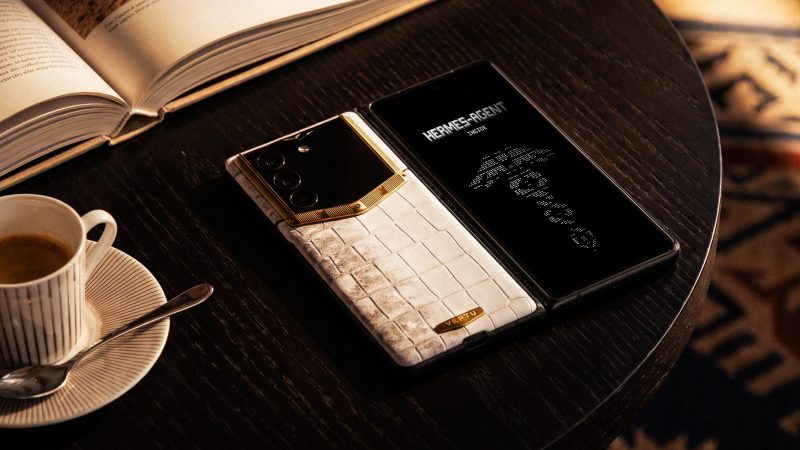
A luxury smartphone isn’t about decoration. In an executive context, it can function as:
a quiet signal (taste, restraint, seriousness)
a tactile anchor (materials that feel composed under pressure)
a long-term ownership object (serviceability, provenance, verification)
The point is not to be loud.
A “secure phone” is not just what it can do—it’s what it makes hard to do by mistake.
The point is to carry a device that feels appropriate in a private dining room, a board meeting, and an arrivals lounge—without turning the moment into a tech demo.
Where VERTU fits: the executive phone as an ecosystem
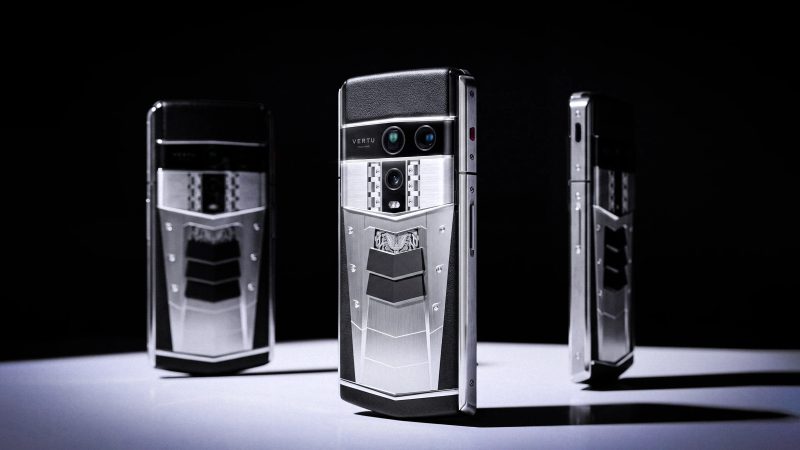
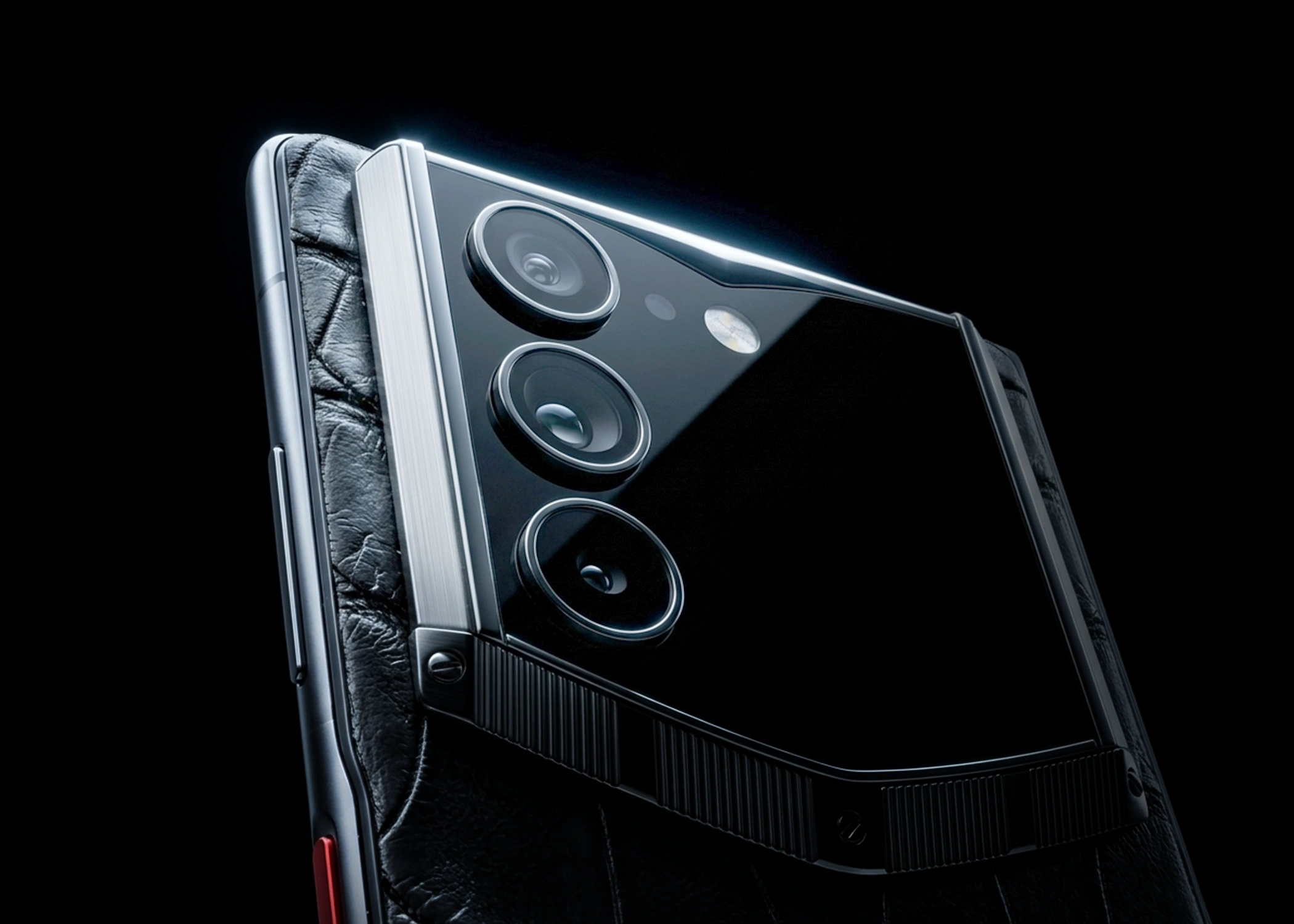
If you’re building an “executive phone” standard, VERTU is best understood as a blend of device + service + discretion.
VERTU positions its ownership experience around a 24/7 human concierge layer, described in VERTU’s 24/7 concierge service.
It also frames the concierge as exclusive to owners and broader than typical support in the VERTU Concierge service guide.
On the productivity side, VERTU presents VERTU Agent Q for executive productivity as an “apps to agents” shift—useful framing for executives who want outcomes, not another app.
If your evaluation criteria include international travel support, service escalation, and discreet ownership, concierge becomes part of the business case—not a lifestyle extra.
A decision checklist (and the red flags to watch)
Use this as a final filter before you commit.
Must-haves for a best business phone
Clear update policy and security maintenance discipline
Hardware-backed security (keys and biometrics separated from the main OS)
Recovery plan that works while traveling
Permission discipline you can actually maintain
A service path: real humans, real escalation
Red flags
“Most secure” claims with no explanation of updates, recovery, and remote controls
Vague AI features without clear access boundaries
Overreliance on benchmarks instead of operational security
No plan for verification/provenance (counterfeit risk is real at the high end)
FAQ
Is the iPhone the best business phone for executives?
It can be—especially when you value consistent updates, strong default security posture, and broad enterprise tooling support. But “best” still depends on your travel pattern, identity risk (SIM swap), and how you handle AI and sensitive documents.
What is the most secure phone?
In practice, “most secure phone” depends on your threat model and your willingness to trade convenience for control. For business buyers, a more useful question is: Does this phone minimize what can go wrong in your real operating life—updates, recovery, permissions, and travel exposure?
Do luxury smartphones actually help with business security?
Not automatically. Luxury materials don’t equal security. The value comes when luxury is paired with a disciplined security posture and a service ecosystem that supports verification, recovery, and discreet escalation.
Next steps
If you want a buyer framework that’s tailored to how you travel and how your organization runs, start with VERTU’s executive-focused privacy guidance in privacy phone buying guidance for executives.
Disclosure: This article references VERTU pages. Editorial judgment remains the priority.