When you search for the best foldable phone, you’ll find plenty of respectable rankings. Most are written for the “best for most people” buyer.
If you’re an executive, that definition of “best” is incomplete.
Because the real cost of a foldable isn’t the purchase. It’s the friction: the moment you can’t open a contract on a flight, the hinge feels off during a week of travel, a private conversation becomes a liability, or a cracked inner screen turns into downtime.
This guide rebuilds the standard around executive reality—efficiency, screen experience, durability confidence, privacy posture, service, and gifting value—then applies it to three common shortlists (Samsung Galaxy Z Fold series, Google Pixel Fold, Honor Magic V series) plus one luxury benchmark option.
Key TakeawayFor executives, “best” isn’t a benchmark score. It’s the phone that reduces decision friction and lowers risk when something goes wrong.
Key takeaways (executive standard)
A foldable can be your mobile command screen—but only if multitasking is stable and the cover screen is genuinely usable.
Durability isn’t just “will it survive water.” It’s hinge confidence, dust tolerance, and the repair path.
Privacy is no longer a settings menu. It’s an architecture: separation, encryption, and permission boundaries.
Service is part of the product. A premium phone without a premium service model can be a liability.
For gifting, provenance and personalization matter as much as specifications.
Quick comparison matrix (not a spec leaderboard)
Executive criterion | Galaxy Z Fold series | Pixel Fold | Honor Magic V series | Luxury benchmark |
|---|---|---|---|---|
Business efficiency | Strong multitasking ecosystem; widely adopted | Google-first workflows | Often excellent screens + productivity; varies by region | Optimized for executive ownership + service model |
Screen-for-work experience | Strong overall; mainstream-tested | Strong; clean UX; form factor depends on model | Often impressive thinness/display; availability varies | Work-first inner screen experience |
Durability confidence | Mature engineering + service network | Improving; strong platform security | Hardware can be strong; service/support depends on market | Ownership confidence framed as part of value |
Privacy posture | Strong platform options | Strong Google security posture | Varies by model/region | Privacy boundaries treated as first-class |
Service model | Standard premium support pathways | Standard premium support pathways | Varies by region | White-glove support expectations |
Gifting value | Premium, not inherently “giftable” | Premium, not inherently “giftable” | Premium, sometimes status-forward | Designed to carry meaning and certainty |
Mainstream roundups prioritize performance, cameras, battery, software support, and value. See Tom’s Guide’s foldable phone testing criteria and Android Central’s best foldable phones list. This article optimizes for executive ownership outcomes.
How to choose the best foldable phone for executive work
A “best folding phone” for executives is simply the device that stays calm under pressure.
Use this fast sequence:
- Define your default postureclosed or open?
- List your three executive actionsapprove, decide, reply.
- Decide your risk tolerancedowntime is either acceptable—or it isn’t.
A practical checklist-style guide to evaluating foldables for leadership use is also available at foldable phone for business leaders.
1) Business efficiency: does it reduce context switching?
The executive use case isn’t “multitask for fun.” It’s approvals, messages, calendar moves, document review, and quick decisions.
What to test (in five minutes)
Can you keep two apps open (mail + doc, chat + calendar) without the layout collapsing?
Can you reply on the cover screen without constantly unfolding?
Can you copy a snippet from one app into another without the OS treating it like a full context reset?
How to verifyBring one real work file (PDF or slide deck). Open it side-by-side with email. Try making a decision in under 60 seconds.
2) Screen experience: beyond size, does it behave like a workspace?
A larger inner display is only valuable if it’s comfortable for real work:
reading long documents
scanning spreadsheets
cross-checking details while on a call
What “good” looks like
Your eyes relax on the inner screen for 15+ minutes.
The crease doesn’t constantly pull attention under angled light.
The phone opens one-handed without drama.
For an executive framing on when a foldable replaces “phone + tablet,” see foldable phone vs tablet for executive work.
3) Durability confidence: hinge feel, dust tolerance, and the repair path
Foldables fail differently than slab phones. The hinge is a mechanism. The inner display is a layered stack.
So durability for an executive means: Will this phone still feel stable after a year of travel—and if it doesn’t, how fast do I recover?
A useful way to evaluate this is to treat the hinge like a precision component: it should feel consistent, aligned, and stable every day. VERTU explains the idea clearly in what makes a foldable phone luxury.
What to ask before you commit
What is the real repair path for hinge and inner screen?
How long is the turnaround in your region?
Is there a replacement pathway that avoids weeks of downtime?
4) Privacy posture: separate spaces, encrypted channels, and approval boundaries
Executives don’t just need “secure.” They need predictable privacy boundaries.
That means:
separating personal and business contexts
reducing accidental leakage (sharing, screenshots, AI prompts)
having a clear recovery path when something compromises trust
On the luxury side, the relevant question is whether privacy is treated as an architecture rather than a setting—particularly in the AI era.
5) Service: what happens the day it breaks?
This is where “premium” and “luxury” diverge.
A premium foldable assumes you can tolerate the standard consumer service journey.
A luxury foldable is expected to reduce friction: a faster human path, fewer handoffs, and a higher-confidence resolution process.
If you’re evaluating whether service belongs in your buying criteria at all, this overview of smartphones with personal concierge service is a useful reference.
6) Gifting value: can it carry meaning (and certainty)?
If you’re buying for yourself, a foldable is a tool.
If you’re gifting—partner, founder, board member, VIP client—it becomes a statement. What makes a foldable “safe to gift” at the highest level:
Personalization that feels considered (not loud)
Provenance for rare materials
Service coverage clarity (warranty, returns, and how issues are handled)
This is also where a “new folding phone” can disappoint: the first generation of anything can be brilliant—and still immature in service readiness.
Who should choose which? (executive shortlists)
Choose a mainstream flagship foldable if you need predictable ecosystem fit
You want the broadest accessory and app compatibility.
You expect your IT team or PA can manage setup with minimal surprises.
You measure “best” as the best blend of multitasking, camera, and resale.
Choose Pixel Fold if your workflow is Google-first
Your day lives in Gmail/Docs/Calendar.
You value a clean OS approach and tight platform integration.
Choose Honor Magic V if you can validate service + availability in your region
You prioritize thinness and display feel.
You can confirm warranty support and repair logistics before committing.
Consider the luxury benchmark if service, privacy boundaries, and gifting value are non-negotiable
If your definition of “best” includes service, discretion, and ownership confidence, you should evaluate a luxury option on its own terms.
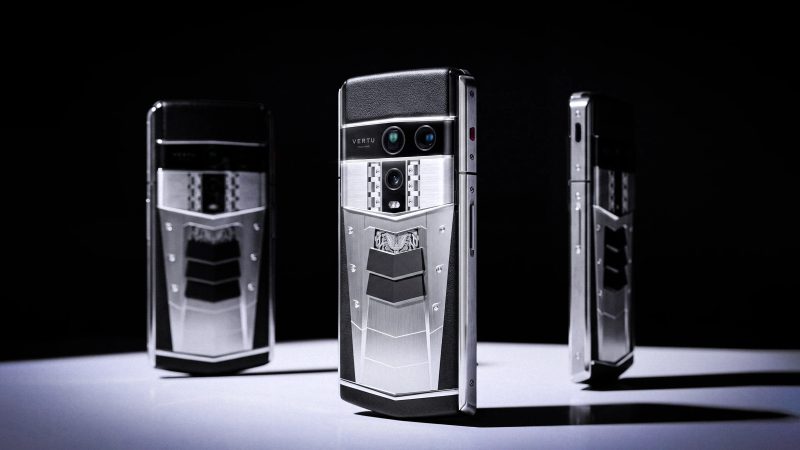
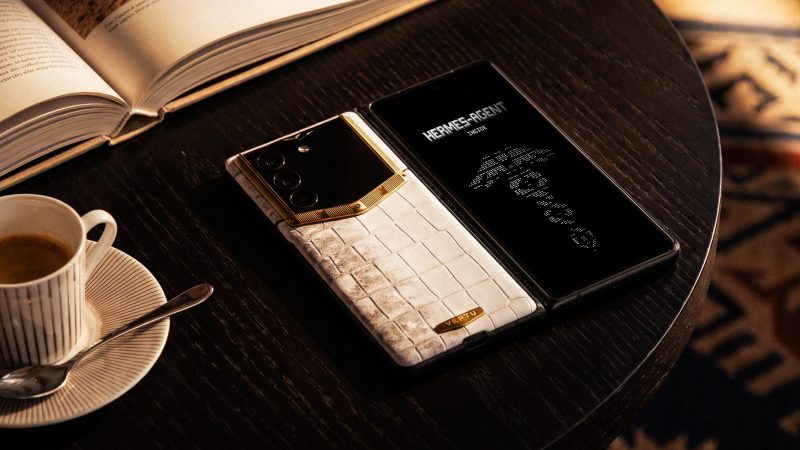
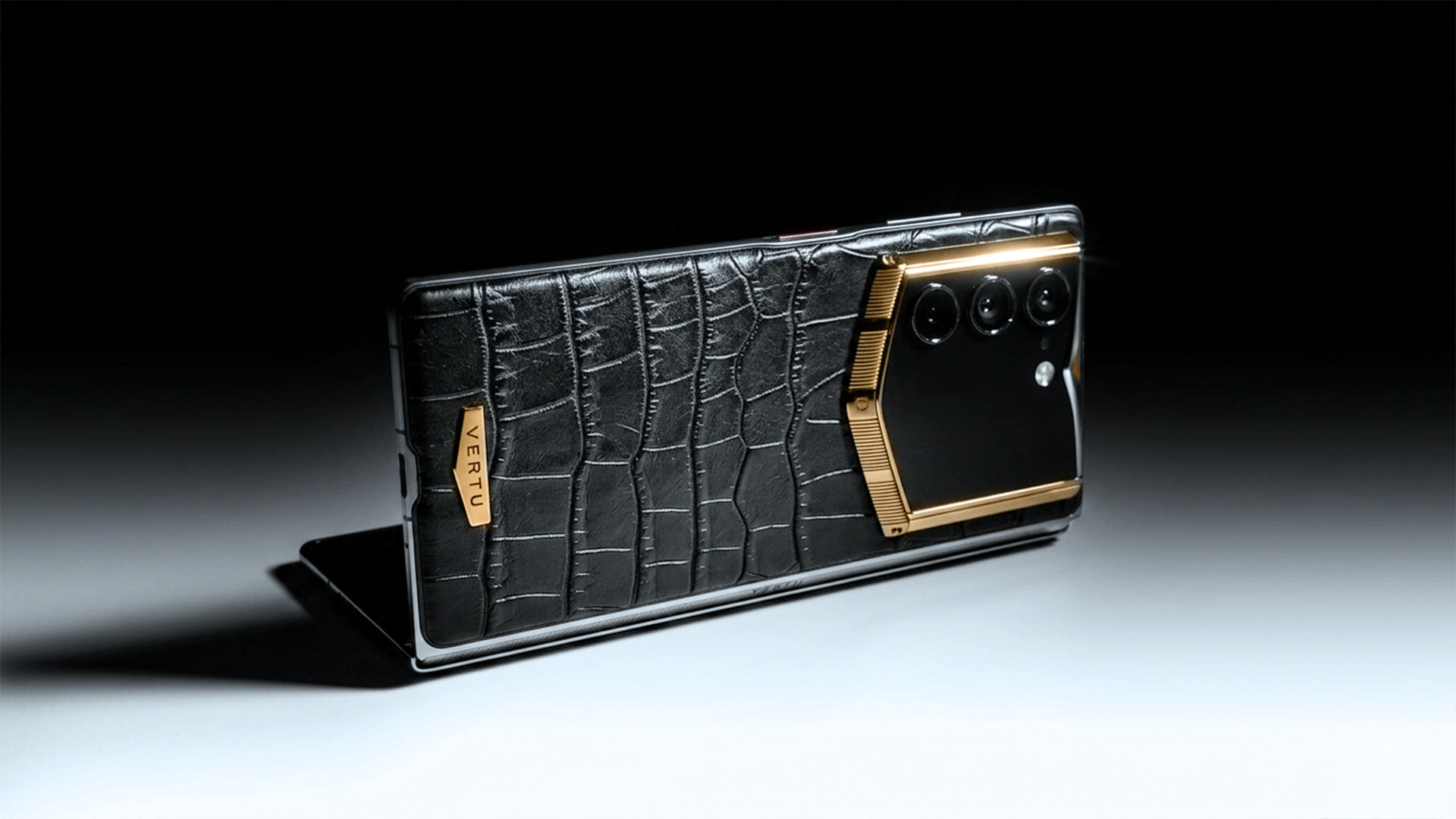
One reference point is the VERTU AlphaFold, which is often described as a "vertu folding phone" for executives and explicitly positioned around executive ownership and lists security features such as Private Space and end-to-end encryption on its product page.
If you want a broader framework for executive evaluation first (before looking at any single model), start with the guide best luxury AI foldable phone for executives.
Next steps (a practical buying sequence)
Shortlist two devices you’d actually carry daily.
Test your real workflow: approvals, calendar moves, messaging, and one document review.
Ask for the repair path in writing.
Decide whether you’re optimizing for specs—or ownership confidence.
Disclosure: This article references VERTU pages. Editorial judgment remains the priority.