

-4jmdbfmp.jpg)
You can buy an expensive Android phone by maxing out storage on a mainstream flagship.
A most expensive android phone purchase is something else. You’re paying for an ownership standard.
The mistake luxury buyers make is simple: they evaluate a luxury Android phone like a spec sheet, then wonder why the premium doesn’t feel real.
This guide is a framework for judging value at the top end, without paying extra for a story.
Key takeaways
The “most expensive android phone” is rarely one single model; it’s a category that spans mainstream flagships, luxury brands, and bespoke jewel phones.
At the ultra-luxury end, value comes from materials + craftsmanship + service + privacy posture, not megapixels.
If the brand can’t explain its security model and support process plainly, assume you’re paying for marketing.
Verify the basics before you commit: official product pages, service terms, warranty, and what’s actually included.
What “most expensive android phone” really means (three different tiers)
Most lists mash together devices that shouldn’t be compared.
Here’s the clean way to think about it:
1) Mainstream top-end Android (expensive because it’s the best computer)
These are the priciest mass-market Android phones. Today, that usually means foldables and top-tier flagships.
As How‑To Geek explained in 2025, the highest-priced mainstream phones aren’t iPhones. They’re Android models, largely because book-style foldables sit above the normal flagship price ceiling.
If you want maximum app polish, predictable updates, and an ecosystem that “just works,” this tier often delivers the best tech value.
2) Luxury Android phones (expensive because they’re rare objects with a service layer)
This is where the value shifts.
According to VERTU’s guide to the luxury vs premium smartphone difference, luxury pricing is typically driven by:
craftsmanship and tactile materials
scarcity or limited availability
white‑glove ownership experience
a more deliberate approach to privacy
3) Bespoke / jewel phones (expensive because they’re jewelry)
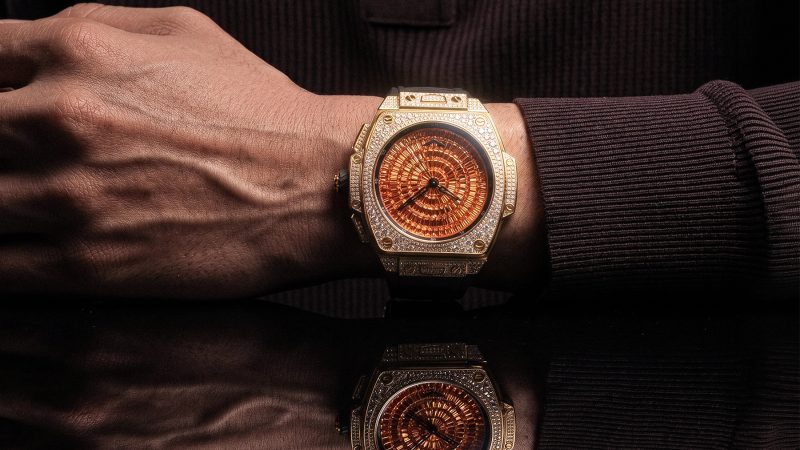
These are commissioned objects. Gold, gemstones, custom work, and a pricing logic closer to watches and art than consumer electronics.
A note of taste: this tier can be extraordinary. It can also be easy to overpay for finishing on top of a mass-market device with no meaningful aftercare.
Collector’s note: If your primary goal is performance and longevity, bespoke finishing will rarely be “value.” If your goal is a portable object of status, it can be rational, but you should treat it like jewelry with software inside.
What value should luxury buyers expect beyond specs?
If you’re spending at the top end, you should be able to point to value that survives a blunt question:
“If I remove the camera scores and benchmark charts, what am I still paying for?”
Here’s the value stack that holds up.
1) Materials that age well (not just materials that photograph well)
Luxury isn’t “shiny.” Luxury is what still looks correct after a year of travel.
Look for materials that make sense in the hand:
sapphire crystal for scratch resistance
titanium for strength-to-weight
leathers that wear like leather, not like plastic
Then ask a practical question: Can it be serviced? A rare material is only a benefit if the brand can support it.
2) Craftsmanship you can verify
“Handcrafted” is a word; proof is a process.
Ask:
Where is it assembled?
Is it built by a single artisan or an assembly line with a hand-finish step?
What is the brand willing to state publicly about construction?
If the only evidence is lifestyle photography, treat craftsmanship as unverified.
3) Privacy posture (habits + separation + recovery)
Luxury buyers often have a higher privacy risk profile. Not paranoia. Reality.
A serious security posture has layers. VERTU’s secure luxury smartphone framework puts the emphasis where it belongs: device security, identity security, communications security, and recovery.
If you want the full checklist version, see Secure Luxury Smartphone: What It Really Means.
What to expect at this price point:
a clean separation between everyday use and sensitive work
practical controls you’ll actually use (not a hidden settings maze)
a recovery plan that assumes loss, travel, and number risk
How to verify: Ask the brand to summarize its security architecture in one sentence, then ask what happens when the phone is lost overseas. If the answer is vague, the security story is marketing.
4) Support that doesn’t look like a help desk
In luxury, support is part of the product.
You’re not only buying warranty coverage. You’re buying access, discretion, and speed.
Look for:
a defined escalation path
transfer/setup help that doesn’t push you into generic queues
international handling that works across time zones
If a brand can’t describe how support works, you’re not buying a luxury ownership standard.
5) A service layer that earns its place
Concierge is either a gimmick or a tool.
It earns its place when it saves you time in high-friction situations: travel changes, rare reservations, last-minute logistics.
The right question isn’t “Do you have concierge?”
It’s: What kinds of requests are typical, and how fast do you handle them?
If you’re still clarifying what you’re buying, VERTU’s guide on the premium vs luxury smartphone distinction is a useful baseline.
A quick needs assessment (what kind of “expensive” are you buying?)
Before you look at any model, answer these:
Do you want the best Android experience, or the best ownership experience?
Are you paying for daily performance, or for rarity?
Is privacy a feature you toggle, or a habit you maintain?
Do you travel enough that service and support become part of your workflow?
Your answers tell you which tier you’re in.
Watch: Value beyond specs (1 video)
Red flags: how luxury buyers overpay
Luxury buyers don’t usually overpay because they’re careless. They overpay because the product is marketed like a fantasy.
Watch for these signals:
- No primary sourcespricing and materials only appear on reseller pages.
- Category confusiona gold-plated mainstream phone is presented as “ultra-luxury” without any service layer.
- Security buzzwords“military-grade,” “unbreakable,” “quantum” with no explanation of what it changes in daily use.
- No aftercare storythe brand can’t explain support, repair, transfer, or what happens across borders.
A restrained example: where VERTU AlphaFold fits
A buyer’s guide should stay independent, but one example helps make the criteria real.
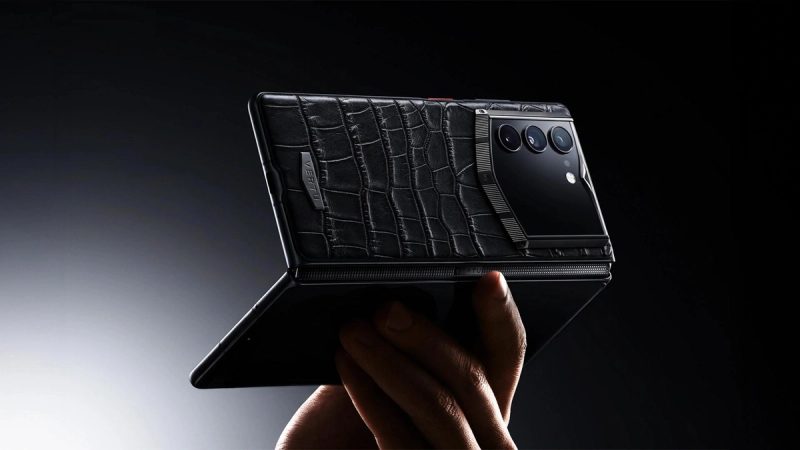
VERTU’s positioning is explicitly about the ownership standard: craftsmanship, privacy posture, and service. You can see that framing directly on the official VERTU AlphaFold page, and in VERTU’s AlphaFold pre‑order overview of Hermes Agent.
Use it as a reference point for what “luxury Android phone” claims should look like:
the brand states what the service layer is
the brand explains privacy posture in practical terms
the product is framed as a tool for travel and executive workflow, not only as a spec upgrade
If you want to evaluate other brands with the same lens, compare them against the definition of an ultra-luxury smartphone and treat any “bespoke phone” offer like a commission: confirm what’s included, what’s service, and what’s simply finishing.
If you want the broader distinction, VERTU explains it clearly in the luxury vs premium smartphone difference guide.
FAQ
Is the most expensive Android phone always the best phone?
No. “Best” depends on what you value. Mainstream flagships tend to win on cameras, updates, and app ecosystems. Ultra-luxury phones win on materials, scarcity, service, and a privacy posture designed for high-risk lives.
What should I verify before buying a luxury Android phone?
Start with the official product page, then verify what’s included: service terms, warranty, support channels, and how repairs and transfers work internationally. If a claim matters, it should be stated clearly somewhere you can reference later.
Do premium buyers actually care about specs more than brand?
They care about both. In YouGov’s 2023 survey of premium smartphone buyers, battery life and camera quality rank highly. Luxury buyers often add a different layer: craftsmanship, privacy, and service.
Is it safer to buy mainstream and add a luxury case?
Sometimes. If you want the most predictable software support and the largest accessory ecosystem, mainstream flagships are hard to beat. Just don’t confuse “expensive finishing” with a luxury ownership standard.
Next steps
Luxury vs Premium Smartphone: The Difference Is Not Just Specs
Secure Luxury Smartphone: What It Really Means
VERTU AlphaFold
Disclosure: This article references VERTU pages. Editorial judgment remains the priority.

![Top 10 Luxury Smartwatches for Business Travel [2026]](https://cdn.sanity.io/images/e0gp1l2g/production/8b5e5b21db42a1c5f040e828bd041857353a8eb2-2560x1382.webp?w=800&h=450&q=82&auto=format&fit=crop)