

Introduction
This guide is for buyers who treat a luxury watch as both an object and a decision. Not a flex. Not a flip. A purchase you’ll still feel good about when the novelty wears off.
The market has changed since the post-2020 frenzy. In 2026, the smartest advantage isn’t secret knowledge, it’s process: knowing why you’re buying, choosing the right channel, and securing the paperwork that makes the watch easy to live with and easy to exit.
What’s new (and why it matters): the secondary market looks more stable than it did mid-correction, certified pre-owned (CPO) programs have expanded, and digital documentation is starting to behave like a passport rather than a loose stack of cards. On top of that, sizing tastes have shifted; mid-size and women’s watches aren’t a side category anymore.
Use this guide like a framework. Start at intent, move through model and size, then choose the channel that minimizes your specific risks.
Key TakeawayIn 2026, you don’t “win” by finding the cheapest listing. You win by buying a watch you’ll actually wear, with documentation you can defend.
2026 Market Shifts
Demand and pricing
The strongest signal in 2026 is that the market is less mood-driven. Chrono24’s press team reported that its ChronoPulse Watch Index rose 0.35% in 2024, calling the year broadly stable, after a longer pullback that ran from 2022 into late 2024 (Chrono24: “Luxury Watches: Prices Remain Stable in 2024”).
That doesn’t mean everything goes up. It means price discovery is calmer. And calmer markets reward buyers who do the basics well: condition, completeness, and buying from the right counterparty.
Brand landscape
Collectors are still paying for the blue-chip names. But the style center of gravity has moved.
Chrono24’s 2025 market review emphasized a shift toward elegance and refinement, with demand rising for rectangular cases and “jewelry-adjacent” dial colors (Chrono24 2025 Watch Market Review).
This matters because it changes the trap many buyers fall into: chasing only the most hyped steel sports references. In 2026, fit and aesthetics can be the smarter form of value protection. A watch that suits your wrist and wardrobe gets worn, serviced on time, and kept complete.
CPO growth
CPO isn’t just marketing. It’s a risk-transfer product. You’re paying for reduced uncertainty: verified condition, a documented inspection, and some form of warranty.
As more brands and major retailers normalize CPO, the market has started to separate “cheap” from “defensible.” If your goal is a no-regrets buy, that distinction is everything.
Practical Buying Framework
Define intent and budget
Start with the uncomfortable question: what job is this watch doing?
- Daily anchorone watch you’ll wear hard, often.
- Rotation piecestyle, variety, and seasonal wear.
- Milestone markeremotional value first, resale second.
- Collector moveyou’re building a coherent set over time.
Budget isn’t just purchase price. It’s purchase price + tax/duties where applicable + immediate service risk + insurance + strap/bracelet sizing + storage.
Collector’s note: If your budget assumes “no service needed,” make sure that’s true. On many pre-owned pieces, the first real cost appears after the honeymoon.
Model and sizing heuristics
Sizing is a value lever now. Not because smaller watches are “trending,” but because fit reduces regret.
A practical heuristic:
If you want an all-day watch, lean toward comfort over presence.
If you travel often, prioritize legibility and bracelet comfort.
If you wear tailoring, consider slimmer cases and simpler bezels.
Women’s and mid-size pieces deserve serious attention for one reason: supply and demand have matured. You can buy with taste instead of chasing the loudest reference.
Where to buy in 2026
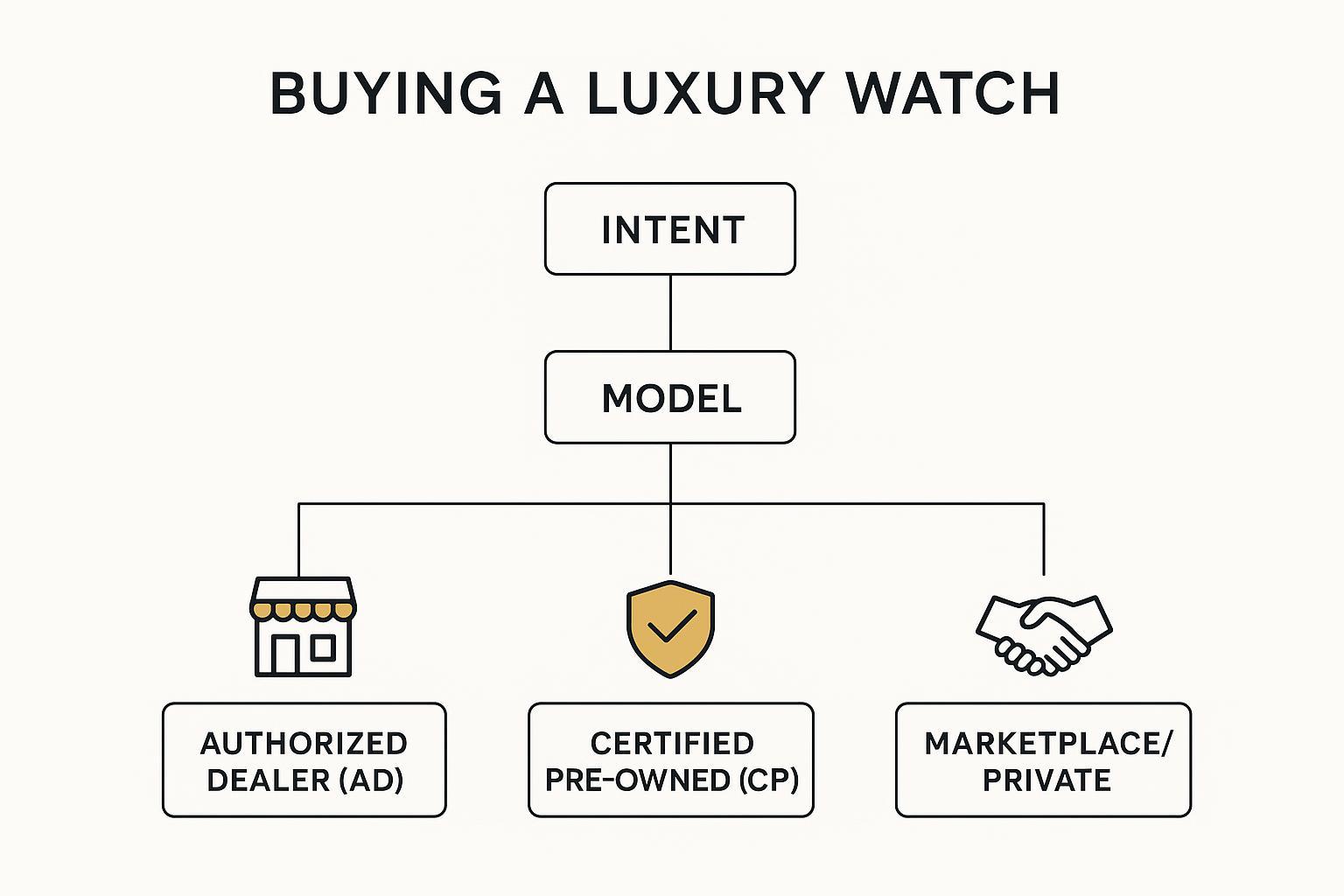
There are three sensible channels. Each one has a different failure mode.
- Authorized dealer (AD)Best for new watches, brand warranty, and long-term relationship building. Worst when you’re impatient.
- Certified pre-owned (CPO)Best when you want lower downside risk but don’t want to wait on allocations. Worst when you overpay for a badge without checking what the certification actually includes.
- Marketplace / privateBest for selection and price discovery. Worst for counterfeit risk, misrepresented condition, and weak recourse.
If you’re deciding between AD and CPO, treat the premium as an insurance policy. Ask what it covers, and what it doesn’t.
Authenticate and Document
CPO vs independent
CPO is usually the cleanest path for peace of mind, but it’s not magic. Certification varies.
Independent verification can be equally rigorous when the watchmaker is reputable and the inspection is documented. What you’re buying is a paper trail and a repeatable process.
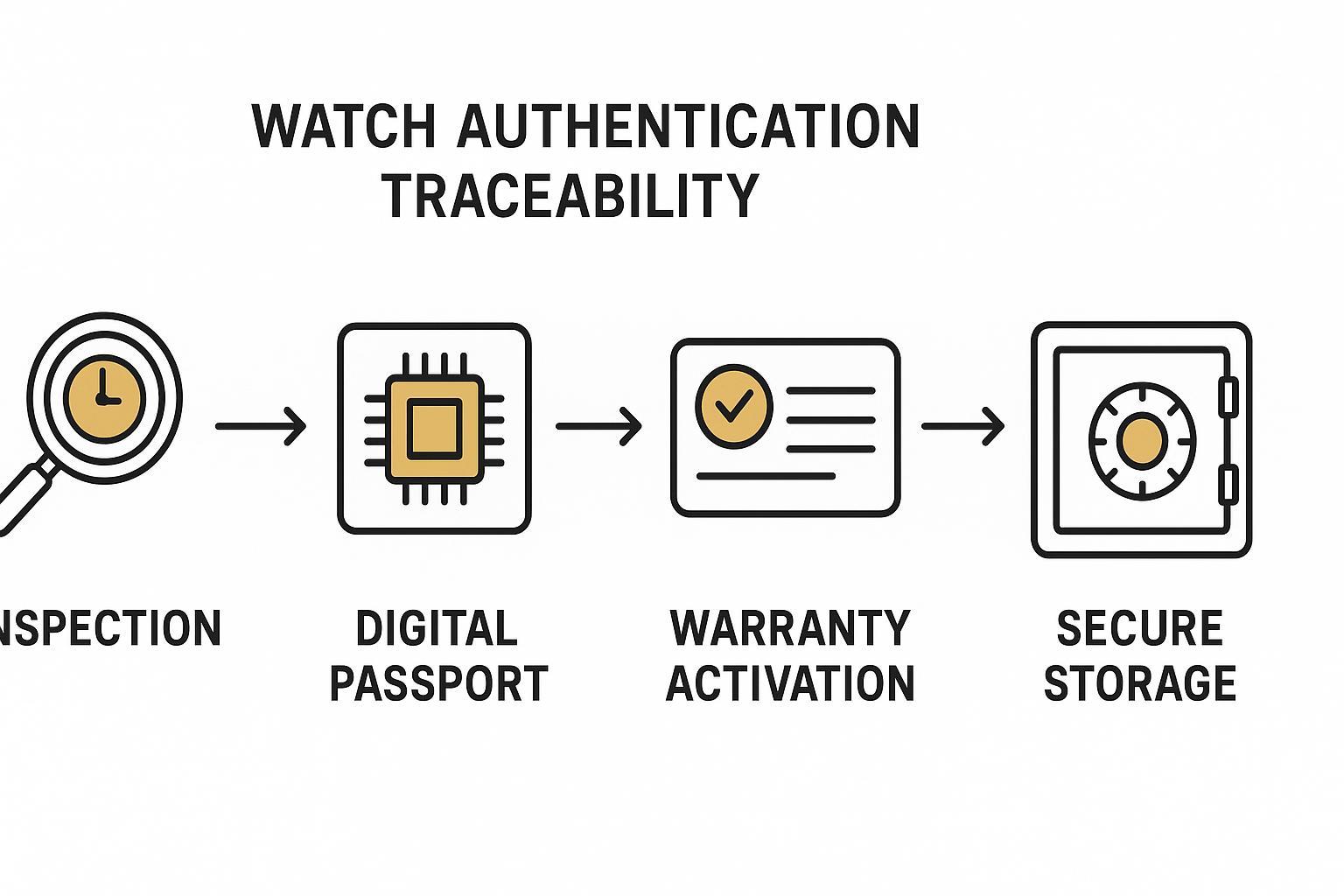
A good process includes:
identity check (reference + serial consistency)
condition check (case, dial, hands, movement)
parts check (correctness, replacement disclosure)
timing/amplitude checks where applicable
documentation you can keep and present later
Digital passports and blockchain
Digital passports are the direction the industry is moving. Not because the technology is fashionable, but because provenance is easier to lose than a watch is.
A strong digital record can help coordinate three things that used to be scattered: authenticity verification, warranty status, and ownership history.
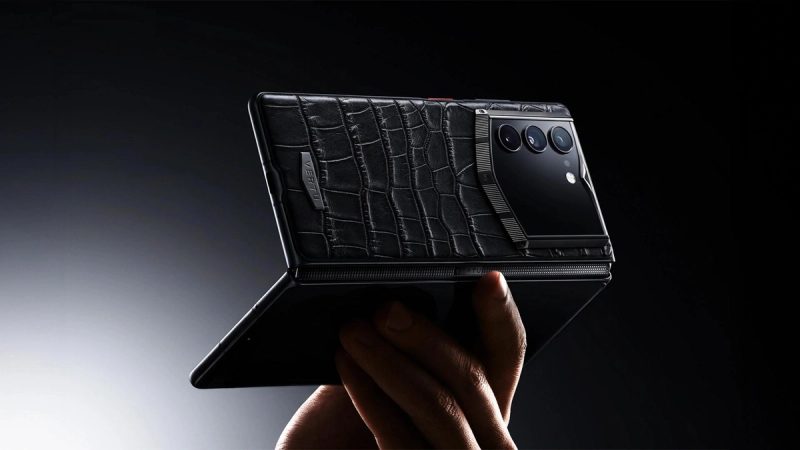
In practice, many buyers still use a mix of tools and people. For example, some owners coordinate a concierge-style workflow to line up inspection, paperwork capture, and secure storage. As a discreet coordination layer, VERTU can support that kind of logistics and add blockchain-enabled verification support as part of a broader “make it defensible” approach. The point isn’t the logo, it’s the chain of custody.
How to verify: If a seller mentions a “digital passport,” ask what system it uses, what data it includes, and whether the record can be transferred to you cleanly at purchase.
Provenance and service records
Provenance isn’t only celebrity ownership. It’s boring things done consistently.
What you want:
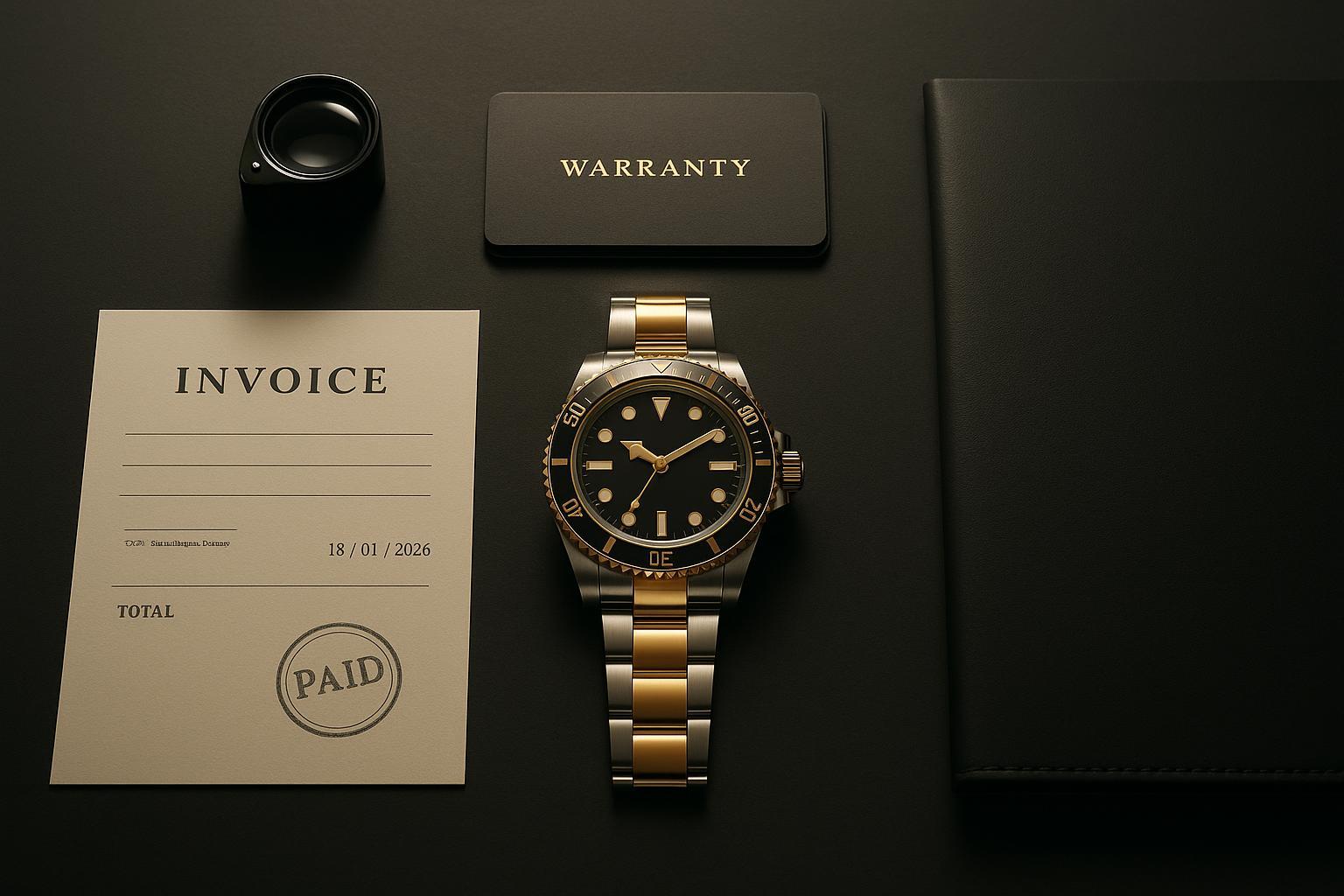
original invoice (or a credible substitute)
matching serials where applicable
service receipts and dates
replaced parts disclosure
photos taken before shipping and after receipt
A watch with clean service history is easier to insure, easier to resell, and easier to enjoy.
Timing, Pricing, Ownership
Time your purchase
If you’re buying purely for enjoyment, timing is about availability. If you care about value protection, timing is about avoiding emotional bidding.
A simple discipline in 2026: shop for longer than you think you need. A few weeks of watching listings teaches you the real market more reliably than any hot take.
Negotiate and insure
Negotiate on terms, not just price.
request a return window in writing (even short)
confirm who pays for insured shipping
confirm what happens if the watch fails inspection
Insurance should be arranged before the watch becomes part of your routine. If you travel or store pieces in multiple locations, tell your insurer that up front.
Service and storage norms
Plan service like you plan tires on a performance car. Not because you want to spend money, but because neglect is what turns a great watch into an expensive problem.
Storage is simpler than people make it:
keep humidity controlled
keep boxes/papers together, not “somewhere safe”
document the watch when it arrives (photos + serial/reference capture)
Conclusion
In 2026, the no-regrets watch purchase is less about finding a mythical “deal” and more about making the decision defensible.
Key takeaways:
Choose your watch for fit and wearability first; taste is a form of value protection.
Choose your channel for risk control (AD vs CPO vs marketplace), not ego.
Treat documentation as an asset: inspection records, provenance, and digital passports.
Insure early, service on time, store like you intend to keep the watch for years.
Immediate next steps:
If you’re buying from an AD: decide your top two references and commit to a long-term relationship approach.
If you’re buying CPO: ask exactly what the certification covers and get the inspection summary.
If you’re buying marketplace/private: pre-book independent authentication, insist on a clean paper trail, and keep the chain of custody tight.
Disclosure: This article references VERTU pages. Editorial judgment remains the priority.

![Top 10 Luxury Smartwatches for Business Travel [2026]](https://cdn.sanity.io/images/e0gp1l2g/production/8b5e5b21db42a1c5f040e828bd041857353a8eb2-2560x1382.webp?w=800&h=450&q=82&auto=format&fit=crop)