Key Takeaways
- A tonneau watch is defined by its shaped outline: an elongated case with curved sides and a fuller centre, rather than a simple circle or square.
- Its design language depends on the balance between the long central axis, the curved flanks and the way the dial sits inside the outer form.
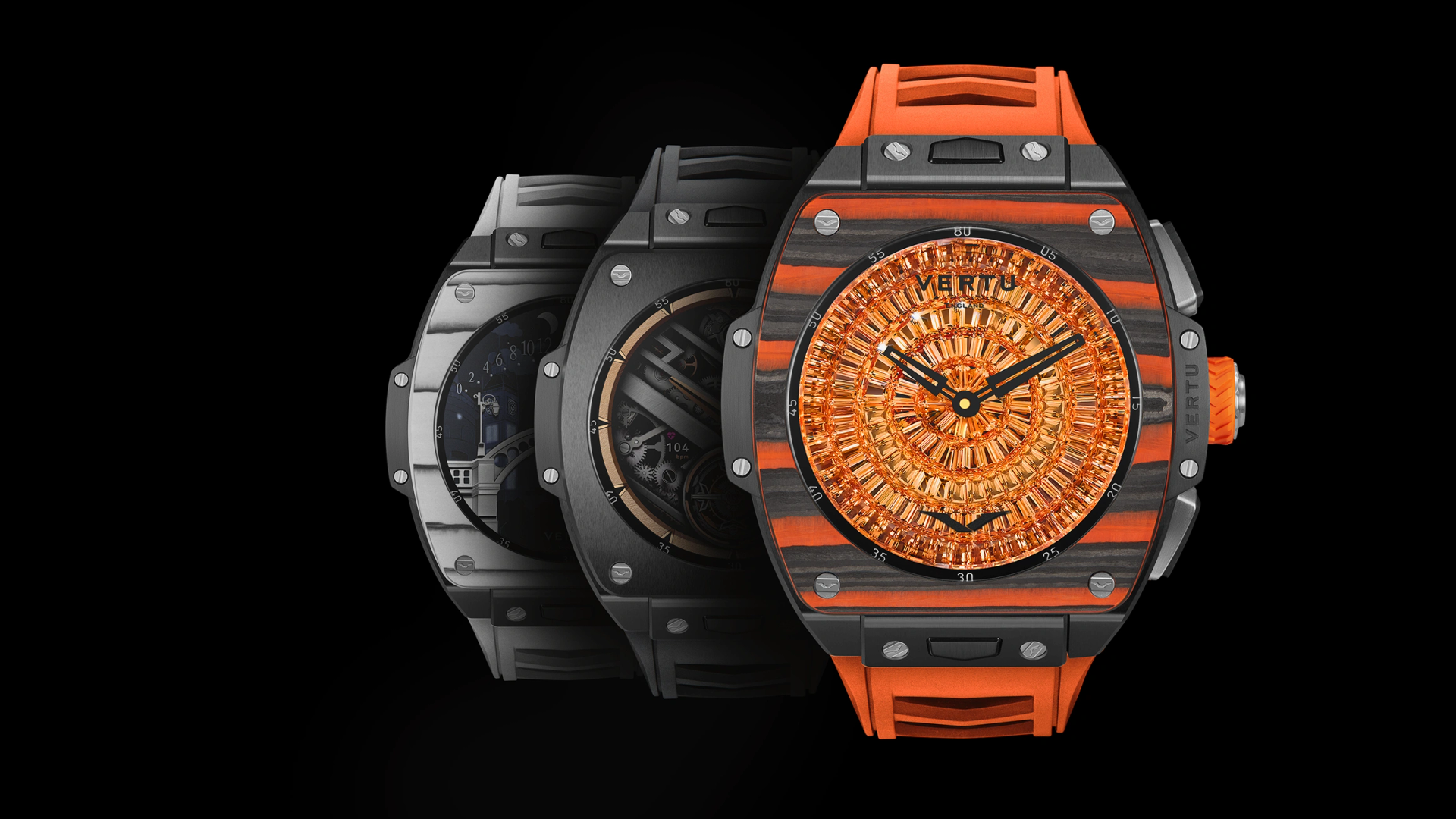
- VERTU describes Grand Watch as a tonneau-shaped design with gently concave sides. The distinctive silhouette is a verified design feature; claims about fit or comfort should be assessed on the wrist.
- For Black Friday, compare shape and proportion before campaign presentation. Do not assume that every Grand Watch edition has the same offer or regional availability.
A tonneau watch gives the wrist a different outline from the familiar circle or rounded square. Its elongated centre and curved sides create a shaped silhouette that is immediately visible, even before the dial is read. During Black Friday, when product pages and seasonal promotions can make many smartwatches appear interchangeable, the case geometry offers a more useful design question: does the form express a clear point of view?
VERTU Grand Watch provides a contemporary example. VERTU describes its silhouette as tonneau, with gently concave sides, and presents the shape as part of the watch’s identity. This guide looks at that geometry and its visual consequences without turning the discussion into a catalogue of technical functions. The aim is to help readers assess design language on its own terms before comparing the current VERTU Black Friday selection.
What does “tonneau” mean in watch design?
In watch design, tonneau describes a shaped case that is longer than it is wide, with curved sides and a fuller central profile. The name is commonly associated with a barrel-like outline, but the useful visual distinction is the relationship between the long axis and the softened edges. It is not simply a rectangular watch with rounded corners: the sides and ends work together to create one continuous shape.
That continuity changes how a watch reads on the wrist. A circle distributes attention around a central point. A square establishes a strong frame. A tonneau guides the eye along the length of the case, then returns it through the curved sides. The shape can feel more architectural because it has both a direction and a contour. These are design observations rather than rules about which shape is more elegant.
The term covers a family of proportions, not one exact template. Some tonneau cases look compact and softly rounded; others have a stronger central span or more pronounced curves. Case outline, dial border, strap connection and the amount of visible space around the display all contribute to the final impression. Looking at the silhouette as a whole is more revealing than judging the name alone.
Why the shape stands apart from round and rounded-square designs
Round and rounded-square cases are familiar ways to contain a smartwatch display. The circle draws on traditional watch proportions; the rounded square gives the screen a broad, direct frame. Both can be successful. The design problem appears when a category repeats the same outline so often that the case becomes background and only the interface supplies a sense of difference.
A tonneau silhouette reintroduces the outer contour as part of the design. The longer axis makes the watch feel deliberately shaped rather than like a small screen placed on a strap. The curves keep that axis from reading as a rigid rectangle. In a considered design, this tension between direction and softness can make the case recognisable without relying on a logo or a complicated dial.
[EDITORIAL HYPOTHESIS — HUMAN REVIEW REQUIRED] When connected watches converge on a repeated rounded-square outline, that familiarity can flatten distinctions between designs. A tonneau case challenges the template by changing the geometry before the screen is activated. This is a visual interpretation, not a claim about market share or consumer preference.
Three geometric decisions shape the tonneau character
1. The long axis
The central axis gives the case its direction. A pronounced length can make the watch look more formal or sculptural; a squatter proportion can feel more compact. The relationship between case length and width matters more than either measurement in isolation. When comparing product images, look for how the centre occupies the wrist and whether the outline feels balanced from different viewing angles.
2. The curve of the sides
Curved flanks soften the case and keep its longer profile from becoming a simple bar. VERTU describes Grand Watch’s sides as gently concave. That detail is useful to note because it specifies the contour rather than relying only on the word tonneau. It does not, by itself, establish how the watch will fit a particular wrist; case dimensions and an in-person try-on are still relevant.
3. The relationship between case and dial
The dial can follow the outer shape, sit inside a contrasting frame or create a second visual centre. These choices determine whether the case and display read as one composition or as separate layers. On a digital watch, the dial interface adds another design surface. A restrained face can let the silhouette carry the attention; a more animated face can shift emphasis towards the screen. The strongest arrangement makes those layers feel intentional rather than crowded.
Grand Watch as a modern tonneau design
The official VERTU Grand Watch collection identifies the tonneau case as a defining feature. Its product pages call out the shaped silhouette as a deliberate design element. This gives the geometry a clear role in the product story: the watch is presented as a shaped timepiece, not as a generic screen whose outline happens to be curved.
That distinction is especially relevant to a smartwatch design roundup. Digital interfaces are changeable; the case remains visible when the screen is dark. A reader can therefore ask two separate questions: does the dial language suit the way they want information presented, and does the outer shape have a character they would choose to wear? Answering both is more useful than treating screen animation as the whole design.
Explore the Grand Watch Black Ceramic product page from multiple views to examine how the tonneau outline frames the face. Product photography is helpful for understanding the design, but it cannot settle wrist fit or personal preference. If possible, assess the watch on the wrist and notice how the outline relates to the wearer’s proportions and usual clothing.
How to judge the design during Black Friday
Black Friday pages are designed to make products easy to scan, which can foreground promotional labels and product imagery. For a tonneau watch, slow the comparison down. Look at the side profile as well as the front; compare the case outline with the visible dial area; and check whether the strap connection continues the case’s direction or interrupts it. These details help explain why the watch has a distinct visual identity.
Next, separate the shape from the edition. A collection can contain multiple dial styles and editions, while the general case design remains the shared reference point. Confirm that the specific product page shows the edition under consideration. The Black Friday landing page lists current campaign information, but appearance in the broader Grand Watch collection does not establish that each edition has an identical offer or availability in every region.
Finally, test the design against the wearer’s routine. A highly shaped watch may become the focal point of an outfit; a more restrained dial can balance that presence. Someone who prefers a conventional round outline may not want a tonneau case simply because it is distinctive. Design value comes from a form that feels deliberate to its wearer, not from novelty alone.
Frequently asked questions
Is a tonneau watch just a rectangular watch with rounded corners?
No. A tonneau case is defined by its elongated outline and curved sides, with a fuller central profile. Rounded corners alone do not create the same continuous shaped silhouette.
What makes VERTU Grand Watch a tonneau watch?
VERTU identifies Grand Watch’s case as tonneau-shaped and describes its sides as gently concave. The collection and product pages present that outline as a defining design feature.
Does the tonneau shape guarantee a more comfortable fit?
No. Shape alone cannot establish comfort for every wrist. Case dimensions, strap adjustment and the wearer’s preference all matter, so assess the specific watch in person where possible.
Should Black Friday shoppers choose a watch because it has a distinctive shape?
Only if the shape suits the wearer. Compare the case outline, dial composition and everyday style, then check the current regional product and campaign information. A seasonal label cannot determine personal design fit.
Conclusion
The tonneau watch stands apart through geometry: a longer central axis, curved sides and a dial framed as part of a shaped case. VERTU Grand Watch makes that outline central to its design language. For Black Friday, compare the form itself before letting campaign presentation decide the shortlist. The right choice is the silhouette the wearer will enjoy seeing on the wrist after the seasonal promotion has passed.