If you’re the kind of person who signs high-stakes documents from airport lounges, keeps more than one passport in play, and has a calendar managed by other people, your phone isn’t “just a phone.” It’s identity, access, memory—and a liability if it’s treated casually.
A secure luxury phone isn’t defined by a price tag or a buzzword. It’s defined by how well it holds up under pressure: theft, social engineering, number takeovers, and the quiet, expensive mess of account recovery.
What a secure luxury smartphone is (and what it isn’t)
A secure luxury smartphone is a premium device—and an ownership experience—built around layered protection:
- Device securityencryption, hardware-backed keys, strong unlock.
- Identity securityhardened accounts and authentication, especially for high-value services.
- Communications securitychannels that reduce interception risk.
- Recovery securitythe ability to lose the phone without losing your life.
It is not the same thing as:
An “encrypted phone” marketed as a magic shield. Encryption helps, but it doesn’t fix weak account recovery.
A “luxury phone” with premium materials but no serious approach to updates and identity risk.
A “privacy phone” that forces you into awkward trade-offs you won’t actually maintain.
Key TakeawayThe most secure phone is the one whose security habits you’ll keep—and whose recovery plan doesn’t collapse when you travel.
Why executives and UHNW owners face a different threat model
Most phone advice assumes a normal consumer: one carrier, one number, one home base.
If you’re high-profile—or simply high-value—the attacks shift:
1) Your phone number becomes a master key
When an attacker can take over your number, they can often reset other accounts that still rely on SMS codes. That’s why any “executive phone security” conversation has to include number and recovery hardening—not just device specs.
2) Social engineering beats brute force
It’s rarely a Hollywood hack. It’s a convincing message, a fake invoice, a “can you approve this quickly” voice note—often timed when you’re in transit.
3) Travel creates predictable weak moments
Airport Wi‑Fi. Hotel charging ports. Border crossings. Handing a device to staff. Even simply being tired.
Security, for this audience, is less about paranoia and more about reducing fragile moments.
The four layers that matter more than any single feature
If you want a usable definition of “secure smartphone” in 2026, start here: can you maintain these four layers consistently?
Layer 1: Hardware-backed protection and encryption
On modern platforms, security begins with hardware that protects keys and makes encryption practical at scale.
Apple documents encryption and data protection as a core part of its platform security model in Apple’s encryption and data protection overview.
Apple also describes the role of a dedicated coprocessor for sensitive operations in Apple’s Secure Enclave security model.
This isn’t about brand loyalty. It’s about verifying that your phone’s security story has a real foundation.
Layer 2: Update cadence and long-term support
Security isn’t what the phone was when it launched. It’s what it is after months of living in the real world.
For Android, you can see the ecosystem’s ongoing patch flow through Android security bulletins and patch cadence. At an executive level, the point is simple: you want a device that stays current.
Layer 3: Identity hardening (the part most buyers ignore)
A secure luxury smartphone must make it easier—not harder—to keep identity controls strict.
What to look for:
Phishing-resistant authentication options for critical accounts.
A clean separation between “everyday” apps and sensitive apps.
A realistic plan for assistants and PAs: what can they access, what can’t they.
If you’re building a policy for a team—or simply want a more disciplined approach—NIST provides a useful enterprise baseline in NIST SP 800-124r2 mobile device security guidelines (2023).
Layer 4: Communications and recovery
Even a perfectly configured device can be compromised by weak communications habits—and a chaotic recovery process.
A practical test:
If your phone disappears tonight, can you lock it, replace it, and regain access to your life without improvising at 3 a.m.?
Luxury buyers often pay for materials. High-trust buyers pay for control.
Smartphone privacy features worth paying for (and how to verify them)
Here’s a concierge-style filter. Not exhaustive—just the features that survive real life.
1) A security model you can explain in one sentence
If the salesperson can’t summarize the security architecture without buzzwords, assume it’s marketing.
For Android, start with the platform’s own framing in Android security overview documentation.
2) Strong unlock, used consistently
Biometrics are convenience. Your passcode is the lock.
A secure luxury smartphone should make it painless to keep a long passcode—and to re-authenticate at sensible intervals.
3) Separation between sensitive and everyday use
In practice, this looks like:
separate profiles/spaces,
restricted app installs,
tighter permissions for microphone, camera, and contacts,
and the discipline to keep “quiet” apps off the device that holds your most sensitive work.
Pro TipIf you travel constantly, consider running two identities—one “public-facing,” one “confidential”—instead of trying to make a single phone do everything.
4) A recovery plan that assumes number risk
If you still rely on SMS codes for critical accounts, your “secure phone” is living on borrowed time.
Your goal is to reduce dependence on your phone number as a recovery channel—and to make number takeovers harder to exploit.
5) Credible ownership support
Security is also service: device setup, transfer, incident response, and the ability to get help without exposing your life to a generic support queue.
This is where luxury and security start to overlap in a way that’s rational.
Where Quantum Flip fits in the secure luxury smartphone category
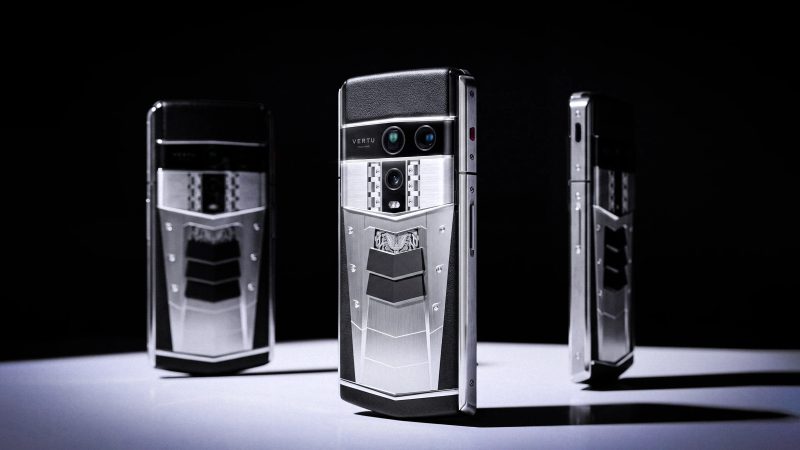
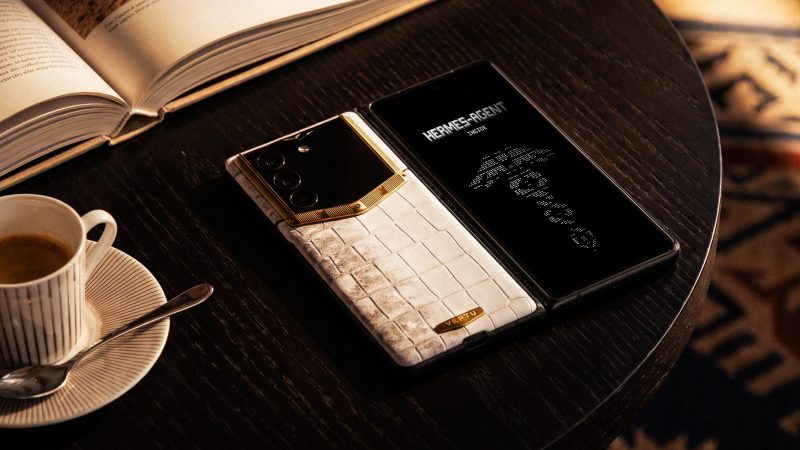
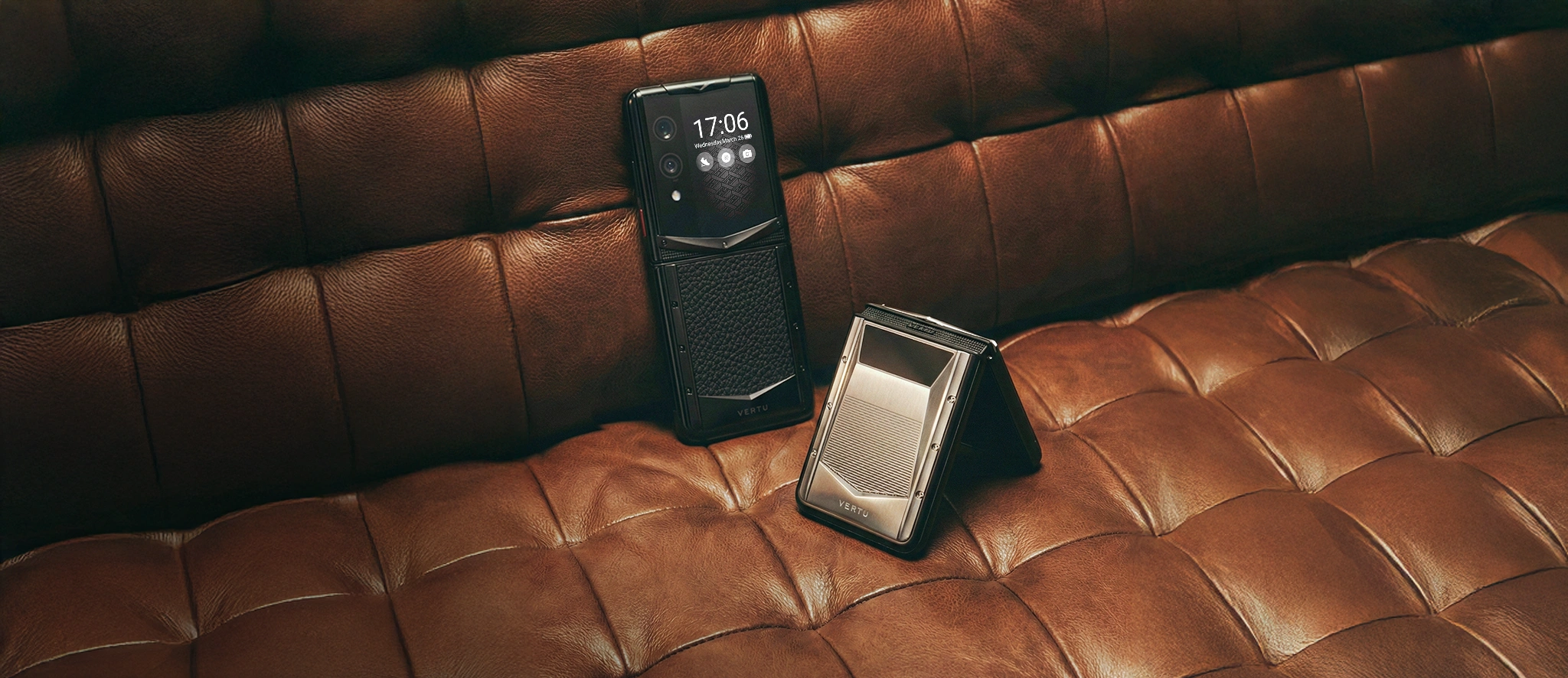
If you’re exploring luxury devices that position privacy and protection as part of the ownership story, the VERTU Quantum Flip category is explicitly framed around quantum encryption and a premium design approach.
A supporting VERTU overview also discusses its security positioning in more detail, including references to the BB84 protocol and a three-finger biometric mechanism in VERTU’s quantum-encrypted foldable phone overview.
This is an awareness-stage decision, so the correct move is not to “pick a winner” in an article like this. The correct move is to use the framework above, then evaluate which device—and which ownership model—matches your risk level and travel cadence.
Key takeaways
A secure luxury smartphone is layered security + recoverability, not a single feature.
High-profile owners face different risks: number takeovers, social engineering, and travel exposure.
Hardware-backed encryption and security architecture matter, but so does update cadence.
The most overlooked control is identity hardening—especially reducing reliance on SMS codes.
Luxury becomes meaningful when it buys you control: setup discipline, support, and predictable recovery.
FAQ
Is an “encrypted phone” the same as a secure luxury smartphone?
Not necessarily. Encryption is foundational, but “secure” also includes updates, identity controls, communications habits, and a recovery plan.
What’s the single biggest mistake executives make with phone security?
Treating the device as the whole system. In many real incidents, the failure is identity recovery: weak factors, weak number security, rushed approvals while traveling.
Do I need a second phone?
Sometimes. If your risk level is high (public profile, sensitive deals, frequent travel), a second identity—or a second device—can reduce the blast radius dramatically.
Next steps
If you want to pressure-test your current setup, take the four-layer model above and do a calm audit in one sitting. If any layer depends on “I’ll remember to be careful,” it’s not a layer.
Disclosure: This article references VERTU pages. Editorial judgment remains the priority.