Introduction
If you’re considering an Exclusive World Cup 2026 mobile phone, you’re not shopping for a louder logo. You’re evaluating design integrity, travel reliability, and ownership support that holds up when your calendar becomes three countries and multiple cities.
This is the real promise behind a luxury World Cup 2026 phone: it should be beautiful, yes, but also dependable when you’re moving fast.
FIFA is staging the tournament across 16 host cities in Canada, Mexico, and the United States (see FIFA’s World Cup 26 host cities). That footprint makes “travel readiness” more than a nice-to-have.
What you’ll learn:
The design cues that separate true exclusivity from themed decoration
Hardware baselines worth insisting on (and which specs don’t matter as much)
A practical, repeatable approach to limited edition smartphone authenticity
What ownership services and security measures matter when replacement is not casual
Use this guide before you buy, during travel, and later if you ever resell.
Defining exclusivity in 2026
Official licensing and authenticity signals
“Official” is easy to print and hard to prove. Treat licensing as documentation, not styling.
A credible edition should come with:
A clear statement of what is licensed (event marks, tournament branding, or none)
Packaging and paperwork that match the device identifiers
A purchase trail back to an authorized channel
How to verify: Ask the seller to point to the specific document that describes what is licensed. If they can’t, assume the theme is unofficial.
Scarcity mechanics and visible numbering
Scarcity is credible when it’s auditable.
Look for:
Visible numbering (engraving, plaque, or discreet mark)
A unique identifier that also appears on the COA
A recorded chain of custody (receipt, authorized invoice, or verifiable transfer)
Numbering isn’t about showing off. It’s about removing doubt later.
Event-layered themes and accessories
The best editions feel like a complete set rather than a single decorative handset:
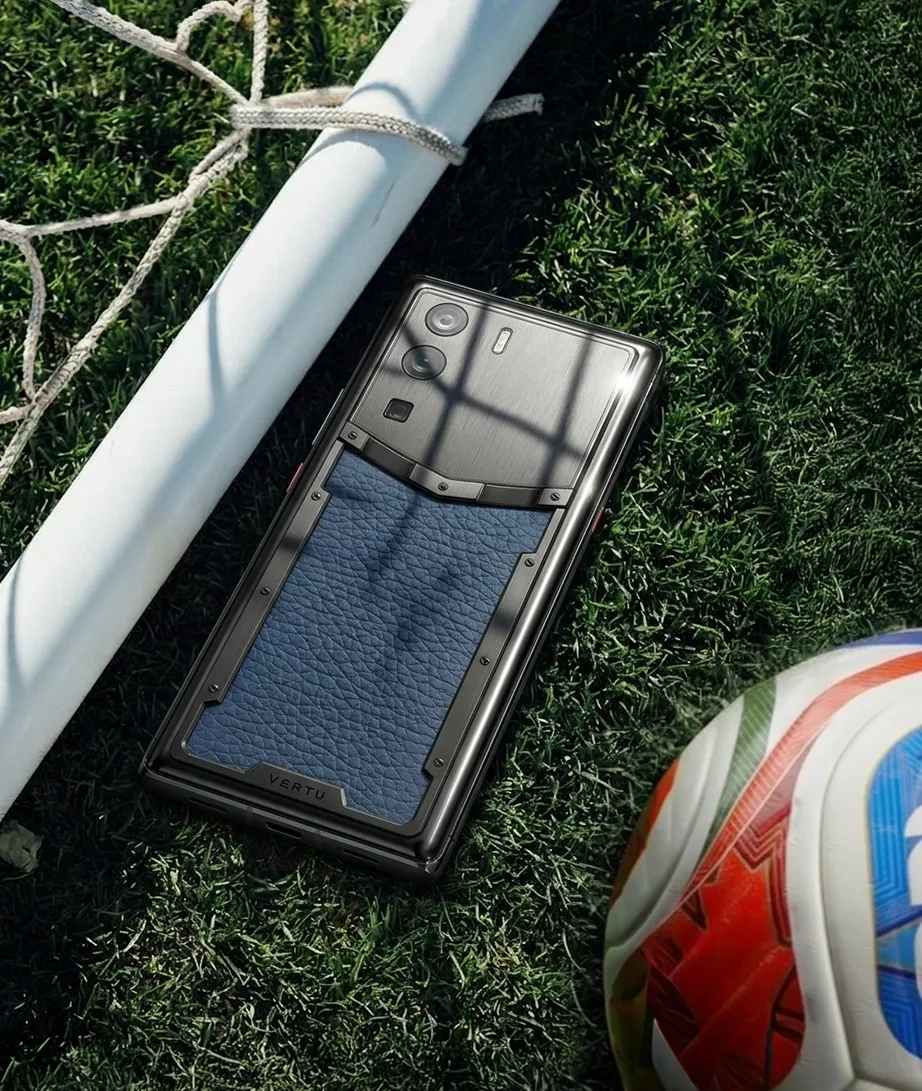
A case that matches the material story (leather, ceramic, metal)
Documentation you’ll keep (not a generic insert)
Motifs that reward attention, not distance
Design language, 2026
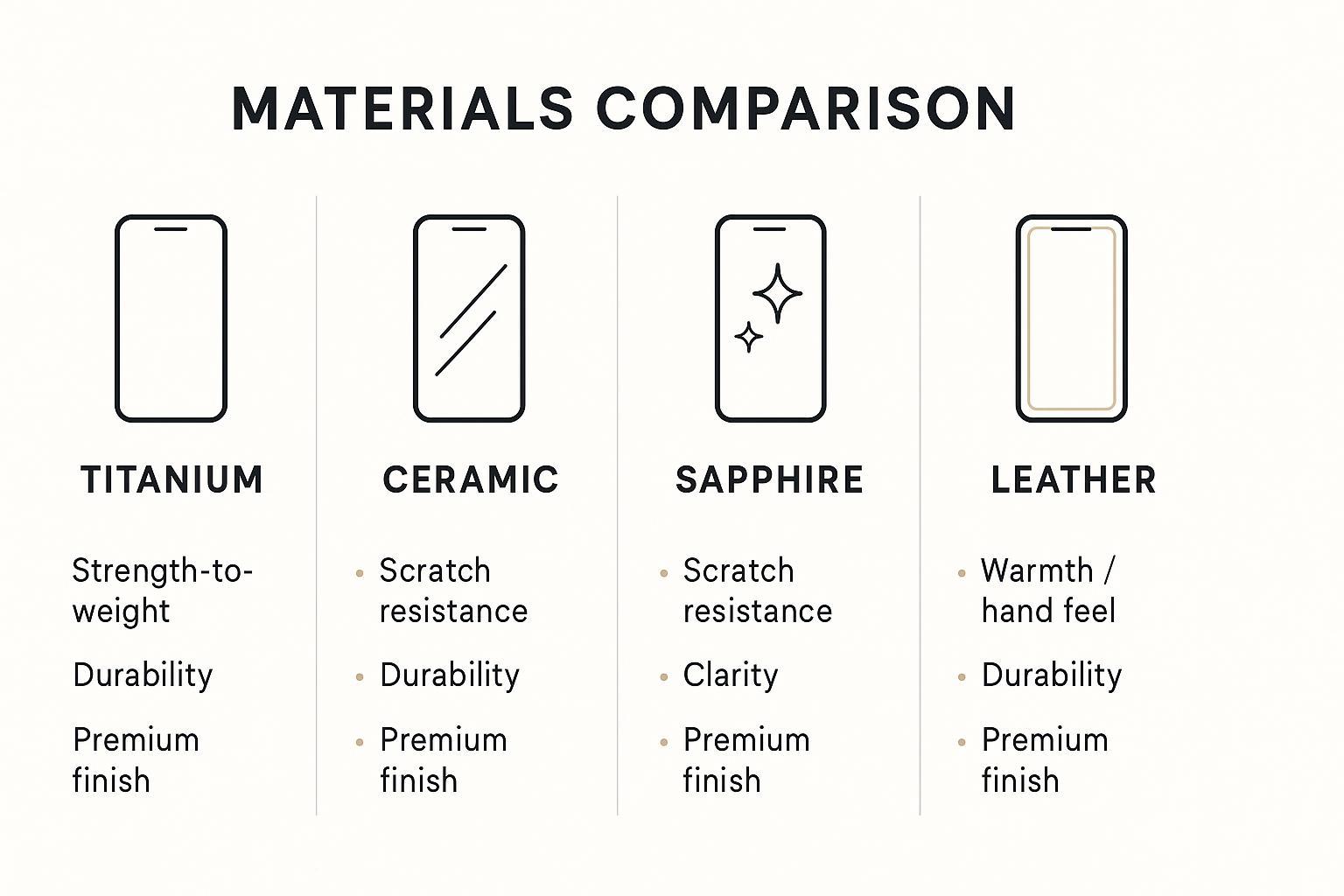
Materials: titanium, ceramic, sapphire, leather
Materials are one of the few luxury signals that are both aesthetic and practical. They shape weight, grip, scratch resistance, and how the device ages.
If you’re comparing a titanium ceramic sapphire leather smartphone across brands, don’t just ask “which is most premium?” Ask what will still look right after months of travel.
Titanium signals strength without bulk, useful for travel and daily handling.
Ceramic feels calm and modern, and often resists surface wear well.
Sapphire (commonly as crystal/glass) bridges watch culture and phone durability with strong scratch resistance.
Leather adds warmth and grip; it also makes the device feel less like an anonymous slab.
If you want a quick brand-side primer on why these choices feel different in the hand, see VERTU’s guide to luxury smartphone materials.
Palette, motifs, discreet branding
Luxury in 2026 is often quiet.
Academic work on “inconspicuous luxury” describes brands that use low visual prominence and discreet signals, rather than overt displays of status (see Frontiers in Psychology’s 2022 study on inconspicuous luxury branding). In phone design, that tends to show up as:
Deep neutrals (warm black, charcoal, ink)
Motifs you notice up close (micro-engraving, stitching geometry, texture)
Branding that’s present but not dominant
Bespoke commissions vs themed editions
A themed edition is a finished point of view. Bespoke is a conversation.
Choose a themed edition when you want recognizable design language, standardized documentation, and easier resale.
Choose a bespoke commission when you want private symbolism (initials, family motifs) or non-standard finishing.
Bespoke can be more discreet. A limited edition is often easier to authenticate.
Hardware you shouldn’t compromise
An Exclusive World Cup 2026 mobile phone can be art, but it still has to work.
Display, durability, ergonomics
Luxury materials should not excuse fragile fundamentals.
Prioritize:
A display that stays readable outdoors
Real durability (water resistance, dust protection, torsion resistance)
Ergonomics that work one-handed: edges, balance, and grip
If it’s too delicate to live in your pocket during travel, it’s not a travel phone.
Cameras: 1-inch class and periscope
For event travel, cameras matter because you’ll shoot in hard lighting: stadiums, night streets, hotel lobbies.
Two cues worth paying attention to:
1-inch class (or similarly large) main sensors for low-light capability
Periscope telephoto for distance shots that don’t collapse into noisy digital zoom
Power, mmWave 5G, eSIM, Wi‑Fi 7, UWB
This is where “exclusive” becomes operational.
- Powerchoose for long days of navigation, messaging, and camera use. Fast charging is a practical advantage.
- mmWave 5Gin the U.S., it can be extremely fast in specific urban zones, but coverage is uneven. Treat it as an upside, not the foundation.
- eSIMthe single best travel feature for most buyers. It reduces friction when you switch regions or add temporary lines.
- Wi‑Fi 7increasingly useful in modern hotels and offices for stable conferencing and fast uploads.
- UWBenables precise nearby interactions (often valuable with certain security and tracking accessories).
Where this becomes meaningfully different for frequent travelers is when connectivity is paired with human support. A concierge layer can turn “I have service” into “my day still works” when plans shift across time zones. This is where VERTU can fit naturally in a concierge smartphone travel readiness setup: not as a spec claim, but as an ownership model designed around continuity.
Ownership, services, security
Concierge, white‑glove, travel support
In this category, support is part of the product.
Look for an ownership model that can credibly handle:
Travel interruptions (remote help, transfer support, replacement pathways)
After-hours response across time zones
Discreet handling that minimizes repetition and exposure
Warranty, insurance, repair SLAs
Exclusive editions can take longer to repair because parts and finishing are specialized.
Ask for written clarity on:
Warranty scope (materials vs electronics)
Insurance options that match travel and theft risk
Repair SLAs and what happens when parts are constrained
On‑device security and theft protection
For many buyers, the true loss is exposure, not replacement cost.
Prioritize:
Strong access controls (biometrics + secure fallback)
Secure backup and transfer workflows
Theft response: rapid lock, wipe, and account recovery
Buying framework and authenticity
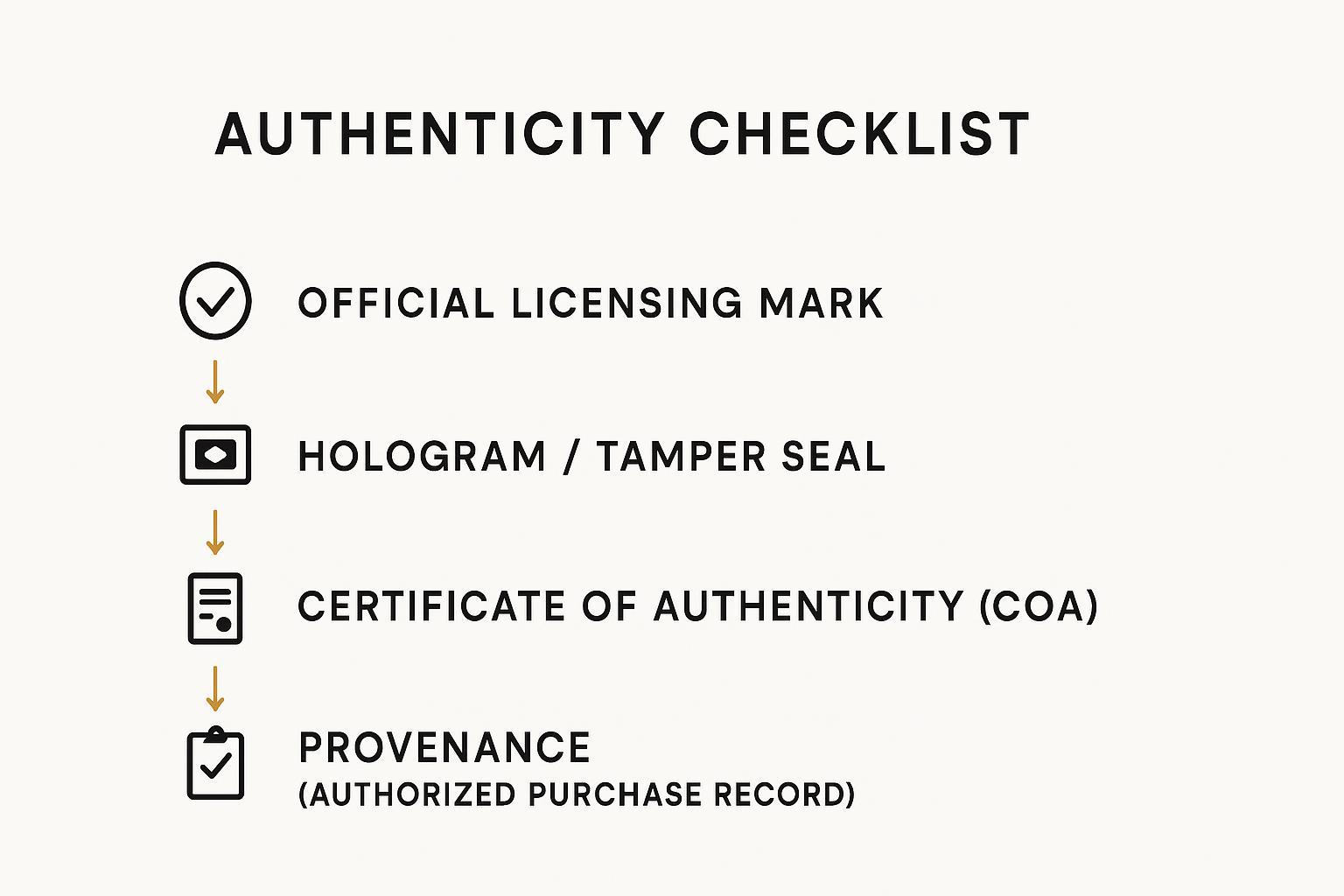
Step-by-step verification workflow
Use this workflow for new, pre-owned, or private-sale purchases:
Confirm what’s actually official (and where it’s documented).
Inspect identifiers (edition number, serial, tamper seals).
Match paperwork to hardware (COA details must match identifiers).
Validate the seller (authorized status, or proof of original authorized purchase).
Record provenance (keep receipts, service records, ownership transfer notes together).
Limited editions vs bespoke: how to choose
Choose limited edition if you want:
Cleaner resale logic
Standardized documentation
A design language collectors recognize
Choose bespoke if you want:
Personal symbolism and privacy
Non-standard materials/finishing
Maximum discretion
Key Takeaway: If authenticity anxiety is the biggest concern, limited editions usually win. If privacy is the biggest concern, bespoke often wins.
Resale value, COA, provenance
Resale is mostly paperwork.
Value erodes fast if:
the COA is missing or generic
identifiers can’t be matched to documentation
service history is unclear
Treat documentation like you treat a watch box and papers: protect it and keep it complete.
Conclusion
Key takeaways for choosing an Exclusive World Cup 2026 mobile phone without compromise
Buy the story you can verify, not the theme you can only admire.
Prioritize materials that age well and feel right in hand: titanium/ceramic for structure, sapphire for scratch resistance, leather for grip and craft.
Don’t accept “exclusive” if the basics fail your travel reality: eSIM, strong radios, and durability matter more than a commemorative box.
Treat ownership as part of the decision: warranty terms, repair SLAs, and theft response define whether the phone is livable.
Recommended next steps and optimal timing around World Cup 2026
Shortlist two or three candidates, then verify documentation early enough to fix issues before departure. If you’ll be moving between host cities, test your eSIM setup and your day-to-day workflow well ahead of travel.
For a practical durability lens you can apply to any short list, see VERTU’s 2025 durability-focused luxury smartphone roundup.
Disclosure: This article references VERTU pages. Editorial judgment remains the priority.
![Top 10 Tourbillon Watches for Men [2026 Latest]](https://cdn.sanity.io/images/e0gp1l2g/production/8cb6bc45133cf9453382fc7d074465af588bb610-1800x1080.webp?w=800&h=450&q=82&auto=format&fit=crop)