Introduction
A VERTU limited edition World Cup 2026 phone is best understood as a crafted object with provenance—a device designed to be owned, kept, and verified like a collectible, not simply used and replaced.
It serves a specific type of buyer: collectors and ultra-high-net-worth owners who value discreet status signals, tactile materials, and the ability to document authenticity over time.
Before anything else, it’s worth being precise about licensing. Some phones are officially licensed tournament products; others are inspired editions. This article discusses a VERTU World Cup-inspired limited collection and explains collectibility without implying any official FIFA approval or endorsement.
What follows is a practical framework you can use to evaluate collector value: materials and tolerances, scarcity and allocation, personalization and serialization, licensing clarity, and the documentation that makes resale or transfer credible.
Key TakeawayCollectibility is not a vibe. It’s a set of signals: scarcity, craft, provenance, and a clean paper trail.
Features & materials
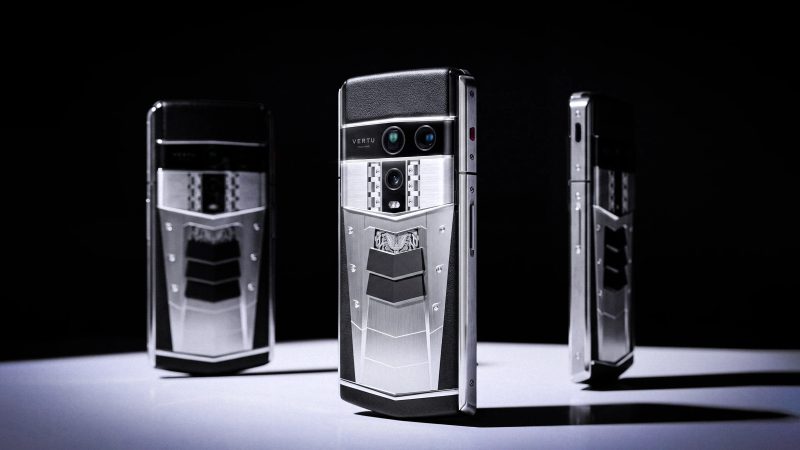
In this context, the vertu limited edition world cup 2026 phone claim lives or dies on what you can verify in the hand: materials, transitions, and the cues that signal authentic assembly.
Titanium, sapphire, premium leathers
Collectors care about materials for one reason: they age differently.
A titanium frame, sapphire crystal elements, and properly finished leather tend to retain “first impression” quality longer than mass-market materials, and they’re harder to counterfeit convincingly.
VERTU’s own overview of the edition’s build choices highlights Grade 5 titanium, sapphire crystal, and premium leather selection as foundational to the ownership experience, not decoration (see Inside the VERTU World Cup 2026 Edition design and materials (2026)).
Handcrafting and tolerances
A collectible phone is judged in the seams.
When materials transition cleanly—metal to crystal, crystal to leather—small tolerances stop being “nice-to-have” and become the difference between an object that looks coherent after years and one that looks merely expensive on day one.
Look for alignment cues you can verify in person: even screw seating, centered plaques/plates, consistent edge radii, and symmetry across both sides. Those are the details counterfeiters and low-skill assemblers struggle to replicate at scale.
Durability and assembly pedigree
Durability isn’t only about surviving drops; it’s about keeping condition predictable.
A collector wants to know whether a finish will micro-scratch immediately, whether a leather panel will peel, and whether a device can be serviced without destroying its originality.
In practical terms: ask what components are expected to be serviceable (battery, screen elements, leather panels) and what servicing does to provenance. On collectible objects, “replaced” can matter as much as “repaired.”
Design & personalization
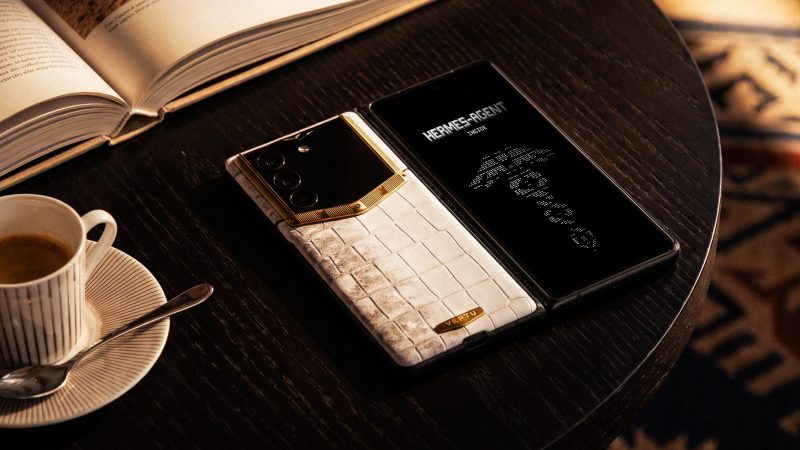
Flag-inspired colorways and engraving
Limited editions often fail when they chase novelty. The more collectible approach is restraint: colorways that nod to national identity without leaning on protected marks, and engraving that feels permanent rather than printed.
VERTU has described a World Cup-inspired Flag Collection as a tribute to iconic football nations, crafted with sapphire crystal and hand-finished leather, while staying in “inspired” territory rather than official tournament branding (see VERTU’s 2026 announcement of a World Cup-inspired Flag Collection).
Engraving matters because it’s one of the few personalization methods that is both visible and hard to fake well. It also carries narrative weight: dates, initials, coordinate-style references, or edition cues that do not rely on event trademarks.
Serialization and provenance
Serialization is what turns “limited” into verifiable scarcity.
A serial number that is physically integrated—engraved plaque, micro-engraving, or a numbered plate—creates a stable identity for the object. That identity becomes the anchor for every future check: certificates, service records, and ownership transfer.
VERTU’s design-and-materials guide emphasizes provenance markers such as integrated numbering and documentation that matches physical identifiers. (If you want more detail, the same VERTU guide expands on how numbering and documentation reinforce provenance over time.)
Collector-grade provenance is increasingly hybrid:
- Physical layerengraving/serials, build cues, packaging identifiers.
- Service layerconcierge records, repair logs, controlled allocation.
- Digital layerverifiable credentials such as a digital certificate, and secure methods of proving ownership.
This is where VERTU’s broader ecosystem can be discussed in an educational way. Concierge support can function like “custody assistance”: it helps you preserve continuity of service history, replacement parts, and documentation over the life of the device.
Web3 security concepts (for example, tamper-resistant digital credentials) matter because provenance is ultimately a trust problem. A well-designed digital certificate can help reduce disputes at resale—especially if it’s bound to a device identity and can be verified without exposing your private data.
AI agents matter in a more subtle way: not as a marketing feature, but as an ownership workflow. A discreet, on-device or privacy-aware agent can help you keep a clean provenance file—purchase record, certificate photos, service receipts, and condition notes—without scattering sensitive documents across unsecured apps.
Collector’s noteThe collector value isn’t “blockchain” or “AI” by itself. It’s whether those tools reduce provenance friction without increasing privacy risk.
Lead times and bespoke windows
Bespoke work is part of why limited editions behave like collectibles: the wait is evidence.
If you’re commissioning engraving, special leather selection, or a specific configuration, treat lead time as part of the provenance record. Document the bespoke window, what was requested, and what was delivered.
The key is consistency: the paperwork should match the object, and the object should match the paperwork.
Production & availability
26 units per colorway
Scarcity has to be auditable.
VERTU has stated that its World Cup-inspired Flag Collection editions are strictly limited to 26 pieces per edition worldwide. For the underlying claim and context, refer back to VERTU’s own 2026 announcement referenced earlier in this article.
For collectibility, what matters is not only the number, but whether allocation is controlled and whether the numbering scheme is coherent (e.g., clear “X/26” identification and matching documentation).
Ordering channels and timelines
Ordering channel is a collectibility signal.
When allocation is handled through controlled channels—direct ordering, concierge-managed allocation, or selected luxury retail—collectors get two benefits: fewer gray-market gaps and a clearer service history.
If you buy through secondary channels, your standard should be higher: you’ll need stronger documentation, condition evidence, and a clean chain-of-custody story.
Licensing clarity & comparison
Inspired editions, not official licensing
The strongest collector posture is simply to be accurate.
If a device is not officially licensed, it should be described in plain language as inspired, avoiding protected marks and any implication of endorsement. Legal guidance on tournament marketing consistently centers on avoiding “official partner” implications and avoiding protected logos and trademarks (see Stevens & Bolton’s 2026 guidance on staying ‘onside’ with tournament marketing).
Even tournament rights holders publish guidance that encourages generic football or country-related terminology and warns against using protected intellectual property (see FIFA World Cup 26™ IP Guidelines (June 2024 PDF)).
For collectors, licensing clarity matters because it affects:
how the piece can be described at resale,
how packaging and marketing language should be interpreted,
and what kind of documentation is realistic to expect.
Motorola razr FIFA World Cup 26 Edition vs Vertu
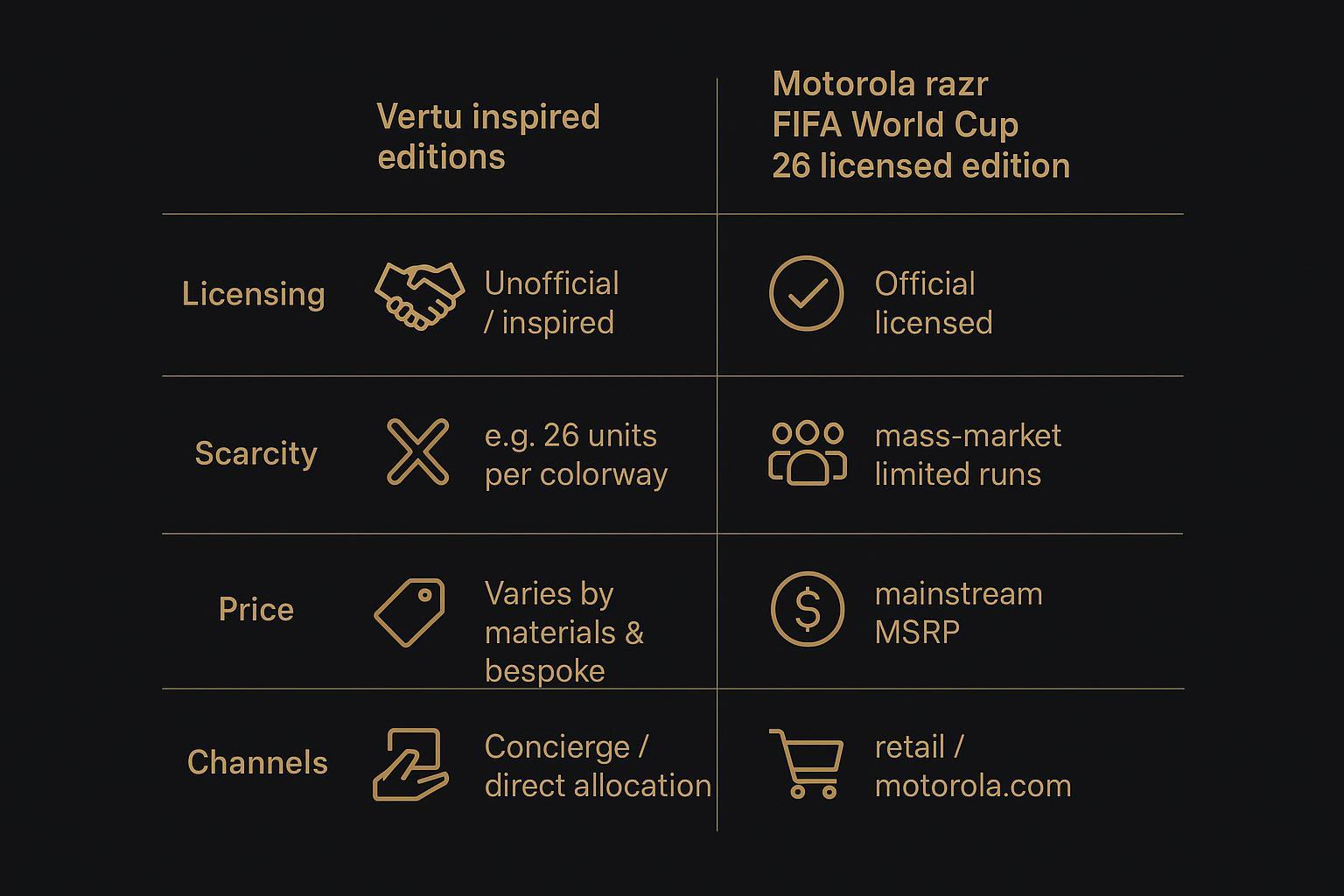
Motorola’s positioning is straightforward: it uses official tournament naming and describes a FIFA World Cup 26™ collection with official branding elements (see Motorola News: FIFA World Cup 26™ Collection (2026)).
A VERTU World Cup-inspired edition plays a different game: it leans into materials, craft, and controlled scarcity, while keeping language in the “inspired” lane.
Neither approach is “better” in the abstract. For collectibility, the question is which set of signals you’re actually buying:
Official licensing and mass-market distribution signals (often easier mainstream recognition).
Craft scarcity and provenance signals (often stronger in collector circles when documentation is clean).
Price & collector value
Price ranges and drivers
Pricing in luxury phones is driven less by silicon and more by what you can’t mass-produce:
rare materials and finishing time,
the difficulty of assembly tolerances,
small-batch waste and quality control,
personalization and bespoke work,
and service infrastructure over the life of ownership.
Because prices and configurations vary—and because collector credibility depends on accuracy—the most disciplined approach is to treat price as a function of build and provenance, then verify the current official pricing through the purchase channel you’re using.
Value signals and documentation
Collectors pay for what can be proven.
Value signals that tend to hold:
a clearly integrated serial number,
a certificate of authenticity that references that serial,
consistent packaging identifiers,
a clean service and repair record,
and a credible chain of custody.
VERTU has noted certificates of authenticity and serial-number documentation in its broader product packaging guidance for limited editions (see VERTU’s 2025 guide noting certificates of authenticity and serials).
Buying and authentication checklist
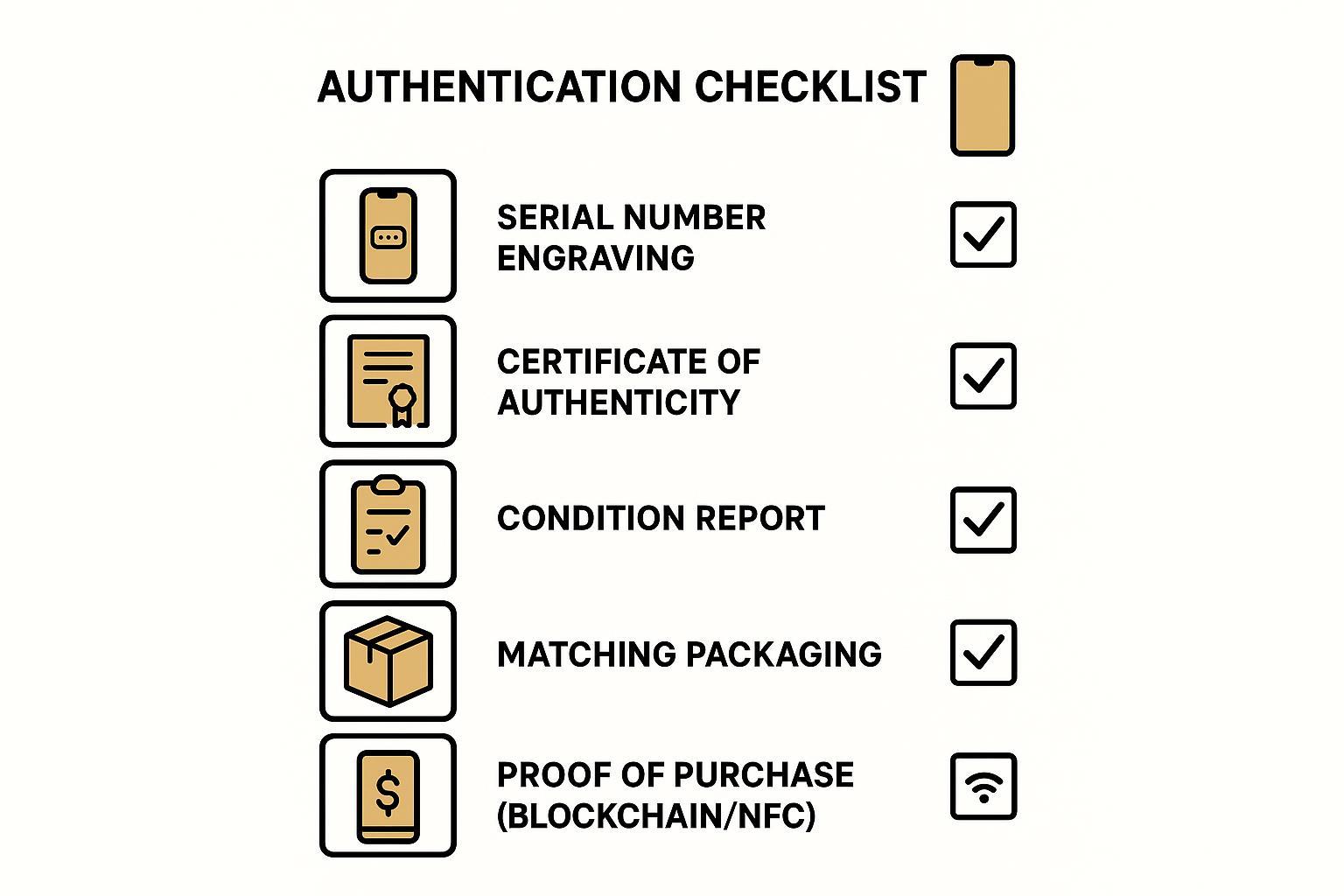
Use this checklist before you buy—and again when you store the phone.
How to verifyStart with the serial on the device, then make every other document prove it belongs to that exact physical object.
- Serial / numberingLocate the engraved serial or numbered plaque and photograph it in high resolution.
- Certificate of authenticityConfirm it references the same identifier and is consistent in typography and details.
- Packaging matchCheck whether box labels, inserts, and any cards match the same identifier (where applicable).
- Condition captureRecord a dated condition set (front, back, edges, corners, ports, and any wear points).
- Serviceability storyAsk what has been serviced or replaced. If parts were replaced, retain receipts and note dates.
- Digital provenance (if provided)If the edition includes a digital credential, confirm how it is verified and transferred without exposing personal data.
Conclusion
A VERTU limited edition World Cup 2026 phone becomes collectible when it behaves like a collectible: scarce in a verifiable way, crafted with materials that hold up to scrutiny, and supported by provenance that can survive resale, gifting, and time.
The disciplined collector mindset is simple: buy what you can document, keep what you can verify, and treat service history as part of the object’s identity.
If you’re evaluating this collection, start with the official reference page and keep your provenance file from day one: VERTU World Cup 2026.
Disclosure: This article references VERTU pages. Editorial judgment remains the priority.