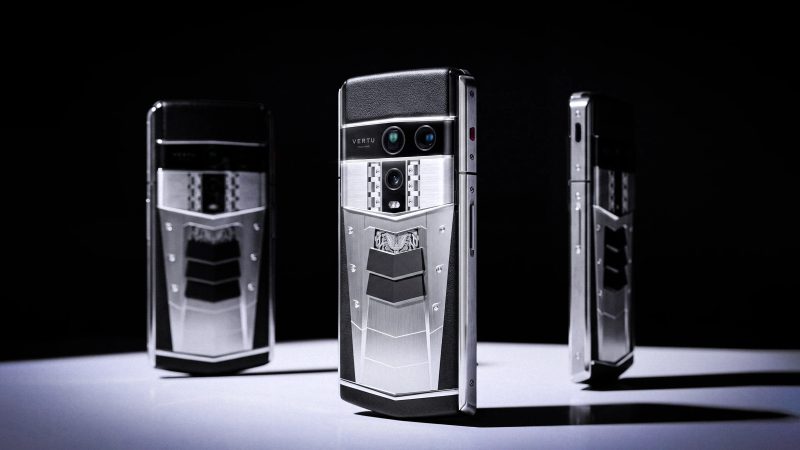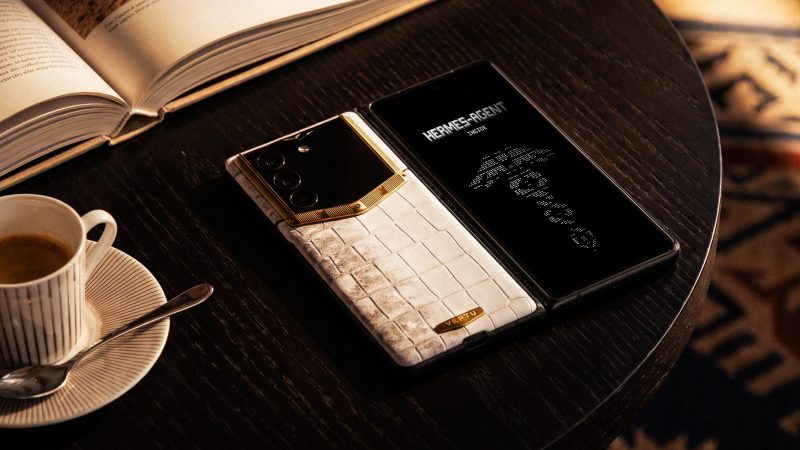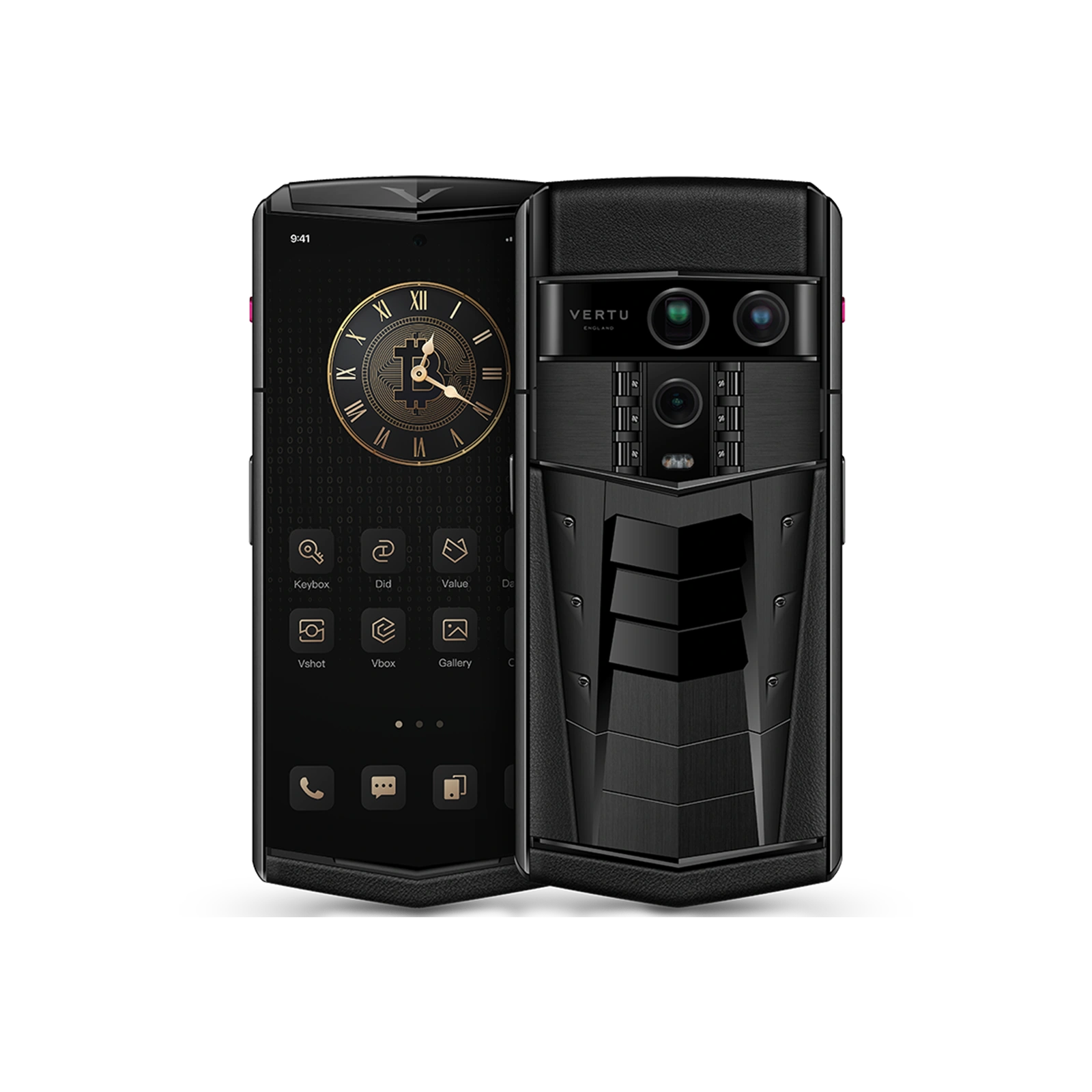
You can open one tab and see a Vertu phone price that looks “entry-level luxury,” then open another and see a figure that belongs in the collector category. The gap isn’t random.
This guide explains what actually drives the number—by product line, materials, scarcity, bespoke options, service, and authentic purchase channels—so you can compare options with clarity.
Key takeaways
The cost of vertu phone ownership is driven less by benchmark specs and more by materials, craftsmanship, rarity, personalization, and service.
Start your comparison with the collection, then refine by material and edition.
Authenticity is part of the economics: warranty, provenance, and channel can matter as much as the handset.
How to compare Vertu phone price without getting lost
Use this order:
Choose a collection (what ownership experience are you buying?)
Choose your material tier (calfskin vs alligator vs precious-metal execution)
Decide if scarcity matters (limited editions, rare crafts)
Define bespoke boundaries (what you’ll pay extra for—and what you won’t)
Confirm channel, warranty, provenance (reduce downside risk)
The sections below unpack each step in a way you can apply to any model.
1) Product line sets the “price logic”
Think of a VERTU collection as a pricing philosophy. Materials and specs matter, but the collection tells you what kind of ownership experience the model is built to deliver.
Quantum Flip (security-led luxury flip)
The official Quantum Flip collection shows how pricing moves within one line based on materials and craft.
A few examples (USD) listed on that collection page:
Quantum Flip Calfskin: $4,300
Quantum Flip Alligator Skin: from $6,670
Quantum Flip Alligator – Himalaya Crocodile: $18,460
Collector’s note: If you’re comparing across brands, don’t treat this as a “flip-phone spec tier.” Treat it as a materials-and-build tier.
Agent Q (AI-agent workflow + material tiering)
The official Agent Q collection makes the same point from a different angle: the platform idea stays recognizable, while the finish tier shifts the number.
Examples (USD) listed on that collection page:
Agent Q Sancai Horse Collection: $4,980
Agent Q Stitched Calfskin: $5,380
Agent Q Himalaya Alligator Gold & Full Diamond: $109,680
Signature (heritage craft, precious materials, rarity)
Signature models are the clearest illustration of why a simple “telefon vertu price” search returns extremes.
On the official Signature collection, you’ll see models ranging from five-figure executions to the Signature Cobra Limited Edition Keypad Phone at $504,308.
2) Materials are not decoration—they’re a primary cost driver
If you want a clean mental model for vertu phone price, start here: in luxury tech, materials can carry more cost (and more meaning) than silicon.
VERTU’s own explanation in “Why is VERTU so expensive?” (2025) points to premium inputs such as sapphire crystal and titanium, plus precious metals and exotic leathers.
How to verify: If a seller can’t clearly specify the material (and show it in high-resolution photos or in-person), treat the listing as a risk—especially for exotic skin finishes.
3) Craftsmanship is hard to benchmark, but easy to feel
Luxury pricing often fails when buyers use the wrong measurement. Benchmarks tell you how fast a chip is; they don’t tell you how a hinge feels after years, how a keypad is machined and set, or how finish work holds up when the phone actually lives in your hand.
That’s why VERTU pricing is better understood as industrial craft plus materials difficulty—not “the bill of materials plus margin.”
4) Scarcity: when it’s real, it changes the economics
Scarcity can be real, or it can be marketing. In luxury tech, the difference is usually visible in two places:
Edition logic (named limited editions, distinctive crafts, unusual materials)
Provenance (documentation and verifiable origin)
If you’re evaluating a limited edition, ask:
Is the edition name and description consistent across official pages?
Can the seller provide proof of origin, not just photos?
5) Bespoke customization is where “from” becomes meaningful
Customization is one of the cleanest explanations for why two phones in the same family can land in very different territory.
Bespoke work can include:
upgraded materials (exotic skins, precious-metal components)
personalized engravings or design details
made-to-order finishes
Collector’s note: When a listing says “from” a given price, assume the final number is a configuration outcome—not a promise.
6) Service is part of the value—and sometimes the cost structure
VERTU’s story isn’t only hardware. It’s also the ownership layer: concierge-like support and a global ecosystem designed for travel-heavy lives.
When you compare models, separate:
what’s included at purchase
what’s optional
what varies by region
This is often where the conversation moves from “price” to “total ownership experience.”
7) Authentic channels and provenance: the hidden cost most price guides ignore
If you only remember one section, make it this one.
In this category, a low sticker price can be expensive if it creates risk: counterfeit exposure, missing warranty documentation, uncertain after-sales support, or unclear origin.
VERTU’s official guidance in the 2025 guide on how to buy authentic VERTU phones with warranty emphasizes:
buying via official channels (including the brand site) or authorized retailers
obtaining receipts and warranty documentation
verifying serial/IMEI details when possible
being cautious in secondary markets without proof
How to verify: Before you pay, insist on (1) the original receipt, (2) warranty documentation, and (3) serial/IMEI details you can verify with VERTU support. If any of those become “difficult,” treat it as your answer.
FAQ
What is the typical Vertu phone price?
It varies by collection and finish. The most reliable baseline is current official collection pricing (Quantum Flip, Agent Q, Signature), then adjust for bespoke options, availability, and region.
Why does the Vertu price change so much between models?
Because you’re not buying one uniform product class. The Vertu price shifts with different cost engines: materials difficulty, craft labor, rarity/edition logic, personalization scope, and the ownership/service layer.
Is it safe to buy from a reseller or marketplace?
It can be, but treat provenance as non-negotiable. If the channel can’t provide documentation and verification steps, the “deal” is a liability.
Why do people search “telefon vertu price” and see wildly different numbers?
Many listings mix regions, currencies, years, and conditions (new vs pre-owned), and some listings aren’t authentic. Use official pages as your baseline, then refine by material, edition, and channel.
Next steps
If you’re comparing collections, start with Quantum Flip and Agent Q to understand how materials tier pricing inside a line—and use Signature when you want to evaluate heritage craft and rarity.
If you’re deciding where to buy (especially pre-owned), use the official authenticity-and-warranty checklist linked above before you move money.
Disclosure: This article references VERTU pages. Editorial judgment remains the priority.