Introduction
An ultra exclusive phone brand isn’t just a premium handset with a high price tag. In 2024–2026, the category is defined by a specific blend: collectible-grade materials and finishing, constrained availability, provenance you can document, and an ownership layer that extends beyond hardware.
This guide is for buyers who care about three things at once: presence, privacy, and long-term ownership. If you’re choosing a device that will travel with you, hold sensitive conversations, and represent your taste, use this as a framework rather than a list of “best” picks.
You will learn a practical taxonomy, the features that genuinely justify exclusivity, the service and security signals that matter, and a U.S.-focused checklist to avoid expensive compatibility mistakes.
Clear definitions
Taxonomy of the category
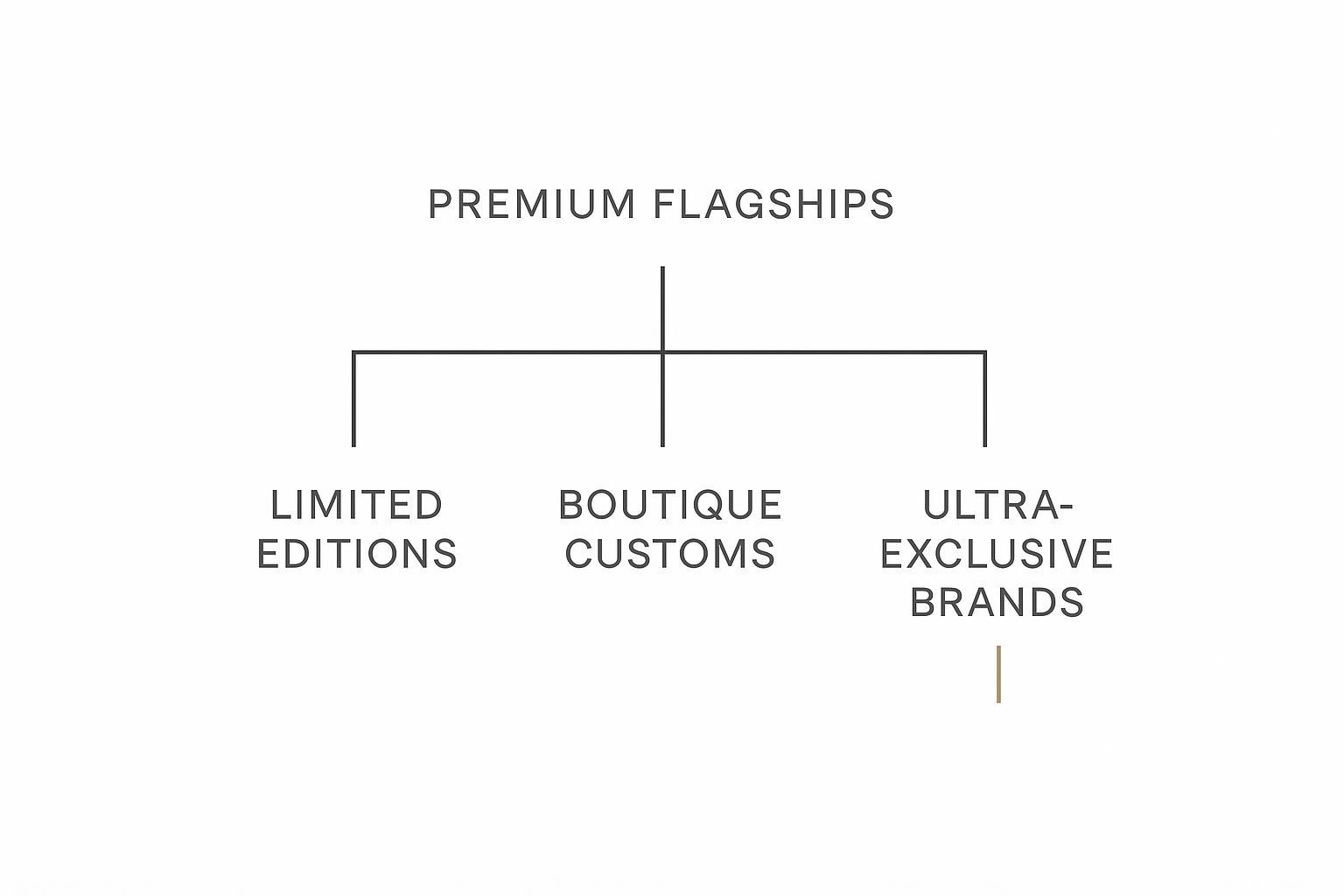
Think of the market as four adjacent categories. They can look similar in photos. They behave very differently once you own them.
- Premium flagshipsmass-market brands at the top of their range. High performance, high volume.
- Limited editionsspecial runs of mainstream models. Often cosmetic changes, sometimes a deeper materials story.
- Boutique customsone-off modifications of an existing phone by a third party. Craft can be excellent, but brand accountability varies.
- Ultra exclusive brandspurpose-built luxury technology with its own service model, documentation standards, and long-term ownership intent.
Premium vs. ultra exclusive
“Premium” is usually about specs and finish. “Ultra exclusive” is about the whole ownership system.
A premium flagship can be flawless and still feel interchangeable. An ultra-exclusive device is typically designed to be: identifiable by touch, supported like a personal possession (not a commodity), and defensible from a provenance standpoint if you ever sell it.
Boutique custom vs. true brand
Boutique custom builders can create beautiful objects. The key question is accountability.
A true brand owns the full chain: materials, assembly standards, post-sale service, and documentation. A boutique custom shop may rely on an upstream manufacturer for radios, security patches, and future repair parts. That’s not automatically bad. It just changes your risk profile.
What makes it exclusive
Materials and craftsmanship
Exclusivity should be physically legible.
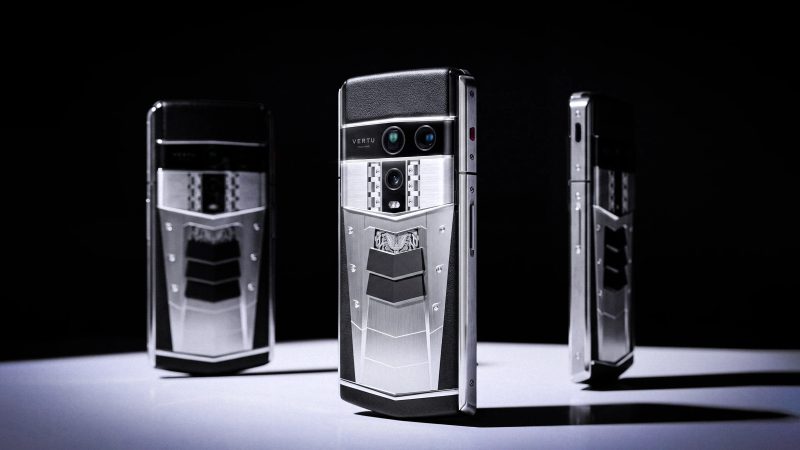
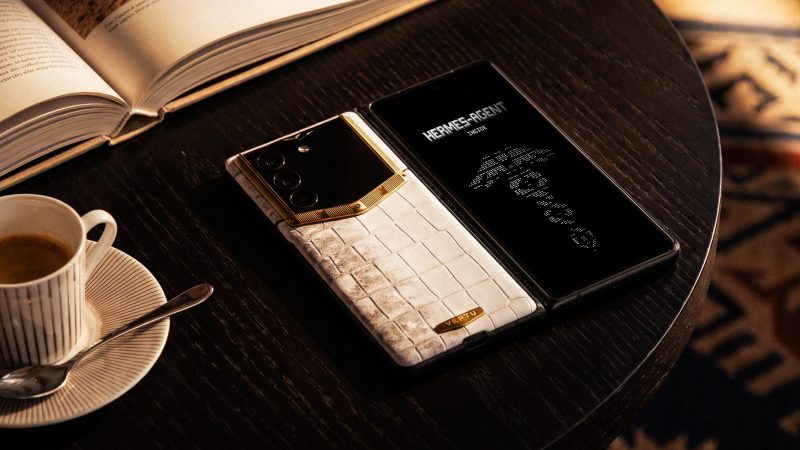
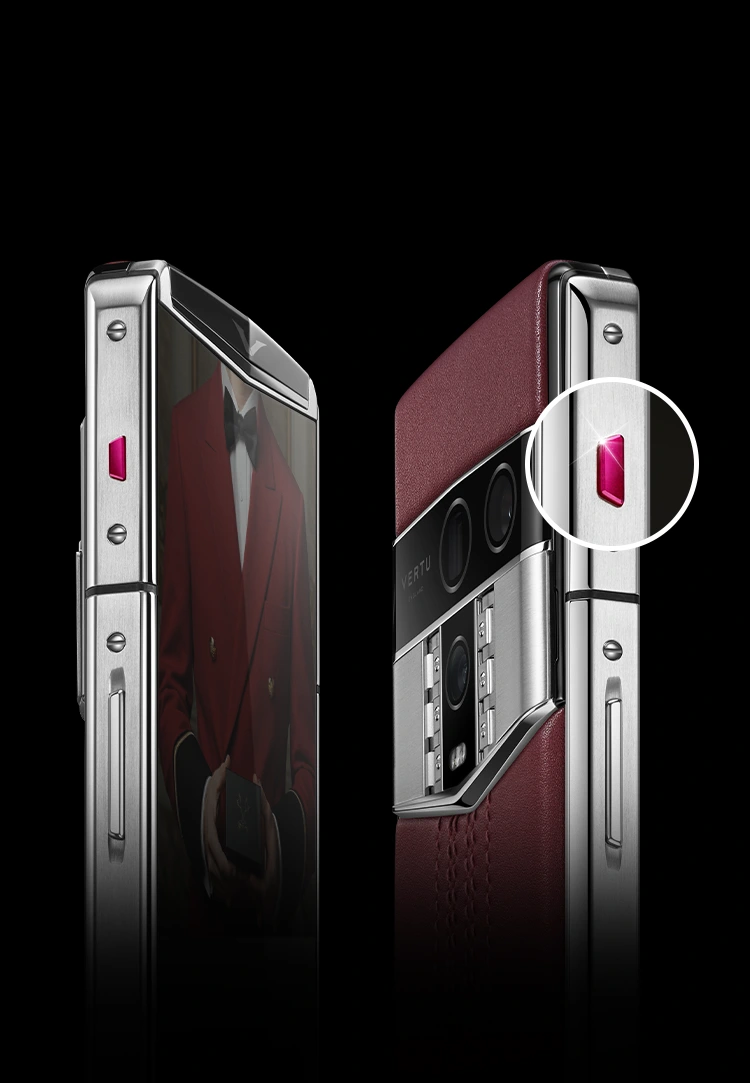
Look for materials that change how the device wears over time: titanium alloys, sapphire crystal, high-density ceramics, precious-metal detailing used with restraint, and leathers that are cut and finished to withstand handling.
Also look for evidence of assembly discipline: tight tolerances, consistent seam lines, edges that are finished rather than merely machined, and fasteners or components that suggest serviceability instead of sealed disposability.
Scarcity and documentation
Scarcity that matters is traceable.
Ask how the brand documents a unit’s identity and chain of custody. In collectible categories, provenance is built from concrete records such as invoices, ownership history, authenticity records, and condition documentation, not just verbal assurances. That’s the mindset behind serious provenance documentation practices like “chain of custody” recordkeeping described in CatalogIt’s provenance documentation overview.
How to verify: Ask for the serial/unique ID, original proof of purchase, and the brand’s written process for transfer-of-ownership or service eligibility.
Personalization and editions
Personalization is not the same as decoration.
The best ultra-exclusive brands treat personalization as controlled variation: materials, finishing, engravings, and limited editions that preserve the brand’s standards while making the device clearly yours.
If the personalization is handled by a third party after purchase, treat it like a modification. That can affect warranty, future repair, and resale. Get it in writing.
Service, privacy, and AI
Concierge and aftercare layer
In this category, service is not a support ticket. It’s part of the product.
The cleanest way to evaluate concierge is to ask what it does when things go wrong: travel disruption, last-minute access requests, schedule changes across time zones, and coordination that requires discretion. You’re looking for a model that combines responsiveness with real human judgment, not just a chatbot front end.
A neutral example: VERTU positions concierge as a core ownership layer, anchored on private service and global privileges, described on the VERTU Concierge page and in its guide to the Vertu Concierge Service.
Privacy, encryption, and secure hardware
Privacy claims are cheap. Architecture isn’t.
When you evaluate security on an ultra-exclusive phone, avoid buzzwords and focus on what you can confirm:
Whether the brand can explain its security model in plain language.
Whether sensitive functions are supported by secure hardware (for example, a dedicated security chip or hardware-backed key storage).
Whether the service layer has clear privacy handling standards.
If the seller can’t describe a coherent security posture, treat the device as a fashion object, not a trusted endpoint.
On-device and agentic AI
AI in an ultra-exclusive phone should be judged by boundaries.
A useful mental model:
- On-device AItasks that run locally, reducing exposure of sensitive context.
- Agentic AIsystems that can execute multi-step actions, ideally with explicit approvals and auditability.
For UHNW buyers, the question isn’t “does it have AI.” It’s “does the AI respect privacy, reduce friction, and stay within clear permission limits.”
Key TakeawayIn the ultra-exclusive tier, the most credible “AI feature” is often a well-designed escalation path, where automation handles routine work and a trusted human team handles the edge cases.
Longevity and value
Software support horizon
Long-term ownership depends on support more than novelty.
Ask direct questions:
How long does the brand commit to security updates?
What happens if a key supplier (chipset, display, radios) changes?
Is there a defined repair and replacement policy?
If answers are vague, your resale value is likely to be vague too.
Repairability and resale
Ultra-exclusive phones should age like objects, not like disposable gadgets.
Look for:
A repair pathway that doesn’t require replacing the whole device.
A documented process for service eligibility if ownership changes.
Packaging, certificates, and paperwork that can be transferred cleanly.
Resale in this tier is largely a documentation story. Condition matters, but provenance is often what closes the sale.
U.S. compatibility
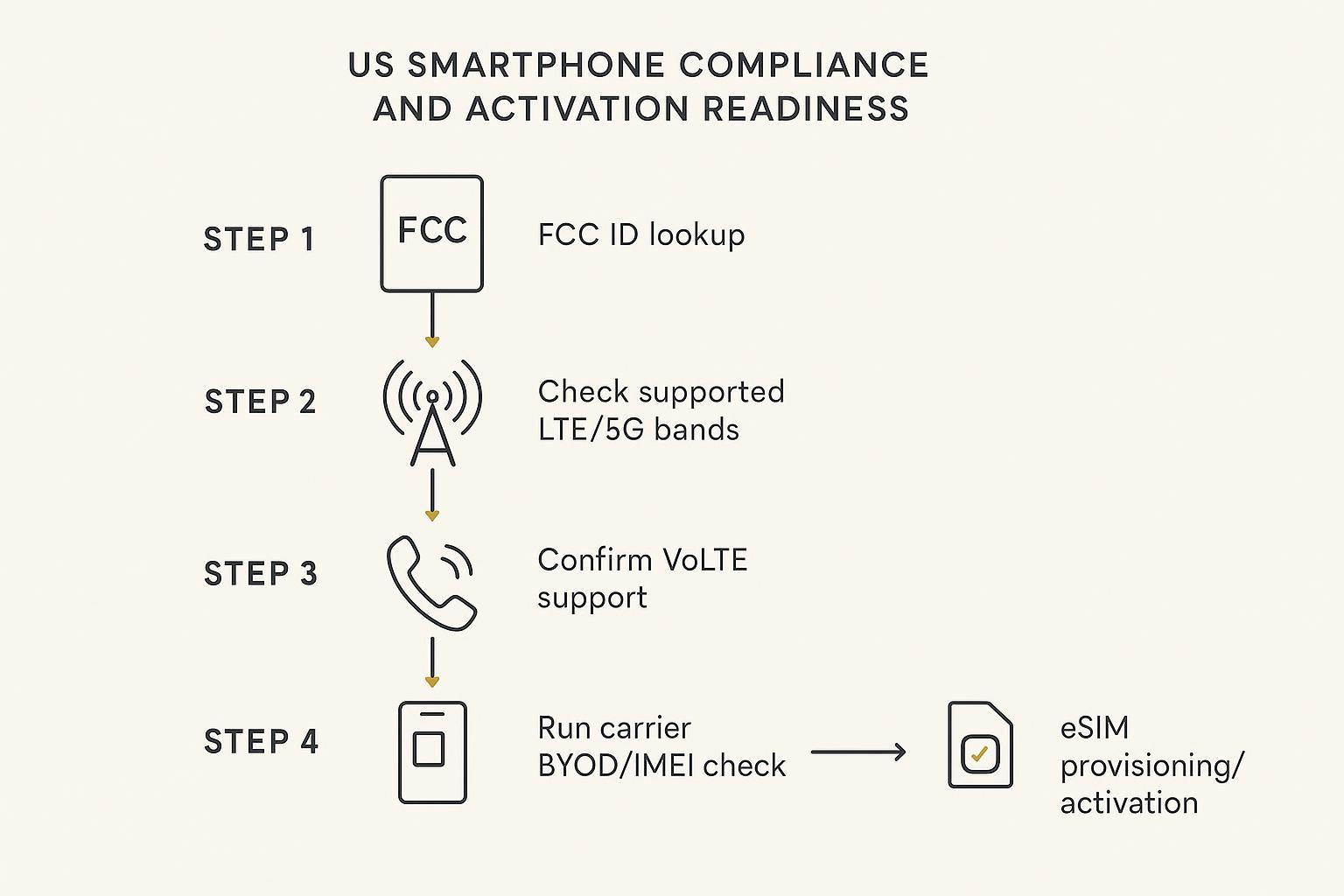
FCC ID and certification
For U.S. use, start with regulatory reality.
A phone marketed or imported for use in the United States generally needs FCC equipment authorization, and compliant devices should be identifiable via the FCC ID and equipment authorization records. A practical overview is covered in this FCC requirements summary.
If a seller can’t provide an FCC ID (or can’t show you where it is listed), treat that as a stop sign until proven otherwise.
Carrier bands, VoLTE, and eSIM
In the U.S., “unlocked” is necessary but not sufficient.
You need an overlap between the device’s supported bands and your carrier’s active network bands, plus working VoLTE for voice. Many travelers use eSIM for flexibility, so confirm eSIM support if you expect to switch networks often.
A practical buyer-friendly way to think about it is outlined in this guide to checking U.S. band compatibility before you buy.
BYOD/IMEI checks and activation
Do not assume. Verify.
Most U.S. carriers offer a BYOD flow that checks your IMEI for eligibility. Run that check before you commit if possible. If you can’t run it, ask for a return window that explicitly covers failed activation.
Buying checklist and red flags
Provenance and paperwork
Treat the purchase like a collectible.
At minimum, request:
Original invoice or proof of purchase
Serial/unique ID documentation
Warranty terms in writing
A clear service eligibility policy (especially for second owners)
If you’re buying pre-owned, any gaps in documentation increase your risk. Provenance best practices emphasize maintaining receipts, ownership history, and authenticity records, as summarized in CatalogIt’s provenance record guidance.
Service terms and SLAs
For an ultra-exclusive brand, service terms are part of the value.
Look for:
Response expectations for concierge and technical support
Repair workflow and turnaround expectations
Coverage boundaries (cosmetic wear vs structural issues)
If the seller treats these as “nice-to-have,” they’re selling a trophy, not an ownership experience.
Risks: gray imports and mods
The fastest way to destroy value is to buy the wrong unit.
High-risk signals include:
Seller identity is unclear, no physical address, or vague return policy.
The story depends on “trust me” rather than documentation.
The device is a regional variant that may fail U.S. carrier acceptance.
The phone has been modified (rooted, ROM changes, aftermarket radios), which can break VoLTE or create security ambiguity.
For online purchases, a disciplined set of red flags includes seller legitimacy and return-policy signals, as outlined in NPR’s guide to spotting counterfeit product listings.
⚠️ WarningIf the device fails U.S. activation and the seller refuses returns, you can end up with an expensive Wi‑Fi-only collectible.
Conclusion
An ultra exclusive phone brand earns its position through more than aesthetics. Use three tests:
- Object testmaterials and finishing you can feel, and craftsmanship that holds up to scrutiny.
- System testdocumentation, service, and clear policies that reduce ownership risk.
- Network testU.S. readiness you can verify (FCC ID, bands/VoLTE, BYOD/IMEI, eSIM).
Prestige and function don’t have to compete. The best ownership decisions balance both, then protect the downside with verification.
Next steps: shortlist two or three candidates, request documentation up front, run U.S. compatibility checks before payment, and buy only with a return policy that matches the risk.
Disclosure: This article references VERTU pages. Editorial judgment remains the priority.