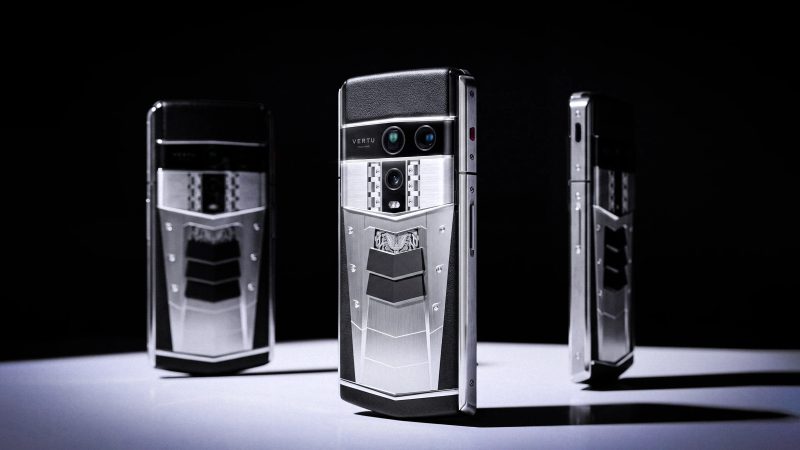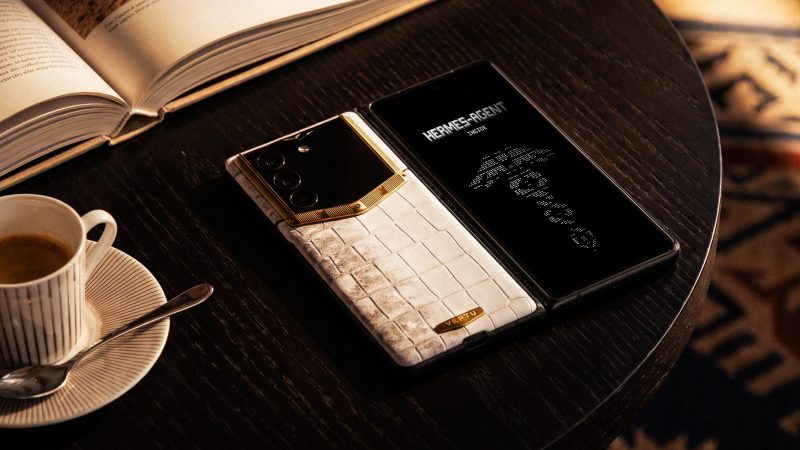
If you’re shopping for a luxury smartphone—especially a lesser-known name, a boutique brand, or a “limited” model—you’ll occasionally run into the phrase private label.
It can sound like insider jargon. But the idea is simple—and for a high-ticket phone, it’s worth understanding because it affects what happens after the unboxing: security updates, warranty coverage, and who is actually accountable when something goes wrong.
What does “private label” mean in a luxury phone?
A private label product is typically made by one company and sold under another company’s brand name. That’s the plain-language definition used across industries, including consumer goods and electronics (see NetSuite’s definition of private label (2025) and Shopify’s explanation of private labeling (2026)).
Applied to phones, a private label luxury phone is usually one of two things:
A phone built by a third-party manufacturer, then branded and sold by a luxury-facing brand.
A phone that uses a pre-existing design as its base, with changes made to branding, materials, software, packaging, or included services.
Private label doesn’t automatically mean “bad.” It also doesn’t automatically mean “exclusive.” It simply describes how the product is brought to market.
Key Takeaway: For a luxury phone, the question isn’t “Is it private label?” It’s “Who owns long-term responsibility—updates, warranty, repairs, and support?”
Why this matters more for luxury than for everyday phones
For a $800 mainstream handset, you’re often buying into a well-known ecosystem: predictable update policies, established service networks, clear warranty programs.
For a luxury device, the entire value proposition can include things that are harder to verify at a glance:
premium materials and build quality
privacy and secure communication features
white-glove service or concierge support
long-term reliability (and repairability)
If a phone’s brand is primarily a label—and not the entity that can deliver ongoing software and service—your risk rises.
This is a common theme in private-label device guidance: update paths, firmware control, and after-sales support policies are where private-label arrangements can either be well-run or quietly fragile (see Alibaba Electronics’ private-label mobile phones guide (2026)).
Private label vs white label (and a quick note on OEM vs ODM)
These terms overlap in real-world usage, but here’s the consumer-friendly way to think about it:
- White label phonea more standardized, “ready-made” product that multiple brands can rebrand.
- Private label phonetypically implies more exclusivity and more control for the brand selling it (even if the manufacturing is outsourced).
You might also see:
- OEMthe brand specifies the device requirements; a manufacturer builds to spec.
- ODMthe manufacturer designs a base device; brands customize and sell it.
You don’t need to memorize the acronyms. You just need to know what they change for you as a buyer.
A buyer’s checklist: how to evaluate a private label luxury phone
If you’re comparing options, use this checklist like a concierge would: quietly, methodically, with zero tolerance for vague answers.
1) Security updates: what’s the policy, and who controls it?
For any phone that will hold sensitive conversations, travel plans, financial data, or executive email, software support isn’t a footnote—it’s the floor.
As Android Authority puts it in its overview of manufacturer update commitments, updates are a core part of keeping a phone working well and staying protected over time, so it’s worth checking policies before you commit (see Android Authority’s update policy guide (2025)).
What to ask (and what to look for):
How long will the phone receive security patches?
Are updates delivered regularly, or only “when available”?
Is there a clear statement about OS upgrades vs security patches?
⚠️ Warning: “We’ll try to provide updates” is not a policy. For a luxury phone, it’s a red flag.
2) Warranty and returns: who is accountable?
When something fails, you want a single responsible party.
Check for:
a written warranty (duration + what it covers)
a clear returns process
repair or replacement pathways, including where service is performed
Private-label arrangements can be perfectly legitimate—but the warranty must be equally serious.
3) Repairability and parts: can it be serviced next year?
Luxury devices are often bought with a longer time horizon than mainstream phones.
Ask directly:
Are batteries, screens, and key components supported with replacement parts?
Is there an official service path (not just a reseller)?
A high-end exterior doesn’t help if the device becomes difficult to service.
4) Materials and provenance: “premium” should be provable
For luxury phones, the materials story is part of what you’re paying for.
Look for proof, not adjectives:
transparent descriptions of materials (not just “aviation-grade” or “diamond-like”)
consistent serial number or provenance practices
reputable retail and service channels
5) Privacy claims: separate marketing from mechanisms
If a phone is positioned as privacy-first, pay attention to what’s actually being promised.
Good signs include:
clear explanation of encrypted communication and how it’s delivered
explicit boundaries on data collection/telemetry
practical guidance on how the device protects you in real scenarios
If you want a reference point for what “secure communication” discussions can look like in a luxury context, you can compare guidance such as VERTU’s own resources on a guide to encrypted communication phones and its overview of phones for private communication.
When a private label luxury phone can be a smart buy
A private-label approach can make sense when the brand adds something real:
craftsmanship and materials that are executed consistently
service and support that you can actually reach
a clear update policy and lifecycle plan
a privacy posture that’s explained in mechanisms, not mystique
Put differently: private label is fine when the brand is more than a badge—when it behaves like an owner.
When you should walk away
You don’t need drama. You need clarity.
Consider passing if:
the update policy is unclear or evasive
warranty terms are vague, short, or hard to trigger
privacy claims rely on slogans instead of verifiable mechanisms
the seller can’t tell you who provides long-term support
FAQs
Is private label the same as counterfeit?
No. Private label is a legitimate business model. Counterfeit is fraud. The risk, for buyers, is simply that some private-label devices may have weaker support policies—so you should verify.
Does private label automatically mean lower quality?
No. Quality depends on the manufacturer, the specs, the testing standards, and the brand’s willingness to stand behind the device over time.
Why do these terms show up more in luxury niches?
Because luxury markets often include boutique brands, limited runs, and specialty distribution. The arrangement behind the product can vary more than with mass-market phones.
Next steps (quiet due diligence)
If privacy, secure communication, and long-term support are central to your decision, use the checklist above—then compare how different luxury brands explain their security model.
A practical place to start is reading VERTU’s breakdown of what security features set luxury phones apart and its overview of high-security luxury phones for privacy-first buyers.
Disclosure: This article references VERTU pages. Editorial judgment remains the priority.