If you live across time zones, your plans don’t fail politely.
They fail at 11:40 p.m. when a flight is delayed, at 6:10 a.m. when a meeting shifts cities, and in the ten minutes between landing and an “impossible” reservation.
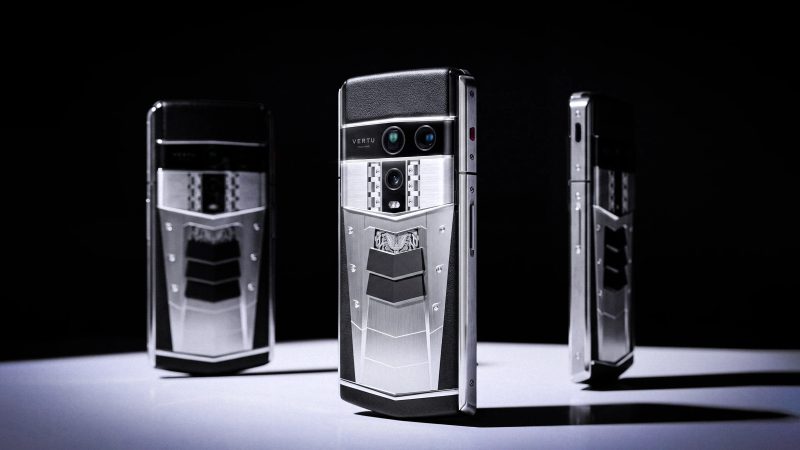
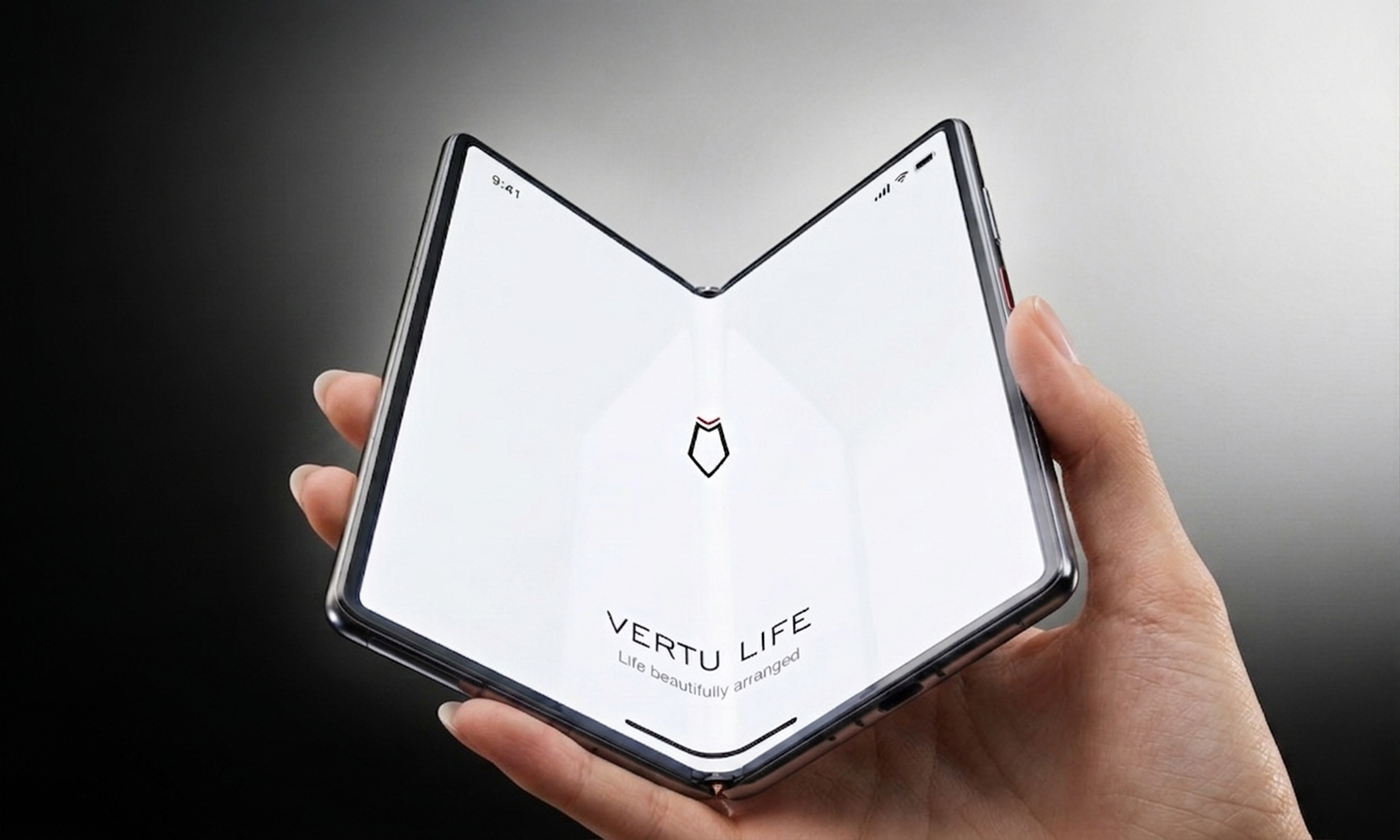
That’s the real promise behind a luxury phone with 24/7 concierge service: not a shinier device, but a dependable way to convert intent into execution—at any hour, in any place, with discretion.
About this guide (updated June 2026): Written by the VERTU Editorial Team. This article explains what “24/7 concierge” typically covers, what it doesn’t, and how to evaluate service reliability before you depend on it.
Disclosure: This article references VERTU pages as examples. There is no paid partnership, sponsorship, or commission relationship influencing the content.
What a luxury phone with 24/7 concierge service actually is
A luxury phone with 24/7 concierge service is a smartphone designed to give you always-on access to human-led assistance for coordination-heavy requests—travel changes, reservations, sourcing, logistics—plus the follow-through that turns a request into a confirmed outcome.
The best way to think about it: the device isn’t the luxury. Continuity is.
According to Quintessentially’s overview of what concierge service is, concierge work often includes arranging travel, booking restaurant reservations, and handling a wide range of practical requests—typically with high availability.
What “24/7” usually means in practice
“24/7” should mean you can reach a real service channel at any hour—including nights, weekends, and holidays. What it doesn’t automatically mean is instant resolution.
Two practical nuances:
Availability vs. execution: A concierge can acknowledge and triage your request immediately, but the actual outcome may still depend on third parties (airlines, venues, suppliers) that have their own constraints.
Response expectations vary by request type: Simple requests can be handled fast; complex sourcing or coordination may take longer even when the service is “available.”
If you want to verify the promise before you rely on it, ask for plain-language answers to:
What channels are monitored 24/7 (phone, email, chat, in-app)?
Is there an escalation path for time-sensitive travel disruptions?
Do you have target response times for urgent vs. non-urgent requests?
For consumer-facing examples of how “24/7” is typically described (availability and contact channels), see JPMorganChase’s explainer on how to use a credit card concierge service and RBC Wealth Management’s RBC Avion Concierge client FAQ.
Collector’s note: “24/7” should describe the service model, not just the marketing. The meaningful test is what happens when plans change outside business hours.
A simple way to validate this before you commit is to run a low-risk “after-hours test” (e.g., a late-night dining change or a multi-step logistics question) and see whether you get continuity, not just a fast reply.
What it is not: three easy confusions
Most disappointment comes from buying the label rather than the operating model. Here are the three most common confusions.
1) It’s not standard customer support
Customer support helps you fix the product.
Concierge helps you run your life around the product.
A “priority support” line can be excellent—and still have nothing to do with getting you a last-minute table, rerouting a complex itinerary, or arranging a car when the schedule collapses.
2) It’s not a VIP hotline
A VIP hotline is often a faster lane.
Concierge is a different kind of service. It’s judged by judgment, network, and follow-through—not by how quickly you get a reply.
VERTU makes this distinction explicit in its guide on the value of 24/7 concierge service for luxury tech buyers, framing concierge as private service with global execution and clear boundaries.
3) It’s not a chatbot (even a good one)
AI can be useful for drafting, reminders, and structured planning.
But when your request depends on humans, inventory, or relationships—hotel decisions, sold-out access, time-sensitive changes—you still need a human who can coordinate across real-world constraints.
The most credible setups are hybrid: AI for speed and triage; humans for negotiation, nuance, and the final mile.
What 24/7 concierge can realistically help with
A luxury concierge is most valuable where friction lives: cross-border logistics, high stakes, and time pressure.
Here are request categories that tend to be realistic (and useful).
Travel and re-routing
Rebooking when plans shift mid-journey
Coordinating transfers, drivers, and timing across arrivals
Fast-track style help where available
Dining, access, and the social calendar
Reservations with constraints that matter (privacy, timing, seating)
Tickets and event planning with contingency options
Last-minute changes handled without you re-explaining the situation
Sourcing and “hard-to-find” requests
Locating specific items, gifts, or time-sensitive needs
Managing delivery logistics and confirmations
Business support where coordination matters
Some services extend into areas like visa coordination or security-oriented support. If this matters to you, ask for category definitions in plain language, plus the boundaries.
How to verify: Ask for a workflow explanation: “If my flight lands late and I need a car, dinner, and a backup plan—what happens first, and who owns the follow-through?” A real concierge service can explain the sequence without hand-waving.
Human concierge vs AI assistant: why hybrid tends to win
When people say “luxury smartphone concierge service,” they’re often pointing to one of three operating models.
Here’s a quick comparison you can use when evaluating what you’re actually buying:
Operating model | Best for | What it can do well | Common limitation | A good verification question |
|---|---|---|---|---|
Human-first concierge | High-stakes changes, negotiation, discretion | Ownership of the request and real-world coordination | Speed may vary; depends on staffing and coverage | “If my flight changes at 1 a.m., who answers and what happens in the first 10 minutes?” |
AI-first assistant | Suggestions, drafting, reminders, light planning | Fast options and structured planning | Often can’t execute with third parties | “Can it actually book/rebook on my behalf, or only recommend?” |
Hybrid (AI + human) | People who want speed and execution | Triage + fast handoff to a person when needed | Hand-off quality varies; context can be lost | “When does it escalate to a human, and how is context preserved?” |
Human-first concierge
Best for: outcomes that require negotiation, judgment, and discretion.
Watch for: whether you can reach a capable person quickly, and whether they maintain context so you’re not repeating yourself.
AI-first concierge
Best for: quick suggestions, basic planning, structured reminders.
Watch for: whether it’s truly acting on your behalf—or just generating options you still have to execute.
Hybrid (AI + human)
Best for: people who want speed and real-world execution.
A hybrid model can triage, draft, and coordinate quickly—then hand off to a person when the request requires relationships, nuance, or escalation.
What to look for before you trust “24/7”
A premium device is easy to buy. A dependable service model is harder to verify.
Use this checklist before you rely on a concierge phone.
1) Access that doesn’t depend on remembering steps
In high-friction moments, convenience is a safety feature.
A dedicated access mechanism (button, shortcut, or always-available channel) matters because it reduces decision fatigue when you’re tired, late, or moving.
2) Clear boundaries (the honesty test)
A credible concierge service can tell you what it cannot do.
If the promise sounds unlimited, you’re being sold a feeling—not a service.
3) Privacy and discretion by design
A concierge request can contain unusually sensitive details: locations, schedules, preferences, family context.
Before you depend on a service, ask for specific, operational answers (not just “we take privacy seriously”):
Who can see your request (and is access role-based)?
What’s stored and for how long (retention period, logs, transcripts)?
What gets shared with third parties (venues, airlines, drivers, ticketing) to execute your request—and whether you can limit that.
Whether you can delete or export your request history.
One more reality check: even with a 24/7 concierge, execution often involves third parties. Discretion is strongest when the service is transparent about what must be shared to get the outcome.
4) Global execution (not just global marketing)
“Global” should mean real coverage across time zones and languages.
If you travel often, the worst version of concierge is the kind that replies quickly—but cannot execute.
A practical example: integrated access via a physical “concierge key”
Some luxury phones make concierge access feel like a dedicated feature rather than a buried app.
VERTU’s Ruby Key is positioned as a physical access point. On its assistant-features page, VERTU describes Ruby Key as a real ruby button that connects you with a live concierge, with service described as 24/7: VERTU phone assistant features for personalized luxury support.
At the service-architecture level, VERTU also frames Ruby Key support in terms of structured categories—“six privileges and 27 services”—in A life beautifully arranged: the VERTU promise.
This matters because structure often predicts reliability. A service that can name what it covers—and how it handles edge cases—usually performs better than a vague promise.
Key takeaways
A luxury phone with 24/7 concierge service is defined by human access + follow-through, not by materials alone.
“VIP hotline” and “priority support” can be valuable, but they’re not the same thing as concierge.
AI can help with speed; human concierge matters for execution. Hybrid models often cover the most ground.
Evaluate the service like an operating system: access method, privacy boundaries, global coverage, and honest limits.
FAQ
Is concierge service the same as customer support?
No. Customer support fixes the product. Concierge helps coordinate external outcomes—reservations, travel changes, sourcing, access—often with more discretion and continuity.
What does “24/7” really mean?
It should mean you can initiate a request at any hour and receive meaningful continuity. It does not mean every request is guaranteed, or that third parties (venues, airlines, suppliers) become controllable.
Is an AI assistant “good enough” as concierge?
For reminders, suggestions, and light planning, AI can be helpful. For high-stakes coordination that requires negotiation, relationships, or privacy nuance, human involvement still matters.
How can I tell if a concierge phone is legitimate?
Ask for a workflow explanation (who answers, how context is captured, how escalation works), plus clear category coverage and boundaries.
Next steps
If you’re exploring the category, start by understanding how to evaluate “24/7” in plain terms—privacy, global execution, and boundaries—then compare it against any device you’re considering.
Disclosure: This article references VERTU pages. Editorial judgment remains the priority.