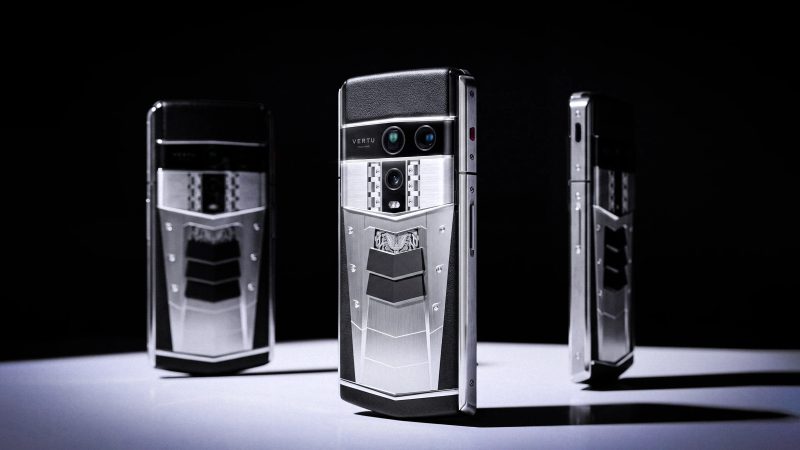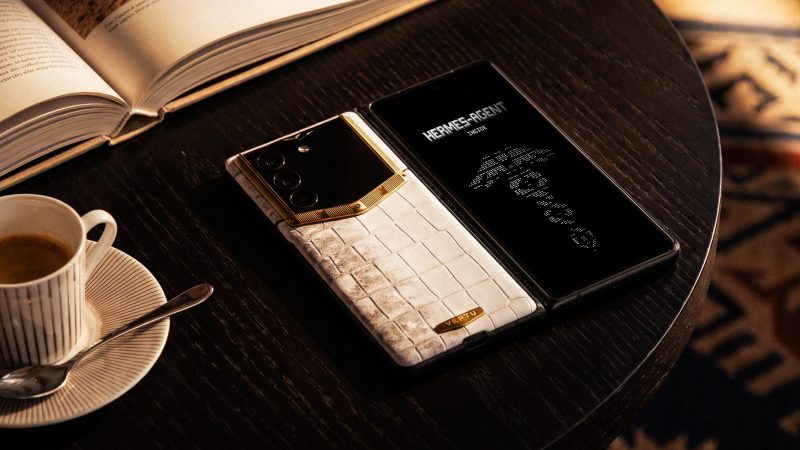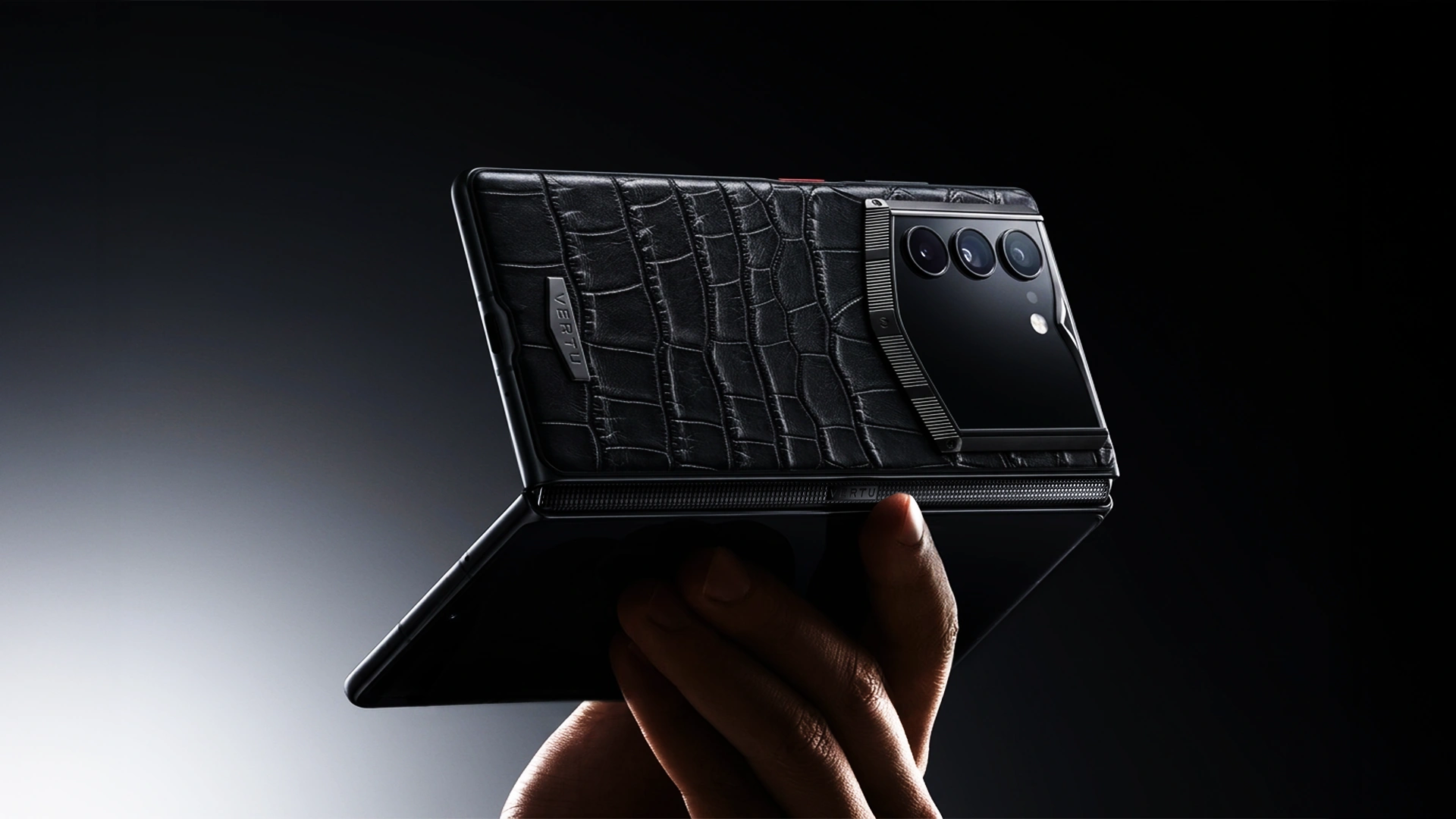
Luxury mobile phones are not “expensive smartphones.” They’re closer to watches: objects that sit at the intersection of utility, craft, and a service relationship.
If you’re comparing options, don’t start with camera megapixels or benchmark charts. Start with intent.
Key TakeawayThe best luxury phone is the one that fits your intent: daily executive reliability, long-term collectability, or milestone gifting.
What you’re really buying when you buy luxury mobile phones
In the U.S. market, many searches for luxury mobile phones blend two very different categories:
Premium mainstream flagships (high performance, strong ecosystem support).
True luxury handsets (rare materials, lower production volumes, and a more “owned object” approach).
Market research firms typically define luxury phones by the combination of premium materials, exclusive craftsmanship, and high-touch services for affluent buyers. Intel Market Research describes luxury cell phones as devices that pair rare materials and bespoke options with advanced technology and services such as concierge support (see Intel Market Research’s luxury cell phone market outlook).
Your job in the consideration stage is to decide which bucket you’re actually shopping in.
If you want a phone that you will use hard every day, a premium flagship will often deliver a cleaner “tools first” experience.
If you want a phone that feels like ownership, not just usage, the luxury category is where materials, finishing, aftercare, and service start to matter more than specs.
Start with intent: executive daily driver, collector piece, or milestone gift
Most buyer’s guides pretend everyone wants the same thing. In luxury, that’s how you make a bad decision quickly.
If you’re an executive: optimize for frictionless reliability
You don’t need a phone that wins an internet argument. You need a phone that never becomes a problem.
Prioritize:
Service responsiveness and clear repair pathways.
Privacy posture that matches your real habits (not marketing claims).
Strong connectivity in the places you actually travel.
Build quality you can live with daily.
If you’re a collector: optimize for provenance and long-term narrative
Collectors don’t buy a spec sheet. They buy a story they can verify.
Prioritize:
Provenance and documentation that travels with the device.
Materials and finishing that age well.
Rarity that is legible (edition clarity, not vague “exclusive” language).
Aftercare that preserves condition.
Collector’s note: Many “most expensive phone” lists are fun to read and terrible to buy from. A collectible is only as strong as its provenance.
If you’re buying a gift: optimize for fit and confidence
A luxury phone is an intimate object. The wrong choice can feel too loud, too technical, or oddly impersonal.
Prioritize:
Aesthetic fit with the recipient’s taste (quiet, classic, modern, bold).
Personalization options that feel considered, not novelty.
A purchasing channel that won’t create embarrassment later.
The evaluation criteria that actually change the decision
This is where most guides go wrong. They drown you in features that don’t change the outcome.
Use criteria that affect risk, ownership experience, and long-term satisfaction.
1) Materials, finishing, and what “premium” actually means
A premium flagship can have beautiful materials. A luxury phone uses materials to signal rarity and to deliver a different tactile experience.
Look for:
Sapphire crystal (if claimed, ask how it’s used and what it covers).
Titanium and precious-metal executions (structural vs cosmetic matters).
Leatherwork quality (stitching, seam placement, long-term maintenance).
If you’re comparing across categories, treat materials like you treat movement finishing in a watch: not a bullet point, a lived detail.
2) Service layer: what happens after you buy
Luxury is often less about what’s in the box and more about what happens when something goes wrong, or when you need help quickly.
Questions that reveal the truth:
What support channels exist, and what’s the expected response time?
How is repair handled if you’re traveling?
What’s the warranty process and what documentation proves eligibility?
3) Privacy and security posture (without superstition)
Many luxury buyers want privacy. Some want actual security. Those are related, but not identical.
Privacy posture is practical:
How you handle sensitive calls, travel logistics, and accounts.
Whether you separate personal and work contexts.
Whether you need a second device for high-risk situations.
Avoid buying a phone purely because a product page uses the word “secure.” Build a habit plan first, then match the device to the habit.
4) Software support expectations
For daily driver use, software support is not optional. It affects security, app compatibility, and resale.
If you’re evaluating a luxury phone as a collectible, software support can matter less. But you should be honest about that trade.
A practical baseline of general phone-buying criteria (battery, security, usability, repair considerations) is covered in the Consumer Reports cell phone buying guide. Even in luxury, those fundamentals still gate your day-to-day satisfaction.
5) Connectivity for U.S. carriers and global travel
Many buyers underestimate this.
Ask:
Does it support the bands you need for your carrier?
How does it perform internationally?
How does it handle dual-SIM or multi-number workflows?
If you travel frequently, connectivity is not a spec. It’s the difference between confidence and friction.
6) Repair pathways and downtime risk
A luxury phone can be beautifully made and still be inconvenient if repairs are slow.
The question to answer is simple: if something breaks, how many days are you without the device?
7) Provenance and resale reality
Not every luxury phone holds value. “Limited edition” doesn’t guarantee liquidity.
What matters:
Proof of purchase and ownership chain.
Condition and aftercare.
Whether the edition is actually documented and recognized.
A short decision matrix: how to score your shortlist
This is not a spreadsheet exercise. It’s a clarity exercise.
Score each candidate 1–5 for the criteria that match your intent.
Criterion | Executive (daily driver) | Collector | Gift |
|---|---|---|---|
Service & aftercare | 5 | 4 | 4 |
Privacy posture fit | 5 | 3 | 3 |
Connectivity (US + travel) | 5 | 2 | 3 |
Materials & finishing | 3 | 5 | 5 |
Provenance clarity | 3 | 5 | 4 |
Software support confidence | 5 | 2 | 3 |
Pro TipIf you’re stuck between two options, decide which one you’d still feel good about after three months of daily use. That answer is usually the right one.
Luxury mobile phone brands: compare categories, not logos
Most “luxury mobile phone brands” roundups mix:
Brands building luxury phones as their own category.
Customizers that take a mainstream flagship and turn it into a luxury object through materials and design.
These are not the same product.
The right question is: do you want a phone that is luxury by design, or luxury by modification?
Luxury by design: ownership, materials, service relationship
The advantage is a more coherent ownership experience: materials, design, and service are meant to work together.
The trade is that you must verify what matters to you (software support, repair pathways, network compatibility) rather than assuming it matches the mainstream flagship standard.
Luxury by modification: familiar ecosystem, new exterior
The advantage is familiarity and app support.
The trade is provenance and durability. Custom work can be exceptional, but you need proof, not promises.
Where to buy luxury phones for sale (and how to avoid counterfeits)
When you’re shopping luxury phones for sale, the risk isn’t only “overpaying.” It’s buying a story you can’t verify.
The simplest rule: buy trust before you buy hardware
Start with seller legitimacy.
ICW Group’s guide recommends classic safeguards: be cautious of “too good to be true” pricing, verify the seller, inspect the item and packaging, and report suspected counterfeits.
Electrical Safety Foundation International also emphasizes buying from trusted sources and checking manufacturer sites for authorized retailers (see ESFI’s tips to avoid counterfeits).
Red flags that should stop the transaction
Price is dramatically lower than other comparable offers.
Seller avoids verifiable payment methods.
Missing documentation, missing warranty proof, or inconsistent identifiers.
Pressure tactics (“another buyer is wiring funds now”).
The U.S. Chamber of Commerce’s tips to avoid counterfeit and fake goods capture the principle well: if it feels too good to be true, treat that as a signal to slow down, not a reason to move faster.
How to verify: Ask for close-up photos of identifiers, packaging, and included documents, then confirm service eligibility before you move money.
A VERTU example: how to evaluate craft and service together
VERTU is the brand that pioneered the luxury mobile category by treating phones as crafted objects paired with a private service relationship.
If you want a clean way to evaluate whether VERTU is the right direction for you, use this order:
Start with the family (form factor and daily experience).
Then evaluate the finish (materials and collectability).
Then verify what service is included and how support works.
From there, the VERTU phone models guide lays out a clear buyer logic: choose the family first, then refine by finish and scarcity, and treat authenticity as a checklist.
If you want to keep your comparison grounded, the VERTU phone price guide frames what drives cost in luxury phones: materials, craftsmanship, scarcity, personalization boundaries, and the purchase channel.
And for buyers who don’t want to get trapped in spec talk, which VERTU phone specifications matter is the right lens: confirm the technical basics, then focus on privacy habits, service layer, and materials.
Key takeaways
Decide first: daily executive tool, collectible object, or milestone gift.
Evaluate luxury phones with criteria that change risk and ownership experience: service, provenance, repair, connectivity.
Treat “luxury mobile phone brands” as categories (built-as-luxury vs modified-flagship), not as logos.
If you’re buying pre-owned, slow down and verify. A bargain is not a bargain if you can’t prove what it is.
FAQ
What is a luxury cell phone (and how is it different from a premium smartphone)?
A luxury cell phone prioritizes rare materials, craftsmanship, and ownership experience (often including high-touch service), while a premium smartphone prioritizes top-tier performance and ecosystem support. The difference is intent: object-and-service versus tool-and-ecosystem.
Are luxury mobile phones good daily drivers?
Some are, depending on your expectations. If you need flawless app compatibility and predictable update cadence, a premium flagship often wins. If you want the tactile and service experience, a luxury phone can be a daily driver, but you should verify support and repair pathways first.
How do I avoid buying a counterfeit luxury phone?
Buy from trusted sources, verify the seller, be skeptical of “too good to be true” pricing, and insist on documentation and identifier consistency. Use the verification steps suggested in ICW Group’s counterfeit avoidance guidance and confirm authorized channels where possible.
What should I look for when buying luxury phones for sale as a gift?
Focus on fit (taste and form factor), personalization options, and purchase confidence. The “right” gift luxury phone is one the recipient will enjoy carrying, not just one that looks expensive.
Next steps
If you’re narrowing your shortlist and want a clear view of current luxury-built options, start by browsing the VERTU phone collection, then use the criteria in this guide to compare like-for-like.
Disclosure: This article references VERTU pages. Editorial judgment remains the priority.