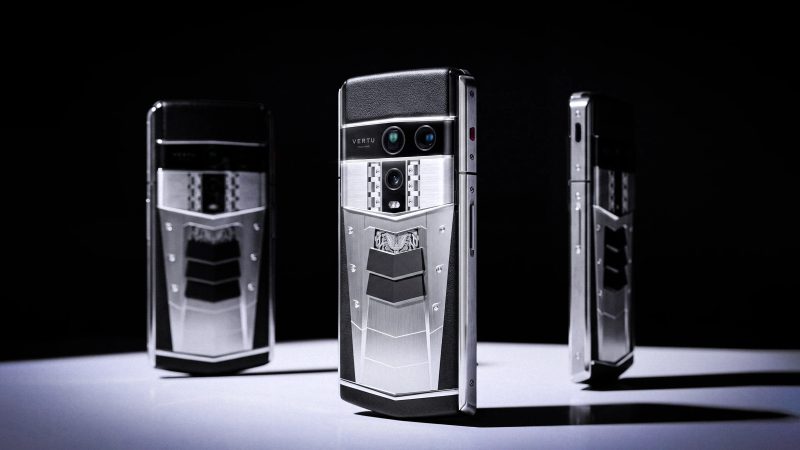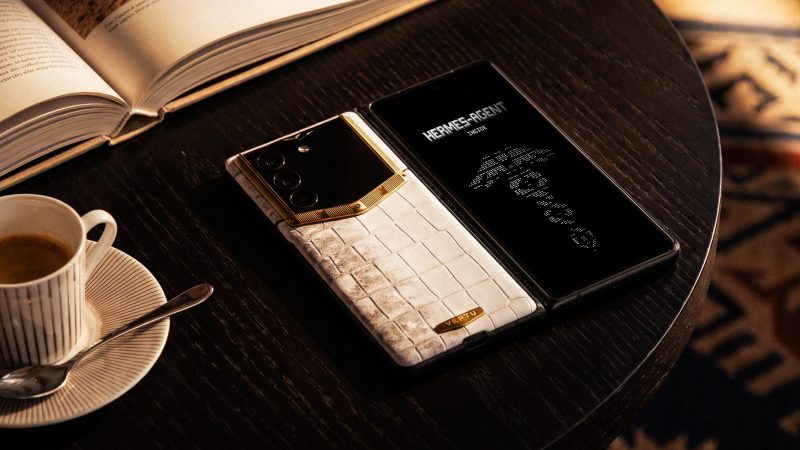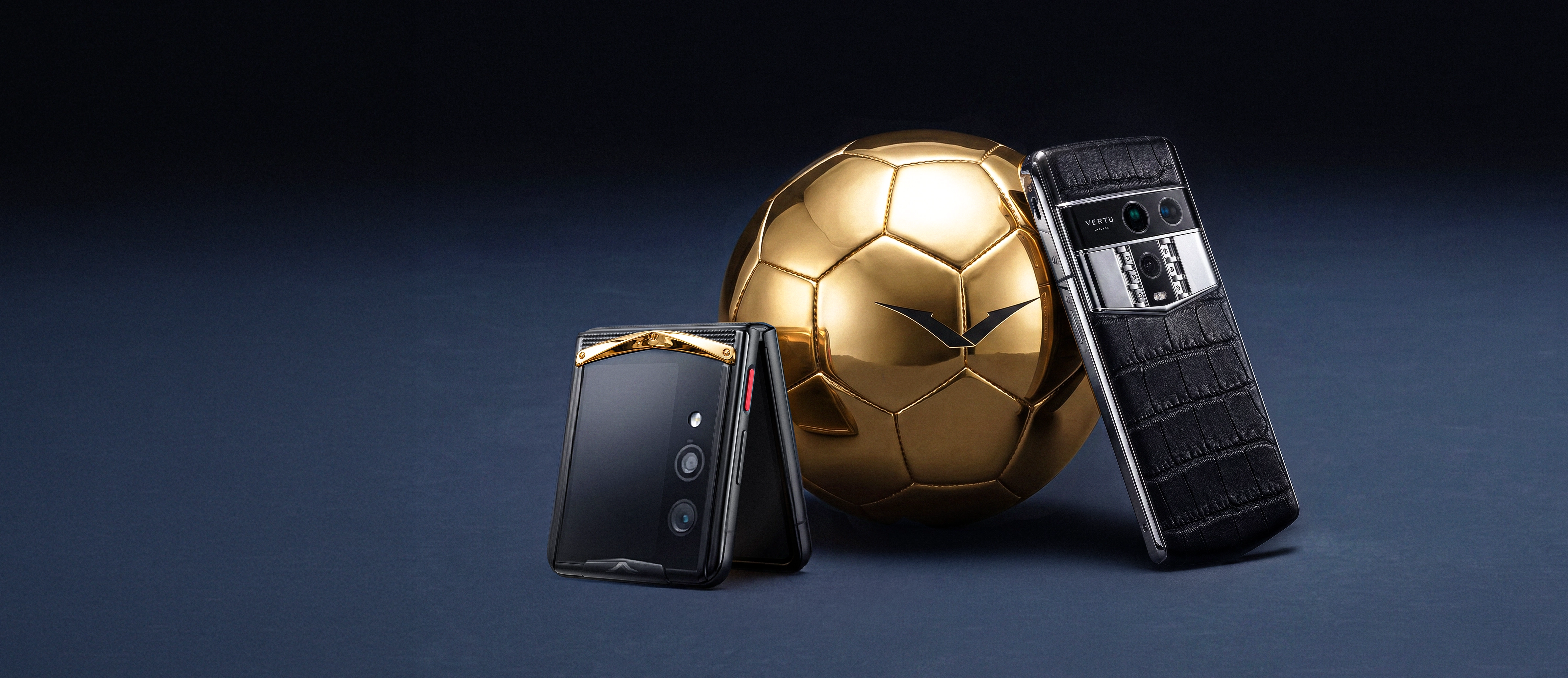
If you’re shopping for luxury mobile phones, you’re not buying “better specs.” You’re buying a device you can trust, a build that will age well, and an ownership experience that doesn’t become work.
This is a decision-stage guide. You’re close to committing. The goal is to help you choose with a verification-first workflow—so you reduce risk before money changes hands.
Key takeaways
Treat authenticity like an audit trail: verify identifiers before you pay, match them on arrival, and keep your return window open until checks pass.
Prioritize what you can’t retrofit later: after-sales eligibility, privacy posture, and a credible support pathway.
Separate “craft you can inspect” from marketing language you can’t verify.
If the deal depends on urgency, vagueness, or off-platform payment, walk away.
Luxury mobile phones: the decision framework
A good luxury smartphone buyer’s guide starts with a blunt truth: most “features” are easy to list and hard to live with. You’ll be happier if you judge the phone as two things at once:
A personal object (feel, materials, aging, finish)
A critical tool (privacy posture, support, service eligibility)
When these two sides are aligned, the phone feels effortless. When they’re not, you’re left managing friction: repairs, uncertainty, and a device you hesitate to rely on.
Step 1: Define what “luxury” means for you
Most regret comes from skipping this step. In practice, luxury phone purchases usually orbit three pillars.
Ownership experience
Do you want white-glove support and a service relationship—or are you purely buying an object? If service is a core need, your shortlist changes immediately.
Privacy posture
Not “is it secure?” but what happens to your data in daily use: authentication, device isolation, and what the device does when you ask it to handle sensitive work.
Craft and aging
Luxury is partly about how the device feels on day one—and how it looks on day 365. Materials, finishing, and repairability matter.
Collector’s note: If you’re gifting, treat “support continuity” as part of the gift. A beautiful device with unclear service history is not a luxury experience—it’s a future problem.
Step 2: Use a simple evaluation grid (must-haves, deal-breakers, nice-to-haves)
A clean framework prevents two classic mistakes: buying a trophy you don’t enjoy using, or buying a tool you don’t fully trust.
Must-haves (non-negotiable)
A buying channel you can trust, with a return policy that protects you.
A support pathway you can actually use where you live and travel.
A privacy posture that matches your risk level.
Deal-breakers (walk-away signals)
The seller won’t share verifiable identifiers before you pay.
Documentation is missing, inconsistent, or “will be sent later.”
The deal requires off-platform payment or rushed timelines.
Nice-to-haves
Personalization that doesn’t compromise future service.
A form factor that matches your daily rhythm (foldable, classic keypad, modern slab).
If you want a fuller decision structure, see VERTU’s guide on choosing luxury mobile phones.
Step 3: Decide your buying route (new, authorized retail, vetted resale)
Luxury phones are a provenance purchase. The “where” can matter as much as the “what.”
New (lowest friction)
Buying new should give you the cleanest start: clear documentation, clean service eligibility, and fewer unknowns.
Authorized retail (still low friction)
Authorized channels can offer strong provenance, especially if you value in-person inspection and a clean paper trail.
Resale (only if you’re willing to verify)
Resale can be reasonable when you can validate identifiers, documents, and return terms. But the risk profile rises quickly if the seller is evasive.
This is the moment to ask the unglamorous question: where to buy a luxury phone so it remains an asset, not an ongoing troubleshooting project.
Step 4: Verification-first workflow (before you pay, on arrival, first 24 hours)
If you take one thing from this guide, make it this: verification comes before commitment.
Before you pay
Start by requesting the device identifiers (IMEI / serial). If the seller refuses, stop.
For buyers considering VERTU, the brand publishes a clear chain-of-proof approach in its VERTU authenticity checklist, including an official check step using the VERTU Check Authenticity tool.
How to verify: The strongest signal isn’t a close-up image. It’s whether the seller supports a verification-first workflow—identifiers upfront, clean documents, and no pressure to “just send the deposit.”
When the device arrives
Match identifiers everywhere: device, packaging, and documentation. A mismatch breaks the audit trail.
Do not finalize personalization, irreversible setup, or gifting presentation until your checks pass.
First 24 hours
Confirm the device works as intended and that you can access eligible support/services. Keep the return window open until you’re confident.
If you’re looking for a direct checklist framing, VERTU’s “buy safely” guidance is a useful reference for deal-breakers and documentation discipline.
Step 5: Choose the form factor that matches your life
High-end cell phones fail when they’re bought as trophies but used as tools. Pick the daily experience first.
Classic keypad vs modern touchscreen
A classic keypad experience can feel calmer and more intentional—especially if you want a device that does less, better.
A modern touchscreen experience tends to win if you need full app breadth, modern cameras, and frequent mobility use.
Foldable vs non-foldable
Foldables can be compelling if you genuinely benefit from a larger canvas (documents, travel workflows, executive coordination). If the larger screen doesn’t change your day, you’re paying for complexity you won’t use.
Step 6: Security and privacy—evaluate posture, not slogans
Security isn’t a spec. It’s a model:
How you authenticate and recover access
How sensitive apps and data are isolated
How updates and support work over time
A practical starting point is to define a one-sentence “threat model.” For example:
“I need to reduce the risk of account takeover and leakage from everyday apps.”
“I travel constantly and can’t afford device downtime.”
“My risk is more social and operational than technical—I want calmer communication.”
For a security-focused evaluation lens (US-oriented), see security and privacy criteria for executives.
Step 7: Decide whether concierge/service is worth paying for
Concierge is polarizing because people misjudge it as a “perk.” The more useful way to evaluate it is as an operating system for your time.
Concierge matters most when:
Your calendar changes in-flight.
You cross time zones and need coordination outside normal business hours.
You’re arranging high-stakes logistics (travel changes, last-minute bookings, time-critical support).
It matters least when:
Your lifestyle is stable and well-supported by an assistant team.
You’re buying primarily as a collectible object.
The point isn’t to “use it often.” The point is that when you need it, you need it immediately—and the experience should feel frictionless.
Step 8: Shortlist without getting trapped by “best of” lists
The phrase “best luxury phone” is usually shorthand for someone else’s priorities.
Instead:
Start with your must-haves and deal-breakers.
Pick the form factor that matches your daily workflow.
Confirm provenance and service eligibility.
Then compare the remaining devices on finish, feel, and personalization.
If you’re narrowing within one brand’s lineup, a models reference page can keep you grounded. For example, VERTU’s models guide is structured to support shortlisting.
A short video walkthrough
Next steps
If you want this decision to feel simple:
Write one sentence describing your threat model (social, operational, or technical).
Decide whether you’re buying for daily use, gifting, or collecting.
Choose the channel you trust, then verify before you commit.
If you want to go deeper on verification mechanics, here is the direct answer to a common question—how to verify a Vertu phone is authentic—using the brand’s published checklist and official tool.
Disclosure: This article references VERTU pages. Editorial judgment remains the priority.