Key TakeawayThe “best smart phone in USA” for an executive isn’t the one with the flashiest camera. It’s the one that minimizes risk (security + updates), reduces friction (ecosystem + support), and holds up under travel.
Key takeaways
Define your threat model and your support expectations before you compare models.
Prioritize hardware-backed security, update horizon, and aftercare over minor spec differences.
Treat AI as a privacy decision: ask what runs on-device vs in the cloud.
If you’re considering luxury devices, evaluate the service layer as carefully as the phone.
Start here: what “best” means for an executive
Most “best phone” lists assume you’re buying for entertainment, photography, or a general upgrade cycle.
Executives buy differently. Your phone is closer to a passport than a gadget: it carries identity, access, confidential work, and the logistics of a moving calendar.
Your threat model in one sentence
Write a single sentence that describes what you’re protecting against.
Examples:
“I’m protecting board materials and deal flow while traveling internationally.”
“I’m protecting high-value accounts and authentication for banking and investments.”
If you can’t summarize your risk, you’ll overpay for features you don’t need—and miss the ones you do.
Your travel pattern and connectivity reality
A US-based buyer still lives in multiple networks: hotel Wi‑Fi, airport lounges, roaming, tethering for colleagues, and the occasional dead zone.
A carrier checklist can help you surface practical constraints (coverage, plan structure, travel needs). Verizon’s cell phone buyer’s guide is a useful baseline, even if you don’t use Verizon.
The 8 criteria that actually decide the best smart phone in USA
A mainstream guide might lead with camera and display. Those matter—but for executives they’re supporting actors.
Below is the short list that decides whether a phone is a reliable daily driver—or a recurring liability.
1) Security architecture (not “security features”)
Look for hardware-backed security concepts (secure boot, protected keys, encrypted storage), then evaluate how the system behaves under stress: lost device, suspicious login attempt, travel Wi‑Fi, and account recovery.
Collector’s note: If a brand can’t explain its security posture in plain language, assume it’s marketing—not architecture.
2) Update horizon + patch cadence
Security is not a one-time purchase.
A phone’s real “shelf life” is the period during which it receives meaningful security updates. Many buyers underestimate this.
3) Enterprise readiness: MDM/EMM compatibility
If you use corporate email, corporate apps, or device policies, you’re living in enterprise reality—whether you call it that or not.
A practical business checklist typically includes MDM/EMM support and enrollment, policy controls, and device longevity as core criteria (see this 2026 business phone checklist that emphasizes security chips, management, and support).
4) Ecosystem fit: Apple, Google, Microsoft
Pick the ecosystem you’ll actually live in.
If your work is tightly coupled to Apple services and devices, iOS tends to be the lower-friction choice.
If you rely on Google Workspace and want maximum Android flexibility, Pixel/Samsung paths tend to dominate.
If you’re in Microsoft-heavy environments, focus on stability, identity hygiene, and predictable authentication flows.
Ecosystem fit isn’t about brand loyalty; it’s about removing daily friction.
5) “Boring reliability”: calls, battery, thermals
Most premium buyers still rank fundamentals above novelty.
A YouGov analysis of what premium and ultra-premium US buyers prioritize puts battery life at the top of the list—because it quietly controls everything else.
A mainstream benchmark like PCMag’s best phones we’ve tested (2026) also shows how often top picks converge on “battery + performance + software support” as the real daily differentiators, once you strip away marketing.
For executives, “reliability” also means:
your phone doesn’t overheat under real usage,
calls stay stable,
battery holds up during travel days.
6) Travel readiness: eSIM, roaming, hotspot behavior
If you travel, you’ll eventually run dual lines or multiple eSIM profiles.
The best phone for business in USA is the one that handles:
quick carrier switches,
dependable hotspot performance,
predictable roaming behavior, without turning your day into a troubleshooting session.
7) Support and aftercare (the most ignored criterion)
This is the executive difference-maker.
Ask:
What happens when your device fails while traveling?
Is repair straightforward and fast?
Do you have an escalation path, or a generic support queue?
Support is not a “nice to have.” It’s your downtime insurance.
8) Privacy controls and separation
Privacy-first doesn’t mean paranoia.
It means clean boundaries:
permission discipline (microphone, camera, location),
separation between sensitive work and everyday apps,
a recovery plan that assumes your number and accounts are valuable.
Red flags that should remove a phone from your shortlist
A buyer’s guide is only useful if it helps you eliminate options.
Here are the red flags that matter for executives:
- Unclear update policyif you can’t verify how long security updates last, don’t bet your identity on it.
- No credible support routeif support feels like a consumer helpdesk, expect consumer outcomes.
- Security marketing without specifics“military grade” language with no architecture detail.
- Ecosystem misfita phone that constantly fights your apps, authentication, or workflow.
- Over-privileged appsif the device UX encourages broad permissions by default, you’ll end up leaking data through convenience.
A short shortlist framework (not a top-10 list)
If you came here for a single “best” model, you’ll get a better outcome by choosing the right path.
Path A: iPhone-first executives
Choose this path if your world is Apple-heavy and you want maximum stability with minimal configuration overhead.
Your deciding questions:
Do you need the largest screen for documents and travel work?
Is your day camera-heavy (events, content), or purely operational?
Path B: Android flagship executives
Choose this path if you want Android flexibility, better fit for certain enterprise configurations, and you’re comfortable with a bit more setup.
Your deciding questions:
Do you need desktop-style workflows and multitasking?
Do you want tighter control over default apps and permissions?
Path C: privacy-specialist buyers
Choose this path if your risk profile is higher than your average peer: sensitive communications, targeted threats, or strict operational discipline.
Your deciding questions:
Can you commit to a stricter app policy and fewer “nice” integrations?
Do you have a recovery plan (not just a password manager) if the device disappears?
Where a luxury phone can make sense (without pretending it’s for everyone)
A luxury phone is rarely a rational purchase if you measure only camera, benchmarks, or “best value.”
It can be rational if you measure ownership: privacy posture, craftsmanship you enjoy handling daily, and a service layer that reduces friction.
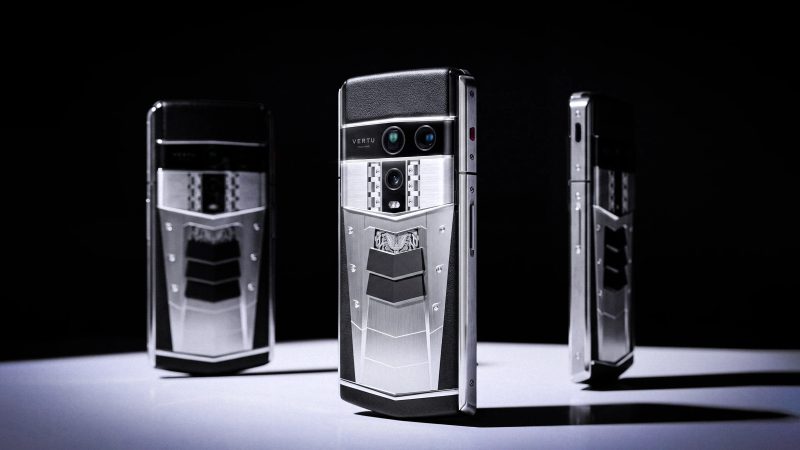
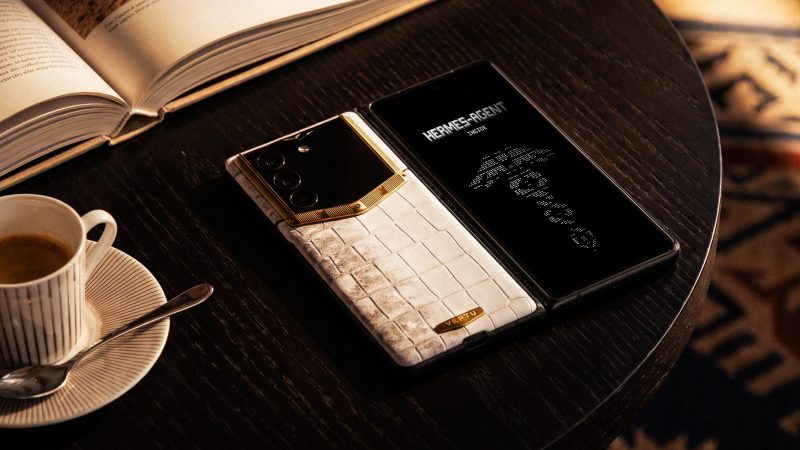
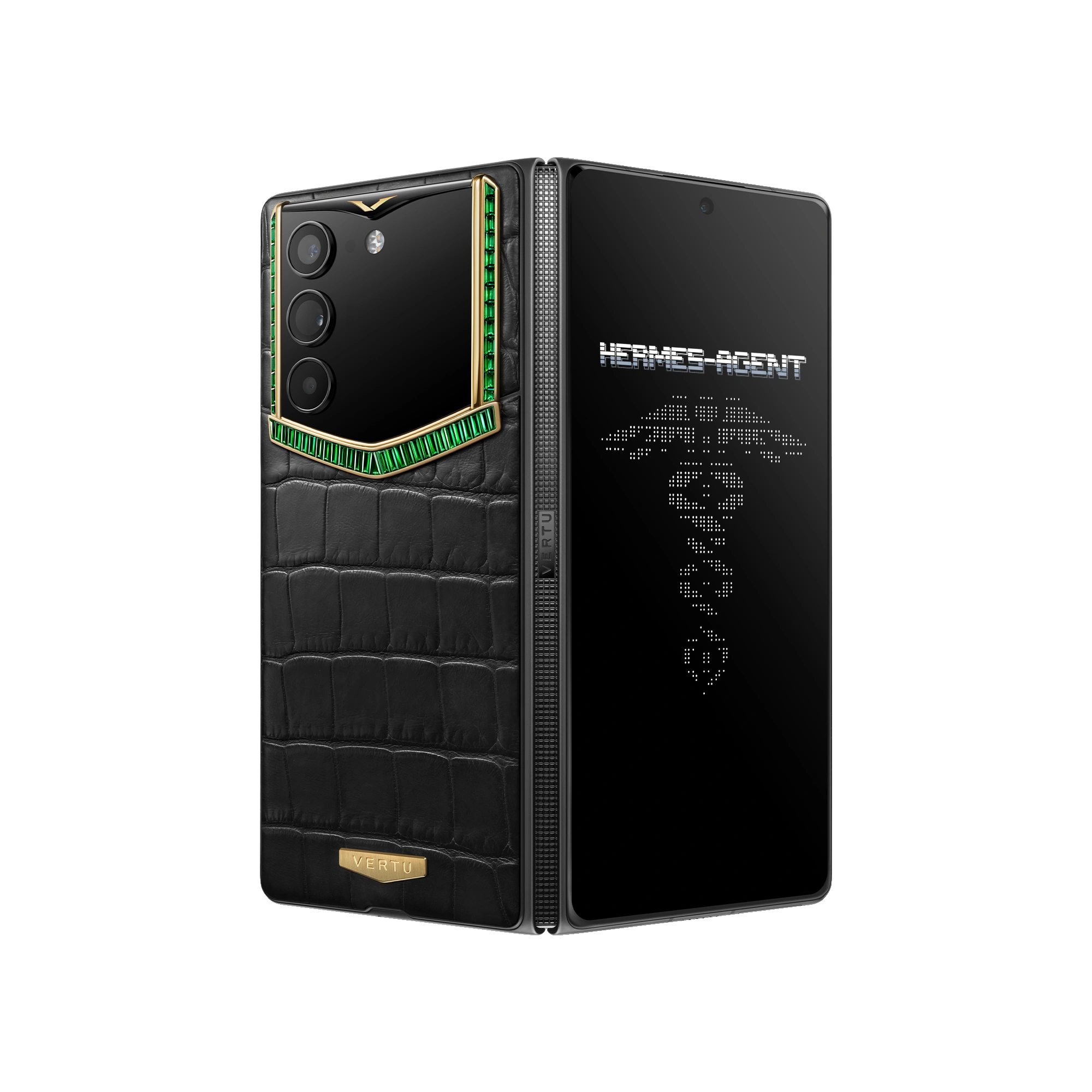
For executives evaluating luxury devices, start with a clear definition of what you’re actually buying: VERTU’s perspective in what a secure luxury smartphone really means is a practical framing.
If the service component matters, treat it like you’d evaluate a private service firm—access, discretion, and follow-through. VERTU also publishes a useful checklist in its buyer guide to a luxury phone with 24/7 concierge service.
Watch: productivity-focused phones in 2026
The goal here isn’t to outsource your decision to a video. It’s to see how a reviewer frames “productivity phones” beyond camera talk.
FAQ
What is the best smart phone in USA for business executives?
The best choice is the phone that gives you a stable security posture (hardware-backed security + consistent updates), low-friction ecosystem fit, and predictable support. Start with your threat model, then shortlist within the ecosystem you’ll actually use.
Is “privacy-first” about buying a special phone?
Not always. Privacy-first is usually a combination of device security, update discipline, permission control, and clean separation between sensitive and everyday use.
Should I choose iPhone or Android for business in the US?
Choose the ecosystem that reduces daily friction in your work.
If your workflow is Apple-centric, iPhone tends to be the simplest operationally. If you want flexibility and deeper configuration, Android flagships can be an excellent fit—especially when enterprise management and policy control matter.
Does a concierge service actually matter on a smartphone?
It matters if your life contains coordination-heavy moments (travel disruptions, reservations, logistics, high-stakes scheduling) where follow-through saves time.
If you want to sanity-check whether concierge is real and current, see VERTU’s note on whether concierge service still exists (2025).
Next steps
If you want to make this decision quickly, do this:
Write your threat model (one sentence).
Pick your ecosystem path (iPhone-first, Android flagship, or privacy-specialist).
Score 2–3 finalists against the eight criteria above—especially update horizon and aftercare.
If a luxury option is on your shortlist, explore the broader landscape in the VERTU phone collection and evaluate the service layer as deliberately as the hardware.
Disclosure: This article references VERTU pages. Editorial judgment remains the priority.