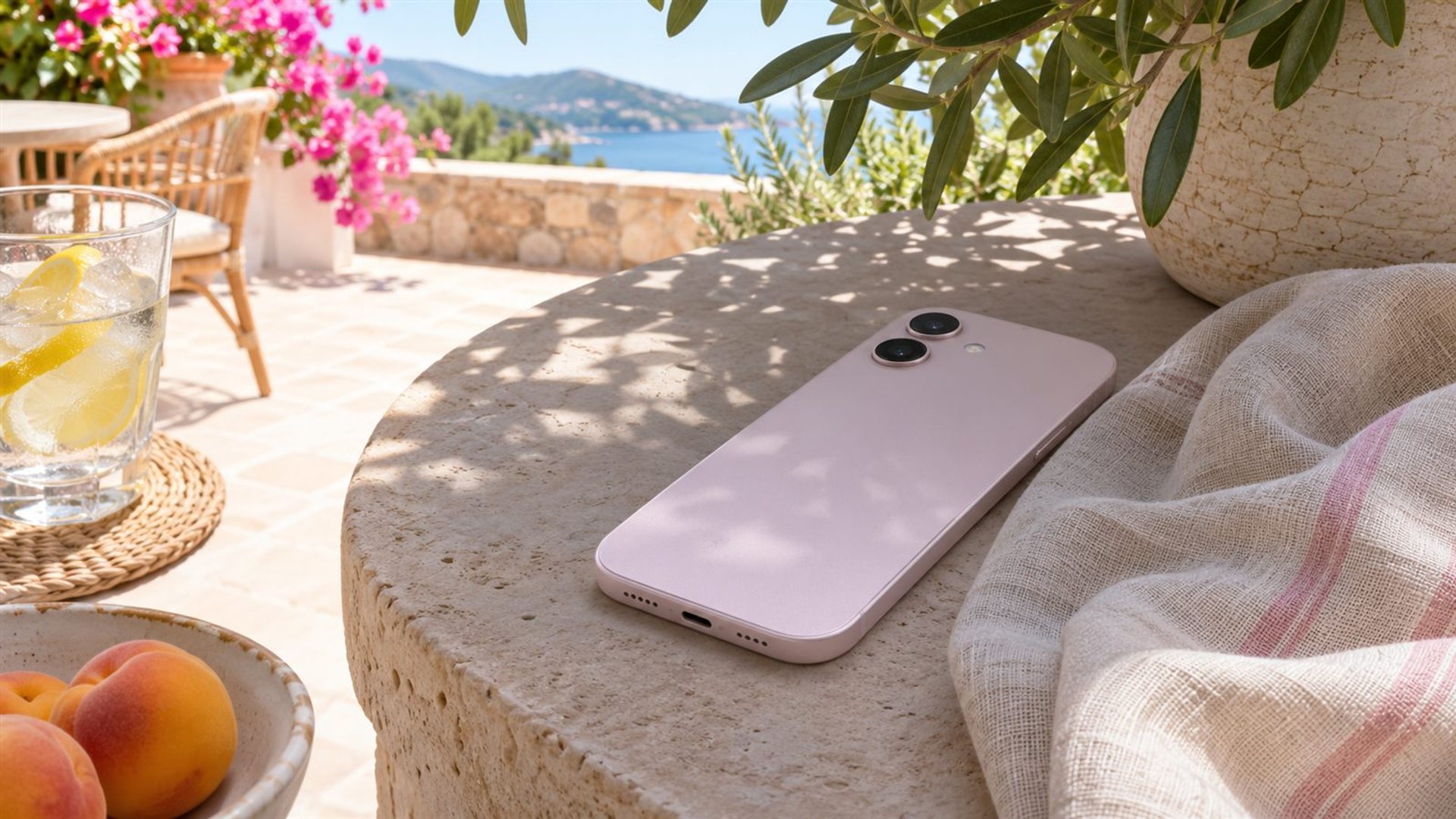
A light phone finish may show colour transfer, surface marks or apparent yellowing more clearly after summer use, but heat alone is not a proven explanation for every change. Direct sun, sunscreen, sweat, a transparent case and ordinary wear can contribute depending on the actual materials. Keep the device out of hot cars and prolonged sunlight, clean only as its maker instructs, and identify the exact finish before attempting a treatment.
First identify what is actually light-coloured
A phone may have light leather, painted metal, ceramic, coloured glass, a polymer case or a removable cover. These surfaces do not age or clean in the same way. “Pastel coating” is a visual description until the manufacturer confirms a coating and its composition. If you treat a leather panel as painted plastic, or a removable case as the phone's finish, you may apply the wrong remedy. Read the product listing and purchase configuration before drawing a conclusion.
Remove an accessory only if it is designed to be removed, then compare it with the underlying device in even daylight. Is the colour change on the case, the phone or both? Does it follow the edge of a pocket or the outline of a hand? Is there a mark where cosmetics touched it? These observations are more useful to support staff than “the heat changed the colour.” Photograph both sides, including a clean area for comparison.
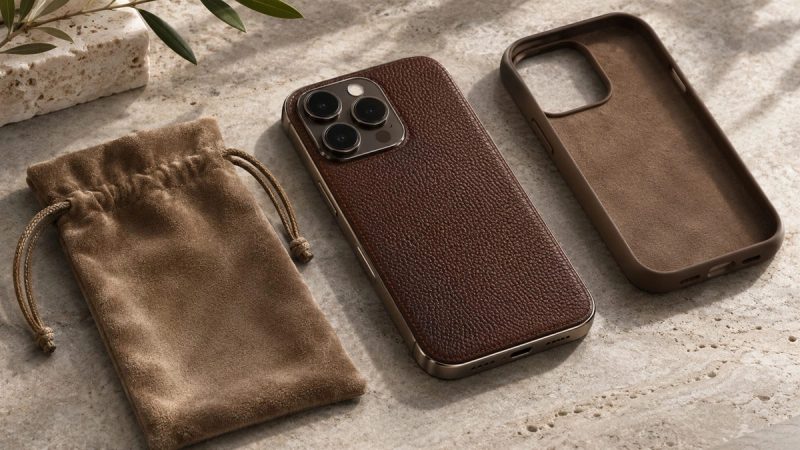
For the VERTU context, the Aster P collection lists several leather and other material configurations. The reviewed official information does not confirm a standard Aster P “pastel coating” model or a coating formula, and current collection listings may vary in availability. Do not assume that a colour idea seen in an editorial image describes a purchasable SKU. Confirm the exact material and current variant with VERTU before applying any care advice.
What does summer heat do to the phone itself?
High ambient heat and direct sun can affect electronics and battery behaviour even when the exterior looks unchanged. Apple's heat guidance tells iPhone owners to avoid leaving devices in cars on hot days or in direct sunlight for extended periods, and notes that high temperature may cause temporary performance changes. Those temperature figures and protections are Apple-specific, not VERTU specifications. The broader practical habit is to keep any phone shaded and follow its own operating guidance.
A parked car, sunny windowsill or beach towel can expose a device to more heat than the weather report suggests. Do not charge a phone that feels unusually hot; allow it to cool naturally in a shaded, ventilated place. Avoid a refrigerator, ice pack or sudden cooling that may introduce moisture. If the device shows a temperature warning or behaves unusually, follow its manufacturer's instructions and seek service if it does not recover.
Heat may also change how residues appear. Sunscreen, hand lotion and oils can accumulate on a pale surface and look like discoloration. A protective case can trap dirt against the phone or itself age visibly. Do not assume that a yellow mark means the phone's finish has chemically changed. Inspect the removable parts and cleaning history before making that claim.
Can a transparent case yellow?
Yes, some transparent case materials can change colour with use. Huawei's support guidance explains that its transparent TPU/PC case may yellow after exposure to sunlight, sweat or smudges. That statement concerns Huawei's described case material; it does not prove that an Aster P or another phone has the same case or ageing pattern. It does show why the accessory and device finish should be assessed separately.
If a removable case has yellowed, replacing that case may solve the visible problem without altering the handset. If the mark is on the phone, do not try to strip it with solvent. A light exterior can be especially sensitive to dye transfer from dark denim, bags or cosmetics, but the remedy depends on its exact material and finish. Ask the maker what cleaning method is approved for your variant.
How should you clean a light finish?
Begin with the official care instructions and the least intrusive approved method. A clean, soft, dry cloth may remove loose dust from many surfaces, but liquid cleaning agents and pressure around seams can cause problems. Leather, ceramics and plated components each require different handling. Do not use alcohol, bleach, abrasive pads, stain removers or generic leather conditioners just because they work on another object.
If the mark is fresh, document it before cleaning. If it followed contact with sunscreen, perfume or food, tell support exactly what touched the device. Avoid repeated scrubbing that could remove the original finish while chasing a stain. If an approved wipe fails, stop rather than escalating to stronger chemicals. VERTU's repair policy distinguishes normal wear and damage from defects in materials or workmanship; a service assessment may be needed for a disputed finish change.
What daily habits reduce avoidable change?
Keep the phone out of direct sun when you are not using it. Do not leave it in a parked vehicle. Wash or dry hands after applying sunscreen or lotion before handling a delicate exterior. Carry the device separately from keys, rough metal and dark items that may rub against it. A suitable pouch can limit abrasion, but do not seal a wet or hot phone into a tight enclosure.
Choose a stable place to charge in a temperate room, with enough airflow and the recommended accessories. Remove a case only if the phone maker advises it or if the case is visibly trapping heat; do not assume every configuration benefits from the same routine. When travelling, check the phone after a day of heat exposure and note any new change while it is easy to remember the circumstances.
Photographs taken under consistent light can help. A warm restaurant lamp can make ivory look yellow, while a cool office lamp can make gold look grey. Compare the phone in daylight beside the original purchase photographs, but remember that online images may have been edited. The strongest evidence of a change is a clear before-and-after record of the same device, not a comparison with a marketing picture.
When should you ask for service?
Contact the maker if the surface peels, bubbles, separates, changes abruptly or remains marked after approved cleaning. Provide the model, variant, serial or order information, photographs and exposure history. Ask whether the condition is cosmetic wear, a material issue or a removable accessory problem. Do not claim a defect or warranty outcome in advance; the service team must inspect the exact phone.
A pale finish is a design choice, not a promise of uniform ageing. Some natural materials develop character, while others should retain a consistent surface under normal use. Knowing which material you own is the foundation for sensible care. The summer strategy is simple: reduce heat and residue exposure, clean conservatively, and seek product-specific advice before trying to reverse a change.
Frequently asked questions
Does heat always yellow a light phone?
No. Appearance changes can have several causes; identify the material, accessory and exposure before attributing a mark to heat.
Can I use alcohol to remove sunscreen?
Only if the exact manufacturer instructions permit it for that surface. Otherwise, ask support rather than risking finish damage.
Is Aster P sold in a standard pastel-coated version?
The reviewed official collection does not verify that SKU or coating. Confirm the exact current variant with VERTU.
Should I leave the phone in a case all summer?
Use only a suitable case and follow device guidance. A case can protect from abrasion but may also collect residue or alter heat dissipation.