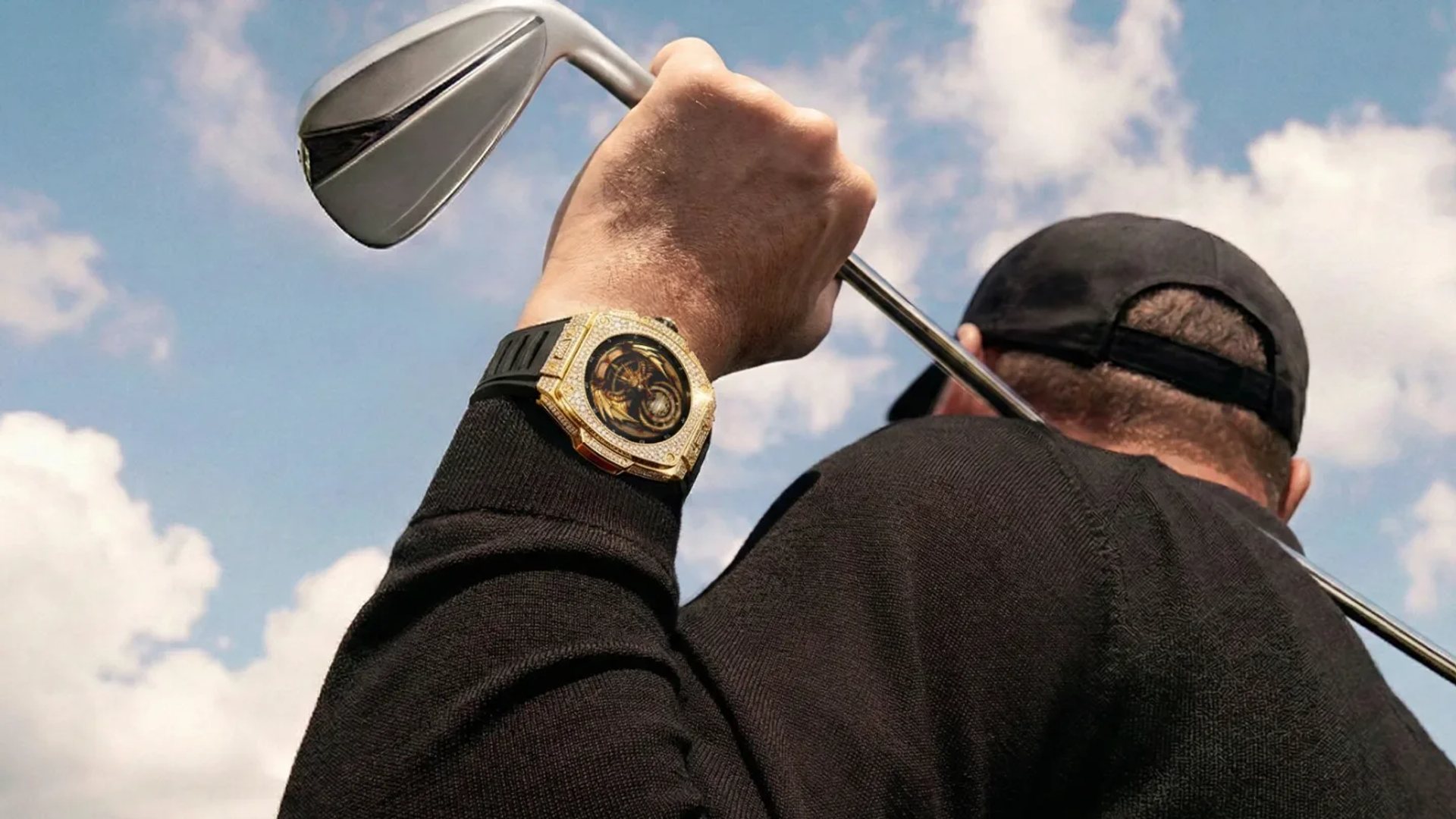
The watch strap vs bracelet decision is best made with the complete watch on your wrist. A flexible strap and a linked metal bracelet offer different constructions, but comfort depends on the particular material, fastening and adjustment. Compare their fit at a desk, under your usual cuff and during ordinary movement before choosing by appearance.
This is a practical comparison of buying considerations, supported by manufacturer care guidance and named product examples. It is not a hands-on comfort ranking, and no material is treated as automatically more comfortable, more prestigious or more suitable for every occasion.
Key Takeaways
- Judge the fastening and available adjustment alongside the material touching your wrist.
- Ask what a bracelet can be shortened to before having links removed.
- Read the care instructions for the exact strap; a water-resistant watch does not give every attached band the same permission.
- Confirm connector compatibility before planning a future change.
- Compare two real configurations rather than imagining a universal contest between all straps and all bracelets.
What is the distinction?
In this guide, “strap” means a non-metal band, such as a leather or elastomer version, while “bracelet” means a linked metal construction. Retail terminology varies, so ask the seller what is actually supplied. A product described simply as a watch band needs a more precise material and fastening description before you can compare it usefully.
Break the choice into three parts: the material, the way it is assembled and the way it closes. Two straps need not share the same lining or buckle. Two bracelets need not have the same link construction or adjustment system. Read the specification for the chosen reference rather than attributing a feature to every product in its material category.
Also distinguish the watch case from the attachment. A ceramic, carbon or crystal case does not tell you what touches the underside of your wrist. Ask for the strap or bracelet material, clasp material and available size information separately. This is especially useful when photographs show several configurations or a collection page combines different models.
Which one feels better during the day?
Try the exact configuration and describe what you feel, rather than choosing from general claims about comfort. Rest your wrist on a desk, turn your hand and fasten a cuff. Check the pressure beneath the clasp, the edges beside your wrist and whether the watch remains in the position you want without being tightened excessively.
With a strap, look at where it bends around the case, how the end is retained and where the buckle sits. With a bracelet, inspect the links beside the case and the way the clasp rests underneath. If either configuration presses or catches, ask whether a different size or approved adjustment can address the particular problem. Do not assume that more wearing time will resolve it.
For a connected watch, follow the model's sensor-wearing instructions as well. Apple's guidance for its own watches, for example, explains the importance of a close but comfortable fit and skin contact for certain features. A loose, decorative drape may not be the wearing position the maker specifies for a particular function.
How much adjustment is enough?
Ask the retailer to demonstrate the usable range. For a strap with holes, try the positions on either side of your preferred setting. For a bracelet, discuss the removable links and any clasp adjustment. The answer should identify what is possible on your chosen reference, including any limits at the smallest size.
Fine adjustment is a specific mechanism, not a benefit that every metal bracelet includes. The Rolex Datejust 31 reference 278240, for example, is listed with an Easylink system that provides approximately 5 mm of extension. This illustrates what a documented adjustment feature looks like; it is not a feature claim for VERTU or for other bracelets.
Before any links are removed or a strap is cut, settle who will do the work and how alteration affects the purchase terms. Retain any removed links or supplied fittings. If you intend to change the fit yourself later, ask for the maker's instructions and the appropriate service route instead of improvising on unfamiliar pins or screws.
How do water and care change the choice?
Use the manufacturer's instructions as the deciding evidence. Seiko's band-care guidance distinguishes care for metal, leather, fabric and silicone. It explains that leather can deteriorate or discolour with moisture, perspiration and prolonged sunlight, and that the condition of a metal band also depends on cleaning and care.
Do not translate that into “metal needs no maintenance” or “all non-metal straps can be washed”. Check the exact material and finish. When cleaning an attachment, protect the watch body in the way its own instructions require. If the product documentation does not explain a cleaning method, ask the maker before using detergent, alcohol or a conditioner.
Plan around the exposures you expect. If you swim, exercise or work around water, ask whether that particular watch and attachment are approved for the activity. If you prefer leather for the working day, discuss whether another approved configuration is appropriate for a different use. Neither the case rating nor the material's name alone settles the question.
For a separate discussion of seasonal use, see the summer watch strap guide. Keep the present comparison centred on your daily fit and fastening, with the exact product's care instructions controlling maintenance.
| Buying question | Check on a strap | Check on a metal bracelet |
|---|---|---|
| Can I reach a comfortable fit? | Usable adjustment positions and retained tail | Minimum size, removable links and clasp adjustment |
| Does it suit desk work? | Buckle location and underside pressure | Clasp location and link edges |
| How do I care for it? | Instructions for the exact material and lining | Instructions for links, clasp and finish |
| Can it be changed later? | Approved connector and replacement sizes | Approved end links and service requirements |
What should you verify before changing bands?
Ask for compatibility with the exact case reference, not only a nominal width. Request confirmation of the connector, attachment method and approved replacement. If a retailer proposes an alternative, ask whether it is an authorised option and which warranty or service conditions apply. Keep that answer with the product details.
Have the retailer demonstrate that the attachment is properly secured after a change. Do not force an unfamiliar connector or assume that a close visual match is sufficient. If the watch uses an integrated design, begin the conversation with the maker's available options rather than purchasing a separate strap in the hope that it will fit.
Consider the complete price of the configuration you want: the watch, approved replacement, adjustment and any fitting service. Ask for an actual quotation rather than assuming a strap is always inexpensive or a bracelet always costs more. Finishes, construction and service arrangements vary, and an unsupported price generalisation does little to help a real purchase.
How does this apply to VERTU watches?
The VERTU Agent Watch listing identifies a fluoroelastomer strap alongside its crystal tonneau case. Treat that pairing as a complete design to try, especially at the point where the strap meets the case. The material label does not establish the wearing range or guarantee that a different attachment will be compatible.
The Grand Watch collection offers another tonneau design direction. Compare the actual selected reference rather than presenting Grand Watch as a generic metal-bracelet counterpart to Agent Watch. A collection name and a case description are insufficient evidence of the attachment supplied with every configuration.
Bring the same questions to either fitting: what is the strap material, how is it adjusted, which approved alternatives are available and how should it be maintained? Choose the VERTU configuration whose complete design suits your intended use. Compare the configurations available for the exact reference, and confirm any replacement-band compatibility before ordering.
For related ownership and buying decisions, explore the VERTU guides alongside the current instructions for your selected watch.
Frequently Asked Questions
Is a bracelet always more comfortable than a strap?
No. Compare the individual construction, adjustment and clasp placement on your wrist. A material category cannot substitute for that check.
Can I swim with a leather strap on a water-resistant watch?
Only follow the permission given for that particular watch and strap. Do not extend the case's rating to an attachment without checking its own instructions.
Should I buy the watch with both options?
Buy both only if they are confirmed compatible and solve real needs in your routine. Check the full cost and fitting process before deciding.
Conclusion
Resolve the watch strap vs bracelet choice by comparing fit, adjustment, care and compatibility on the complete watch. Practise the fastening, wear it under your cuff and ask how it will be maintained. The right attachment is the one you can comfortably use and properly care for in your own routine.