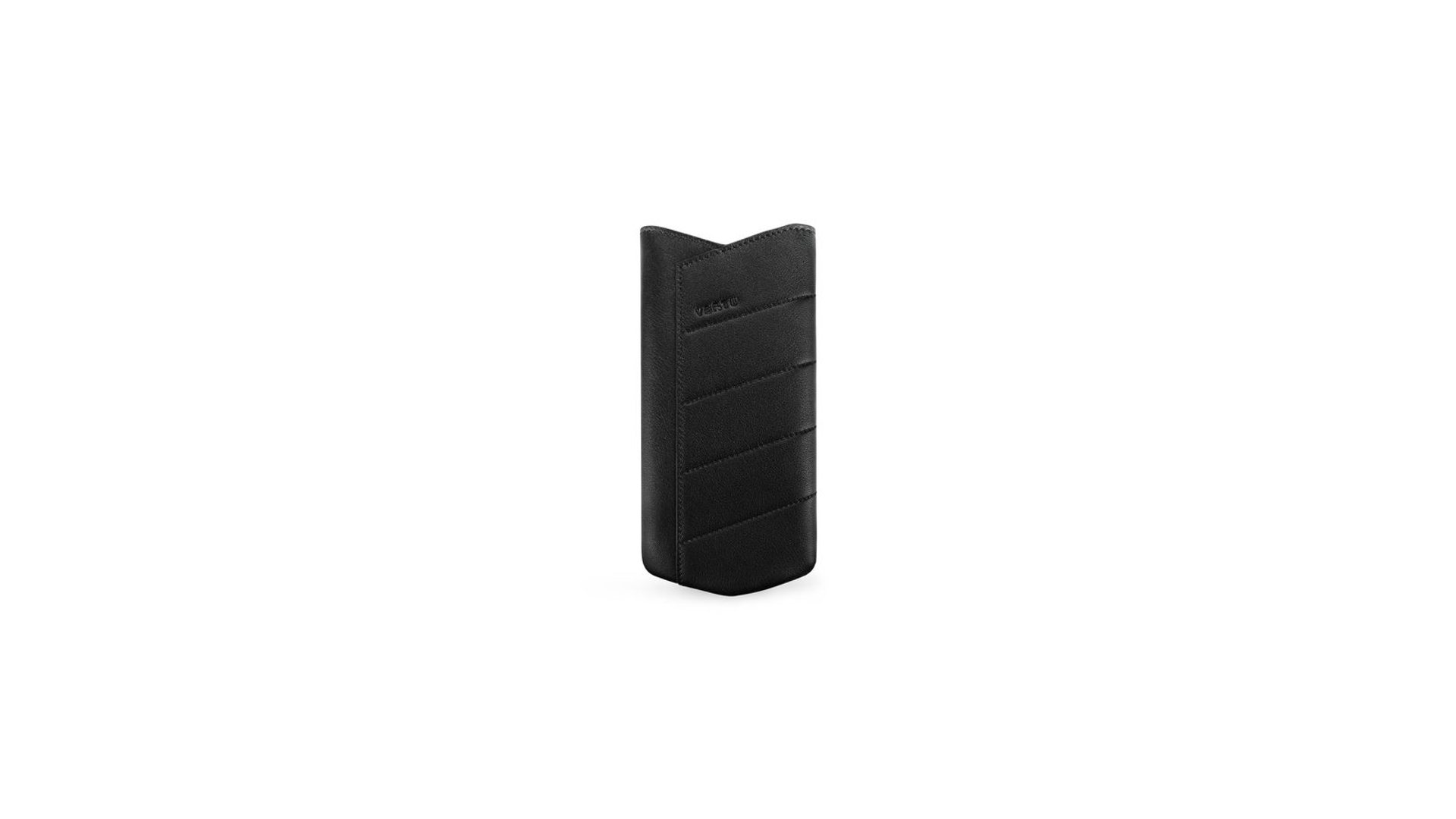
Choose a luxury leather phone case by checking the exact handset, how you want to carry and use it, and which protection claims have evidence. Decide between a slip sleeve and a cover that stays on the phone before comparing finishes. Leather quality matters, but an appealing material description cannot establish compatibility, charging support or drop performance.
This guide is based on current product descriptions and practical buying checks, rather than hands-on drop testing or a ranking of leather suppliers.
Key Takeaways
- Match the precise phone model and edition before considering colour or texture.
- Choose the carry format around your normal routine, including how often you need the screen.
- Ask for specific material and lining information instead of inferring it from a photograph.
- Keep scratch protection, impact performance and water resistance as separate questions.
- Verify charging, service and return details for the exact product and market before ordering.
Should you choose a slip sleeve or a fitted cover?
Choose the format first because it changes the ownership routine. A slip sleeve is a separate receptacle from which you retrieve the phone; a fitted cover is intended to remain attached during ordinary use. Do not treat the two descriptions as interchangeable when comparing listings.
Picture the moment you most often reach for the handset. If you prefer using the phone without an attached cover, investigate a sleeve and test its insertion and retrieval. If you want the covering in place while reading or taking photographs, investigate a fitted design made for the exact handset.
| Question | Slip sleeve check | Fitted cover check |
|---|---|---|
| How will you use the phone? | Try removing and replacing it in your normal routine | Check grip and controls with the cover attached |
| How will you carry it? | Test the combined size in your intended pocket or bag | Check the covered handset in the same location |
| How will you charge it? | Read whether removal is required | Verify cable clearance and any claimed wireless compatibility |
| What protection is documented? | Ask what is covered during carry and at the opening | Ask for the relevant test and its conditions |
This table is a set of buying questions, not a claim that either format is inherently more protective. Keep your preferred way of using the handset in view before paying for a finish that does not fit that routine.
How do you confirm exact compatibility?
Read the product’s compatibility statement and compare it with your handset’s full model name. A shared brand name or similar screen size is not enough information to approve a fit. Ask the seller to confirm any ambiguity in writing.
For a sleeve, include questions about the handset’s outer dimensions and any accessory you intend to leave attached. For a fitted cover, ask about the intended camera arrangement, buttons, ports and other openings. Do not assume that a listing for one generation covers the next.
When trying a sample, insert the phone only as directed and stop if it needs force. Check whether you can retrieve it in a controlled way, whether any closure works normally and whether the setup matches the listing. Do not try to stretch, cut or reshape an expensive accessory as a fitting experiment.
For a gift, identify the recipient’s actual model before ordering. If you cannot confirm it, enquire about an appropriate purchase or return option instead of guessing. Compatibility is a more useful first decision than choosing a colour that happens to suit the recipient’s wardrobe.
Which leather details deserve a closer look?
Ask what the maker means by its material description. Separate the stated leather type from the finish, colour and pattern. Terms such as calf leather identify a material, while an embossed pattern describes a surface treatment or appearance; neither alone supplies a complete construction specification.
Look for a description of the surfaces that contact the phone, the edge finish and the assembly. If a listing does not state the lining material or how a seam is finished, ask rather than inferring it from a carefully lit photograph.
Use close-up images to prepare questions, not to certify hidden properties. A fine-looking texture does not prove a particular leather grade, country of origin, tanning process or manual production step. Those details need an explicit, applicable statement from the maker.
Choose colour with the way you intend to maintain it in mind. Ask about the approved cleaning method and the appearance changes to expect from that specific finish. If you want an accessory to remain visually uniform, discuss that preference before buying rather than treating every later change as a defect.
How much protection can you reasonably infer?
Very little beyond the product’s documented scope. Keep protection against surface abrasion separate from performance in a drop. If impact protection is decisive, request a product-specific test basis and read the conditions, rather than translating “protective” into an unstated height or certification.
Ask which part of the phone the product covers and when it provides that coverage. A carry sleeve is not in the same configuration once the handset has been removed. A fitted cover also needs assessment as a complete design, including the exposed areas and the way it fits.
Do not assume that leather means waterproof or that a substantial price means a drop test has been completed. Where the listing does not provide an ingress rating or test result, keep that point unverified and compare alternatives if it is essential to your purchase.
Write down your minimum requirement before browsing: for example, “separate the handset from loose items during carry” or “documented impact performance with the cover attached”. These are illustrative buying priorities. They prevent an attractive material from quietly changing the problem you set out to solve.
What about charging and daily access?
Verify the charging arrangement explicitly. If the product claims compatibility with a wireless charger or magnetic accessory, check the exact handset, charger and case combination covered. Do not infer the feature simply because the case looks thin or the underlying phone supports it.
For a wired setup, check the real connector you use rather than only the existence of a port opening. For a sleeve, read whether the phone should be removed before charging. Follow the handset and accessory instructions rather than improvising an enclosed charging arrangement.
Try a normal sequence during a fitting opportunity: retrieve the handset, unlock it, take a photograph, make a short call and put it away. Note where you need two hands or a place to set the sleeve. The right answer is the one that fits your habits, rather than a universal preference for the smallest or most elaborate design.
How do the VERTU calf-leather slip cases compare?
The Agent Q Slip Calf Leather Phone Case is described by VERTU as genuine calf leather, hand-finished and tailored for the Agent Q series. Its slim, slip-in format is relevant if you prefer removing the handset for use. Confirm the exact model and any attached accessories before relying on that fit statement.
The iVertu & METAVERTU calf-leather case is a separate listing. VERTU describes an embossed calfskin surface and a slip-in design for the stated phone families. Treat that as its own compatibility question; it is not an Agent Q case simply because both products use calf leather.
The useful distinction is therefore the intended handset and carry format before colour. Compare the actual opening, insertion and retrieval with your phone, then ask about care and the finish you prefer. The available descriptions do not establish a product-specific drop-test result, so this guide does not assign either case an impact rating.
These examples also show why a model-qualified listing matters more than a generic “luxury” label. Begin with the official product information, resolve the remaining fit questions with VERTU and use the VERTU guides for related buying decisions.
What should you ask about care and after-sales support?
Ask for the care instructions before adding a leather treatment to the order. Apple’s care guidance for its own leather iPhone cases notes that cleaning and conditioning can change leather colour and that appearance can change with use. That is a reason to seek the appropriate instructions, rather than apply Apple’s cleaning method to a VERTU finish.
Confirm the applicable return conditions, any personalisation restrictions and the process if the confirmed model does not fit as expected. Ask separately about repair, wear and damage assessment. Do not assume that the presence of a support service means every cosmetic change qualifies for replacement.
Keep the order details and written compatibility answer together. If you later need help, that record is more useful than a screenshot of a similar case in a different colour or for another generation.
Frequently Asked Questions
Does calf leather automatically mean full-grain leather?
No. Ask the maker for the stated grade and finish; do not add a more specific material claim than the documentation supplies.
Can a sleeve be used over another case?
Only if the maker confirms the combined fit. Do not force an accessory that was specified for the bare handset.
Does a luxury case guarantee drop protection?
No. Ask for the exact product’s test evidence and conditions if impact performance is a purchase requirement.
Conclusion
A well-chosen luxury leather phone case matches the exact handset, your preferred carry routine and a realistic protection requirement. Verify compatibility and charging, examine the stated material and construction, and ask for the care guidance. Choose the finish after those practical questions have clear answers.