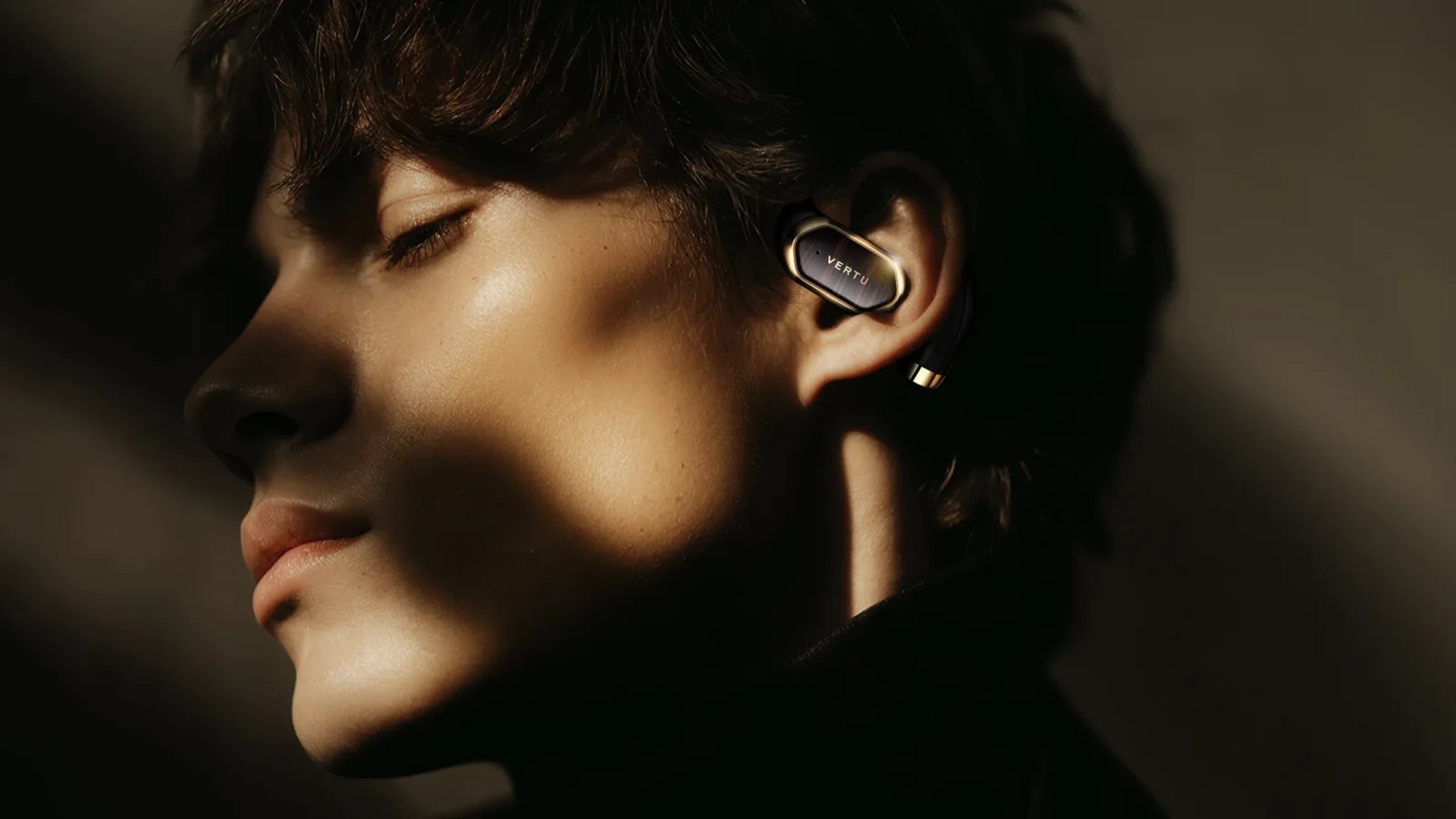
In an open ear vs in ear earbuds comparison, start with how much of the room you want to keep in your listening. An open-ear design leaves the ear canal unsealed; a sealed in-ear design uses a tip at its entrance. Choose around your usual setting, contact comfort and need for isolation, then test the exact pair rather than assuming the category settles everything.
This is a guide based on manufacturer explanations and published guidance, rather than a hands-on comparison of sound quality.
Key Takeaways
- Start with your most difficult listening setting, especially if background noise is your main frustration.
- Compare the places each design touches your ear, including contact with glasses and jewellery.
- Check listening noise cancellation and call noise reduction separately.
- Keep volume and listening duration in view whatever the physical design.
- Judge VERTU Phantom and CRUSH editions by their own current information, rather than transferring features between them.
What is the practical difference in fit?
The important distinction is the seal, not whether the product is small or wireless. Bose’s explanation of open-ear and in-ear designs distinguishes an outside-the-canal speaker from an in-ear tip that seals the canal entrance. “Wireless” describes the connection; it does not tell you which physical arrangement you are buying.
Look at a wearing photograph as well as a product photograph. Ask where the speaker sits, what holds it in place and which surfaces touch skin. A small clip, a hook behind the ear and a sealing tip present different fitting questions. A design that avoids the canal still needs a comfortable place to rest elsewhere on your ear.
Also distinguish open-ear from bone conduction. Do not assume an open-ear product uses vibration through bone simply because it leaves the canal open. Look for an explicit manufacturer description of the sound-delivery method. Category names are a starting point for questions, rather than evidence of a particular technology.
Which design suits your listening setting?
Choose the arrangement that addresses the problem you actually want to solve. The following is a practical decision aid, rather than a controlled performance ranking.
| Your priority | First design to investigate | What to check before choosing |
|---|---|---|
| Keeping an ear available for nearby conversation | Open-ear | Whether speech remains easy to follow at your normal listening level |
| Reducing distraction in a noisy space | Sealed in-ear with documented noise cancellation | Fit, cancellation controls and whether you can listen without chasing the noise |
| Avoiding a sealing tip | Open-ear | Pressure from the alternative hook or clip |
| Listening beside someone in a quiet room | Compare both actual models | Audibility to the other person at your intended volume |
At a desk with frequent interruptions
Put conversation first if colleagues or family regularly need your attention. During a trial, play your usual spoken-word programme and ask someone nearby to speak normally. Decide whether you can acknowledge them comfortably, or whether pausing and removing an earbud remains preferable. Being able to hear some surrounding sound is different from being able to follow two conversations at once.
Consider the other person too. Ask whether they can hear your programme in the quiet parts of the room. Keep that check simple and specific: the same seat, the same volume and the same short passage. A result in a noisy shop tells you little about a quiet shared study.
On a noisy journey
If you mainly want to escape background noise, investigate an in-ear model with an effective fit and documented listening noise cancellation. Make a shortlist around that task rather than selecting an open design and hoping a louder setting will provide the same experience. If no comfortable model meets the requirement, an over-ear design is another option to investigate.
Your choice need not cover every journey. You might reserve one arrangement for a quiet walk and another for a train seat. Think about how often each situation occurs before paying for features intended for the less common one.
How should you test comfort?
Test the contact points in the way you plan to wear the earbuds. Bring glasses, earrings or the soft hat you usually use, where practical and permitted by the retailer. Adjust one item at a time so you can tell what causes a pressure point.
- Fit the pair using its own instructions, including the supplied tip options where relevant.
- Turn your head, look down at a book and speak a few sentences.
- Put on your glasses and check both the front and rear contact points.
- Try the controls without pushing the device into an uncomfortable position.
- Remove the pair and note any discomfort before repeating the trial with another size or model.
Record the result in ordinary words: “comfortable until I put on my glasses” is more useful than awarding a vague comfort score. Do not keep wearing a painful arrangement to complete a test. Ask for another fitting option or move on to a different design.
A brief shop trial cannot establish all-day comfort. Check the applicable return conditions and whether a longer fitting trial is possible. Avoid treating “lightweight” or an ergonomic description as a personal fit guarantee.
Does an open fit make listening safer?
No physical category gives you permission to ignore sound exposure. The World Health Organization’s safe-listening guidance explains that sound level, duration and repeated exposure all matter. It recommends keeping volume down and notes that well-fitted, noise-cancelling headphones can reduce the urge to raise it in noisy places.
Build a listening routine around moderate levels and breaks, rather than treating an unsealed ear as protection. When your surroundings require full attention, pause the programme. Hearing some ambient sound does not establish that you have noticed every warning or understood its direction.
What else deserves a separate comparison?
Check calls, controls and charging as separate jobs. A claim about reducing background noise on calls does not by itself establish active noise cancellation for what you hear. Ask which feature affects the microphone signal and which affects playback, then compare the documented controls for each.
For calls, try a normal conversation using your intended phone and app. Ask the other person what they hear rather than judging only the audio coming into your ears. For controls, check whether you can pause, change volume and answer without repeatedly consulting a screen.
For charging, write down both the earbud-only claim and the total that includes the case. Keep the two figures in separate columns. Ask which settings the figures assume and compare them with your longest uninterrupted session. A large case total is not the same buying question as the time between removing and replacing the earbuds.
Where do VERTU Phantom and CRUSH fit?
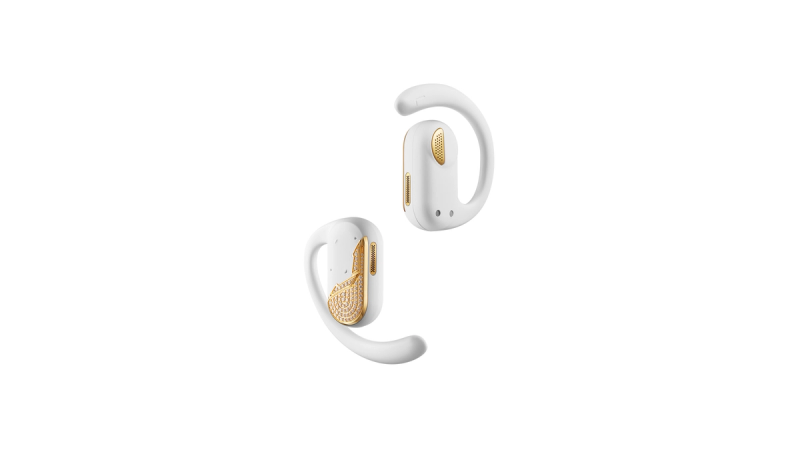
VERTU’s Phantom Series OWS AI Earbuds offer an example of open-ear audio with a retro vinyl-inspired design and wood materials. Those documented design choices make them relevant if you want an audio accessory with a distinct material character. They do not settle how the pair will fit your ear or sound in your usual room.
The CRUSH Series OWS AI Earbuds are another VERTU option to examine in their exact edition. Compare their wearing geometry with Phantom rather than assuming that the shared OWS description makes their contact points, controls or care instructions interchangeable.
For either model, ask to see the applicable fitting instructions, charging guidance and current compatibility information before deciding. Check the physical case as part of the trial: can you identify left and right, place each piece without forcing it and retrieve it easily? These are useful ownership questions alongside appearance.
If your main requirement is the isolation of a sealed in-ear tip, keep a qualifying in-ear product in the comparison. A VERTU design may be appealing for its materials and presentation while answering a different listening need. Browse the VERTU guides for related buying questions, and let the exact use case determine your shortlist.
Frequently Asked Questions
Are open-ear earbuds always more comfortable?
No. Removing the sealing tip changes the contact points, but you still need to assess the hook, clip or other support on your own ear. Test with your usual glasses and jewellery.
Can an in-ear earbud let surrounding sound through?
Yes, some models provide an ambient or transparency mode. Confirm the feature for the exact model; it does not change the physical fit into an open-ear design.
Should I choose by battery total alone?
No. Compare the stated earbud-only duration with your longest session, then consider the case total and charging routine separately.
Conclusion
The useful answer to open ear vs in ear earbuds depends on your environment, preferred contact points and need for isolation. Trial the exact pair with your normal accessories, check playback and call features separately, and choose the arrangement that makes your ordinary listening easier without encouraging a louder setting.