

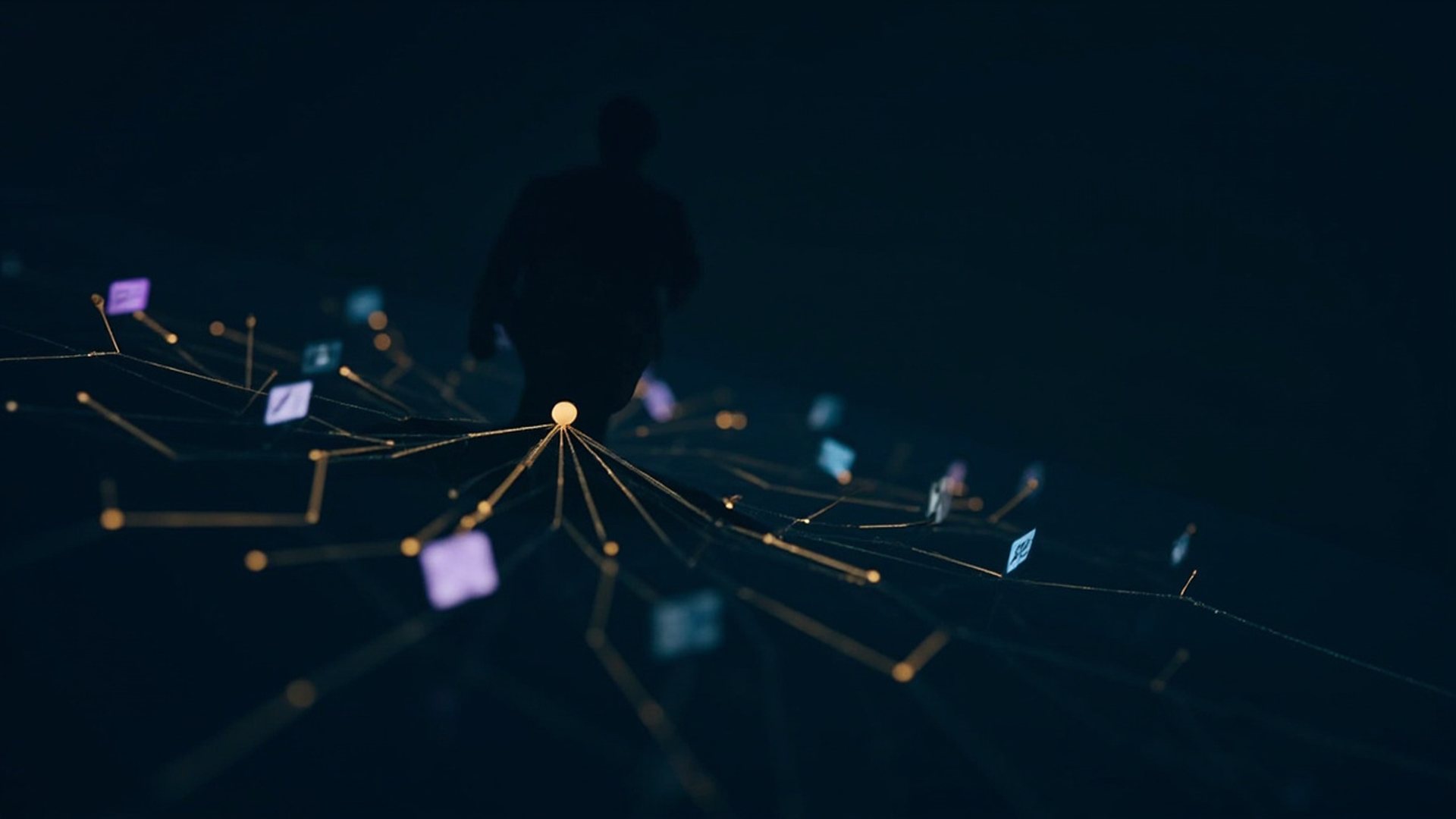
1 Why personalized hardware is suddenly a 2026 phrase
The phrase feels current because software personalization has already crossed from theory into daily work. People now use an in-editor coding agent to make small agents, dashboards, internal apps, and personal automations that would have required a product team a few years ago. A working agentic IDE / Codex workflow changes the user's expectation: if a dashboard can be shaped around one person, why should a device remain frozen around the manufacturer's launch-day assumptions?
GEA's article places that expectation into hardware. The examples are not speculative lab machines. They are familiar objects: watches, bands, AI glasses, e-paper dashboards, room controllers, health displays, and desk companions. The trend is less about owning more devices than about asking whether the software on those devices can become personal after purchase.
2 What the GEA argument actually says
The GEA argument is narrower than the headline may sound. It does not say manufacturing becomes easy. It does not say radio design, antennas, certification, battery budgets, or supply chains stop mattering. It says the software boundary can move up the stack.
Today, the manufacturer mostly decides the device's software once, before shipping. The user receives a product with a fixed operating model and a store-defined extension surface, if one exists. Amcalar's thesis asks who gets to write the software that runs on personal hardware as agents become more capable. If web builders can create useful software for laptops and cloud services, the next question is whether they can also write software for the small devices that sit closer to the body and the room.
That distinction matters. The article is arguing that the programming interface for personal devices may become high-level enough for a wider group of software builders.
3 The agents-need-sensors case
Agents become more useful when they have context. A calendar, inbox, or file system gives one kind of context. Sensors give another. A camera can see the room. A microphone can hear an instruction. Motion, location, presence, and pulse data can describe a situation before the user types anything.
That is why the GEA thesis links AI agents to personal hardware. If agents need sensors, more of the useful software has to run where those sensors live. Sending every interaction to a data center is not always the right shape for latency, privacy, or device-specific control. This is also why the broader on-device LLM conversation matters: once part of the model or agent loop runs locally, the device is no longer a passive endpoint.
The agent surface could shift from "a chatbot in an app" to "software distributed across personal devices." That shift requires a toolchain people can actually use.
4 Small devices, big numbers: 600 million wearables and a seven-dollar board
The scale argument is built from two facts in the original thesis. Wearables alone ship more than 600 million units a year, per industry trackers. At the other end of the stack, a capable ESP32 board costs roughly seven dollars. The number of devices is large, and the entry cost of capable silicon keeps falling.
Those two facts create a useful frame for personalized hardware AI 2026. The opportunity is not a single premium category. It is an expanding device surface that includes cheap boards, mass-market wearables, and new display formats. The cost of experimentation is moving down, while the number of sensor-rich endpoints is already high.
That does not mean every board becomes a consumer product. It means builders can start to think about personal hardware as a software target instead of treating it as a separate industrial domain.
5 The platforms are inviting the software in
The most concrete part of the thesis is the platform list. PebbleOS is now fully open source in the coredevices PebbleOS repository. Meta says developers can build for its glasses with the web through its wearables web app documentation. Mentra offers a similar path in its app developer docs. Google's XR Blocks project brings Android XR within reach through WebXR.
These signals point in the same direction: personal hardware platforms are looking for software. The route is not identical across watches, glasses, XR, and dashboard devices, but the invitation is visible. Web technologies are becoming a reasonable bridge into hardware surfaces that used to require more specialized embedded experience.
If major device surfaces accept web-like software, teams can reuse more of their existing design, security, and deployment discipline.
6 Where the toolchain still locks it out
The bottleneck is still the embedded toolchain. The GEA article describes the familiar stack: C++, SDK-specific APIs, hand-written display drivers, careful RAM accounting, build systems, flashers, and serial debugging. Those steps are normal to embedded developers. They are a wall for people who already know how to build web software but have never managed a board bring-up loop.
This is the lockout the thesis cares about. It is not that embedded work is unimportant. It is that the current path asks too many software builders to become embedded specialists before they can ship a small idea to a personal device.
The most interesting companies in this space will not erase constraints. They will expose them at the right level. Memory, power, display refresh, sensor permissions, and offline behavior still matter. The product question is whether the developer can reason about them without dropping into every low-level detail.
7 The web as the default base
The web is not perfect for hardware, but it has one advantage that keeps returning: millions of people already build with it. A web base gives designers, product teams, and application engineers a shared surface. It also makes permission prompts, UI rendering, remote updates, and service integration easier to imagine.
That is why the GEA framing focuses on moving the software boundary up the stack. If someone can build a small web app, they should be closer to building for a watch, glasses interface, room panel, or desk companion. The same logic appears in the Siri AI on-device discussion: once agents live nearer to the device, the routing layer and user interface become as important as the model itself.
The web does not remove the hardware. It gives the hardware a broader software audience.
8 Privacy, sovereignty, and the second wave
Personalized hardware becomes more important when the device holds intimate context. A laptop knows files and work. A wearable or glasses interface may know movement, place, presence, and ambient cues. That makes privacy and sovereignty part of the architecture rather than a marketing afterthought.
The second wave of personal AI may therefore be less about a bigger cloud model and more about where the agent runs. A frontier LLM on-device reference helps explain why procurement teams and executives are watching local inference, hybrid routing, and device-level control. The device is not just an accessory when it owns the sensor context.
This does not make every local system private by default. It means the privacy question moves closer to the user's hand, face, room, and schedule.
9 Limitations and what the article does not promise
The strongest reading of the GEA article is also the most careful one. It does not promise that manufacturing gets easier. It does not promise certification, radios, antennas, power budgets, or supply chains become simpler. It does not say every web developer can ship a finished consumer device.
It says software access is the next boundary to test. That is a more useful claim because it can be evaluated through tools, documentation, example apps, and real devices. If the stack lets a web builder create a personal hardware experience without becoming an embedded engineer, the thesis gains force. If the path still collapses into board-specific debugging, the old boundary remains.
For executives, the takeaway is not to chase every gadget. It is to ask whether their AI roadmap assumes all intelligence lives in the cloud, or whether personal hardware becomes a control layer.
10 FAQ
What is personalized hardware? It is personal hardware whose software can be adapted after purchase around a user's context, sensors, and workflows, rather than remaining fixed around the manufacturer's ship-time decisions.
Why did this topic trend in July 2026? GEA's July 2 thesis reached the Hacker News front page with 52 points and 30 comments, giving a concise name to a pattern already visible across wearables, AI glasses, XR, and small dashboards.
Does the GEA article say hardware manufacturing is easy now? No. The article explicitly keeps manufacturing, certification, radios, antennas, power budgets, and supply chains outside the promise.
Why do agents need personal devices? Agents need context. Cameras, microphones, motion, location, presence, and pulse sensors are often on personal hardware, so some software has to run close to those sensors.
Why is the web important here? The web gives existing builders a familiar base. If platforms accept web-like software, more teams can build for watches, glasses, dashboards, and room interfaces without starting from embedded C++.
Source conflict notes
The 600-million-units wearable figure is cited here as "per industry trackers" because no specific IDC, Counterpoint, or other tracker URL was confirmed in the original article. The claim is therefore treated as a directional scale marker from the GEA thesis, not as a deep-linked market-data citation.
For a Different Kind of Audience
For executives who want personal AI to sit on a sovereign, private, hardware layer, Agent Q is a different path from a generic app running on a generic device. The useful framing is cautious: supported apps and services, with user authorisation, availability may vary, and advanced private workflows are subject to whitelist approval, data authorisation, private deployment, and VERTU service-team configuration. For a broader executive-device price and positioning context, see this guide to luxury foldable phone AI assistant price tiers.
![Top 10 Tourbillon Watches for Men [2026 Latest]](https://cdn.sanity.io/images/e0gp1l2g/production/8cb6bc45133cf9453382fc7d074465af588bb610-1800x1080.webp?w=800&h=450&q=82&auto=format&fit=crop)