Best Android Phone Music Player: A 2026 Buyer's Guide
In the search for the best Android phone music player, many focus solely on software applications. However, a truly exceptional listening experience is not born from an app alone; it is founded upon the very hardware and engineering of the device itself. To properly review the options, one must look beyond the app store and analyse the core audio capabilities of the smartphone, as this is what ultimately defines the quality of the sound you hear.
A premium Android phone transforms from a simple communication tool into a high-fidelity portable audio device when it is engineered with acoustic excellence in mind. The choice of internal components, from the digital-to-analogue converter (DAC) to the speaker system, dictates the ceiling of audio quality long before any music player app is installed.
Key Hardware Features for a Superior Audio Experience
When evaluating an Android phone as a potential high-end music player, several technical aspects are paramount. These components work in synergy to reproduce sound as the artist intended, delivering clarity, depth, and power. Understanding these features is crucial for any discerning listener.
- High-Resolution Audio Support: The foundation of great sound is the source file. A top-tier phone must natively support high-resolution, lossless audio formats such as FLAC, ALAC, WAV, and even DSD. This ensures that no musical detail is lost in compression, providing a richer and more immersive soundstage.
- Dedicated Digital-to-Analogue Converter (DAC): Standard smartphones use a basic DAC integrated into the main chipset. In contrast, audiophile-grade phones often incorporate a dedicated, high-performance DAC. This specialised component is crucial for converting digital audio files into clean, detailed, and accurate analogue signals for your headphones or speakers.
- Powerful Amplification: A dedicated amplifier circuit is just as important as the DAC. It provides the necessary power to drive high-end, high-impedance headphones, ensuring the sound is not only loud but also controlled, dynamic, and free from distortion across the entire frequency spectrum.
- Expertly Tuned Stereo Speakers: For moments when you are not using headphones, the quality of the built-in speakers is vital. Look for devices with dual stereo speakers that have been professionally tuned. This provides a wider, more engaging sound field with clear separation between left and right channels, a feature often overlooked in standard mobiles.
- Advanced Wireless Codecs: For those who favour the convenience of wireless listening, support for the latest Bluetooth codecs is non-negotiable. Codecs like LDAC and aptX HD transmit data at a much higher bitrate than standard Bluetooth, preserving more of the original audio detail for a near-lossless wireless experience.

Feature Comparison: What to Look For
To simplify the selection process, we have organised the essential attributes of a top-rated music-playing phone into a clear comparison table. Use this as a checklist when researching your next device to ensure it meets the highest standards of audio performance.
| Component | Standard Phone | High-Fidelity Phone |
|---|---|---|
| Audio Formats | Basic support (MP3, AAC) | Native support for Lossless & Hi-Res (FLAC, WAV, DSD) |
| DAC | Integrated into main processor | Dedicated, high-performance DAC chip |
| Speakers | Single mono or basic stereo | Tuned, high-power dual stereo speakers |
| Headphone Output | Standard power, may lack a 3.5mm jack | High-power output from a dedicated amplifier |
| Bluetooth Audio | Standard codecs (SBC, AAC) | Advanced codecs (LDAC, aptX HD) for high-quality wireless audio |
The Synergy Between Software and Hardware
Once you have a device with a strong hardware foundation, the music player application acts as the control centre for your listening experience. The best apps offer features that complement the phone's capabilities, such as a multi-band graphic equaliser to fine-tune the sound to your personal taste and headphone characteristics. They also provide seamless library management, gapless playback, and an intuitive user interface that makes navigating your collection a pleasure.
However, it is crucial to realise that even the most advanced app cannot compensate for poor-quality hardware. An equaliser can adjust frequencies, but it cannot create detail that was lost by an inferior DAC or reproduce bass that a weak amplifier cannot drive. Therefore, the ultimate Android music player is not an app, but a holistic system where premium hardware and refined software work in perfect harmony.

Final Verdict: An Investment in Sound Quality
Choosing the best Android phone for music in 2026 means prioritising audio engineering from the outset. It involves looking past marketing and focusing on the tangible components that deliver genuine high-fidelity sound. By selecting a device built with a dedicated DAC, powerful amplification, and support for high-resolution formats, you are not just buying a phone—you are investing in a premium portable music player capable of delivering breathtaking audio. This hardware-first approach ensures that whichever music player app you choose to install, your music will always sound its absolute best.
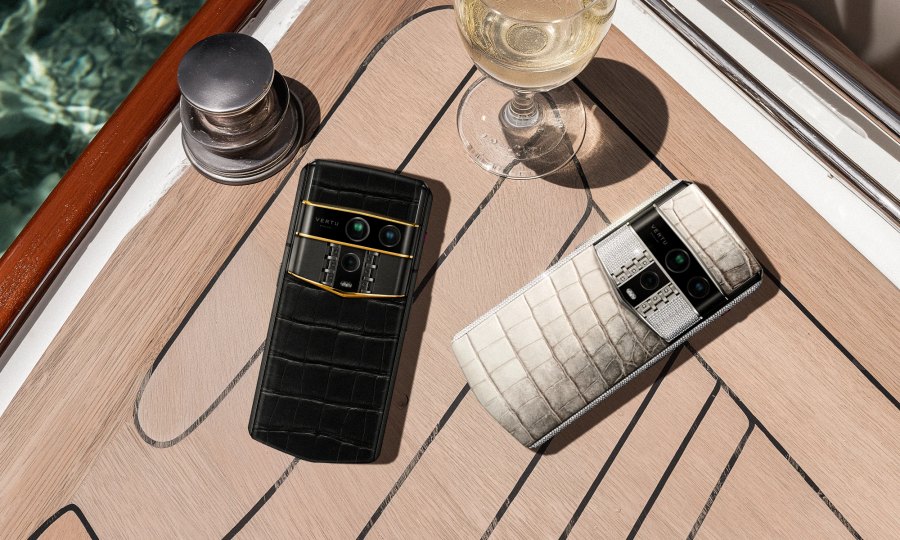
A device crafted with such attention to detail provides an unparalleled auditory experience, transforming daily listening into a true pleasure. For those seeking a smartphone built on these principles of quality and performance, you may explore the curated VERTU models available at the official store below.