A dual screen phone can mean two very different products: a conventional slab with a small rear display, or a foldable with a cover screen and a larger inner display. The current conversation is about rear displays on slab phones. Xiaomi’s 18 Pro Max lists a 2.9-inch rear AMOLED panel; a foldable such as VERTU ALPHAFOLD instead opens to an 8.05-inch inner workspace. Choose by the task the second screen must perform, not by the shared “dual-screen” label.
Key Takeaways
- A rear-display slab adds glanceable controls and camera preview without creating a tablet-sized canvas.
- A book-style foldable uses its second display for a larger reading and multitasking workspace.
- A PhoneArena reader poll showed interest in a rear display; it did not measure the whole market or directly compare purchase intent against foldables.
- Check which apps and controls work on the smaller screen, how the phone is protected, and whether the extra display improves a daily task.
- VERTU ALPHAFOLD is a verified foldable product; do not infer that VERTU sells a rear-screen slab from this trend.
What does “dual screen phone” mean in 2026?
The term is imprecise. A slab phone with a display beside its rear camera can show notifications, camera preview or controls while the phone remains closed because there is no hinge. A book-style foldable has an outer screen for normal phone use and a large display that appears when unfolded. Both have two display surfaces, but they solve different problems. A buyer searching the phrase should identify the physical design first.
This distinction matters because marketing images can make a tiny rear panel and a large foldable display look equally dramatic. They are not interchangeable. A rear panel may help frame a selfie with the main camera or glance at information when the phone is face down. An inner foldable panel can show a document alongside a message, a map beside travel details, or a wider page. The extra screen is valuable only when its software and ergonomics support the task.
What does the latest rear-screen example actually offer?
Xiaomi’s official 18 Pro Max specification lists a 6.9-inch main display and a 2.9-inch rear AMOLED display with 976 × 596 resolution. Those are manufacturer specifications for a particular model and market page, not a benchmark for every rear-screen phone. Xiaomi also lists a 163.39 × 77.6 mm body in the cited variant, so the added display does not turn the device into an unfolded tablet.
A small rear panel can be useful as a camera preview because it sits beside the main camera system. But the usability of notifications, music controls and app content depends on the maker’s software. Do not assume the entire Android interface runs on the back or that every app supports it. Ask which actions are available while the phone is face down, whether a notification can be opened safely, and how often the screen activates unintentionally.
Did a poll prove consumers prefer rear screens to foldables?
No. A PhoneArena reader poll asked whether readers wanted a rear display on a phone. Its article reported 1,247 votes at the time shown and strong support among that publication’s respondents. The question was not a controlled market survey, and it did not directly ask respondents to choose between purchasing a rear-screen slab and a foldable at given prices. The article’s comparison with foldables is an editorial interpretation, not a measured market preference.
The poll is still a useful signal: a set of engaged phone readers finds rear-screen ideas appealing. But it cannot predict sales, long-term satisfaction or willingness to pay. Enthusiasm for a design image can differ from how often people use the feature after purchase. A better buyer test asks what the rear display saves in actual steps across a week.
What does a foldable add instead?
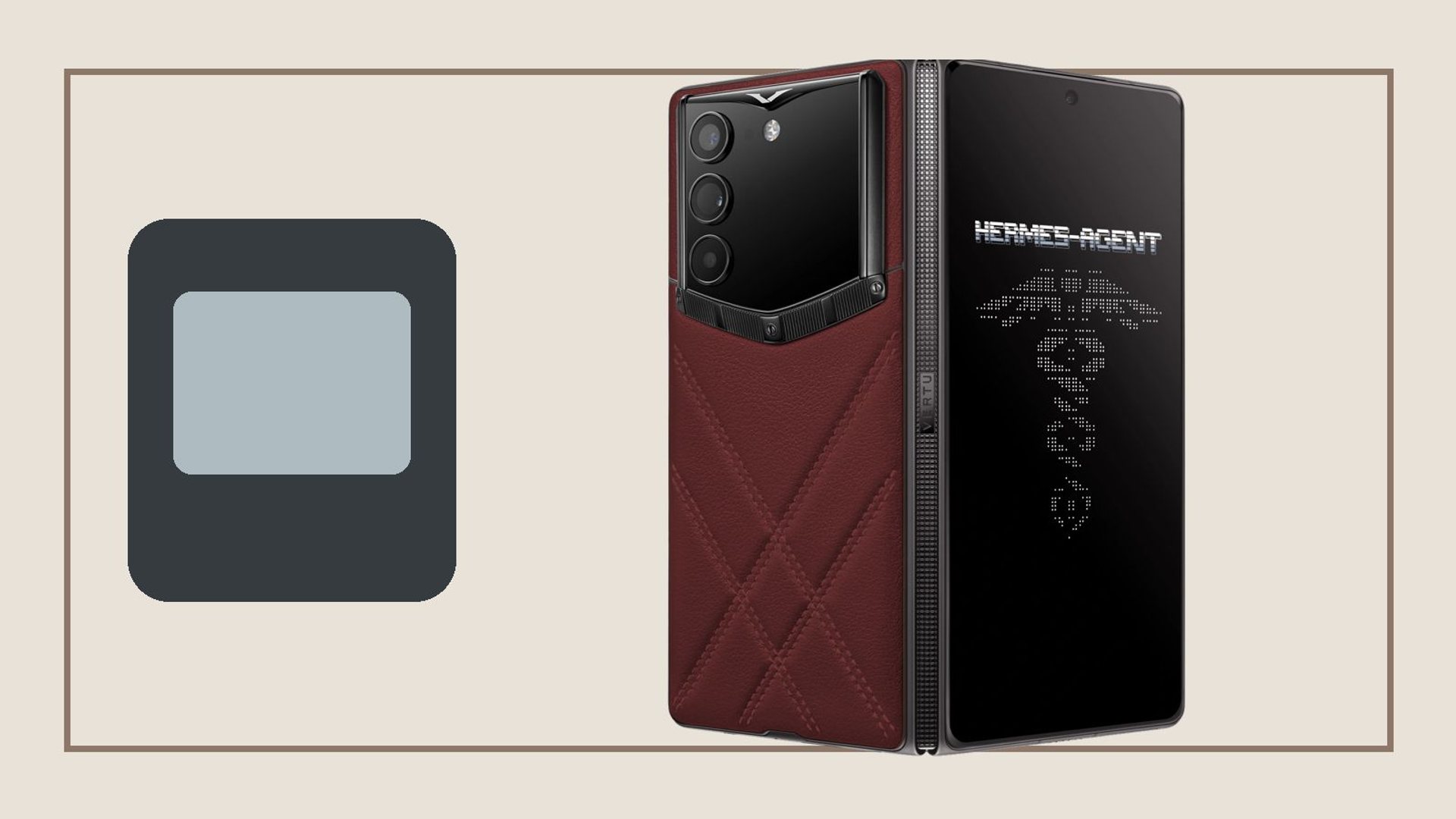
VERTU’s product knowledge base describes ALPHAFOLD with a 6.53-inch outer display and an 8.05-inch inner display. The larger panel is positioned for documents, dashboards, meetings and multitasking. The phone also includes Hermes Agent, designed to work across supported apps and services with user authorisation. Enterprise integrations require whitelist approval, data authorisation, private deployment and professional setup; they are not standard retail features that can be assumed on every device.
That is a different value proposition from a rear display. A foldable asks the user to open the device when a larger workspace is useful. It also introduces hinge, thickness, weight and screen-care considerations that a slab buyer may prefer to avoid. The ALPHAFOLD knowledge base lists a 264 g weight for its specified configuration, but buyers should verify the exact market and edition before purchase. This article is based on published specifications, not a hands-on comparison of ALPHAFOLD and Xiaomi 18 Pro Max.
Which tasks justify a small screen on the back?
Look for a task that happens often and takes fewer steps with the rear panel. Taking a portrait with the main camera is a plausible example: a rear preview lets the subject see framing without relying solely on the front camera. A quick time or music check can also help when the phone rests face down. Yet these conveniences depend on screen brightness, touch controls, accidental activation and how the case exposes the panel.
Test a realistic sequence in a shop if possible: place the phone on a desk, check a notification, change a track, then take a photo. Count the taps and phone flips. If you must turn the device over and unlock the main display for every meaningful action, the rear panel may be mostly decorative for your routine. A small display should be judged as a focused control surface, not as another full phone.
Which tasks justify a foldable inner screen?
A larger inner display is most compelling when two pieces of information must be visible together. Compare an itinerary with a map, a document with a message, or a call with notes. The task should be easier than switching between apps on a slab. The physical opening step and software layout must be worth the benefit. If your routine is mostly one-handed messages and photos, a foldable’s extra surface may be less important.
Do not buy on diagonal screen size alone. Check the usable layout, hinge position, app behavior and comfort while holding the opened device. A display may be large yet require awkward resizing or offer limited multitasking in the applications you use. A hands-on test or detailed independent review of those apps is more informative than a generic “productivity” label.
How do the two concepts compare?
| Decision point | Rear-display slab | Book-style foldable |
|---|---|---|
| Second screen scale | Small glanceable panel | Large inner workspace |
| Physical action | Turn or face down the phone | Unfold the phone |
| Strong use case | Main-camera preview or quick controls | Reading and side-by-side work |
| Key software question | Which functions run on the rear panel? | Which apps adapt to the inner display? |
| Key physical question | Case and rear-panel protection | Hinge and inner-screen handling |
These are form-factor differences, not a quality ranking. A particular rear-screen phone might be better for someone who wants a conventional slab and occasional glanceable controls. A particular foldable might be better for someone who reads and coordinates multiple tasks on the move. Budget, support and local availability must be checked for the actual models.
What should buyers check about durability and repair?
Any extra display adds a surface that can be scratched or damaged. A rear screen sits where many people rest the phone on a table; check the case design, raised edges and replacement policy. For a foldable, ask about hinge service, inner-screen care and the terms covering accidental damage. Do not turn a general design concern into a claim that one model fails more often without comparable field data.
Also inspect how the case changes the experience. A thick case could obscure a rear display or make it less comfortable to use. A foldable case can affect grip and opening feel. Ask the maker or retailer for approved accessories. A second screen that forces you to abandon the protection you normally use may not be worth the compromise.
What about privacy and notifications?
A rear-facing panel can make information visible to someone across a table. Review lock-screen controls and whether sensitive message content appears there. A foldable inner screen can show more detail but may also expose a wider view in public when opened. Neither form automatically protects privacy. The useful question is whether you can control what appears on each display and quickly hide sensitive content.
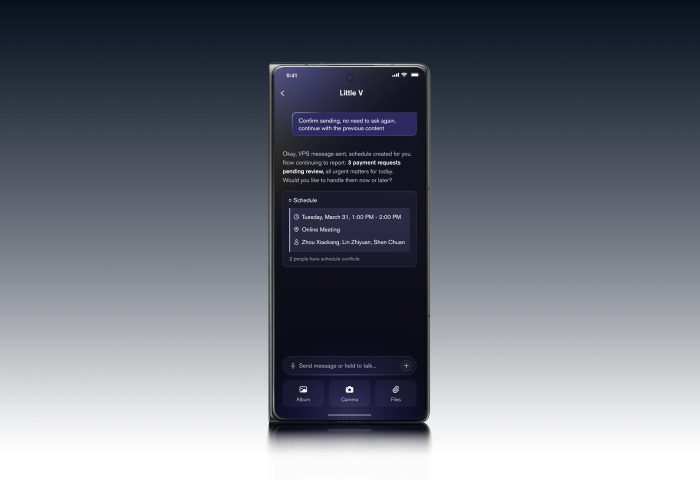
For AI workflows, visual confirmation matters. VERTU positions Hermes Agent on ALPHAFOLD for actions across supported services with authorisation. A larger display can show the details of a proposed action, but users should still inspect recipients, dates and permissions. The presence of two screens does not make an agent accurate or secure by itself. Interface design and user control determine whether an action is trustworthy.
How should you make the buying decision?
- Write down the three tasks for which you want a second screen.
- Decide whether each needs a glanceable control or a larger workspace.
- Verify those tasks on the exact phone and software version.
- Test fit, case, display visibility and one-handed use.
- Check local service, warranty and repair terms.
- Compare the full price and ownership experience, not only the screen count.
If you cannot name a repeated task improved by the second screen, a conventional single-screen phone may be sufficient. If you can, measure the improvement rather than assuming it from the design. The result can differ for a photographer, frequent traveller and document-heavy professional.
Frequently asked questions
Is a rear-display phone the same as a foldable?
No. A rear-display slab remains a conventional phone with a small extra panel. A foldable opens to a larger display. They differ in software use, physical handling and the tasks they can serve.
Does the Xiaomi 18 Pro Max have a rear display?
Yes. Xiaomi’s published specification lists a 2.9-inch rear AMOLED display for the cited 18 Pro Max model. Check the product page for your market and software features before buying.
Did PhoneArena’s poll show rear screens outsell foldables?
No. It was a reader preference poll about interest in a rear display, not sales data or a controlled comparison of purchases. It indicates interest among respondents, not a market-wide outcome.
Which VERTU phone offers a larger second workspace?
VERTU ALPHAFOLD has a 6.53-inch outer and 8.05-inch inner display in the knowledge-base specification. It is a book-style foldable, not a rear-screen slab.
What is the conclusion?
The dual screen phone trend is more useful when split into two jobs: a small rear panel for quick interactions and an unfolding display for substantial work. Xiaomi’s rear panel and VERTU ALPHAFOLD’s inner display illustrate different answers. Choose the one that improves your repeated tasks, and treat a reader poll as a signal of curiosity rather than proof of market preference.