A luxurious phone isn’t “a flagship with a high price tag.” It’s a different idea of ownership.
In the same way a fine watch isn’t judged by its parts list alone, luxurious phones are defined by what you can verify—materials that change the feel and aging of the device, craftsmanship that stands up to inspection, and service that shows up when your plans do not.
Key TakeawayIn true luxury, the phone is only half the purchase. The other half is materials you can verify, craftsmanship you can audit, and service that follows through.
What “luxurious phones” actually means
In luxury, price is a signal—but it’s not the definition.
Across academic and industry work on luxury goods, the durable markers show up repeatedly: excellent quality, rare craftsmanship, distinctive brand identity, selective availability, and the expectation of reliability over time. The framing in “An Overview of the Luxury Fashion Industry” (PMC, 2020) is useful here, even though it’s not about phones: it explains why luxury is a mix of product attributes (materials, build, durability) and the experience and meaning built around them.
A practical definition you can use when evaluating luxury phones:
A phone is luxurious when the brand commits to a higher standard of physical construction and a higher standard of ownership experience—then documents and supports that standard over time.
That last part matters. Plenty of devices look expensive. Far fewer come with an ownership model that is consistent, accountable, and serviceable.
The three pillars: materials, craftsmanship, service
Most confusion in this category comes from treating “luxury” as decoration.
A useful lens is to separate what changes the device as an object (materials + build standard) from what changes the experience of using it (service + aftercare).
Pillar 1: Materials that change the experience (not just the look)
Materials are the most visible part of luxury—and the easiest place for marketing to blur the line.
Two categories to keep straight
- Structural materialschange rigidity, scratch resistance, weight balance, and how the device ages.
- Decorative materialschange how the phone photographs and signals status, but may not change durability or feel.
Both can be beautiful. Only one reliably justifies luxury positioning.
A short list of materials that tend to matter
You don’t need a gem inventory. You need to understand what you’re actually touching.
- Sapphire crystal (or genuine sapphire components)valued for scratch resistance and optical clarity. The key is what’s sapphire and what’s not.
- Titanium (or other high-strength alloys)chosen for stiffness-to-weight and a cool, dense feel in-hand.
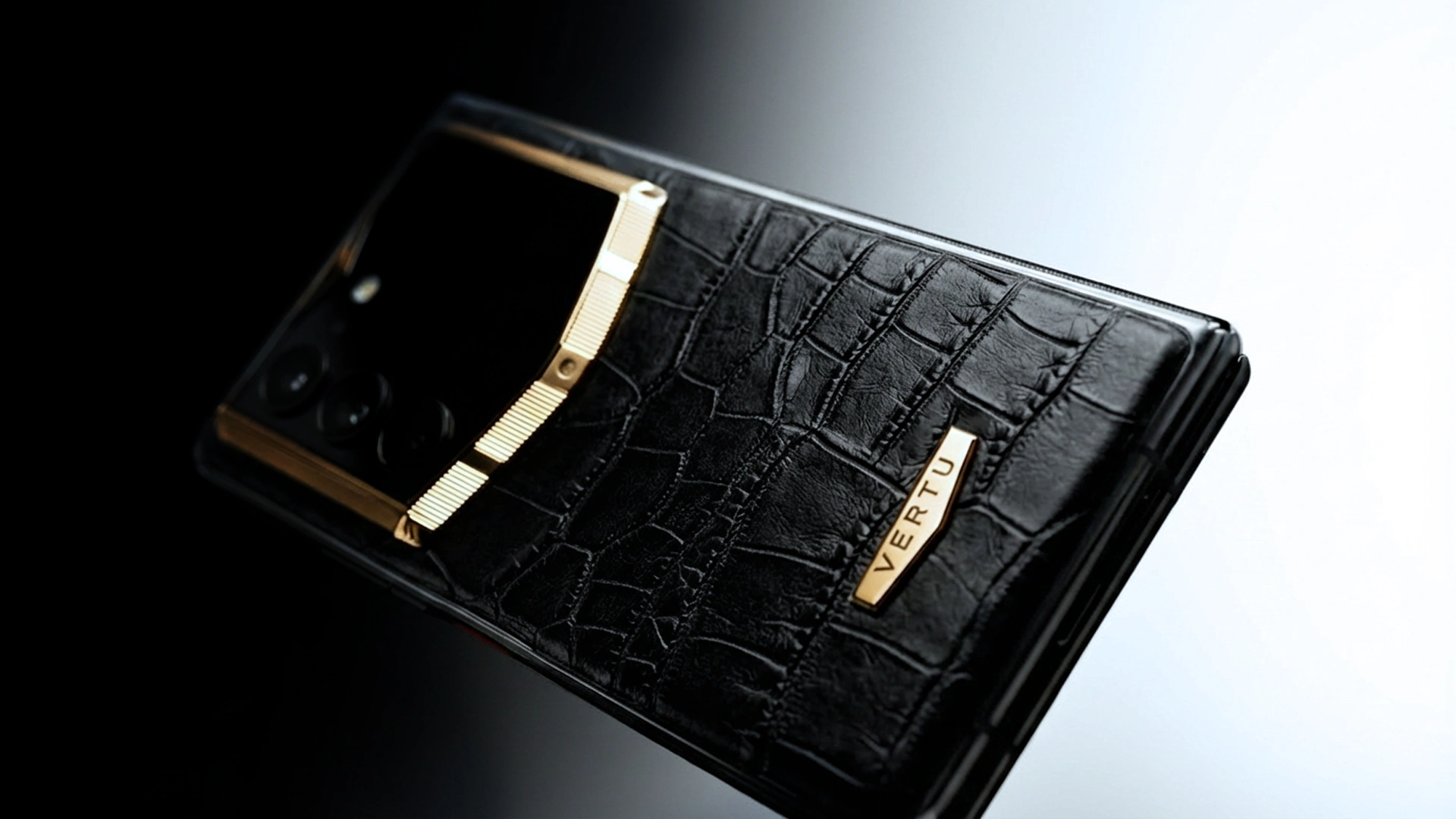
- Leatherless about “toughness,” more about grip, warmth, and craft. Stitching and edge finishing are the tell.
- Precious metalsmeaningful when they’re used structurally or finished to a standard you can see up close—not when they’re a thin surface effect.
How to verify materials before you pay for the story
Luxury should come with proof you can keep.
Ask for:
A clear description of what’s structural vs accent on the exterior.
Identification details (serial/ID) and how they’re recorded.
The aftercare path: where service happens, what travel support looks like, and how repairs are handled.
Collector’s note: “Limited edition” without documentation is just a label. In luxury, provenance is part of the product.
Pillar 2: Craftsmanship you can audit
Craftsmanship isn’t an aesthetic. It’s a process with constraints.
A brand that builds at massive scale optimizes for throughput and acceptable consistency. A luxury maker optimizes for finish, control, and accountability. The difference shows up in details you can inspect.
What “handcrafted” should imply (in practical terms)
“Handcrafted” is a word. The useful question is: what standard does that word commit the brand to?
At minimum, it should mean:
tighter tolerances in assembly and finishing,
deliberate material selection and matching,
visible consistency across seams and edges,
a quality-control standard that goes beyond “it boots up.”
If the seller can’t explain the build standard or inspection process, assume the craftsmanship is mostly cosmetic.
A finish checklist you can use in 60 seconds
Use the same instincts you’d use when evaluating a watch case or a leather good. You’re looking for consistency, not flash.
- Transitions and seamsframe-to-glass and leather-to-frame joins should be clean—no uneven lines, no visible gaps.
- Stitching (if leather is present)spacing and tension should look uniform; corners should look intentional.
- Buttons and moving partsconsistent resistance; no wobble, no rattle.
- Edge finishingpolished edges should be even; brushed finishes should run consistently.
- Symmetrycamera rings, screws, and cutouts should align with intent.
A luxury device doesn’t need to shout. It needs to hold up under close attention.
Pillar 3: Service—the luxury layer most people forget to price
Materials and craft are visible. Service is what you discover at an inconvenient time.
In the luxury tier, the most meaningful service isn’t “support.” It’s coordination—turning a request into a confirmed outcome with discretion.
This is also where scarcity becomes meaningful. A brand that restricts access is making a promise: fewer owners, higher standard, more attention per customer. In that sense, scarcity is valuable when it supports the delivery of luxury, not just the marketing of it. That’s the logic behind LGT’s economics of exclusivity: exclusivity is a mechanism for maintaining standards.
What a real concierge does (and what it doesn’t)
Concierge is valuable when:
the request is time-sensitive,
the details are messy,
the outcome matters more than the process.
Think: rerouting travel, fixing last‑minute disruptions, securing reservations, coordinating logistics across time zones.
A concierge is not valuable because it can do what an app can do. It’s valuable because it can finish what an app can’t.
The questions to ask before you rely on service
If you’re evaluating concierge-style service, ask operational questions—like you would with any private service provider.
- Who handles requestshuman-only, AI-only, or a hybrid with escalation?
- What “24/7” meansavailability is not the same as response targets.
- What’s in-scopetravel, dining, events, logistics, gifting—what’s actually supported?
What gets shared with third parties to execute your request, and whether you can limit it.
What’s stored (requests, transcripts, booking details) and for how long.
How to verify: Ask for the service path before you buy: how you initiate requests, how identity is confirmed, and how you get help while traveling.
Luxury vs premium: the distinction that prevents expensive disappointment
A premium flagship can be an exceptional tool. Luxury is a different ambition.
Here’s the simplest distinction:
Premium optimizes for performance per dollar and broad usability.
Luxury optimizes for ownership satisfaction—physical feel, finishing standards, provenance, and service.
A phone can be premium without being luxurious. And a phone can be luxurious without being the fastest benchmark winner.
A simple evaluation framework for luxurious phones
If you want a clean way to evaluate options without getting trapped in spec chatter, score each phone against the criteria below.
Criterion | What to look for | Why it matters |
|---|---|---|
Materials | Structural use of premium materials; honest disclosure of what’s where | Determines feel, aging, and integrity |
Craftsmanship | Clear assembly standard; consistent finish; auditable QC | Predicts long-term satisfaction |
Service | Real coordination support; clear scope and privacy boundaries | Converts ownership into an advantage |
Privacy posture | Security approach you can understand and trust | Reduces personal and business risk |
Provenance | Documentation, serials, and a credible purchase channel | Protects resale value and confidence |
If one phone wins on materials but has weak service, you’re buying an object. If it wins on service but feels generic in-hand, you’re buying a subscription. Luxury is the rare case where both sides are strong.
Red flags that “luxury” is mostly surface-level
A short list of signals that the luxury is more styling than substance:
Vague material claims (e.g., “premium glass,” “gold elements”) with no clarity on what’s structural.
- “Limited edition” language with no documentationno numbering, no provenance, no service record.
- Unclear service termsconcierge described as a vibe, not an operation.
- No aftercare storyno clarity on repairs, replacement parts, or global support.
- Counterfeit risk brushed offreputable luxury categories explain verification.
One neutral example: where VERTU fits
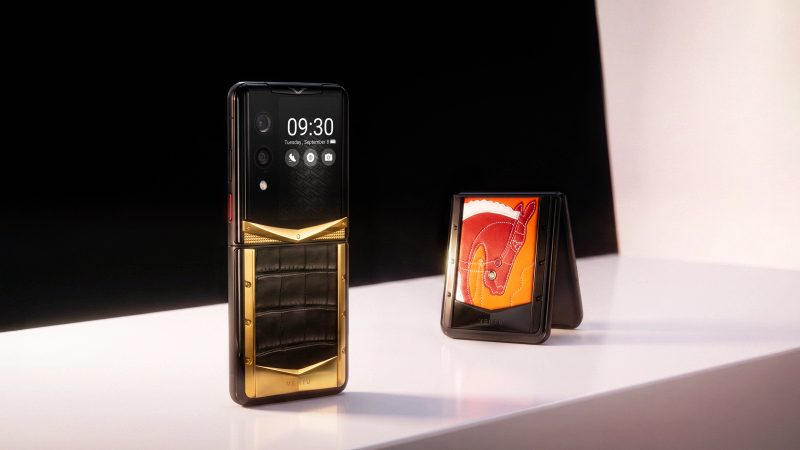
If your definition of luxury includes craft plus private service, VERTU is designed around that pairing: the phone as a crafted object, plus ownership services such as concierge access.
A useful way to treat VERTU (and any luxury phone brand) is as a benchmark: compare the standard you expect against what’s documented.
For craftsmanship positioning, VERTU explains its build philosophy in the “One Craftsman, One Phone” standard.
For service as an ownership layer, start with VERTU Concierge.
Next steps
If you want to pressure-test your shortlist, choose one criterion you won’t compromise on—materials, service reliability, provenance, or privacy posture. That single decision usually clarifies everything else.
Disclosure: This article references VERTU pages. Editorial judgment remains the priority.