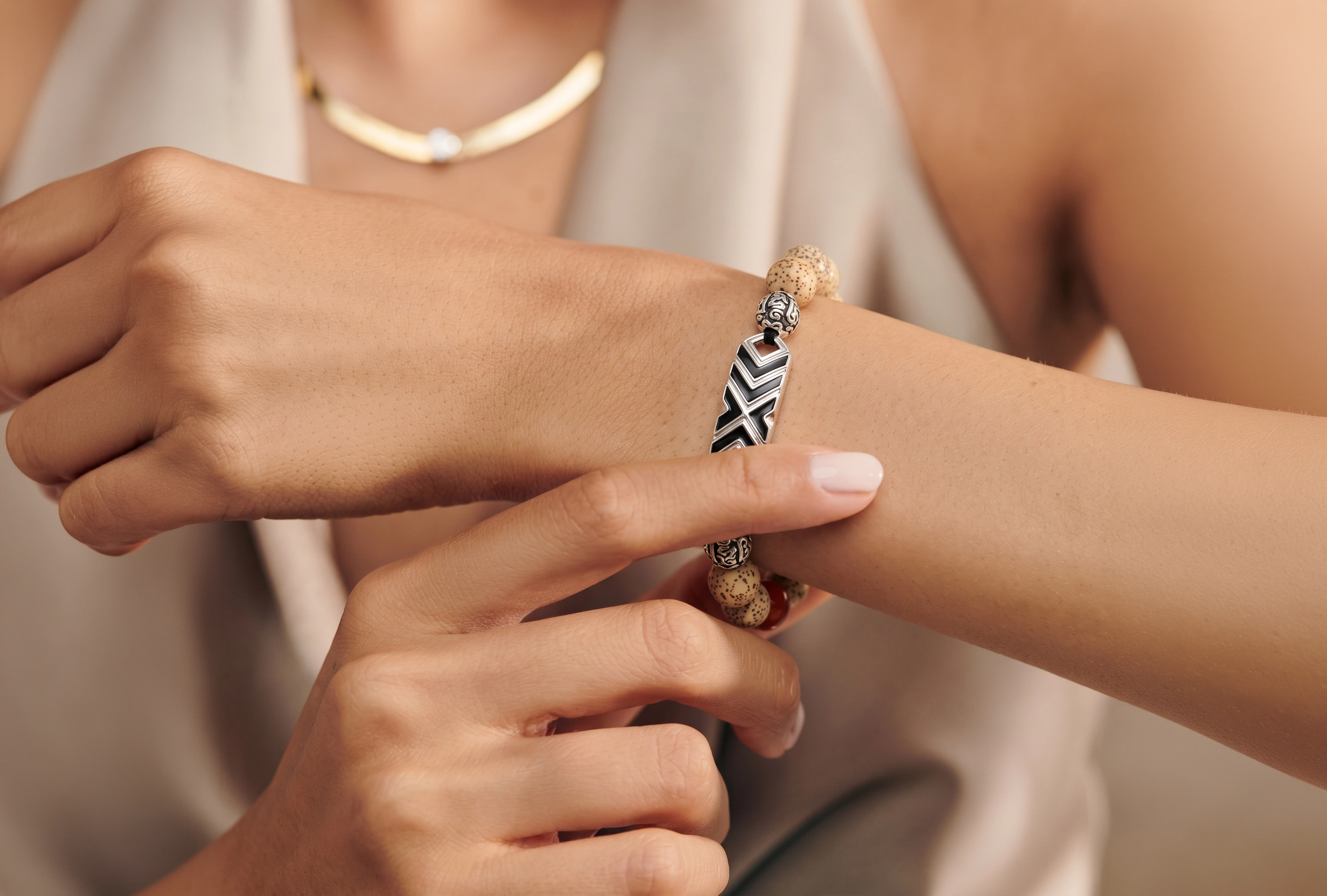
- Verifiable AuthenticityEvery luxury blockchain accessory embeds a tamper-proof digital passport that links physical craftsmanship directly to an immutable ledger.
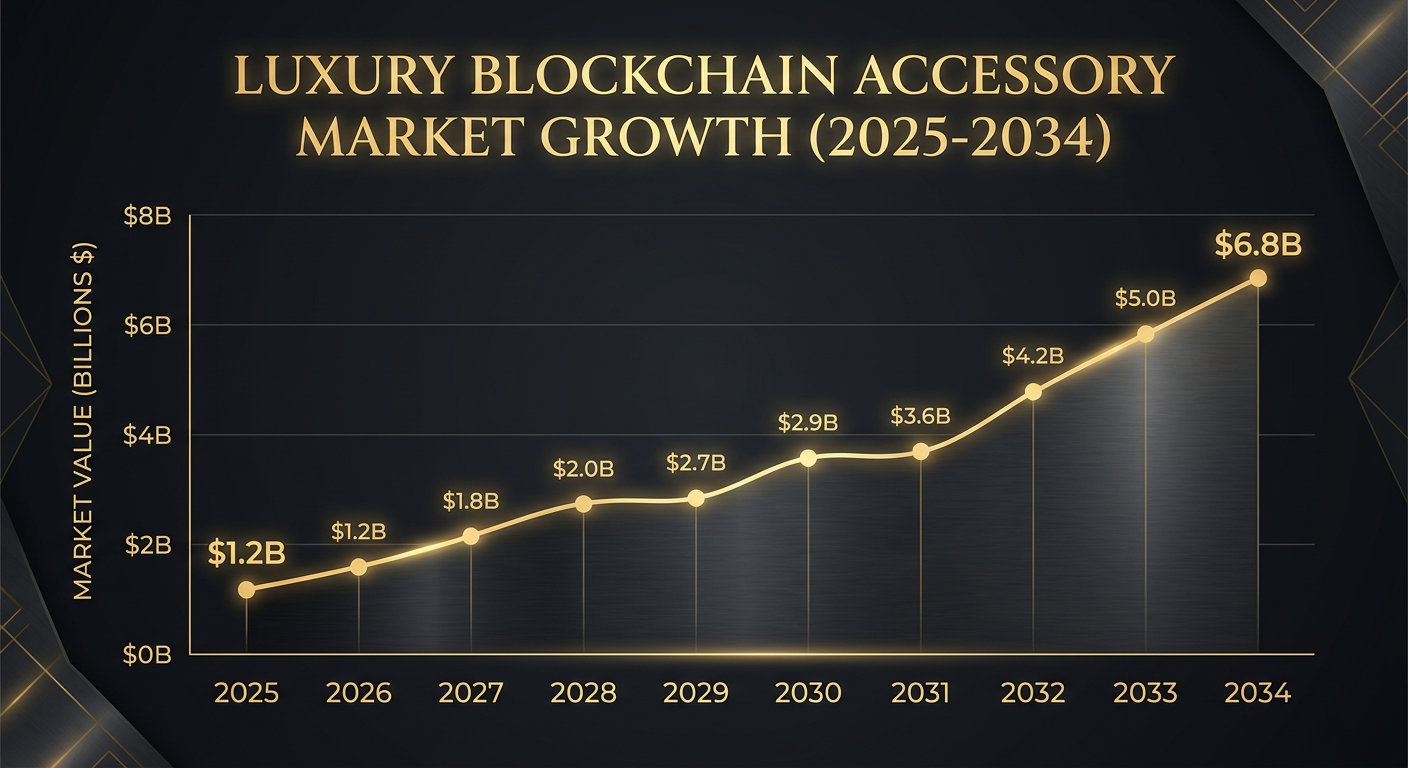
- Market AccelerationThe global market for blockchain-authenticated luxury items is projected to surge from $1.2 billion in 2025 to over $6.8 billion by 2034.
- Mobile GatewayAdvanced smartphones and secure Web3 hardware serve as the central portal for collectors to manage digital product passports, access exclusive brand privileges, and prove ownership on demand.
Introduction
The luxury sector is quietly undergoing a fundamental transformation where physical craftsmanship meets verifiable digital ownership. For centuries, the value of high-end wristwatches, haute horlogerie, leather handbags, and bespoke jewelry rested entirely on physical hallmarks, paper certificates, and brand heritage. Today, paper documentation is easily forged, and sophisticated counterfeiting threatens even the most discerning collectors.
Enter the luxury blockchain accessory. Today, high-end pieces carry secure digital identities that permanently prove authenticity and trace provenance across every hand through which an item passes. What began years ago as speculative Web3 experimentation has matured into vital infrastructure for global luxury houses. Blockchain technology no longer competes with traditional luxury; it actively preserves and elevates it.
What Makes an Accessory Blockchain-Enabled
At its core, a blockchain-enabled accessory relies on a "phygital" architecture—a seamless bridge connecting a physical luxury object to a tamper-proof digital record stored on a decentralized network. Unlike traditional electronic tags that merely store an ID number, a phygital accessory binds the physical item's unique atomic identity to an immutable cryptographic token.
The core technologies driving this physical-to-digital link include:
- Encrypted NFC ChipsTiny, tamper-evident Near Field Communication chips embedded directly beneath watch crystals, leather linings, or gemstone mountings.
- Serialized High-Density QR CodesCryptographically signed micro-engravings that cannot be duplicated or transferred without detection.
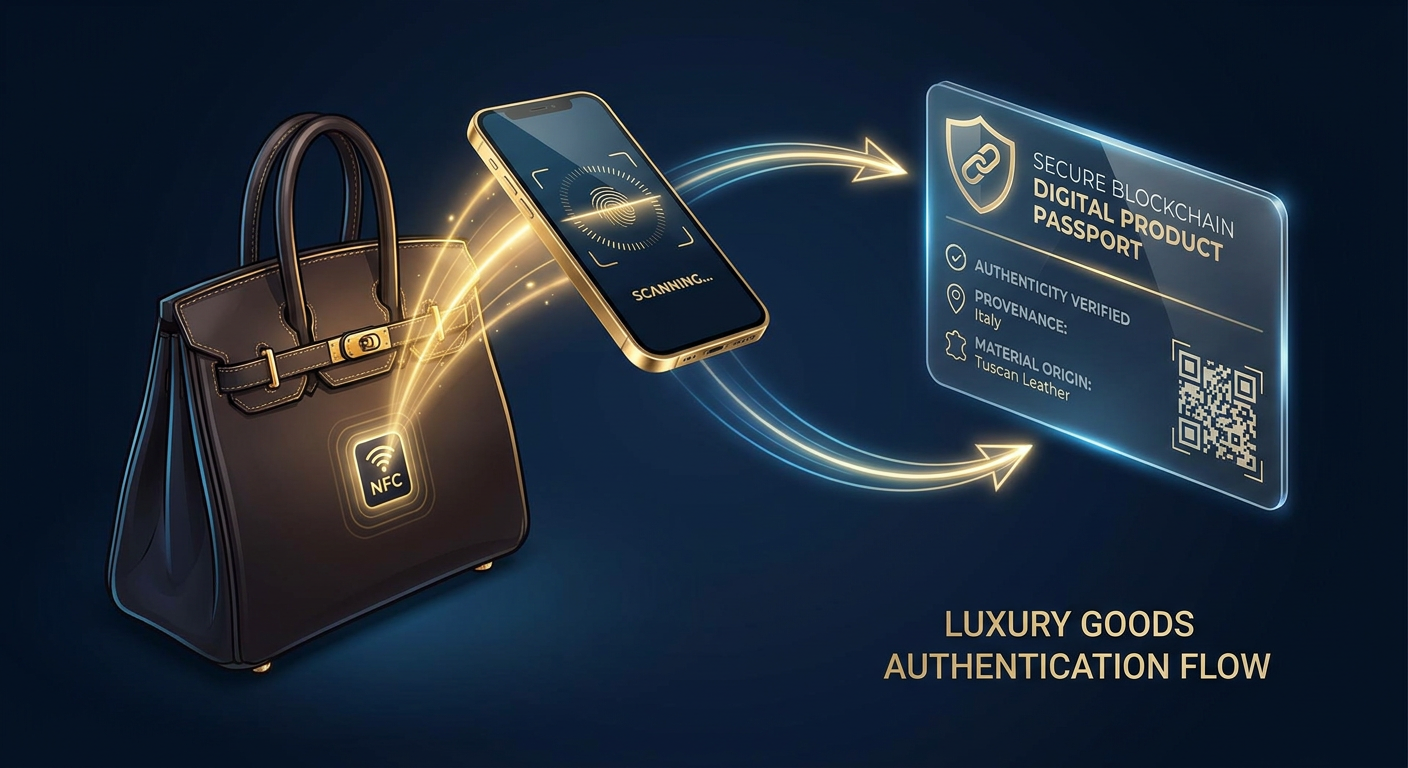
- Digital Product Passports (DPPs)Comprehensive digital ledger entries that store verified data regarding materials, origin, and ownership history.
Verifying an item's authenticity and complete background requires only a simple smartphone scan. When a collector taps their smartphone against an NFC-embedded handbag or watch case, the device reads the encrypted chip key and queries the blockchain ledger in real time. Within seconds, the screen displays a cryptographic certificate confirming authenticity, exact manufacturing date, artisan details, and verified ownership lineage.
The Role of Digital Product Passports
Digital Product Passports represent the gold standard of modern luxury documentation. A DPP consolidates every critical milestone in an item's lifecycle into one immutable record:
- Raw Material SourcingEthical origin tracking for precious metals, conflict-free gemstones, and CITES-compliant leathers.
- Manufacturing HeritageArtisan logs, workshop locations, and quality inspection sign-offs.
- Ownership ChainAn unbroken, privacy-preserving history of legal transfers between collectors.
- Service & Repair RecordsOfficial maintenance, crystal replacements, and movement overhauls performed by authorized horologists.
Leading industry consortiums anchor these passports to guarantee interoperability and long-term data permanence across major luxury houses. The Aura Blockchain Consortium—founded by industry leaders including LVMH, Prada Group, Cartier, and OTB—now secures tens of millions of luxury goods on-chain. Similarly, protocols like Arianee provide open-source digital passport frameworks tailored for high-fashion accessories and bespoke horology.
Why Blockchain Is Becoming Essential in Luxury
The rapid adoption of blockchain technology across high-end accessories is driven by pressing market realities. Global counterfeiting causes tens of billions of dollars in losses annually to luxury brands and unsuspecting buyers. For discerning collectors, proof of exclusivity and indisputable origin are paramount. A physical certificate can be lost, altered, or duplicated; an on-chain record secured by distributed consensus cannot.
Resale verification represents another major catalyst. Secondary markets for luxury watches and rare handbags have expanded into multi-billion-dollar asset classes. Transferable digital product passports solve the central friction of pre-owned luxury trading: trust. When an owner sells a blockchain-enabled piece, they transfer the digital passport directly to the buyer's digital wallet. This seamless transfer preserves the item's financial value, eliminates authentication escrow delays, and reassures secondary buyers.
Beyond anti-counterfeiting, blockchain deeply enriches after-sales care and client engagement:
- Automated WarrantiesDigital passports function as active, transferable warranty cards that update automatically upon authorized servicing.
- Insurance IntegrationInsurers utilize verified blockchain records to assess item authenticity and valuation instantly, streamlining coverage for high-value collections.
- VVIP PrivilegesOwning a verified digital passport unlocks invite-only trunk shows, private brand galas, and priority access to limited-edition releases.
Where the Luxury Blockchain Accessory Market Is Headed
The commercial trajectory for blockchain-authenticated luxury goods demonstrates massive structural growth. According to ResearchIntelo's 2026 Luxury Blockchain Authentication Market Report, the global luxury blockchain accessory market is projected to expand from $1.2 billion in 2025 to over $6.8 billion by 2034, representing an extraordinary compound annual growth rate (CAGR) of 21.4%.
Industry forecasts indicate that more than 60% of top-tier luxury houses will offer consumer-accessible digital product passports across their primary product lines by 2028. This rapid shift is further accelerated by European Union regulations. According to Deloitte's analysis on European Union Digital Product Passport mandates, upcoming EU sustainability and traceability regulations will require textile and luxury accessory manufacturers to implement mandatory digital passports, making blockchain infrastructure a regulatory necessity for brands operating in European markets.
Emerging Ownership Models
Blockchain infrastructure is giving rise to novel ownership structures that were previously impossible in traditional luxury markets:
- Fractional TokenizationHigh-value investment assets—such as ultra-rare vintage watches or museum-grade jewelry—can be tokenized into fractional shares. Collectors can purchase certified partial stakes in vaulted physical pieces, opening liquidity for high-value collectibles.
- Utility-Rich Digital TwinsEvery physical accessory can be paired with an interactive 3D digital twin. These digital counterparts carry service privileges, avatar wearables in virtual environments, and exclusive loyalty perks that evolve as the physical item matures.
Web 3.0 Meets Mobile Luxury
Smartphones and specialized mobile hardware are rapidly becoming the primary gateway to this digital ownership layer. Without a secure mobile terminal, interacting with decentralized ledgers, signing cryptographic transfers, and displaying digital product passports can feel cumbersome for luxury clients.
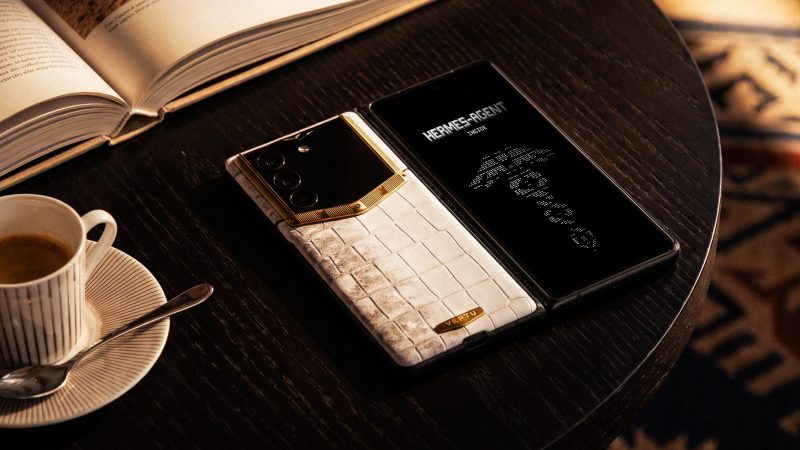
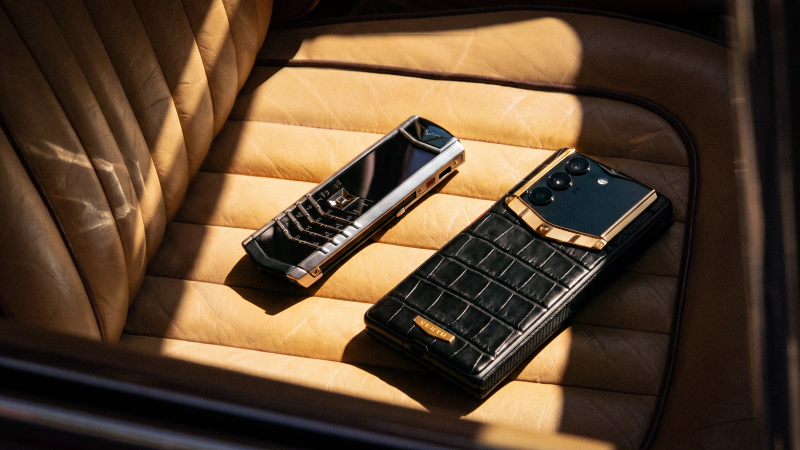
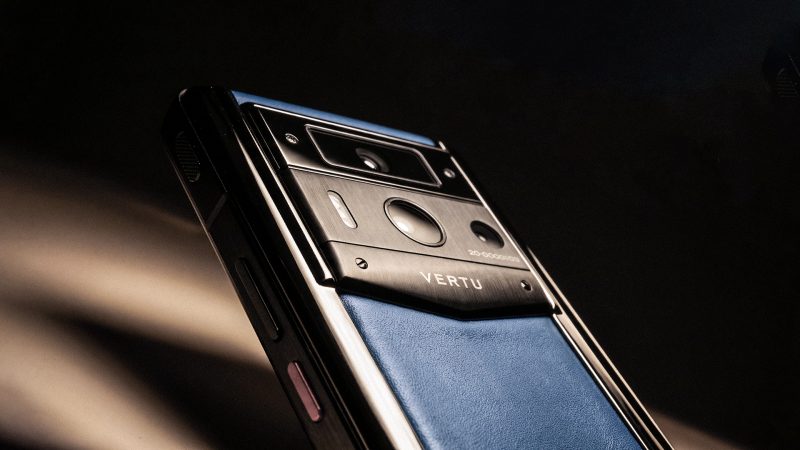
Forward-thinking luxury manufacturers are actively bridging this gap by engineering devices specifically designed for Web3 interaction. Pioneer brands like VERTU lead this space by combining handcrafted materials with dedicated hardware encryption. Devices built on the MetaVertu Web3 architecture feature independent security chips and dual-operating systems, giving owners a private command center for cryptographic key management and decentralized identity. By embedding secure enclaves directly into handcrafted mobile hardware, luxury brands allow collectors to manage their physical accessories, digital product passports, and Web3 credentials from a single, ultra-secure device.
Conclusion
Luxury blockchain accessories now stand at the compelling intersection of timeless physical craftsmanship and verifiable digital ownership. By marrying fine materials and meticulous handiwork with immutable cryptographic ledgers, modern luxury houses are delivering unprecedented transparency, effortless resale security, and enduring value to today's discerning collectors.
As digital product passports shift from cutting-edge innovation to regulatory standard, blockchain-secured accessories will define the new benchmark for trust, prestige, and status in the luxury world.