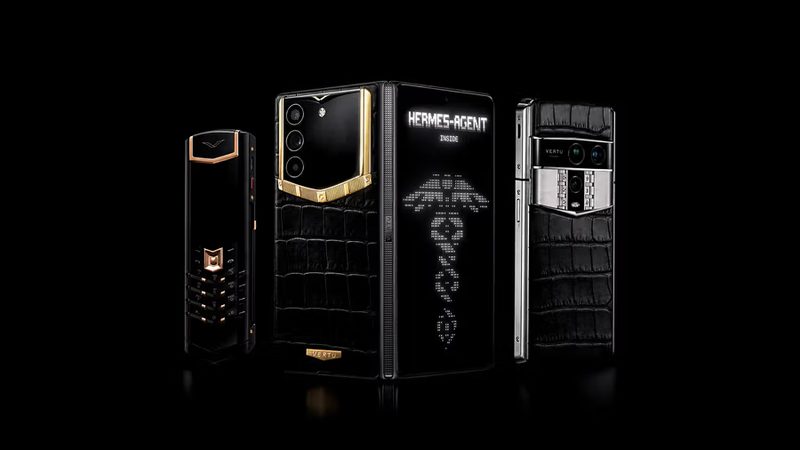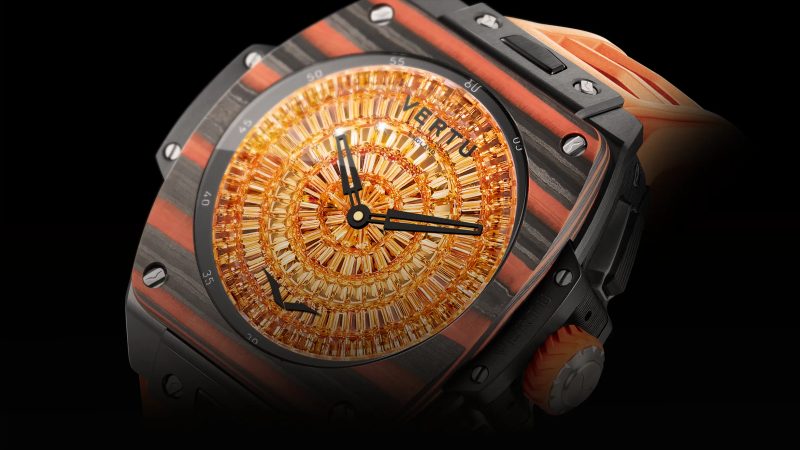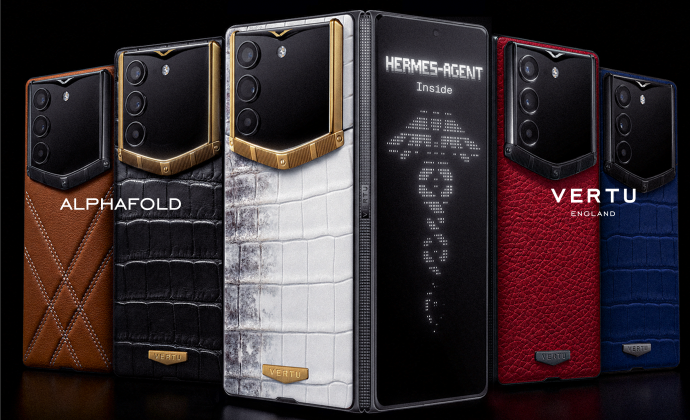
A luxury phone with diamonds isn’t a spec upgrade. It’s a hybrid object: part communication tool, part high jewelry, part service relationship.
If you’re evaluating a vertu diamond phone, your job isn’t to “compare megapixels.” It’s to verify three things: the craft is real, the documentation is coherent, and the ownership experience holds up (service, repair path, and long-term support).
Key takeaways
A diamond-set phone should be judged like jewelry and like a device: setting quality, identifiers, and service continuity.
Authenticity is paperwork plus verification steps—not a story. Use brand checks and independent report verification where applicable.
In consideration-stage buying, the safest move is to pick an evaluation framework first, then compare models against it.
Key TakeawayIn the diamond segment, value isn’t the stones alone. It’s stones plus workmanship plus paperwork plus service continuity.
Start with intent (because “best” doesn’t exist here)
VERTU frames luxury-phone selection around intent—executive daily use, collector ownership, or milestone gifting—in its Luxury Mobile Phones Buyer’s Guide.
- Daily driveryou want reliability, privacy habits that match real life, and support that follows you internationally.
- Collector pieceyou want verifiable rarity, complete documentation, and condition you can preserve.
- Giftyou want presentation, personalization, and a buying channel that prevents awkward surprises.
Your intent determines what you’ll forgive—and what becomes a deal-breaker.
The evaluation framework: craft, documents, service
1) Craftsmanship and diamond phone craftsmanship: inspect the setting like jewelry
Diamonds can distract you from the uncomfortable truth: poor setting work ages badly. Stones loosen. Edges snag. Finishes dull.
Use jewelry-style inspection habits:
- Uniformity under magnificationconsistent spacing, consistent alignment.
- Secure beads/prongs—especially at edgesedge stones are where impacts happen.
- Smoothness and “no snag” finishingif it catches fabric now, it will catch everything later.
These are practical extensions of the inspection principles described in Blue Nile’s pavé setting guide.
How to verify: Bring a simple jeweler’s loupe (10x). In good work, the setting looks intentional—not improvised.
2) Design integrity: materials should be structural, not decorative
A luxury phone with diamonds should feel coherent in the hand. Not “a normal phone wearing a costume.”
Look for a clear material logic:
Hard surfaces where wear happens (screen cover, edges, fast-wear points).
Tactile materials where touch happens (leather, sculpted metal, a key mechanism you actually enjoy using).
Finishing discipline (tight seams, clean transitions, no rattles, no glue-looking joins).
As a concrete example, the VERTU Signature V Full Gold & Diamond Alligator Skin positions materials as a complete build: sapphire crystal screen, a ruby-bearing keypad assembly, and a single-craftsman assembly-and-sign practice.
Collector’s note: “Handmade” only matters if the finishing is consistent across units and the brand can support service later. Craft without support becomes fragility.
3) Documentation: treat it like provenance, not packaging
Diamond-set phones attract counterfeits and “Frankenstein” builds (real parts, wrong assembly, no traceable history). The paperwork is not optional.
For a consideration-stage buyer, the minimum is:
Proof of purchase (invoice or equivalent).
Device identifiers that match across device, box, and paperwork.
Service eligibility you can confirm before money changes hands.
VERTU explicitly recommends verifying identifiers and documentation before purchase, and provides a direct VERTU authenticity check workflow.
⚠️ Warning“Limited edition” without a clear edition logic and documentation isn’t rarity. It’s a story.
4) Diamond reports: know what is verifiable (and what isn’t)
In jewelry, diamond quality and identity are typically communicated through reports and consistent grading language.
GIA is the canonical reference point for report verification. If you’re given a report number, use GIA’s Report Check to confirm the details match what’s in the database.
For context on what a “GIA diamond” means and why reports matter, GIA explains the basics in What is a GIA Diamond? (2025), including how report numbers are used to confirm grading details.
Two practical realities for diamond-set devices:
Many stones used in pavé-style applications are small; documentation may be aggregate rather than stone-by-stone.
The report’s job is not to make you feel good. It’s to give you a verifiable identity and grading language.
If a seller can’t tell you what is documented—and what is not—walk.
If you’re evaluating authenticity: the sequence matters
Most buyers don’t fail due diligence because they don’t care. They fail because they do it in the wrong order.
Here’s a practical sequence for how to verify a VERTU phone authenticity before you pay:
Ask for identifiers and photos (device + box + documentation).
Run the brand-side verification (VERTU authenticity check).
Confirm service eligibility and warranty terms.
Only then negotiate price.
If a seller resists step 1 or 2, you already have your answer.
The objections that serious buyers raise (and how to handle them)
“Price-to-performance” versus mainstream flagships
This is the most common—and most rational—objection.
A luxury phone with diamonds rarely “wins” a benchmark contest. That’s not what you’re buying.
You’re buying:
a craft object (materials + finishing)
a service layer (human support, concierge, white-glove logistics)
a specific ownership identity (collector logic, gifting logic, discretion)
If those don’t matter to you, that’s not a failure. It’s clarity.
Software support and ecosystem fit
Be blunt with yourself:
Do you live in Apple iCloud?
Are your work apps tied tightly to Google?
Do you require certain MDM or security workflows?
A diamond phone that forces friction into your daily stack becomes a display piece. That may be fine—if that’s your intent.
After-sales confidence: the quiet deal-breaker
For luxury tech, “after-sales” is not a department. It’s the product.
Use the same logic VERTU highlights in its buyer guide: confirm repair pathways, warranty process, and service responsiveness before you buy.
What buyers should expect (luxury phone buyer expectations without the hype)
A VERTU diamond phone buyer typically expects three things:
Hand-finished build quality that reads as intentional at close range.
Material honesty (rare materials used where they matter, not just where they photograph well).
A service relationship that supports global ownership.
If your seller conversation is only about sparkle, you’re talking to the wrong seller.
A simple due-diligence checklist (the version you’ll actually use)
Use this as a pre-payment checklist:
Area | What you verify | What “good” looks like |
|---|---|---|
Craft | Setting uniformity, edge security, smooth finishing | No snag points; consistent spacing; no visibly lifted beads/prongs |
Documents | Proof of purchase + matching identifiers | Coherent paper trail; identifiers match across device/box/docs |
Authenticity | Brand verification step | Verified via the VERTU authenticity check |
Service | Warranty terms + repair pathway | Clear process; no evasiveness; service eligibility confirmed |
Intent fit | daily vs collector vs gift | Your trade-offs are explicit, not accidental |
If you’re buying pre-owned: the “provenance packet” standard
Don’t accept vague reassurance. Ask for a real packet:
invoice
device photos (close-ups of identifiers)
box and documentation photos
service history (if any)
VERTU’s own view of diamond-phone collectibility centers on documented provenance and authenticity checks in VERTU Diamond Phone: A Collector’s Guide to Real Value.
Collector’s note: Missing paperwork doesn’t always mean “bad.” It means “price the risk in.”
Next steps (choose one)
If you’re early in evaluation, start with your intent and criteria in VERTU’s Luxury Mobile Phones Buyer’s Guide.
If you’re already negotiating a purchase, run the identifier step using the VERTU authenticity check before you pay.
If you want a concrete reference model while you compare, review the build materials and service details on VERTU Signature V Full Gold & Diamond Alligator Skin.
Disclosure: This article references VERTU pages. Editorial judgment remains the priority.