Key Takeaways
- A wide band can feel tighter than a narrow ring of the same nominal size because more of the finger is enclosed.
- Use a sizing gauge close to the proposed band's width. GIA advises wide-finger gauges for rings wider than 4 mm.
- Do not add half a size automatically: interior shape, an open design, knuckle size and daily changes in the finger can alter the result.
- Test comfort and removal before ordering, especially if the ring's design makes resizing difficult.
A wide band ring may feel small even when its stamped size matches a narrow ring you already wear. The wider band touches more of the finger, and its interior shape may change how it slides over the knuckle and rests at the base. The practical answer is to test a ring or gauge close to the width and profile you intend to buy. A generic half-size increase is a possible starting suggestion, not a universal conversion.
Why the same ring size can feel different
Ring size describes an internal measurement, commonly expressed through an inside diameter or circumference. It does not describe the full experience of wearing the ring. A narrow band covers a smaller strip of the finger; a wide band has more continuous contact. The skin and soft tissue beneath it move when you make a fist, grip something or walk from a cool room into warm weather. A wide band can therefore feel more restrictive even if its inner diameter is exactly what the size chart says.
GIA's professional sizing guidance says to use wide-finger gauges for rings wider than 4 mm and warns against forcing a gauge over the joint. Its consumer guide also notes that wide shanks usually fit more snugly and that wider bridal sets require special consideration. These sources explain the general tendency; they do not assign one exact extra size to every design.
This is the distinction behind 鈥渨ide bands run small鈥? A correctly manufactured size can still feel small on your finger. Before deciding that the maker labelled it incorrectly, compare it with a width-matched gauge and the seller's own size method.
Width is only one part of the fit
The interior profile matters. A flat interior and a gently rounded 鈥渃omfort fit鈥?interior of the same nominal size touch the finger differently. GIA's sizing reference treats convex interiors as a separate case. An open ring or one with less metal above the finger may also fit more loosely than a continuous closed band. Decorative details, raised settings and stacked rings can affect how a piece feels when your hand moves.
Knuckle shape can create the opposite problem: a ring that passes a larger joint may rotate at the narrower base. Making every wide ring larger might solve the passage over the joint but leave the finished ring insecure. Tell the jeweller if that is your situation. The desired fit is one you can remove deliberately, without force, that remains comfortable and reasonably stable during normal wear.
Finger size also changes through the day and with temperature, activity and other individual factors. GIA's consumer guidance describes these fluctuations. A ring tested only on very cold fingers may feel tight later; one tested after unusual heat or exertion may be loose in ordinary conditions. Use a typical day, and if the choice is consequential, try more than once.
A reliable wide-band fitting routine
- Confirm the intended finger and hand. A ring worn on another finger, or the other hand, is a reference only. Do not rely on its stamped size as a direct answer.
- Find the proposed width. Ask the seller for the actual band width and whether it is constant around the ring. If the design tapers, ask which part governs fit.
- Use a comparable gauge. At a jeweller, try a gauge close to that width and, if possible, the same interior profile. GIA specifically distinguishes wide gauges from narrow ones.
- Pass the knuckle without force. The ring should go on and off with controlled resistance. Do not force a tight sample over a joint just to reach the finger base.
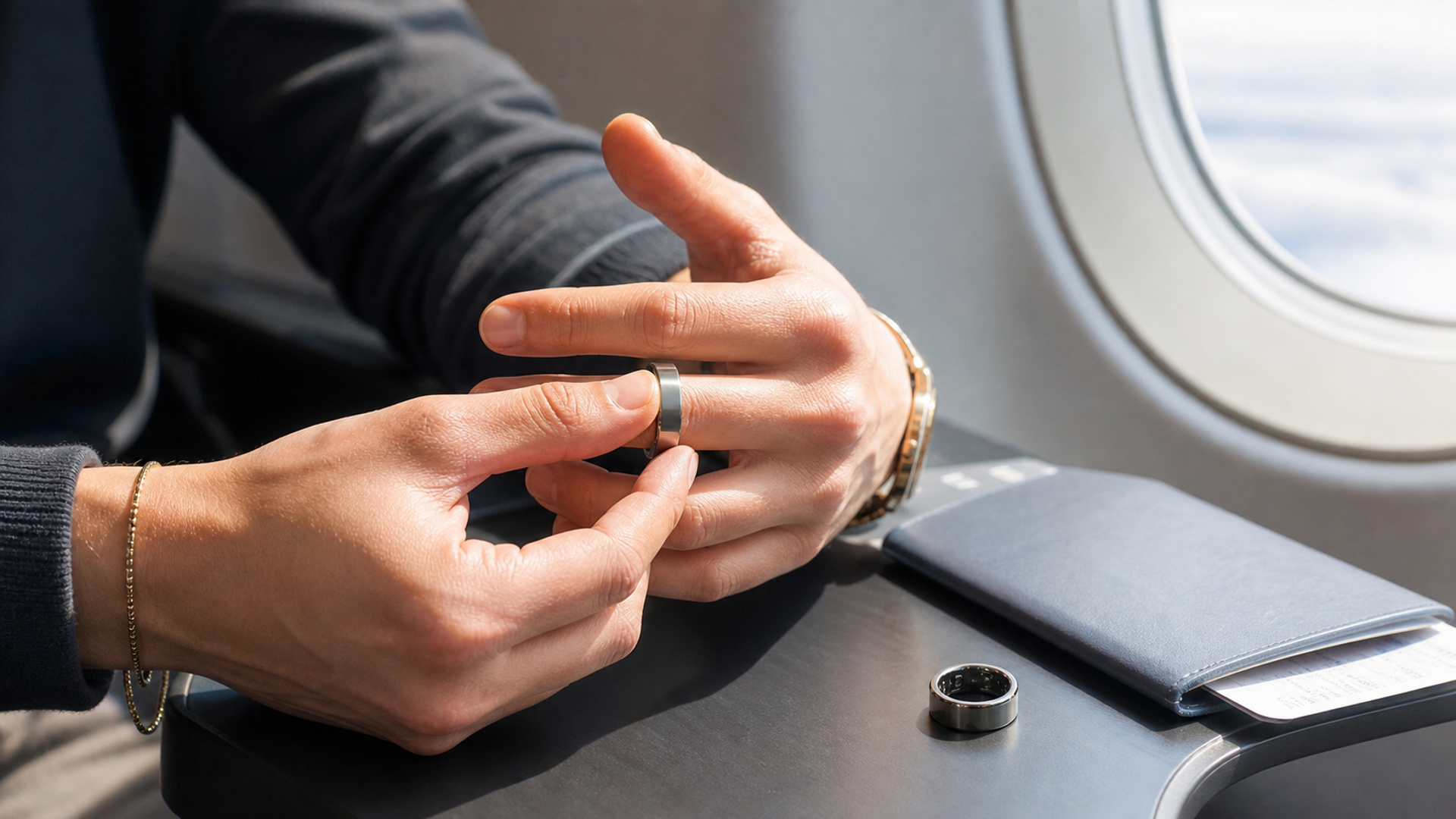
- Test normal movement. Bend your hand, make a gentle fist and wear the sample for several minutes. Note pressure, spinning, sliding and how easily it comes off.
- Repeat under ordinary conditions. Avoid making a final decision immediately after cold exposure or unusually heavy activity. If possible, test later in a normal day.
Bring a slim ring you wear comfortably so the jeweller understands your preference, but let the wide gauge decide the final comparison. An online chart converts measurements into nominal sizes; it cannot reproduce the contact area and interior shape on your hand. For a high-value or difficult-to-resize design, a short in-person fitting is often worth more than another home measurement.
Should you add half a US ring size?
Sometimes a larger size is appropriate. Blue Nile's ring sizing advice says wider bands tend to fit more snugly and suggests considering a quarter to half size increase for bands from 6 mm. That is a retailer's starting guideline for its context, not a mathematical rule. The required change may be smaller, larger or unnecessary depending on the ring's width, interior, your knuckle and your preferred fit.
Ask for two adjacent sizes in a width-matched sample. Compare which one passes the joint safely, sits comfortably after several minutes and stays reasonably secure. If neither works well, the issue may be the ring's profile or the difference between joint and finger base, rather than a missing half size. Ask about another design or an adjustment option instead of guessing.
VERTU's general home ring-sizing guide offers a broad starting point. This article addresses the additional width and profile test that a basic circumference measurement cannot resolve.
Check resizing and exchange options before buying
Some rings are easier to alter than others. GIA notes that pav茅, channel and full eternity settings can be difficult to resize. Construction, material, surface pattern and embedded components may add restrictions. Do not assume that any ring, especially a smart or heavily decorated one, can be enlarged later. Ask the seller whether this exact style can be resized, by how much, at what cost and within what time. Read the return or exchange policy before engraving or custom ordering.
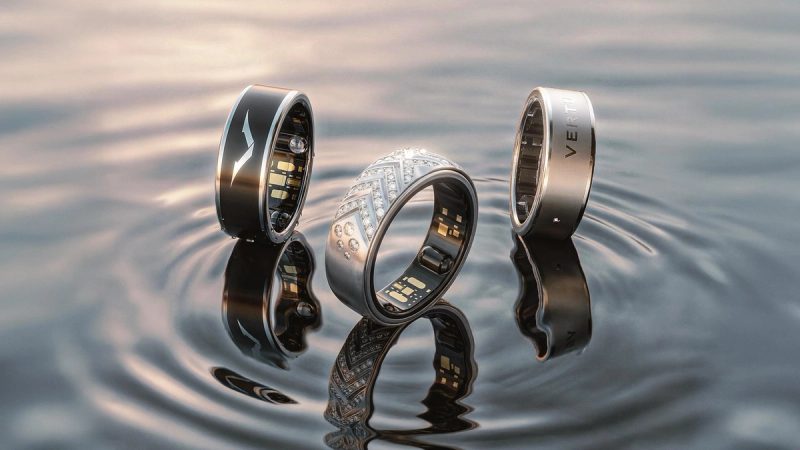
If you are considering a VERTU ring, use the current wearable collection to identify the exact item and then confirm its sizing and service terms with VERTU. The product knowledge base revision 427 checked for this article did not contain a verified AI Diamond Ring sizing specification, so no universal VERTU size increment or resize promise is made here.
A printed size conversion between US, UK and European systems can help you place an order, but use the maker's chart and confirm whether the size is based on diameter or circumference. Rounding errors matter when the fit is already close. If you are buying as a gift and cannot arrange a fitting, protect the exchange option rather than relying on a guessed conversion.
FAQ
Do wide rings really run small?
They often feel tighter than narrow rings of the same stated size because more of the finger is in contact with the band. The size label can still be technically correct.
Should I always go up half a size?
No. A half size is a possible starting suggestion for some wider designs, but a width-matched fitting test is more reliable. Rounded interiors and open designs may behave differently.
Can I measure a wide ring at home?
You can use the maker's chart and an accurately measured ring as a starting point. For an expensive or non-resizable design, try a professional wide gauge or the maker's actual sizing kit before ordering.
Does comfort fit change the size I need?
It can. A rounded interior changes the area touching the finger and may slide differently from a flat band. Test the intended profile instead of transferring a size from a flat ring.
Can a wide ring be resized later?
Only if its construction and seller permit it. Full eternity settings, some materials and embedded components can limit alterations. Confirm the exact policy before purchase.
Conclusion
A wide band that feels small is a fitting signal, not proof that its stamped size is wrong. Compare a gauge matched to the new ring's width and interior, test both knuckle passage and comfort, then check the item's resizing and exchange terms. If you are comparing designs in VERTU's ring collection, apply this test to the exact style you intend to order. That process gives you a better answer than automatically adding half a size.