If you want to repair scratched sunglasses lenses, start by separating removable dirt from permanent damage. Clean the lenses gently once, following their care instructions, then arrange an optician’s assessment if marks remain. Toothpaste, abrasive polishing and coating removal are not dependable repairs. A replacement lens may be the appropriate solution, subject to the frame’s condition and the availability of correctly specified lenses.
This is a practical care and replacement guide based on eyewear manufacturers’ advice. It does not assess the optical performance or UV protection of your individual pair.
Key Takeaways
- Use cleaning to remove contamination, not to grind away a persistent line or patch.
- Stop wearing a damaged pair for tasks where the mark interferes with a clear view.
- Ask about replacement-lens specifications and frame suitability before agreeing to work.
- Keep the original model details; a shared aviator shape does not establish replacement-lens compatibility.
Is the mark a scratch, a smear or damaged coating?
Begin with a careful inspection after ordinary cleaning. A mark that disappears was removable contamination. A line, cloudy patch or peeling area that remains needs a different decision; repeated rubbing is not a useful diagnostic test. You do not need to identify the precise coating or lens material yourself before asking for help.
Set the glasses on a clean surface and note which lens is affected. Look at the front and back under normal room lighting, holding the frame rather than pressing on the lens. Describe what you can see: one line, several fine marks, a cloudy area or a loose edge. Avoid scraping the mark with a fingernail to see how deep it is.
- Check the care instructions. Use the cleaning method recommended for the installed lenses, especially if they have previously been replaced.
- Remove loose contamination gently. ZEISS recommends lukewarm running water and a suitable pH-neutral cleaning agent, followed by gentle drying with a microfibre cloth. Its lens-care guidance also explains why clothing and tissues are poor substitutes.
- Reassess once the lenses are clean. If the same mark remains, stop trying stronger household products and record it for the optician.
If you cannot confirm which cleaner suits your lenses, ask the retailer before applying anything. Do not improvise a chemical mixture. Cleaning should leave you with a clearer assessment of the problem, rather than a second problem to explain.
Why should you avoid home scratch-removal hacks?
A smoother-looking surface is not proof that the lens has been restored. Bollé’s advice on scratched sunglass lenses warns that toothpaste and baking soda are abrasive and can damage coatings. The manufacturer distinguishes cleaning a mark from repairing physical damage and identifies lens replacement as the more reliable response to scratched lenses.
Do not use metal polish, sanding products or a drill-mounted polishing attachment. Do not strip a coating because an online video makes the remaining lens look clearer. Those approaches do not give you a verified result for your particular pair. Nor should a scratch-filling product be treated as evidence that optical quality or UV protection has been recovered.
There is also a practical service consideration: describe the original damage before making further alterations. An optician can assess an untouched mark more straightforwardly than a lens that has been subjected to several undisclosed treatments. If you have already tried a product, take its name or packaging to the appointment rather than hiding that detail.
When should you put the sunglasses aside?
Put them aside if the damage interferes with what you need to see, if the lens is cracked or loose, or if the frame no longer holds it securely. Do not use a road journey, cycling session or other demanding activity as a test of whether an obstructed view is tolerable. Choose another suitable pair while you arrange assessment.
A small mark near the edge and a line directly in your usual viewing area create different practical questions. Record both the location and what you notice while looking through the lens. You do not need to rate the damage with a number or decide whether it meets an invented replacement threshold.
| What you observe | Useful next step | What to avoid assuming |
|---|---|---|
| A film or fingerprint disappears after suitable cleaning | Resume the normal care routine and inspect the case and cloth | That more rubbing will prevent future scratches |
| A persistent mark sits outside your usual viewing area | Ask an optician to assess it and explain replacement options | That location alone proves the lens is optically sound |
| A line or cloudy patch interrupts your view | Use another suitable pair and arrange assessment | That familiarity makes the obstruction acceptable |
| A lens is cracked, loose or accompanied by a distorted frame | Request a lens-and-frame assessment before further wear | That a new lens alone will resolve the whole problem |
How do you make a useful replacement-lens enquiry?
Ask whether the frame can accept suitable replacement lenses before comparing prices. The useful outcome is a correctly specified, securely fitted pair, rather than simply the removal of the visible scratch. Bring both lenses and the complete frame so the proposed work can be discussed in context.
Prepare the following information for the retailer or optician:
- Exact identification: the model name, any markings inside the temples and the purchase record if available.
- Current lens history: whether these are the original lenses or a later replacement, and whether they are prescription lenses.
- Damage description: which side is affected, its position and whether the mark remains after suitable cleaning.
- Your priorities: the tint you want to retain, any documented polarisation requirement and the activities for which you use the glasses.
- Work requested: assessment of the frame, available replacement options and the proposed fitting method.
- Written specification: what lens material, optical specification, tint, coatings and UV-protection information the replacement will have.
Ask whether replacing one lens would leave a satisfactory matched pair or whether both should be replaced. Let the provider explain the recommendation for your actual glasses. Do not assume that two lenses with a similar colour have identical specifications, or that an aftermarket option reproduces every feature of the original.
What should you check for VERTU x BYWP sunglasses?
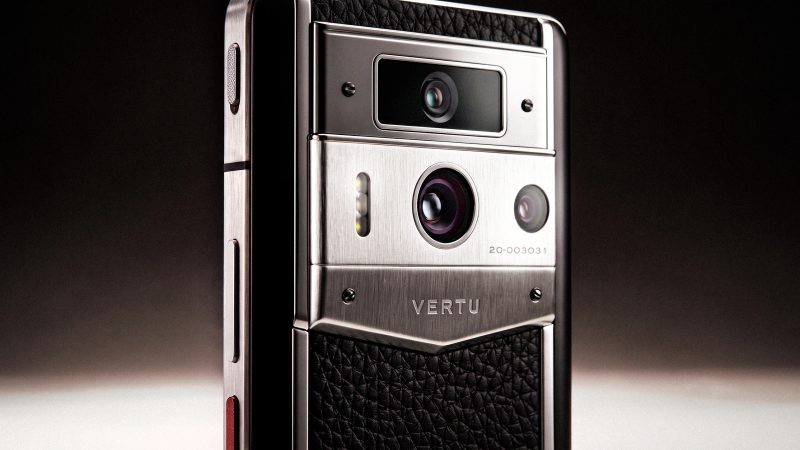
For VERTU x BYWP Modern Aviator Sunglasses, start with the exact collaboration and model name shown on the official listing. Use that information to enquire about serviceability and suitable replacement lenses. An aviator-style frame is an identification starting point, not a universal lens-fitting specification.
The listing identifies the model and describes its modern aviator design. That description alone does not establish a particular replacement-lens programme, prescription-conversion service or the specifications of every fitted lens. Ask the seller what is available for your particular pair, and request the relevant lens documentation rather than transferring claims from another VERTU sunglasses model.
Keep design and aftercare decisions connected: if you particularly value the frame, ask whether retaining it is practical and what the finished result would include. If replacement is unavailable or the frame is unsuitable, compare a new pair using its current documented lens specifications. Neither route should depend on a promise that a home polish can reproduce the original lens.
What should you check when the glasses come back?
Check the completed work before leaving the fitting appointment. Ask the provider to explain what was changed and give you the replacement-lens information in writing. Confirm that the frame sits comfortably and that the lenses appear secure; do not bend the temples or press a lens into position yourself.
Look through the pair in an ordinary, safe setting. If you notice an unexpected difference between the two sides, an uncomfortable fit or a problem with the view, raise it with the provider before using the glasses for driving or another demanding task. Keep the work record with the model details so a future enquiry concerns the lenses actually installed.
How can you reduce avoidable damage afterwards?
Give the glasses a dedicated place in your bag. ZEISS recommends a hard case when they are not being worn and keeping the lenses facing upwards if they must be put down. Its guidance also advises against leaving glasses in high heat, including on a car dashboard. These are care precautions, not a guarantee against scratches.
Make the routine easy to follow: keep a clean microfibre cloth with the case, replace a dirty cloth with a clean one, and avoid dropping keys or loose objects into the same compartment. Before putting the glasses away, check that the case is free of obvious grit. A case is useful only if you actually use it rather than resting the lenses on a table between outings.
Frequently Asked Questions
Can toothpaste make a scratched lens safe to use again?
No dependable restoration follows from a better-looking mark. Toothpaste is an abrasive, and the manufacturer advice above warns of coating damage. Do not treat polishing as proof of optical quality or UV protection. Ask an optician about the actual lenses and replacement options.
Does a scratch automatically mean all UV protection is gone?
You cannot determine the remaining UV performance from a visible scratch alone. Do not assume either that protection has disappeared completely or that it is unaffected. Ask for an assessment and appropriate documentation for any replacement lenses; a cosmetic improvement is not a UV test.
Can I keep an expensive frame and replace only the lenses?
Possibly, but the answer depends on that frame and the lenses available for it. Ask the retailer or optician to inspect the complete pair, confirm suitability and explain the proposed specification and fitting. A brand name or familiar frame shape does not guarantee that a replacement is available.
Conclusion
The useful way to approach a request to repair scratched sunglasses lenses is to clean gently, identify what remains and choose the next step from the condition of the actual pair. Avoid abrasive remedies and unverified restoration promises. A precise model record, a professional frame-and-lens assessment and documented replacement specifications give you a clearer decision than repeated attempts to polish the mark away.