Can you wear a watch through airport security? At a US TSA checkpoint, do not count on keeping it on throughout screening. TSA’s travel checklist tells passengers to remove bulky jewellery, and the officer’s instructions take priority. Prepare a secure place for your watch before joining the queue so you can remove, stow and retrieve it calmly if required.
This guide concerns one wristwatch at a US TSA checkpoint. It is a handling routine based on published guidance, not a promise about every watch, screening lane or airport outside the United States.
Key Takeaways
- Permission to carry a watch does not guarantee permission to wear it through every screening step.
- Choose one accessible, secure carry-on location before the watch leaves your wrist.
- Follow instructions if separate presentation or further screening is requested.
- Collect your belongings, move clear of the conveyor and check the clasp before walking away.
What does TSA’s guidance actually establish?
TSA’s public guidance gives a useful preparation rule, rather than a watch-by-watch guarantee. Its travel checklist advises removing bulky jewellery and says valuable items can be placed in carry-on baggage. It also reminds passengers to check the bins and collect all belongings after screening.
The separate TSA jewellery guidance permits jewellery in carry-on baggage, recommends keeping valuables with you rather than in checked baggage, and says you can ask for private screening of yourself and your valuables. The page makes clear that the officer has the final decision about whether an item is allowed through the checkpoint.
These are different questions: bringing a watch with you, leaving it on your wrist and responding to a screening instruction. Do not turn the first answer into an exemption from the other two. A previous journey without removal is also not an instruction for the lane you are using today.
What should you prepare before reaching the queue?
Prepare the transfer, not just the watch. Know how its clasp opens, decide where it will go if removed and keep that location accessible. The aim is to avoid deciding between several temporary resting places while the queue is moving.
Before departure, open and close the clasp in a quiet place using the watch’s care instructions. If the mechanism is unfamiliar or unreliable, ask the retailer for help before travel. Do not assume you can learn an unfamiliar release while holding your bag and responding to an officer.
Choose a small protective pouch or suitable case inside a zipped carry-on compartment. Keep that compartment free of loose objects that would complicate the transfer. This is practical handling advice, not a claim that a particular pouch changes screening requirements or prevents every loss or scratch.
Make the arrangement simple enough to remember without a diagram: one watch, one designated location. You should be able to point to that location before taking the watch off. If you cannot, finish organising the bag before entering the preparation area.
Should you take the watch off in advance?
Follow the lane’s instructions and decide whether advance stowage is practical for your watch. TSA’s bulky-jewellery advice supports preparing to remove a substantial piece. If you choose to put it away early, complete the transfer into the carry-on rather than leaving it loose in a coat pocket or holding it in your hand.
There is a handling trade-off. Advance removal lets you work at your own pace, but only if you have a secure place ready. Waiting for direction avoids unnecessary handling, but you must still be able to respond promptly. Neither approach justifies ignoring an officer’s request once screening begins.
| Your situation | Practical preparation | Decision boundary |
|---|---|---|
| A bulky watch and an accessible pouch | Be ready to stow it fully before screening | Still follow any request for separate presentation |
| A watch you intend to keep on unless directed otherwise | Know the clasp and prepare the carry-on location | Do not treat your preference as permission |
| A clasp that is difficult to operate | Seek help before the journey; tell the officer if removal is difficult | Do not force the mechanism in the moving queue |
| A piece you do not want to handle in public | Ask about private screening | A private-screening request is not an exemption from inspection |
What should you do if the officer asks you to remove it?
Pause and follow the instruction. Use the prepared location if that is consistent with what the officer requests. If you are told to present the watch separately, do that instead of insisting that it must remain inside your bag.
- Make room to handle the watch. Set down or steady your other belongings as directed, rather than trying to juggle everything.
- Open the actual clasp or buckle. Release it normally; do not drag a closed watch over your hand or pull against resistance.
- Keep the transfer deliberate. Put the watch into the prepared pouch and carry-on location if permitted by the instruction.
- Close the storage compartment. Avoid an incomplete transfer with the watch balanced on top of the bag.
- Present it differently if asked. Tell the officer where it is and follow any direction for further inspection.
- Remember the final location. If separate screening changes where the watch is returned, include that location in your collection check.
If you cannot open the clasp, say so before trying again. Ask how the officer wants you to proceed. The useful response is a clear explanation of the difficulty, rather than forcing the hardware or asking an unverified stranger to manipulate a valuable piece.
How do you keep track of the watch during the handover?
Use a simple location check rather than relying on a hurried memory. Before screening, the watch is either on your wrist or fully inside the chosen carry-on compartment. After an instruction changes that arrangement, identify where it has gone before moving to the next stage.
Do not add extra resting places unnecessarily. A watch moved from wrist to open jacket pocket, then to a tray and finally to a loose handbag pocket has several transfers to remember. A planned wrist-to-pouch transfer gives you a more straightforward sequence to follow, while leaving room for the officer to request something different.
If you are travelling with another person, keep responsibility explicit. Do not assume a companion has collected the watch because they are holding a tray. Check the item yourself when it is returned, then complete your own collection routine.
What is relevant for a valuable VERTU watch?
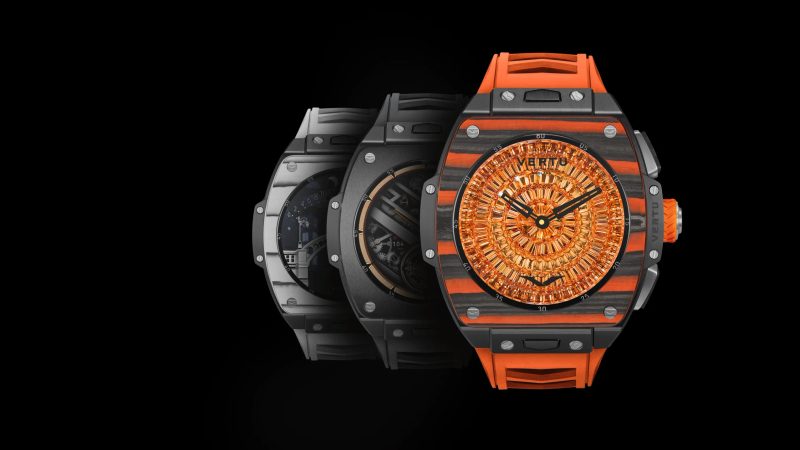
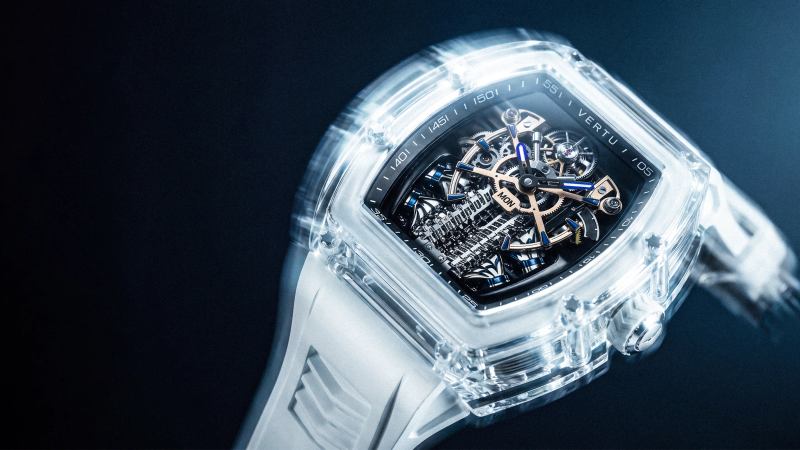
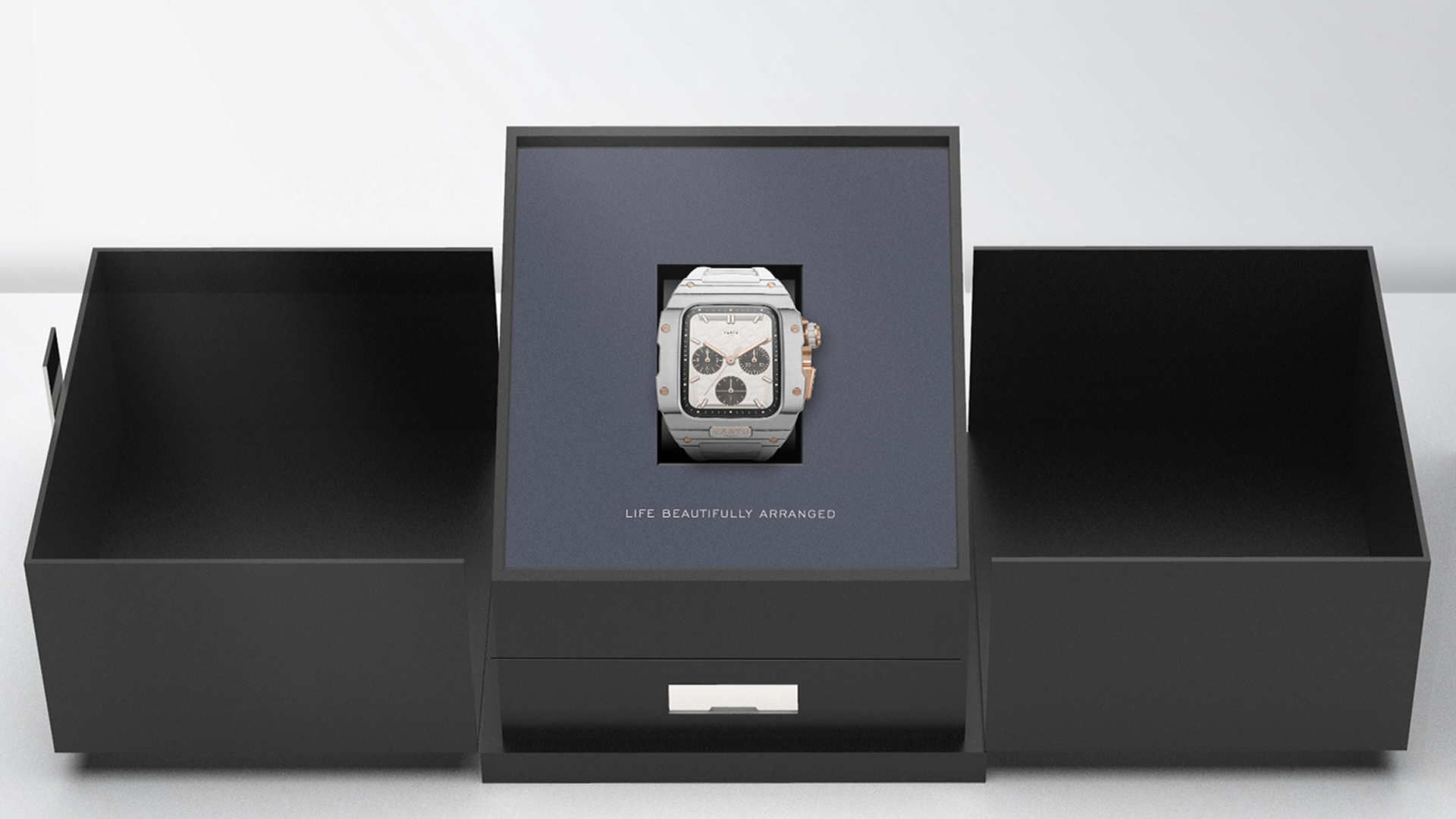
For a VERTU Grand Watch or Fusion Hamlet Diamond Watch, use the precise watch and its fastening as the starting point for preparation. The collection or model name identifies what you own; it does not replace a TSA instruction or establish a special screening status.
Ask the retailer how to operate an unfamiliar fastening and which protective storage is suitable for that exact configuration. If the watch has a delicate finish or projecting details, choose the storage arrangement with those features in mind rather than assuming any small pocket will do. This is a fitting and handling question, not a reason to invent a universal material-based scanner rule.
For discretion, TSA’s published option to request private screening is more useful than a promise that valuable watches never need to be removed. Make the request directly to the officer. Do not interpret the option as permission to bypass inspection, or take the watch apart to anticipate a request that has not been made.
What should you check after the watch is returned?
Complete the belongings check before leaving the screening area. Then use the recomposition space to put the watch back on, rather than fastening it while reaching across arriving bags. If the officer directs a different procedure, follow that direction.
- Confirm that the watch is in your possession, not merely that the pouch has been returned.
- Check the compartment, any separately used bin and the place where the watch was handed back.
- Refit the watch using the normal clasp or buckle procedure.
- Check that the fastening is properly closed before you start walking.
- If something appears missing or damaged, remain nearby and speak to the checkpoint staff promptly.
If you prefer to leave the watch stowed, close the pouch and compartment again after checking. There is no need to add another transfer just to finish the routine. The important result is knowing the watch’s location and completing the fastening or storage step you have chosen.
Frequently Asked Questions
Does TSA PreCheck guarantee I can keep my watch on?
Do not treat it as a watch-specific guarantee. TSA’s security-screening guidance notes that even passengers who normally receive expedited screening may receive a pat-down. Follow the instructions for your actual lane and be ready to remove or present the watch if asked.
Should I refuse a separate-bin instruction for a valuable watch?
No. Follow the officer’s screening instruction and explain any handling concern clearly. You can ask about private screening for yourself and your valuables. Keep track of where the watch is returned and include that location in your collection check.
Does the same answer apply at an overseas airport?
Not automatically. This guide is limited to US TSA checkpoints. Read the departure airport’s own instructions for another country and follow the staff there, even if an earlier US screening allowed you to keep the same watch on.
Conclusion
When asking “can you wear a watch through airport security”, plan for an instruction to remove it rather than relying on a universal yes. For US TSA screening, prepare one secure carry-on location, know the fastening and follow the officer’s direction. Finish by checking the actual watch and closing its clasp or storage compartment before moving on.