The best camera phone for you this Black Friday is the one whose saved photographs suit the people, interiors and places you actually photograph. Start with documented camera specifications, then request comparable sample files. A sensor label or a 35mm lens description is a useful clue, but neither establishes a universal winner.
This is a buying guide based on published specifications, rather than a hands-on ranking. The model examples explain what to ask and compare; they are not a claim to cover every current phone. Check the exact version sold in your market and the terms of any offer separately.
Key Takeaways
- Read sensor model, sensor format and megapixels as separate fields.
- Confirm the reference behind a focal-length figure before comparing it across phones.
- Try your preferred framing in a real room, rather than choosing from a number alone.
- Request original portrait, indoor and travel-style files under comparable conditions.
- Decide which camera meets your needs before assessing the Black Friday purchase terms.
Read the sensor specification before the headline
Ask for three distinct pieces of information: the sensor model, its stated optical format and the camera's pixel count. Do not convert a model code into dimensions by guesswork. If a listing supplies only a code or megapixels, leave the format unanswered and ask the manufacturer.
Format names also need care. Sony's DSC-RX100M7 specification, for example, lists a sensor measuring 13.2 × 8.8mm and calls it “1.0 type”. This compact-camera example shows why the type label should not be read as a literal one-inch measurement across the sensor. It does not identify the sensor inside a different device. Sony's sensor-format specification.
A useful comparison sheet keeps those fields apart. Write the exact manufacturer wording and source beside each one. When a seller describes a sensor as large, ask which documented format they mean. Then ask for photographs relevant to your use, rather than turning that adjective into an image-quality verdict.
Make 35mm a framing question
Focal length relates to angle of view and magnification. Nikon explains that, for a given format, a longer focal length gives a narrower view and greater magnification. Its guide also makes clear that focal length is not the physical length of the lens. Compare phone descriptions on a stated, consistent reference, such as an explicitly equivalent focal length. Nikon's focal-length explanation.
For a phone described with a 35mm camera, make the buying question concrete: can you compose a person with the amount of surrounding room you want, from a comfortable position? Try a seated portrait and a photograph that includes the setting. Ask whether you like the framing without rearranging the whole scene.
In a small room, check where you would stand and what the frame includes. On a trip, consider whether you usually photograph one person, a group or the place around them. These preferences help you choose a camera arrangement; no focal-length number decides them for everyone.
Use these published model details as starting points
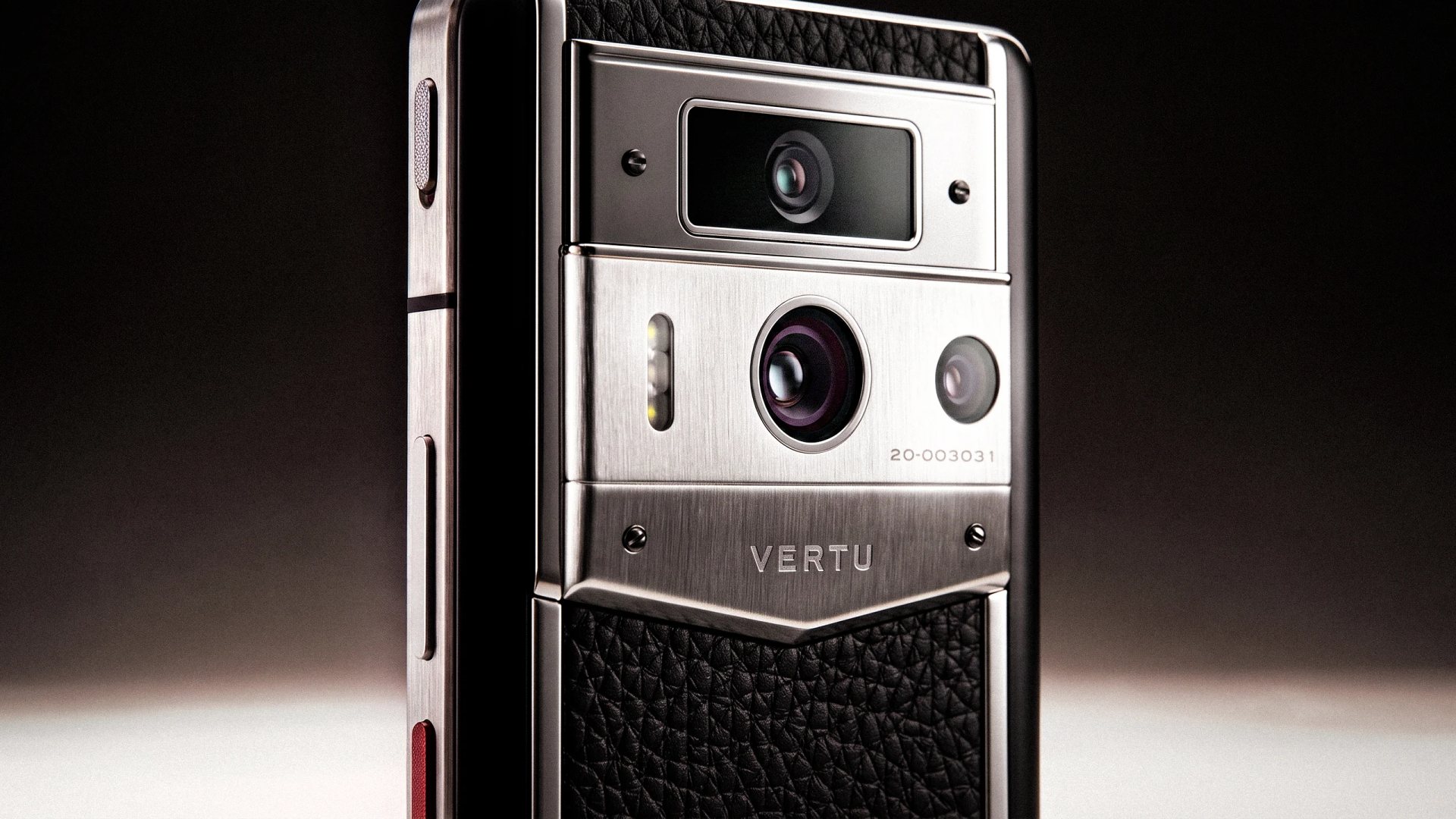
VERTU Agent Q: worth investigating if you want to try VERTU's documented 35mm main-camera framing. The official Grained Calfskin page lists a 50MP main camera with 35mm. Request a portrait and an indoor composition using that option. The entry supplies a specification, not proof of how the saved result will suit your taste. Agent Q's current camera specifications.
METAVERTU MAX: a second VERTU option to assess if this framing interests you. The official Carbon Fiber page lists a 50MP main camera with 35mm. Do not assume it produces the same pictures as Agent Q because those two headline entries match. Ask for the same scene on each phone and compare the resulting files. METAVERTU MAX Carbon Fiber specifications.
Xiaomi 15 Ultra: a published-specification example for buyers comparing clearly labelled sensor and focal-length information. Xiaomi's global specification lists a 50MP LYT-900 main camera, a one-inch sensor label and a 23mm equivalent focal length. Those details make useful questions possible, but do not prove an advantage over the VERTU examples. Confirm local availability and examine relevant samples. Xiaomi 15 Ultra's global specifications.
These examples are not a league table. In particular, confirm the focal-length reference used in the VERTU descriptions before making a direct numerical comparison with Xiaomi's explicitly equivalent figure. Choose on the evidence available for the complete camera and the photographs you need.
Compare portraits, interiors and travel photographs differently
Bring a short shot list to a demonstration, with permission from anyone you photograph. Keep the subject and lighting comparable, record the selected mode, and request the original saved files if sharing is permitted. The following worksheet makes each scene answer a buying question.
| Scene to request | What to compare | Decision it helps you make |
|---|---|---|
| A person beside a window | Face detail, colour preference and the amount of room included | Whether you like the portrait framing and rendering |
| A person under ordinary indoor lighting | The saved face, clothing detail and handling of the background | Whether the result suits dinners, meetings or family photographs |
| A room or courtyard | How much fits from a permitted standing position | Whether the available framing suits the spaces you visit |
| A street-style scene with a person and surroundings | The balance between subject and setting at your chosen camera position | Whether this arrangement matches your travel photographs |
For portraits, first judge the version you would normally share. If optional portrait effects or appearance adjustments are available, note whether they are enabled. Request a plain capture as well as an effect-heavy example, so that you can choose the rendering you prefer rather than confuse different settings.
For indoor use, ask for an ordinary-light example instead of accepting only a brightly lit display scene. If a special low-light mode is demonstrated, record that choice and observe the capture process. Consider whether it fits the way you photograph people, including the time and attention you are willing to give each shot.
For travel, include the scene around your subject. Ask for one photograph from the position available to you, then another with a different supported camera option if appropriate. Decide whether the extra choice solves a real composition problem. You do not need to turn the exercise into a maximum-zoom contest.
Review the files without changing the comparison
View the saved images on the same display at a consistent size. Start with the photograph as you would use it: a message, an album or a print preview. Then inspect details that matter to you. Keep observations specific, such as preferring the face in one portrait or finding a room composition too tight.
Do not compare a compressed screenshot from one phone with an original file from another and call it a camera test. If those are the only files available, record the difference and narrow your conclusion. Likewise, keep edited promotional photographs separate from demonstration captures whose settings you know.
Use this ready-to-fill note for each phone: exact model; camera mode; scene and lighting; selected camera; original file available; preferred result; unresolved question. You can complete it in a short visit without pretending to produce a laboratory score. Seek another example when an important scene remains unanswered.
Make the Black Friday decision after the camera decision
Write your camera requirements before reviewing offers: for example, a portrait style you like, workable indoor framing and useful travel compositions. Identify which demonstrated phone meets those requirements. If neither does, ask for further evidence instead of allowing a discount headline to settle the question.
For the purchase itself, confirm the exact model and configuration, the total checkout price, included accessories, delivery details and applicable return conditions. Save the offer's terms and the order information. A camera demonstration does not establish a promotion's eligibility or an after-sales entitlement.
Frequently Asked Questions
Does a one-inch sensor label prove the camera is better?
No. It is a specification to verify, not a complete comparative test. Check the exact model and format wording, then judge relevant original samples. Do not transfer one phone's sensor description to another.
Will a 35mm camera suit every indoor photograph?
No single framing choice suits every room or group. Try the composition from a practical standing position and check the other camera options you would use. Confirm the manufacturer's focal-length reference before comparing figures.
What if a seller cannot provide comparable sample files?
Keep that part of the decision unresolved. Request a demonstration or clearly documented originals through an available channel. A specification can help you shortlist, but it should not be presented as a sample you have examined.
Conclusion
Find your best camera phone by matching documented specifications to photographs you would actually keep. Verify sensor-format language, try the framing and compare original portrait, indoor and travel examples. Once a phone answers those questions, assess the Black Friday offer on its exact terms and choose with the remaining uncertainties clearly understood.