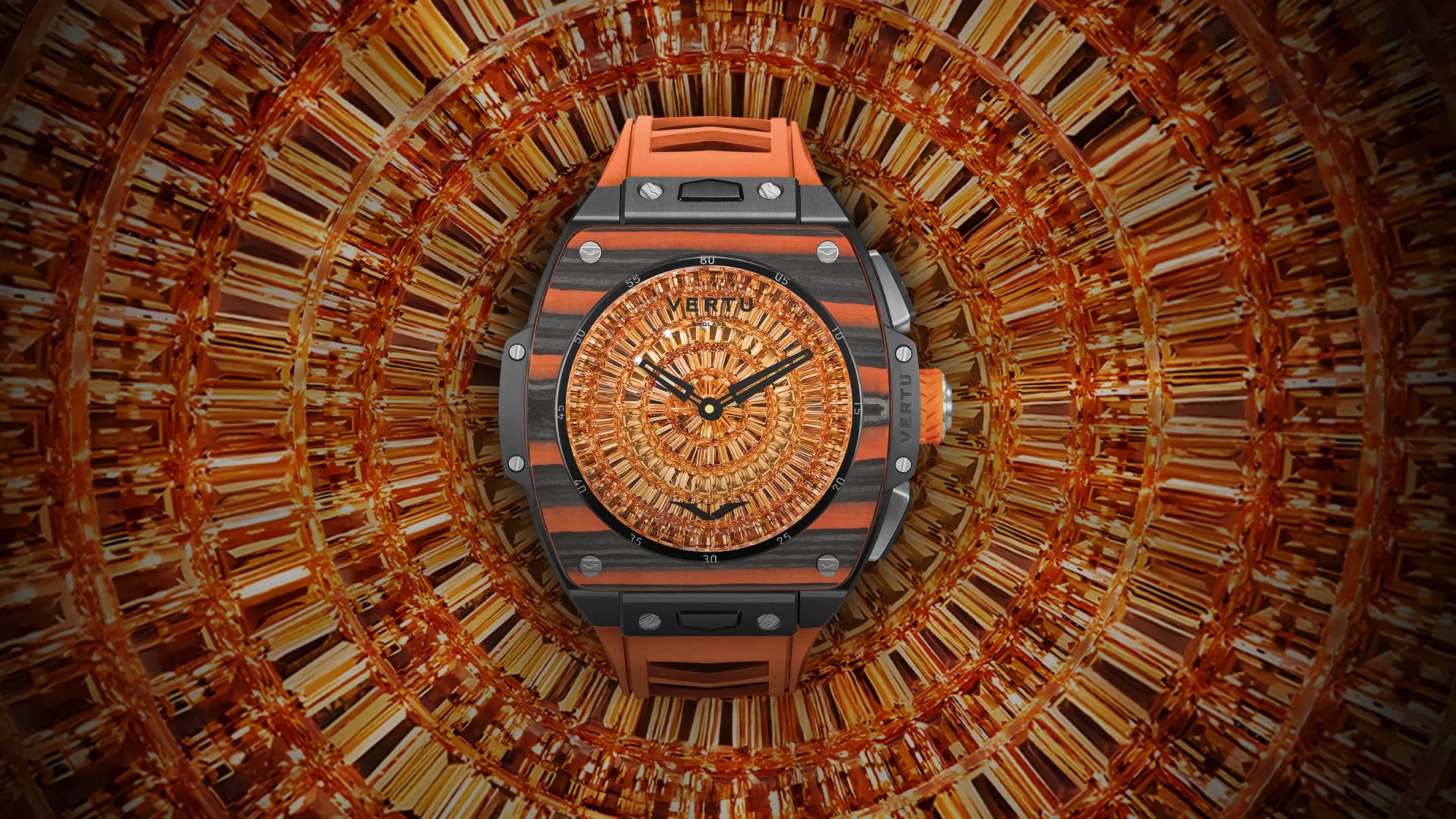
Can you shower with a smartwatch? Only when its manufacturer permits the relevant exposure for that exact watch and strap, including the conditions of your shower routine. A water-resistance label by itself does not answer questions about soap, shampoo, heat or the condition of the watch. If those instructions are unclear, remove it before showering and ask for model-specific guidance.
Key Takeaways
- Check shower guidance for the exact model, rather than borrowing swimming permission.
- Read warnings about soap, cosmetics, heat and the fitted strap together.
- When the permitted conditions are uncertain, leaving the watch outside the shower is a straightforward choice.
- After accidental contact, use the manufacturer's cleaning and drying instructions instead of a universal remedy.
Can you shower with a smartwatch that has a water-resistance rating?
Look for an explicit answer about showering in the product instructions. Read the surrounding conditions as well as the headline. If the page discusses shallow-water swimming but says nothing about the substances used in a shower, keep those questions open.
Describe the routine you actually intend: a quick rinse, a shower involving soap and shampoo, or time in a steam room afterwards. Ask about the complete sequence. An answer covering one activity should not silently become approval for all the others.
Find the guidance for the watch reference you own, not merely the current model in the same family. Keep the original instructions and any later support clarification together. Where the wording is ambiguous, a precise written question is more useful than comparing a collection of reassuring user anecdotes.
What do manufacturer warnings tell you?
Read permissions and exclusions on the same page. In Apple's water-resistance guidance, permitted water activities differ by Apple Watch model. The same guidance tells owners to avoid soap or soapy water and identifies steam rooms among exposures to avoid. Those warnings remain relevant even when an activity heading sounds permissive.
The lesson is how to read a manufacturer's instructions, not that Apple guidance determines the treatment of another watch. Do not copy one maker's water-use approval to your own product or assume that every generation of a watch family has identical limits.
Make two columns in your care notes: the activity that is expressly permitted, and the conditions excluded or left unspecified. If your ordinary shower includes an excluded condition, removing the watch avoids the need to reinterpret that exclusion.
Does the smartwatch strap tolerate showers?
Identify the strap fitted today. A replacement strap may have different care requirements from the one shown in the original product photographs. Ask about the actual material and fastening rather than deciding from its colour.
Samsung's Galaxy Watch water guidance says its leather and hybrid bands are not water resistant and should not be worn for showering or swimming. This is Samsung's component-specific advice; it illustrates why a watch-body rating cannot answer every strap question.
For your watch, confirm whether the strap, lining, stitching or clasp has separate instructions. Do not assume that a ceramic, metal or synthetic appearance establishes suitability. If you plan to change straps for an activity, follow the approved fitting procedure and check the fastening before wearing the watch again.
How should VERTU owners interpret IP68?
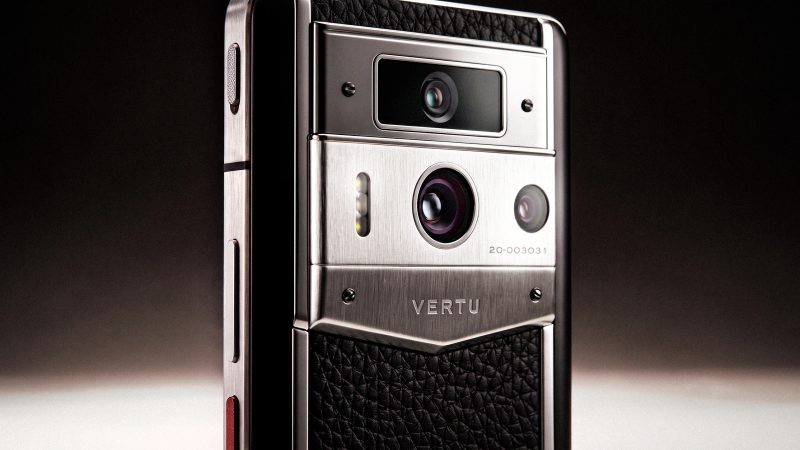
The current VERTU Agent Watch information lists IP68 and says to follow the product care instructions for permitted water use. That is the documented rating and its stated qualification. It is not a complete shower-use procedure.
The same product information identifies a fluoroelastomer strap. The material name does not settle every exposure question for the complete assembly. Ask VERTU to confirm the permitted shower conditions for your watch and fitted strap, including soaps, temperature and aftercare.
For a Grand Watch, use the instructions for its precise reference. Do not borrow the Agent Watch rating or its strap description. If you cannot locate an explicit shower-use answer for either product, remove it for the routine while you obtain that clarification.
This guide uses published care information and a cautious decision process. It does not report a shower test of either VERTU watch or establish that one exposure will or will not cause a fault.
Consider the watch's present condition
Include the history of the actual watch when asking for advice. Mention any impact, repair, loose component or suspected damage. A rating printed at purchase should not replace a question about a concern that exists now.
Samsung's guidance notes that external impact or damage can reduce water or dust resistance. Its warning is specific to the devices covered by that guidance, but it provides a useful reason to tell your own manufacturer about damage before asking for water-use advice.
Do not test a suspected problem by wearing the watch in the shower to see whether it still works. Ask whether assessment is needed. A successful previous shower is an observation about that occasion, not a substitute for instructions or a diagnosis of the current condition.
If you accidentally showered with it
End the unnecessary exposure and identify the correct care instructions before improvising a remedy. Record what contacted the watch: plain water, shampoo, soap or another product. Note any visible or functional concern separately, without assuming that every unusual behaviour has the same cause.
- Identify the model and fitted strap. Use the order reference or supplied documentation if needed.
- Read its accidental-contact guidance. Follow that maker's instructions for the substance involved.
- Use the specified drying method. Do not invent a minimum drying interval or assume a dry-looking exterior settles every requirement.
- Leave charging disconnected until the model's drying requirements are met. Ask support if those requirements are missing.
- Seek assessment for a continuing concern. Describe the exposure and the actions already taken.
Some manufacturers give a particular rinsing procedure after contact with substances. Apply it only where it is specified for your model. A procedure written for an Apple Watch is not blanket permission to rinse a different smartwatch under a tap.
Do not apply a hairdryer or seek a hotter environment to hurry the process. Samsung explicitly warns against drying its covered devices with heating appliances or using environments with abrupt or extreme temperature changes. For another watch, follow its own drying instructions rather than improvising a substitute.
Make removal part of the routine
If you decide to take the watch off, choose a stable place outside the wet area before entering the shower. Keep the watch and its charging equipment where you can handle them under the conditions required by the manufacturer. This is an organisational choice, not a claim about a particular bathroom humidity threshold.
Put the watch back on after completing the relevant care requirements. If notifications during that short interval matter, arrange a separate way to check them afterwards rather than making an unsupported assumption about shower compatibility.
A simple household routine is usually more useful than repeatedly debating the same uncertain exposure. Confirm the written answer once for the exact configuration, then keep it with the watch's care information.
Frequently Asked Questions
Does swimming permission automatically cover showering?
No. Check the shower conditions and the maker's exclusions separately, particularly those concerning products used while washing and the fitted strap.
Does a functioning watch after a shower prove future use is permitted?
No. Record the occasion if support needs it, but use the manufacturer's instructions to decide whether to repeat that exposure.
Conclusion
The answer to “can you shower with a smartwatch” belongs to the exact model's instructions and your complete routine. Check the activity, substances, heat, strap and current condition together. When permission remains uncertain, remove the watch, and use its own cleaning and drying guidance after accidental contact.