The common OWS earbuds meaning is Open Wearable Stereo: a label used for wireless, open-ear listening designs that sit outside the ear canal. It tells you the broad wearing approach, rather than everything about sound, calls or software. Check how the particular model attaches to the ear and read its actual specification before treating OWS as a complete description.
Key Takeaways
- OWS commonly expands to Open Wearable Stereo in open-ear earbud descriptions.
- The label does not establish one attachment shape or a guaranteed personal fit.
- Open-ear describes the wearing arrangement; it should not automatically be read as bone conduction.
- Battery, call processing, controls and connected features remain model-specific purchasing questions.
What is the meaning of OWS earbuds?
Read OWS as an invitation to inspect an open-ear design. Baseus's own explanation of OWS expands it as Open Wearable Stereo and describes wireless earbuds positioned around or just outside the ear, rather than deep in the ear canal. That is the common commercial usage being explained here.
Do not treat the three letters as a universal certification. Read the manufacturer's account of the exact product. An acronym on a marketplace listing should not settle whether the device is a hook, a clip or another wearing arrangement, nor should it replace a clear photograph and fitting instructions.
The word open also needs context. Ask where the speaker sits, which parts contact the ear and whether the design leaves the ear canal unsealed. Those physical questions give the label a useful meaning without asking it to prove sound quality or comfort.
How do OWS earbuds differ in fit and sound delivery?
Identify the mechanism rather than guessing from the silhouette. A component resting near the ear does not, on its own, establish how the device transmits sound. Use the product's technical description to distinguish an air-conduction speaker from a documented bone-conduction design.
Baseus distinguishes its explanation of OWS air-conduction earbuds from bone-conduction headphones: the former place a driver outside the ear canal, while the latter use a different transmission approach. This is why open-ear and bone conduction should not be used as interchangeable names for every device that avoids an in-ear tip.
When comparing products, keep two separate notes: how the device is worn and what sound technology the maker specifies. If the listing answers only the first question, leave the second unresolved. There is no need to infer a mechanism from a familiar hook or headband shape.
Which specifications clarify the meaning of OWS earbuds?
Organise a product description by the question each term answers. That stops a long string of abbreviations from creating an impression of information that has not actually been supplied.
| Part of the description | Question to answer | What remains to check |
|---|---|---|
| OWS or open-ear | How is listening arranged around the ear? | Actual attachment, contact points and fitting instructions. |
| Wireless connection | How does this model connect to the intended source? | Documented compatibility and available controls. |
| Call noise processing | Which part of the call is being processed? | The microphone function and its stated conditions. |
| Battery claim | What activity and charging arrangement does the figure describe? | Earbud-only time, case contribution and test conditions. |
| AI or connected feature | What function is offered and how is it accessed? | Required app, account, language, region and service conditions. |
This is a reading method, not a ranking system. A filled column helps you understand a product; it does not guarantee that the product will suit your ears, phone or listening routine.
Do not confuse call processing with what you hear
Ask whether a noise-related claim concerns the microphone signal sent to another person or the sound reaching you. The distinction matters before you decide what problem a feature might address. Do not interpret an unspecified phrase such as noise reduction as proof of a sealed, quiet listening environment.
In its explanation of environmental noise cancellation for calls, Baseus distinguishes processing intended for the person at the other end from reducing the noise heard by the wearer. Keep that limited description attached to the relevant microphone feature. It is not a measurement of every OWS product's call performance.
If calls are central to your purchase, ask for the exact microphone function and the conditions of any demonstration. A recording made in one setting should be identified as that setting. Do not infer performance in wind, a station or a busy office from the acronym alone.
How do VERTU's OWS names fit the explanation?
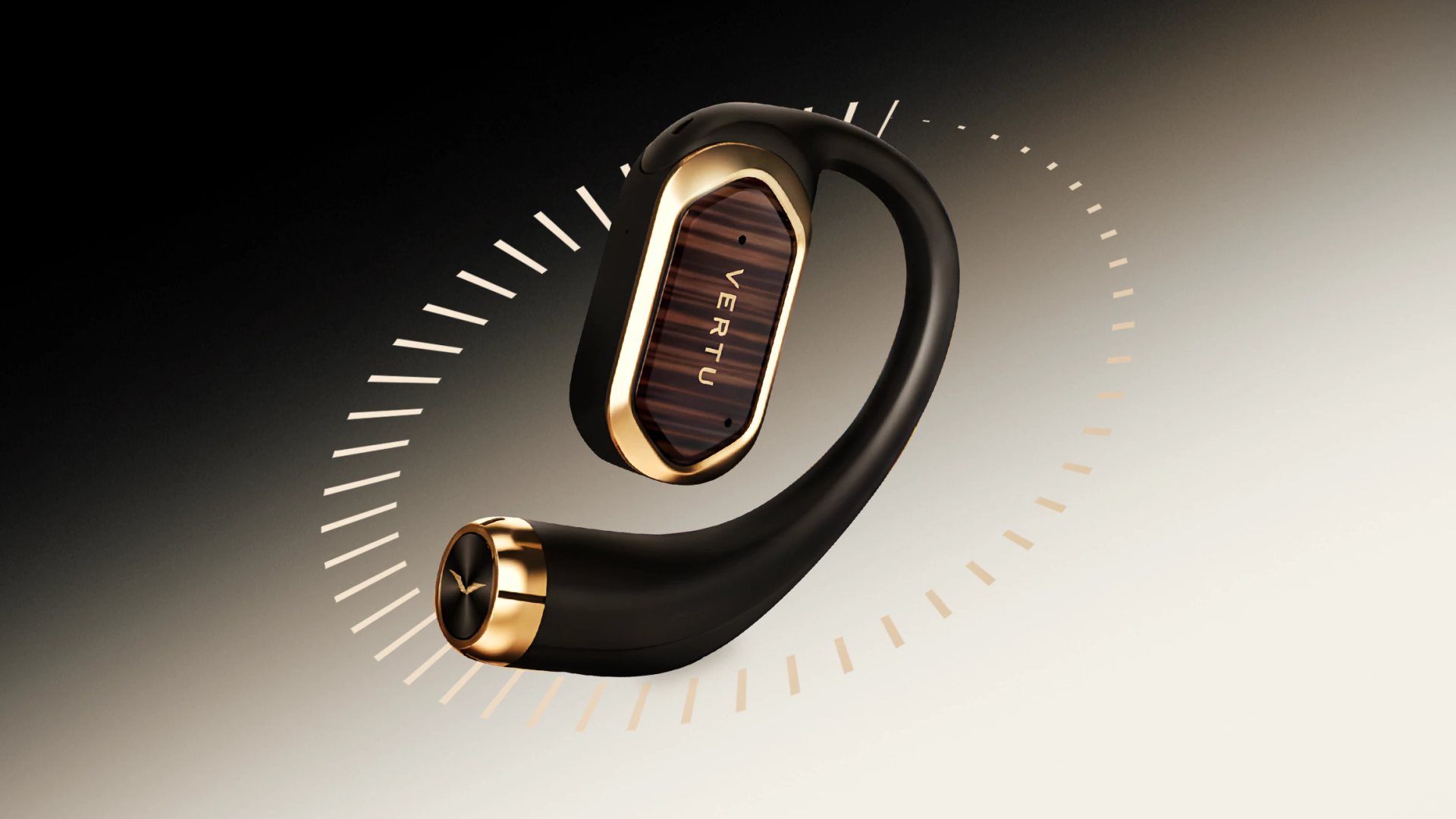
The current Phantom Series OWS AI Earbuds listing uses OWS in the model name and describes an open-ear listening experience. It also identifies a retro vinyl-inspired design and wood materials. Those documented details give the term an identifiable product context; they do not prove a particular listener's comfort or an independent sound-quality ranking.
The separate VERTU Crush Series OWS AI Earbuds listing also carries OWS in its name. Treat it as its own reference. The shared letters should not be used to transfer Phantom's materials, controls, battery figures or other specifications to Crush.
For either model, confirm the exact selected edition and request clarification of any function that matters to you. This guide explains the naming and how to read the product information; it does not report a hands-on comparison or establish that every listed software feature is available in every market.
Translate the description into a fitting question
Start with the part you can identify: the position of the speaker and the points that support the device. Ask for the maker's fitting instructions and try the selected reference where possible. If you wear glasses, include your usual frames in that check rather than assessing the earbuds in isolation.
Describe what you observe in personal terms. You may prefer a particular contact point, find a control awkward or decide that the wearing arrangement is unsuitable for you. These are useful individual findings. They should not become a claim that the same model is comfortable or uncomfortable for every wearer.
A product weight is a specification, not a complete comfort result. Keep it beside the fitting information rather than using it to predict a guaranteed wearing duration. If you cannot try the product, clarify the applicable returns arrangements before buying on a comfort promise.
Read sound claims as questions for the exact model
Decide what you need to hear: spoken words, music detail or a mixture. Ask how the model is intended to be positioned, then assess the content you actually use at a sensible listening level. This is a suggested personal check, not a laboratory comparison.
Do not use OWS as a ranking of bass, volume, clarity or sound leakage. Ask for evidence tied to the model and conditions when a claim would determine your choice. A description such as spatial audio also needs its own explanation rather than being assumed from the wearing format.
Likewise, an open-ear label is not a road-safety guarantee. Follow the rules and precautions appropriate to your setting and avoid treating any listening device as proof that you will notice every hazard. The physical arrangement and the decision about when to listen are separate matters.
What should you ask before ordering?
Request a short set of answers connected to the exact product page. Confirm the wearing arrangement, the intended phone connection, ordinary controls and what is supplied with the selected edition. Then ask about any extra function you plan to rely on.
Where the description mentions translation or another connected service, ask what app, account or connection it requires, which languages and regions are supported, and whether any separate terms apply. Keep an unanswered question open rather than interpreting AI in the name as an unrestricted entitlement.
For battery information, ask whether the figure describes listening, calls, standby or a total including the charging case. Compare the same activity and conditions. The letters OWS do not supply a missing test method or make two different battery claims directly comparable.
Can OWS earbuds promise a universal leakage level?
No single decibel figure represents all open-wearable stereo earbuds. Leakage changes with volume, content, fit, room noise and measurement distance. For a fair comparison, use the same track and volume on each model and ask another listener at a fixed distance what they can hear. Record the exact model and conditions; do not treat a directional-audio claim as a measured leakage result.
Conclusion
The useful OWS earbuds meaning is a starting description of open-ear listening, commonly expressed as Open Wearable Stereo. Identify the actual design and transmission method, then read calls, battery and connected features separately. Choose an exact product you can understand and assess, rather than asking three letters to settle the whole purchase.