A high-value phone can sit outside the assumptions built into ordinary gadget cover. The policy may cap a single item below the purchase price, replace with an equivalent mass-market device, exclude cosmetic or precious-material damage, require a specific security feature to remain enabled, or restrict unattended-property claims. Worldwide wording may still impose a trip-duration limit or require the policyholder to be resident in one country.
This is a reading framework, not a recommendation for a particular insurer. The Financial Ombudsman Service's mobile and gadget insurance material shows how exclusions and claim disputes become decisive. Apple's current UK theft-and-loss support illustrates another important condition: Find My must be enabled at the time of loss and through the claim. A bespoke or collectible handset needs its own agreed-value and repair questions.
> The short answer: Insure the phone only after the schedule, valuation basis, territorial limit, theft conditions, excess and repair outcome are clear in writing for the exact device.
The evidence boundary
Separate four events: accidental functional damage, cosmetic damage, theft and simple loss. Many policies treat them differently. Then separate the object's value: functional replacement, retail replacement, bespoke materials and collectible provenance. A policy can restore communication without restoring the original object. That may be acceptable, but it should be a conscious choice rather than a surprise after a claim.
At-a-glance decision matrix
| Check | Current signal | Decision use |
|---|---|---|
| Scheduled item and value | Exact make, model, edition and insured amount | Hard gate |
| Territory and trip length | Countries, maximum consecutive days and residence rules | Match the itinerary |
| Theft versus loss | Separate definitions and required security controls | Map both events |
| Unattended property | Hotel room, safe, vehicle and checked baggage wording | Follow the strictest condition |
| Cosmetic and material damage | Scratches, leather, gemstones and finish | Identify the uninsured layer |
| Excess and claims frequency | Per-event cost and annual incident limits | Model two incidents |
| Claims evidence pack | Invoice, serial, photos, location status and reports | Prepare before departure |
The matrix is deliberately asymmetric: a hard failure in identity, safety, compatibility or policy wording cannot be cancelled by several attractive features. Work from the controlling source to the practical test, and date every fact that can change.
Scheduled item and value
A generic 'mobile phone' line is weak evidence for a bespoke object. Confirm whether the insurer needs a receipt, appraisal, photographs or updated valuation. Ask whether settlement is market value, new replacement, agreed value or insurer-selected equivalent.
Decision: Hard gate. Evidence to retain: Exact make, model, edition and insured amount.
Territory and trip length
Worldwide cover can contain time limits, sanctioned-country exclusions and requirements about where the policyholder normally lives. Compare the longest planned trip, not the average one, and save the wording that applies on the purchase date.
Decision: Match the itinerary. Evidence to retain: Countries, maximum consecutive days and residence rules.
Theft versus loss
Theft may require a police report and evidence of circumstances; loss may be excluded or offered only in a higher tier. Device-location services can be a condition of cover. Test account recovery before travel so a stolen phone does not also remove access to the claim.
Decision: Map both events. Evidence to retain: Separate definitions and required security controls.
Unattended property
Policies frequently distinguish locked accommodation from public places and vehicles. Never assume a hotel safe automatically satisfies every policy. Ask how the insurer treats valet custody, airport security trays and checked luggage.
Decision: Follow the strictest condition. Evidence to retain: Hotel room, safe, vehicle and checked baggage wording.
Cosmetic and material damage
Standard accidental-damage cover often focuses on function. A phone can operate while losing substantial aesthetic or collectible value. Ask whether authorised restoration is covered and whether a third-party repair would affect warranty or provenance.
Decision: Identify the uninsured layer. Evidence to retain: Scratches, leather, gemstones and finish.
Excess and claims frequency
A low premium can sit beside a high excess or restricted claim count. Calculate the out-of-pocket amount for one screen event and one total loss in the same year. Include shipping, temporary replacement and data restoration where the policy is silent.
Decision: Model two incidents. Evidence to retain: Per-event cost and annual incident limits.
Claims evidence pack
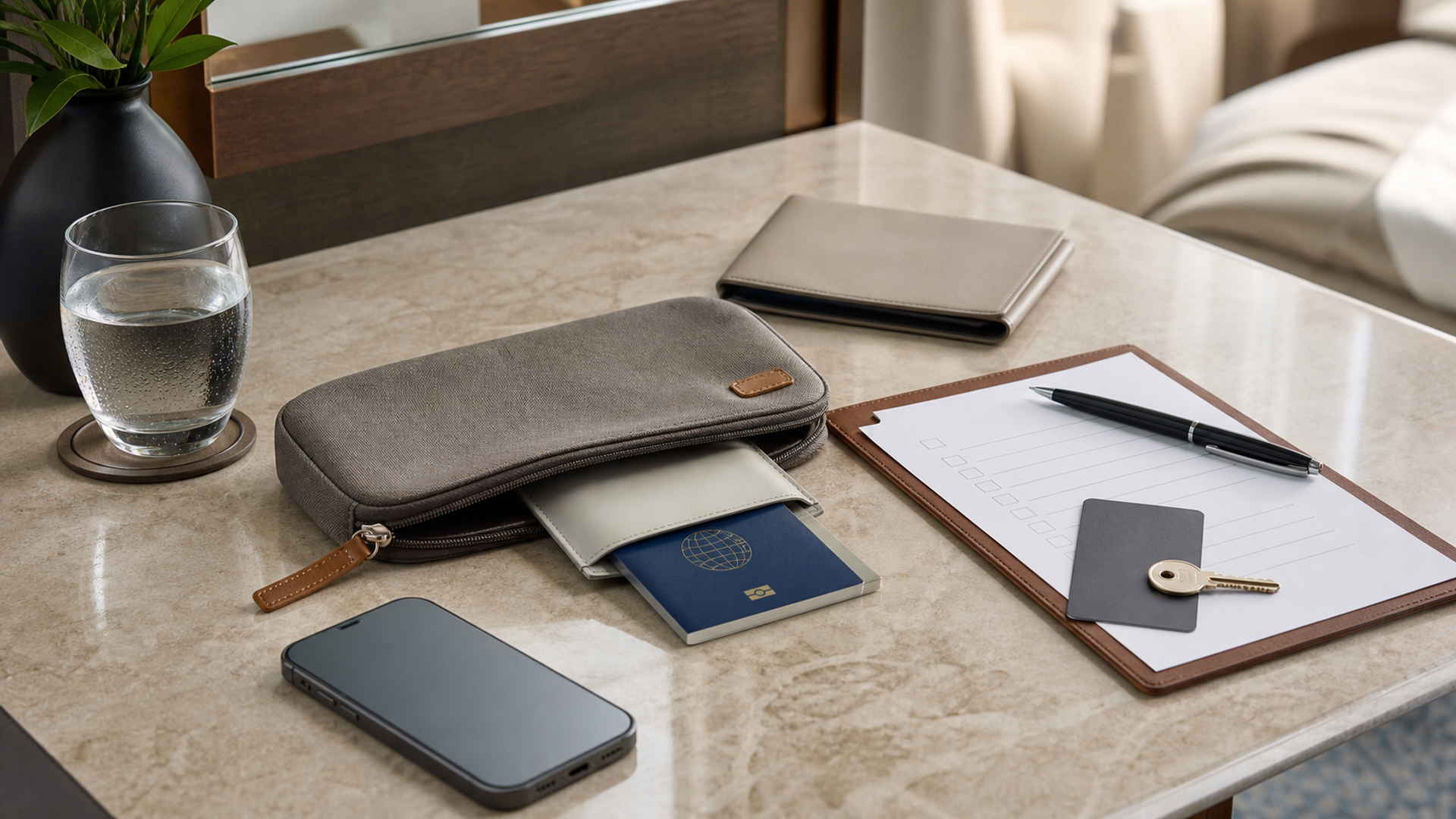
Keep evidence in an encrypted account that is accessible without the insured phone. Photograph condition and identifiers without publishing them. Record the insurer's emergency contact, policy number and deadline for reporting an incident.
Decision: Prepare before departure. Evidence to retain: Invoice, serial, photos, location status and reports.
Put the framework into a real decision
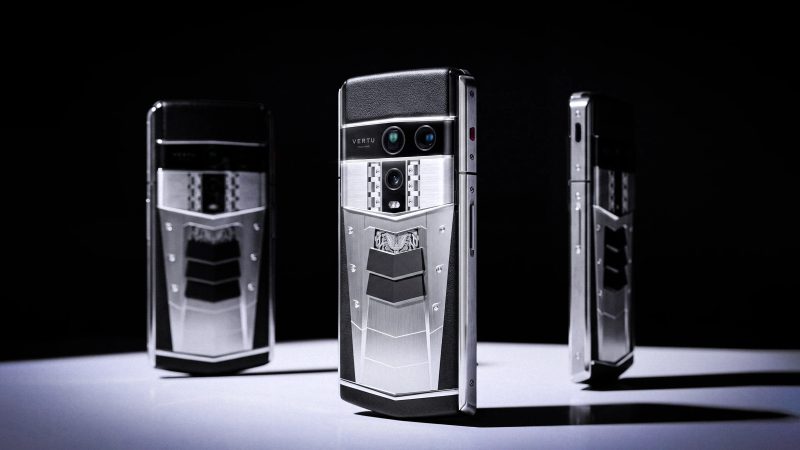
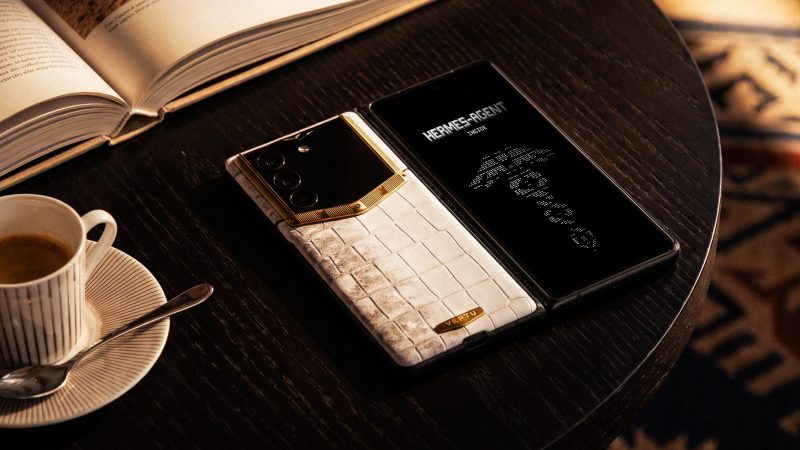
A traveller leaves a gem-set or hand-finished handset in a locked hotel safe and later discovers it missing. The insurer may ask for proof of ownership, serial data, a police report, hotel documentation and evidence of forced entry or reasonable care. If the policy's single-item limit is lower than the invoice, or replacement is defined as a standard equivalent phone, the communications problem may be solved while the material-value loss remains. Before travel, ask the insurer to confirm the scheduled item, valuation and claims route in writing.
Simulate the claim before the journey
Read the policy as if the loss happened tonight abroad. Write one paragraph stating where the phone was, how it disappeared or was damaged, when it was reported, what documents exist and how quickly replacement is needed. Test that scenario against the schedule and full wording, not only the product summary.
Begin with insured value. A limit below current replacement cost creates an obvious gap, but taxes, bespoke materials, accessories and temporary replacement can create smaller ones. Check whether settlement is new-for-old, market value, repair, refurbished replacement or cash at the insurer’s discretion. For a rare model, ask in writing what happens when an equivalent unit is unavailable.
Then examine behaviour conditions. Theft-and-loss cover may require a finding feature to remain enabled at the time of loss and during the claim. Policies can impose unattended-property, vehicle, hotel-safe, reasonable-care or police-report conditions. Record reporting windows and evidence accepted abroad. A secure pre-travel copy of the invoice and insurer contact route is stronger than memory after a stressful incident.
Finally simulate cash flow: excess, instalments still due, emergency communication and time before settlement. Confirm territorial limits, maximum trip length and whether business use changes cover. Keep serial details and proofs encrypted rather than in a shared itinerary. If wording remains ambiguous, obtain a written answer from the insurer or broker before departure. The aim is not to predict every claim decision, but to remove avoidable uncertainty while the phone is still safe.
Keep a dated decision record
A useful record for this specific decision contains the following fields: Scheduled item and value: Exact make, model, edition and insured amount; Territory and trip length: Countries, maximum consecutive days and residence rules; Theft versus loss: Separate definitions and required security controls; Unattended property: Hotel room, safe, vehicle and checked baggage wording; Cosmetic and material damage: Scratches, leather, gemstones and finish; Excess and claims frequency: Per-event cost and annual incident limits; Claims evidence pack: Invoice, serial, photos, location status and reports. Add the source URL, access date, market or account, person responsible for the check and the point at which the answer would change the decision. Do not overwrite an earlier observation when the facts move; append a new dated entry so the sequence remains visible.
Finish with one of four outcomes: proceed, wait, request evidence or decline. State the reason in one sentence and name the unresolved risk that remains. If another person must review the choice, they should be able to reconstruct it without relying on a screenshot detached from its source. This short record also makes later performance review more honest: the team can see whether the article's recommendation was based on facts available at publication or on information learned afterwards.
The useful outcome may be to wait, narrow the configuration, request written confirmation or decline the transaction. That is not indecision. It is the point of turning a volatile headline or complex ownership question into evidence that another person can review.
Action checklist
Schedule the exact edition and value.
Confirm settlement basis.
Check worldwide and trip-duration limits.
Compare theft and loss definitions.
Read unattended-property wording.
Ask about materials and authorised repair.
Model excess for two incidents.
Store an off-device claims pack.
Complete the checklist before transferring money, erasing a device, changing a tenant-wide setting or exposing an irreplaceable object. Where a source is market-specific, repeat the check for the country, account and configuration that actually applies.
Related VERTU reading
These internal links answer adjacent decisions; they do not replace the current primary source for this article.
Sources and verification
Sources were accessed on 21 July 2026. Product availability, prices, software settings, weather guidance, insurance wording and event details can change. Recheck the live source before acting. Health, legal, insurance and emergency references are general information, not individual professional advice.
Final view
Insurance should describe the object you own and the journeys you take. If the policy restores only an ordinary replacement phone, treat precious materials and provenance as a separate uninsured risk. Keep the controlling wording, item schedule and evidence off the device, then retest the policy whenever the phone is customised, revalued or taken on a longer trip. The best claim is the one whose requirements were understood before anything went missing.