By VERTU Editorial Team (enterprise mobility + executive travel workflows)
Most foldable-phone guides talk about novelty. Business leaders buy something else entirely: a portable command surface that can survive travel, protect sensitive work, and actually reduce friction between meetings.
This is a consideration-stage brief. The goal is simple: help you decide whether a foldable phone belongs in your daily workflow, and what to test before you commit.
How this brief was built (so you can trust it): We combined (1) what typically breaks foldable ROI for executives (downtime, repair logistics, and workflow friction), (2) widely applicable enterprise baselines (work/personal separation and wipe/recovery planning), and (3) a quick, repeatable hands-on test you can run in-store in 15 minutes.
Disclosure & verification: This article references VERTU pages. Product-specific details described in the VERTU section are presented as vendor-described and should be verified against official warranty/support terms and independent third-party testing where available.
Key TakeawayA foldable only “wins” when it replaces hand-offs (phone → laptop → tablet) in the moments you’re moving fast and can’t babysit a device.
Key takeaways
Treat durability and support as first-class criteria; foldables fail expensively.
Evaluate multitasking with your real apps, not the demo screens.
If you handle sensitive work, insist on clear separation and a credible security posture.
A good foldable is a productivity tool. A great one is a productivity tool with downtime insurance.
What you’re really buying with a foldable phone for work
A business-leader use case isn’t “bigger screen.” It’s fewer context switches.
A book-style foldable can do three things a slab phone struggles with:
Run two serious apps side by side (calendar + email, doc + chat, deck + notes)
Turn quick reviews into real work sessions (without opening a laptop in an airport lounge)
Make video calls and note-taking feel less cramped
None of that matters if the device creates new risks: hinge anxiety, repair delays, awkward app layouts, or a security story that’s more marketing than architecture.
Evaluation criteria for a foldable phone for business leaders
1) Durability isn’t a spec. It’s a cost model.
Foldables are improving, but the buying question is still: what happens when you’re six hours from home and the inner screen needs service?
Two practical angles:
Your tolerance for care. Even The Verge’s foldable guidance tends to emphasize that these devices still require more care than slab phones. That’s not moral judgment; it’s physics.
Your tolerance for repair logistics. Wirecutter’s foldable-phone testing approach puts durability and long-term reliability at the center of the decision, alongside battery life and software support. Use that as a baseline, then raise the bar for your own travel realities.
If you do nothing else, look for clear answers to: warranty coverage on hinge/display, service availability in the U.S., and turnaround time.
2) Multitasking that survives your real apps
Foldables sell “multi-window.” Leaders care about whether the layout stays stable when you move between the cover screen and the inner display.
If you’re scanning SERPs for foldable phone productivity, this is the point: the screen only matters if it prevents the 20-second app-switch spiral.
A quick checklist:
Can you run your top two apps in split screen without constant resizing?
Do your messaging and conferencing apps behave predictably on the inner display?
Can you drag content (text, links, images) between apps without friction?
Can you read and annotate without the interface feeling “blown up”?
Samsung’s business content leans on the idea that foldables can support hybrid workflows through multi-window productivity and desktop-style modes like DeX, which is useful as a reference point for what “work-first” software support looks like.
3) Battery and charging on travel days
YouGov’s 2024 U.S. foldable-phone survey findings put battery life (75%) and durability (67%) at the top of what interested buyers care about. That lines up with what business leaders feel: the inner screen is a power multiplier.
What to test:
30 minutes of heavy use (video call + notes + messaging) and see how fast the battery drops
Heat: if it gets hot fast, battery and performance will follow
Charging speed in the real world (a short charge window between meetings)
4) Privacy and separation: the minimum acceptable standard
“Privacy” has become a label. For business leaders, it needs to translate into boundaries you can explain.
A vendor-neutral baseline is work/personal separation. Google’s Android Enterprise work profile is designed to keep work apps and data separate from personal apps and data on a single device. That separation isn’t a luxury concept. It’s operational hygiene.
If you handle sensitive communication, ask your short-list devices two questions (this is the baseline for a secure foldable phone):
Can I keep work contexts separate (apps, accounts, notifications) without carrying two phones?
If this device is lost, what is my credible wipe and recovery plan?
5) Support, warranty, and the hidden “downtime tax”
Business leaders pay for one thing above all: momentum.
Foldables add moving parts. Moving parts raise the cost of failure. So treat support as part of the product:
Service availability where you actually live and travel
Replacement or loaner policies
Clear terms for hinge/display issues
Proven software support cadence (security updates)
Collector’s note: If a brand can’t explain its after-sales process crisply, assume the device will cost you time later.
A fast 15-minute test you can do before you buy
You don’t need benchmarks. You need a repeatable test.
Fold/unfold feel (2 minutes). Does the hinge feel confident, or delicate?
Split-screen realism (5 minutes). Open your two “non-negotiable” apps and use them, not just view them.
Cover screen sanity (2 minutes). Can you handle quick replies and triage without unfolding?
Call + notes (3 minutes). Start a call, take notes, and switch to another app. Watch for layout breaks.
Privacy controls (3 minutes). Look for clear separation modes and straightforward lock/biometric options.
If a device fails any one of these, it doesn’t matter how impressive the display looks.
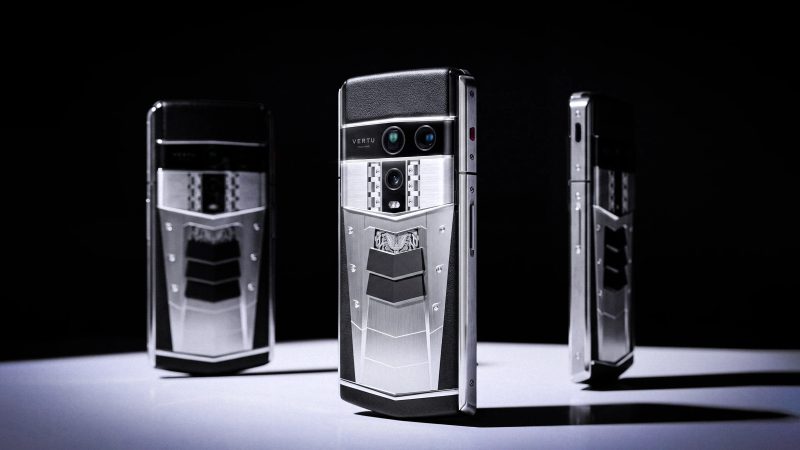
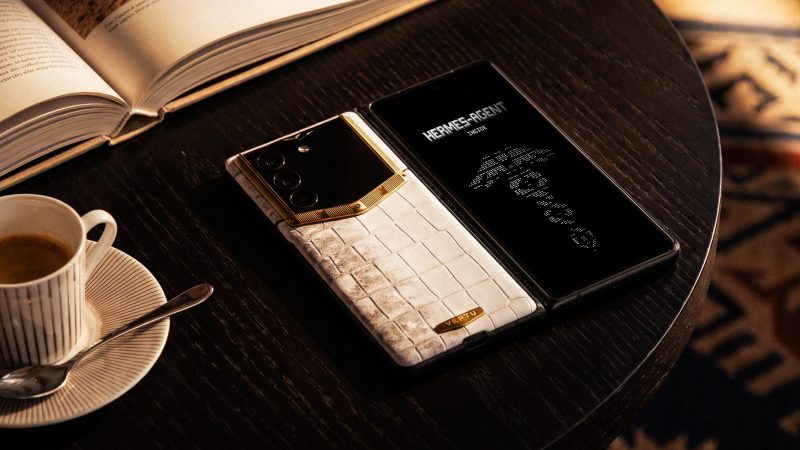
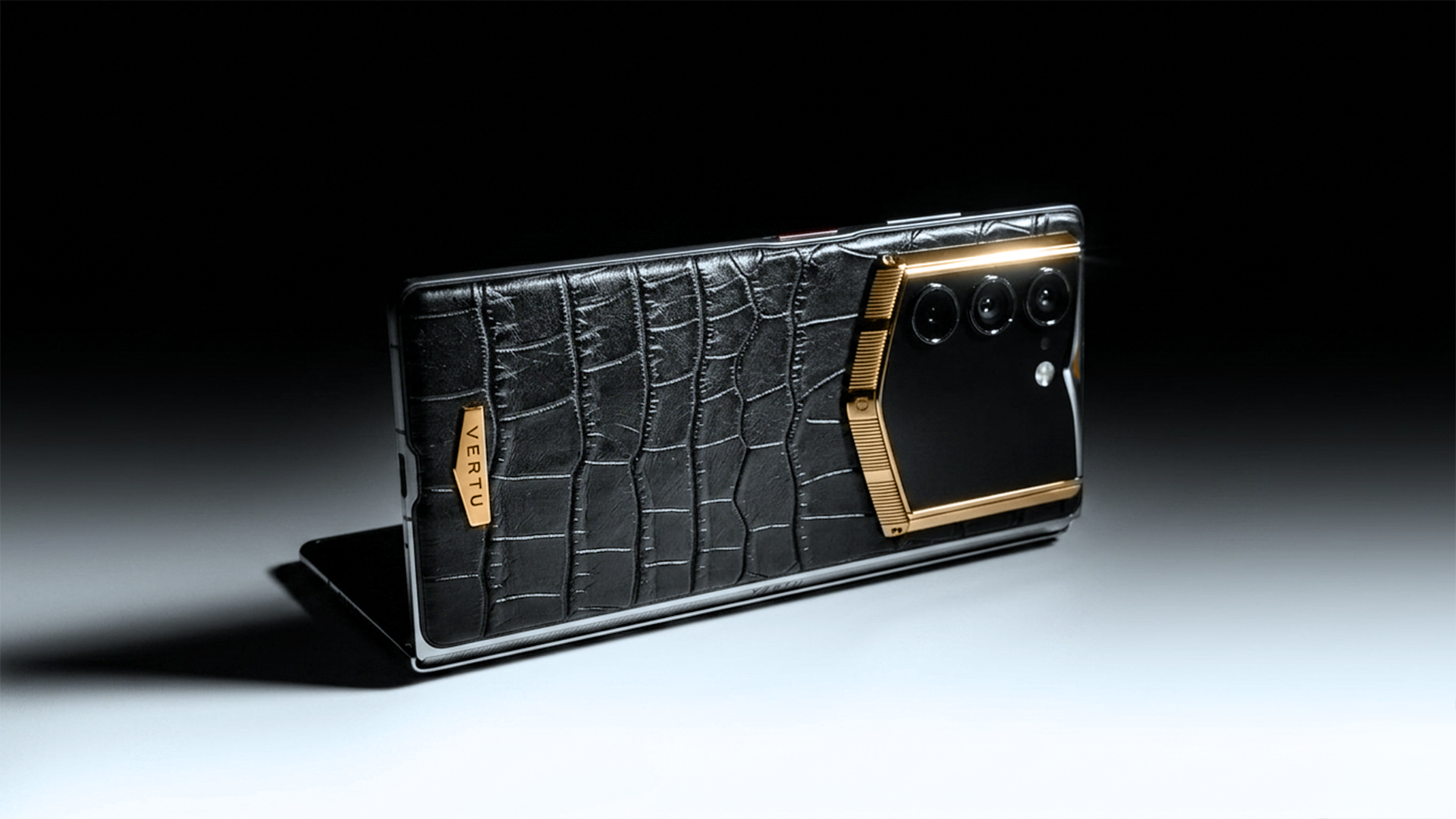
Where VERTU AlphaFold fits (and what to verify)
Most mainstream foldables compete on ecosystem and software maturity. VERTU’s pitch is different: privacy-forward positioning, service, and a distinct “work/life/privacy” framing.
Vendor-described capabilities (verify before you commit): Based on VERTU’s published AlphaFold materials, the device is described as having:
Answer 6.9-inch FHD+ OLED main display with 120Hz refresh rate
An aerospace-grade titanium alloy hinge (HV900 hardness) rated for 650,000+ folds
A “quantum security stack” that references the BB84 protocol and a quantum key system
Three distinct operating environments for work, life, and privacy
A three-finger biometric self-destruction function intended for emergency data erasure
What to verify in practice (15 minutes + one policy check)
Separation model: Can you run a true work/personal separation (apps, notifications, accounts) with clear switching rules?
Wipe & recovery: What’s the documented process if the device is lost (remote wipe, account recovery, and what data survives)?
Service reality: Where can you get service in the regions you travel, and is there a replacement/loaner path?
Security claims: What parts are marketing language versus documented, testable controls (settings, policies, or third-party assessments)?
If you’re evaluating it as a business-leader device, the right questions aren’t “Is it fast?” They’re:
What does the separation model feel like in day-to-day use?
What does support look like when you’re traveling?
Which privacy/security features are default, and which require setup or policy?
If you want to see the current configurations, start with VERTU AlphaFold.
FAQ
Is a foldable phone actually better for business travel?
It can be, when it replaces small “laptop moments”: reviewing a deck, editing a document, running a call while referencing notes, or triaging email with context. For that scenario, you’re effectively shopping for the best foldable phone for business travel, not the most impressive spec sheet. If your travel days are mostly calls and messaging, a strong slab phone may be enough.
What’s the biggest risk of switching to a foldable phone for work?
Durability and downtime. The flexible display and hinge are still the most failure-sensitive parts. Treat warranty, repair logistics, and software support as part of the purchase decision.
Should business leaders prioritize security features or work/personal separation?
Prioritize separation first. It’s the simplest, most operationally meaningful boundary. Security features are valuable, but only after you can clearly explain what is separated, what is managed, and what happens when the device is lost.
Do foldables replace a tablet for executives?
Often, yes for lightweight scenarios: reading, brief edits, note-taking, and side-by-side app use. For deep writing, heavy spreadsheets, or long-form creation, you’ll still want a laptop.
Next steps
If you want a neutral foldable checklist to compare models, use this criteria-based guide: Best foldable phones: what to look for before you buy.
If privacy is the deciding factor, you may also want a tighter review of what “secure on mobile” really means for high-profile travel: Mobile security for high-profile users.
Disclosure: This article references VERTU pages. Editorial judgment remains the priority.