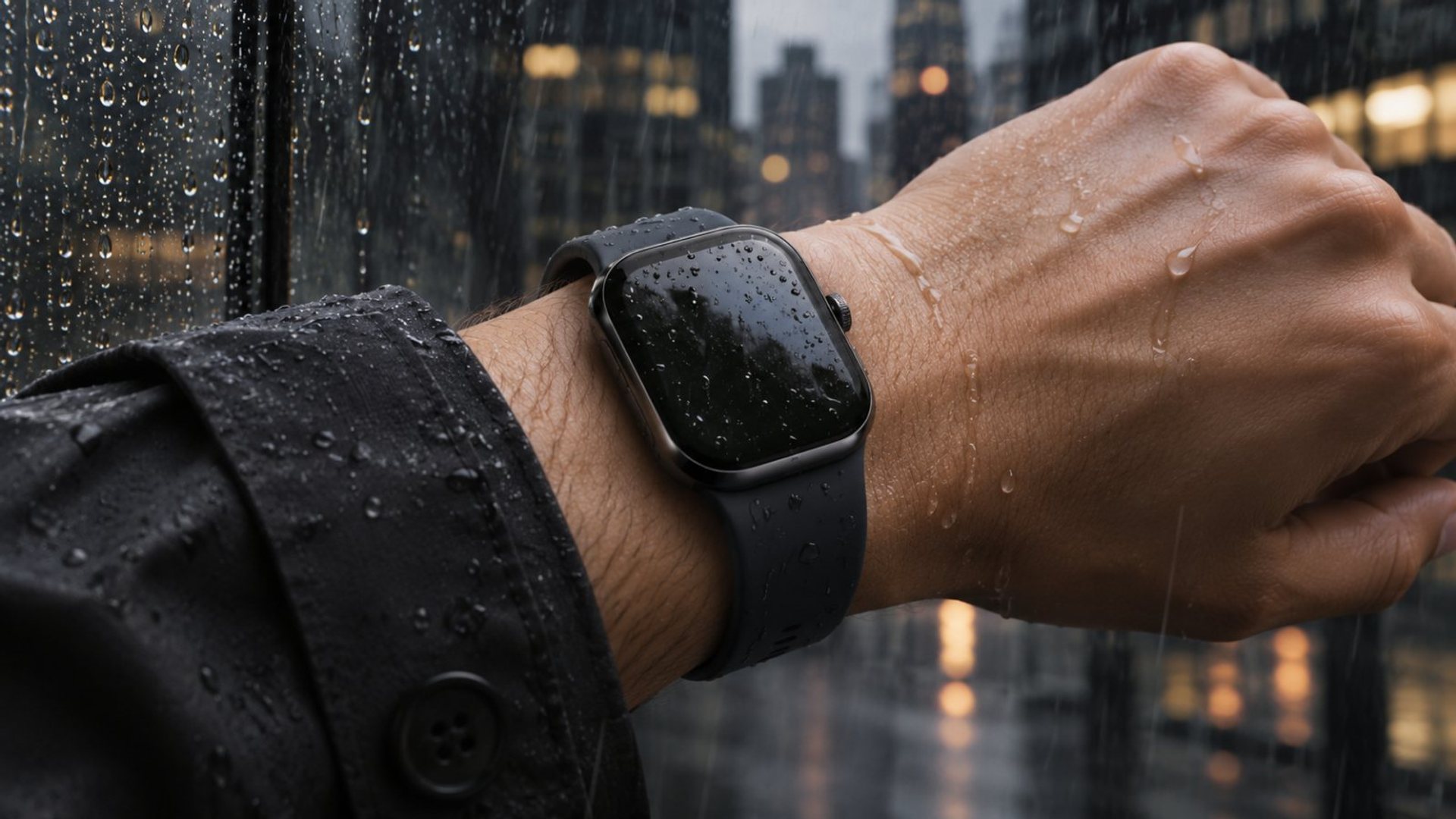
Can you wear a smartwatch in the rain? Often yes, if the exact watch is rated by its maker for that exposure and remains in sound condition. Rain is not the same as high-pressure spray, swimming or immersion, and a water-resistant case does not make every strap suitable for water. Check the model's current care guidance before going out; after a wet journey, dry the watch as instructed and do not charge it while the contacts are wet.
What does the water-resistance rating actually say?
Find the precise model and generation, then read the maker's permitted-use list. An IP rating, an ATM value and a depth in metres describe different test conventions and should not be turned into a universal instruction about real-world activity. A “50 m” mark does not mean every watch is intended for a 50-metre dive. The manufacturer's interpretation for that model is the important part of a purchase or care decision.
Apple's water-resistance guidance says Apple Watch is water resistant, not waterproof, and gives walking in rain as an example of permitted exposure. It also differentiates generations and activities. Samsung's smartwatch water guidance treats rain as acceptable for many of its models while warning against high-pressure water and urging thorough drying. These brand examples show how to read a maker's instructions; neither establishes the rating of an unrelated watch.
A case rating may depend on seals, buttons, speaker openings and factory assembly. It is not a permanent property that can be assumed after an impact or repair. Apple notes that water resistance can diminish over time; Samsung similarly warns that drops can lessen it. If the watch has been cracked, opened, heavily dropped or repaired, ask its service team whether any water-resistance test or resealing is available before relying on the original claim.
Why does a light shower differ from a wet activity?
Rain generally contacts a watch as falling drops. A tap, hose, shower jet or water sport can impose different forces. Soap, shampoo, fragrance and cleaning chemicals introduce another problem: a case tested for water is not automatically resistant to every substance that may affect seals or finishes. Do not move from “wearable in rain” to “safe in a hot shower” without explicit maker guidance.
Temperature changes also matter. Moving from cold rain into a hot room or placing a wet watch near a heater can stress materials. Follow the maker's recommended drying method rather than trying to accelerate it with heat, compressed air or a sharp tool in an opening. If the display becomes fogged beneath the lens, functions become unreliable or the case shows visible damage, stop using and charging the device and contact authorised support.
The setting can change the risk as well. A short walk in drizzle with a sleeve over the watch differs from a day of heavy rain, a cycle ride where water is driven across the case, or a boat deck with salt spray. Model-specific instructions should govern those choices. If the stated rating is unclear, carry the watch under a dry sleeve or remove it until the exposure ends rather than guessing from the product's appearance.
Check the strap separately from the watch case
The strap is a separate material system. Leather can absorb water and change shape or finish. Metal bracelets may retain water between links; textile and polymer bands have their own drying instructions. Some decorative straps have adhesives, stones or coatings that should not be treated like a plain sports band. Apple's guidance specifically notes that several of its leather and metal bands are not water resistant even when the watch case carries a rating.
Before a wet outing, check the strap maker's care page, the security of the clasp and the condition of the attachment points. A loose strap is a loss risk independent of water ingress. After the rain, dry contact areas against the wrist so moisture is not trapped under the band. Remove the watch for a short period if the skin feels irritated, and follow any device-specific cleaning directions. Never immerse an entire assembled watch simply because one strap material can be rinsed.
If you switch straps for travel, confirm that the replacement fits the exact attachment and that it does not obstruct a sensor or charging point. A visually similar connector is not proof of compatibility. Keep the original dry if it is a decorative or leather piece that you want to preserve. The best rain-ready arrangement may be a different strap for that outing rather than a different watch.
What should you do after the watch gets wet?
First, follow the manufacturer's instructions for the exact model. Many makers recommend gently drying with a clean soft cloth. Check the case edge, back, crown area, strap joints and charging contacts. Do not insert a tissue or pin into a speaker opening. If the watch has a water-ejection setting, use it only as the maker directs; the setting is not a seal repair or a licence to exceed the rating.
Wait until the watch and charging surfaces are dry before placing it on its charger. If the device shows a moisture warning, obey it rather than overriding it. If the watch was exposed to seawater, chlorinated water or soap, its maker may require a particular rinse or service action; do not borrow another brand's instruction. When in doubt, ask support before adding more liquid to a watch whose rating is unknown.
Look for changes over the next day: a fogged lens, unreliable buttons, unexpected shutdowns or charging trouble deserve attention. A dry exterior does not prove that the inside is dry. If a watch has been opened for repair, request a documented post-service assessment before assuming its original water performance remains. Our crystal-cased watch repair guide explains why the affected component and seals need precise identification.
How should a VERTU watch owner decide?
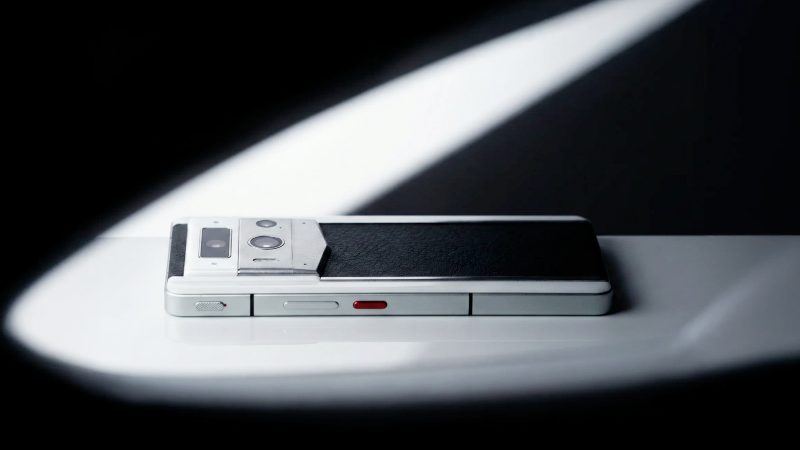
The VERTU knowledge base describes the Agent Watch's crystal case and strap, but it does not state a verified water-resistance rating in the material available for this article. The official Agent Watch listing should be checked for the exact variant's current dust and water information, alongside its user manual and care instructions. Do not assume that Agent Watch, Grand Watch and Fusion Watch share one rating because they are all VERTU watches.
Ask VERTU which exposure is permitted for the precise reference, whether the strap is suitable for rain and what to do after water contact. If the watch was dropped or serviced, disclose that history. A watch with a decorative case edge or bezel deserves a careful inspection after impact; our bezel service guide
Frequently asked questions
Is a water-resistant smartwatch waterproof?
No. A water-resistance rating has defined test conditions and a maker-specific permitted-use scope. It does not mean unlimited exposure.
Does a 50 m rating mean I can dive to 50 metres?
No. Read the maker's activity guidance. A depth marking alone is not permission for diving or high-pressure water.
Can I charge a smartwatch after walking in rain?
Only after the device and charging contacts are dry and the maker's instructions permit charging. If there is a moisture warning or visible damage, stop and seek support.
Can rain damage a leather watch strap?
It can affect some leather finishes and construction. Follow the strap maker's care advice and dry it gently; do not assume the case rating covers the strap.
Conclusion
Ordinary rain is acceptable for many rated smartwatches, but the exact model, strap and condition decide the answer. Check the maker's allowed activities, keep pressure and chemicals separate from rain, and dry the watch carefully before charging. If the rating is unverified or the case has been damaged, seek a specific service answer instead of relying on a generic “waterproof” label.