

Introduction
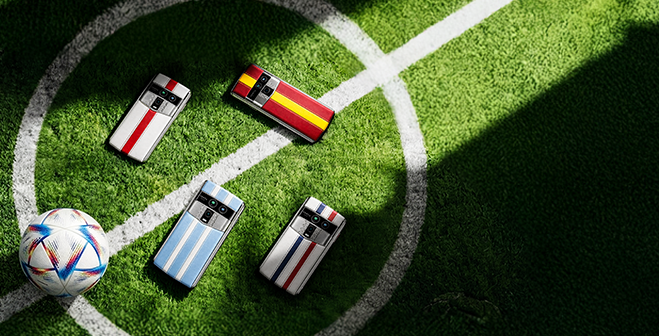
An exotic-leather smartphone is one of the few everyday objects that can carry genuine material presence—grain, stitch tension, edge paint, the first hint of patina—without asking to be noticed. For football enthusiasts who travel, tailgate, and spend long hours in stadium environments, the appeal is simple: you want something that feels as considered as the rest of your kit, yet behaves reliably on game day.
If you’re shopping for exotic leather smartphones, treat this less like buying a fashion accessory and more like choosing a luxury leather phone you’ll actually use—outside, under lights, in crowds, and in unpredictable weather.
This guide is for readers who care about both craft and practicality: the person who buys season tickets, flies for rivalry weekends, or hosts a Super Bowl room where details matter. It’s also for gift buyers who know the season’s natural peaks—kick-off, playoffs, bowls, and the Super Bowl—are when decisions get made quickly.
You’ll find this guide organized the way a careful buyer actually thinks:
- Materials and usabilitywhat survives sweat, rain, and heat.
- Customization and licensinghow to do team-inspired design without legal headaches.
- Pricing and ownership valuewhere the cost truly sits, beyond the leather.
Materials and game-day usability
When you’re buying exotic leather smartphones for game day, the leather is only half the decision. Heat, moisture, and carry habits decide what stays beautiful.
Exotic leather types and trade-offs
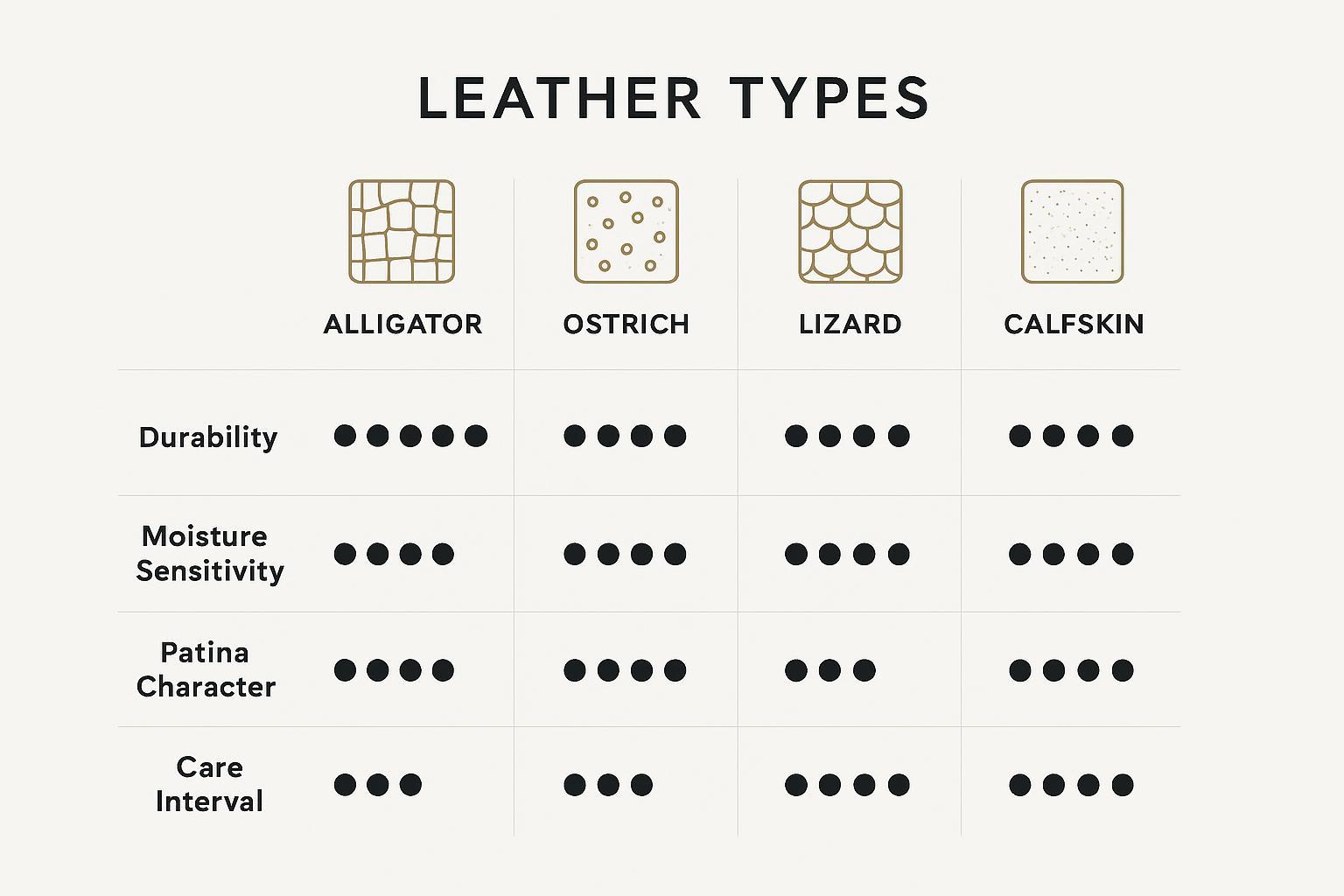
Exotic leathers don’t behave like a generic “leather case.” They have different scale structures, finishes, and sensitivities—and those differences matter when the phone lives in a pocket, a jacket, a stadium seat cupholder, and occasionally a damp tailgate table.
A useful mental model: you’re choosing between visual character, forgiveness under stress, and care burden.
Alligator (or crocodilian leathers) tend to deliver the most recognizable, architectural patterning. They read formal and collectible—but you generally want to keep them away from careless saturation and aggressive friction.
Ostrich is often chosen when you want texture with a little more day-to-day forgiveness. It can wear beautifully, but it still dislikes heat and direct sun over long periods.
Lizard can look exquisitely fine-grained and “dressy,” but it’s commonly treated as a higher-maintenance choice: drier environments and rough handling can show faster.
Calfskin isn’t exotic, but it’s the control group: usually easier to maintain, easier to service, and less sensitive to the small indignities of stadium life.
If you want a quick visual explainer of how exotic skins differ and how they’re typically maintained, this video is a practical starting point:
Moisture, sweat, and UV handling
Game day is hostile to leather in three predictable ways: moisture, salt and oils (sweat), and UV exposure.
Start with a conservative routine that prioritizes prevention. Think of it as exotic leather phone care that takes minutes, not an ongoing project:
Wipe down after the game with a clean microfiber cloth—especially the edges and the areas your hand grips most.
If it gets wet, blot and air-dry at room temperature. Avoid heaters, dashboards, hair dryers.
Avoid alcohol-based wipes and household cleaners. They’re convenient, but they can strip finishes and dry the surface.
Treat sunlight like a slow leak. A few minutes is fine; repeated long exposure (hot car, sunny terrace) is what fades and dries.
For a simple, phone-specific routine you can hand to a PA or a household staff member, VERTU summarizes an approach that works in the real world: light wipe-downs every few days, deeper cleaning about once a month, and conditioning every few months—while avoiding harsh chemicals and direct heat (see VERTU’s leather phone case care guidance).
Wireless charging and heat management
Wireless charging is a quiet stress test for leather-wrapped phones and leather cases. The convenience is real, but the physics is not sentimental: wireless charging generates heat, and thick or insulating materials can slow heat dissipation.
Practical habits that keep the device (and leather) healthier:
Charge on a hard, flat surface with reasonable airflow.
Align the coils carefully; misalignment creates inefficiency and heat.
Use a certified charger and a reputable power adapter.
If the phone feels unusually warm, remove the case and let it cool.
These recommendations line up with the engineering reality summarized in Best Practices for Wireless Charging with a Phone Case (ITC, 2026): thick cases can trap heat, and good alignment plus sensible surfaces reduce temperature stress.
Customization without legal fumbles
Team-inspired palettes and textures
Done well, bespoke phone customization is quiet: it looks intentional, not official. You’re referencing atmosphere, not trademarks.
A “team-inspired” phone can be done with taste—and without turning your device into counterfeit merch.
Think in materials first, not logos first:
Use color-blocking that nods to a team palette without copying exact graphics.
Choose stitching color as the accent (subtle, reversible in feel).
Use texture as identity: matte vs gloss finishes, scale size, pebble grain, edge paint.
If you want something that feels personal rather than branded, consider an approach that references:
the city (architecture tones, concrete/steel neutrals)
the stadium (seat color, field lighting, night-game blacks)
a “home vs away” dual palette
Licensing boundaries and what needs permission
If you want to use anything that looks official, assume you need permission.
In practical terms, the highest-risk elements are:
team logos and wordmarks
team names or nicknames used as branding
league marks
design cues that create likely confusion about affiliation or endorsement
A safe rule is not about what you intend, but what a reasonable buyer might infer. Guidance like UpCounsel’s overview of NFL trademarks and licensing (2025) makes the core point clearly: teams and leagues actively protect their marks, and commercial use can create legal exposure.
Concierge-aided personalization workflow
The simplest way to avoid over-customizing into regret is to treat personalization as a workflow, not a last-minute aesthetic decision.
A clean process looks like this:
- Define your constraintsgame-day use (rain/sweat), charging habits (wireless vs wired), and carry style (pocket vs bag).
- Choose a material familypick the leather based on your real environment, not just the most dramatic pattern.
- Select a palettetwo core colors, one accent (often stitching or edge paint).
- Add personal marks, not team marksinitials, a date, coordinates, or a short phrase you’d keep private.
- Request a compliance reviewconfirm there are no team logos/wordmarks, and no implication of endorsement.
- Ask about serviceabilityhow the leather is finished, what can be refreshed, and what requires replacement.
- Set a care plan at the time of purchasecloth, conditioner schedule, and storage.
In the real world, some luxury owners use a concierge as the “adult in the room” for this process—someone who pressure-tests choices against travel plans, event calendars, and personal taste. For example, VERTU frames its Ruby Key concierge as a human service layer that can support bespoke decisions as part of ownership (see the Official Personalization Store and VERTU 24/7 concierge service). The value isn’t promotion; it’s governance: fewer impulsive decisions, fewer avoidable mistakes.
Pricing, value, and ownership experience
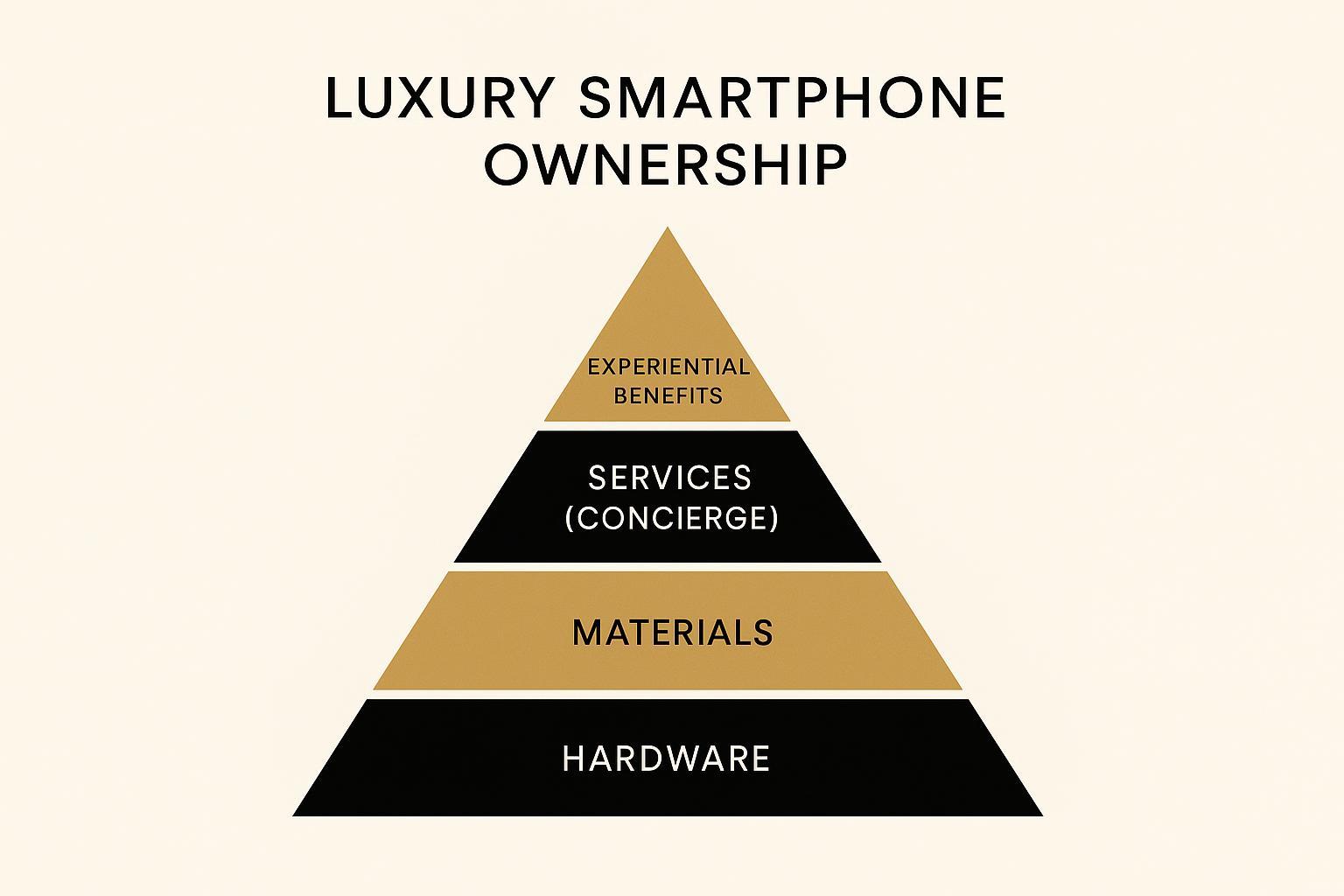
If you’re comparing exotic leather smartphones across makers, ask for two things early: a clear breakdown of what’s custom vs. standard, and a clear policy on service and repairs. That’s where long-term satisfaction tends to be decided.
What leather and precious accents really cost
In luxury phones, you’re rarely paying “for leather” as a single line item. You’re paying for a system:
material rarity and yield
handwork (cutting, matching, stitching)
finishing and edge work
rejects and rework (especially with pattern-matched exotics)
aftercare and serviceability
If you’re budgeting, think in ranges and trade-offs rather than a single number. Exotic skins with striking pattern regularity can push cost upward quickly—not because they’re “better,” but because they’re harder to select, match, and finish cleanly.
Concierge, security, and services that add value
A luxury smartphone’s value isn’t only tactile. It’s also how it reduces friction when life is busy and the stakes are high.
Services can add value when they change outcomes:
Concierge access that can actually execute (reservations, routing, last-minute changes).
Security and privacy features that reduce exposure during travel.
- Service continuityrepairability, parts availability, and clear support channels.
The key question is not whether services exist, but whether they fit your use pattern. If your season includes travel, premium seating, and tight scheduling, a service layer can become part of the reason you keep the device long-term.
Ethical and sustainable alternatives to exotics
If you like the look but dislike the sourcing uncertainty, don’t treat ethics as an afterthought. Treat it as a buying criterion.
Two practical approaches:
Verification-first exotic buying: ask for traceability and documentation where applicable. CITES exists to regulate international trade in certain species, and reputable sellers should be able to explain compliance (see CITES certification for exotic leather products (Bangkok Bootery, 2025)).
High-integrity alternatives: premium calfskin with transparent sourcing, or non-exotic materials with strong durability and repairability. In real use, the most sustainable choice is often the one you’ll keep—and maintain—for years.
⚠️ Warning: If a seller won’t identify the leather species or can’t explain provenance, treat it as a red flag. In luxury, opacity is rarely a coincidence.
Conclusion
Choosing exotic leather smartphones for football season is less about flex and more about fit.
Pick materials with your real game-day conditions in mind: sweat, rain, UV, and pocket carry.
Protect the leather from preventable stress: gentle wipe-downs, sensible drying, and caution with wireless charging heat.
Customize with restraint: build a team-inspired mood through palette and texture, and avoid protected marks unless you’re properly licensed.
Budget for ownership, not just purchase: serviceability, support, and care routines are part of the cost of living with rare materials.
Next steps are straightforward:
Shortlist two materials you’re genuinely willing to maintain.
Consult a concierge or specialist maker to pressure-test the design and confirm compliance.
Set a care routine now—so the phone looks better in Week 18 than it did in Week 1.
Disclosure: This article references VERTU pages. Editorial judgment remains the priority.
![Top 10 Tourbillon Watches for Men [2026 Latest]](https://cdn.sanity.io/images/e0gp1l2g/production/8cb6bc45133cf9453382fc7d074465af588bb610-1800x1080.webp?w=180&h=180&q=78&auto=format&fit=crop)
![Top 10 Tourbillon Watches for Men [2026 Latest]](https://cdn.sanity.io/images/e0gp1l2g/production/8cb6bc45133cf9453382fc7d074465af588bb610-1800x1080.webp?w=800&h=450&q=82&auto=format&fit=crop)
![Top 10 Anniversary Gift Watches for Men [Full Guide]](https://cdn.sanity.io/images/e0gp1l2g/production/00dfa030a876edbe6ea7b146f6b1d8197c7656b0-3840x1860.webp?w=800&h=450&q=82&auto=format&fit=crop)