A custom engraved smartphone is not a novelty. Done well, it’s a private signature—something you notice every time you pick up the device, and nobody else needs to.
Personalization also changes buying behavior. Epsilon reported in its 2018 research on personalized experiences and purchase intent that 80% of respondents were more likely to do business with a company that offers personalized experiences.
This guide is for decision-ready buyers: how to evaluate engraving quality, reduce risk, and commission something you’ll still respect years from now—without turning the process into a project.
Key takeaways
The outcome is determined by material + technique + proofing, not the design idea alone.
Ask for digital mock-ups and give explicit written approval before any engraving begins.
Keep engraving away from functional zones (camera cutouts, edges, wear points).
In the luxury tier, after-sales support and authenticity checks matter as much as aesthetics.
Collector’s note: The best engraving is rarely the loudest. A discreet mark, placed with intent, tends to age better than a full-coverage statement.
What “custom engraved smartphone” should mean (and what it shouldn’t)
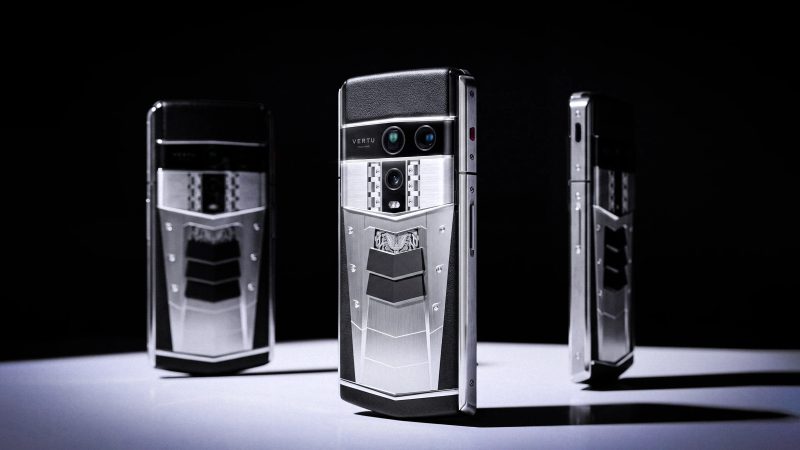
In the mass market, “engraved” often means a name printed on a case. In the luxury context, engraving is part of a broader brief: motif, material, finish, placement, and the service surrounding it.
If you want a brand-specific reference point, VERTU lays out motif/material/placement considerations—and a proof-led process—in its guide on how to select a custom engraved smartphone. For the broader logic of bespoke ownership, VERTU Bespoke service offers useful context.
Custom engraved smartphone: the 7-point buyer checklist
1) The substrate: what exactly is being engraved?
Your first question is not “What can you engrave?” It’s “What are you engraving into?”
Polished metals read engraving differently than brushed finishes.
Textured surfaces (leather, patterned backs) can make fine detail disappear.
If you’re engraving a case, confirm the case material and how it wears.
2) The technique: hand engraving vs. laser engraving
Different techniques produce different character.
Hand engraving can introduce depth and individuality.
Laser engraving can deliver consistency and precision on compatible materials.
Your decision should follow the design: a monogram mark often benefits from restraint; for a monogram smartphone commission, that restraint tends to read more timeless. A complex crest may need artisan depth.
3) Placement: bold backplate vs. discreet side mark
Placement is taste.
The most dependable rule is also the simplest: avoid friction zones—corners, edges, and areas your hand constantly abrades.
4) Proofing: do you get a mock-up you can approve?
A serious bespoke process provides a preview you can approve.
If you want a non-negotiable line item, make it this:
“No engraving begins until I approve the final proof.”
5) Design clarity: what you should provide (even if you’re not DIY)
Even when the craft is handled for you, clean source files reduce friction.
A practical benchmark comes from Smartish’s custom-case design guidelines (1800×900 px and safe zones)—high-resolution assets, clear margins, and keeping important elements away from cutouts and edges.
Use it as a buyer brief:
Keep text large enough to read at arm’s length.
Choose a motif that survives being scaled down.
Leave margin near camera cutouts and corners.
How to verify: Ask for a proof that shows the engraving on the actual device silhouette, including camera and edge boundaries.
6) Service and after-sales: what happens after delivery?
A custom object should come with a service model.
For example, some luxury makers route support through a dedicated concierge team; the brand includes concierge-managed warranty handling as part of the ownership experience (see the overview of the VERTU Concierge Service).
Even if you’re not buying from a concierge-led brand, ask the non-glamorous questions:
Who handles issues—retailer, workshop, or a dedicated team?
What is the warranty coverage window?
What is the remedy path for defects or fulfillment errors?
7) Authenticity and provenance (especially in luxury)
For an engraved smartphone meant to be kept, gifted, or collected, authenticity matters.
Prefer official channels and documented after-sales support—especially when the commission includes rare materials or limited production. A practical framework is How to Buy Luxury Mobile Brands.
What a “good” engraving process looks like (in plain language)
A high-trust workflow is simple:
Consultation to define motif, placement, and finish.
Digital renderings/mock-ups.
Your written approval.
Craft execution.
Delivery + after-sales support.
Even maker-focused workflows stress preview/alignment before committing. For example, LaserPecker’s 5-step phone-case engraving workflow recommends previewing design fit and confirming setup before engraving begins.
You don’t need to run the machine to benefit from the principle: preview first, commit second.
Where a bespoke smartphone fits (and when it’s the right choice)
If you want an object that treats engraving as part of a complete luxury commission—materials, consultation, and ownership support—look for a maker that can document the process, not just show photos.
In that category, a bespoke smartphone from a concierge-led maker can make sense when discretion, craft, and service are the primary value (not price, not benchmarks).
FAQ: custom engraved smartphone
Will an engraving fade over time?
Engraving is typically permanent, but the surface around it can still wear. The long-term look depends on material, finish, and where the device contacts your hand, desk, and pocket.
Can I engrave a logo or a family crest?
Usually, yes—but complex artwork needs proofing. Ask for a mock-up at final size and confirm which lines/details will survive the chosen material and finish.
Is a custom engraved phone a good gift?
It can be an exceptional gift when the engraving is discreet and intentional (initials, a date, a private symbol). The best gifts are specific—but not loud.
What should I do before I approve the final design?
Confirm three things: (1) exact placement, (2) scale at 1:1 preview, and (3) after-sales/warranty path.
Next steps
If you’re ready to commission a custom engraved smartphone, start by choosing the material and the placement—then insist on a final proof before production.
If you want a reference framework before you talk to a specialist, start with the selection criteria in the guide above—then bring your motif and placement preferences to the consultation.
Disclosure: This article references VERTU pages. Editorial judgment remains the priority.