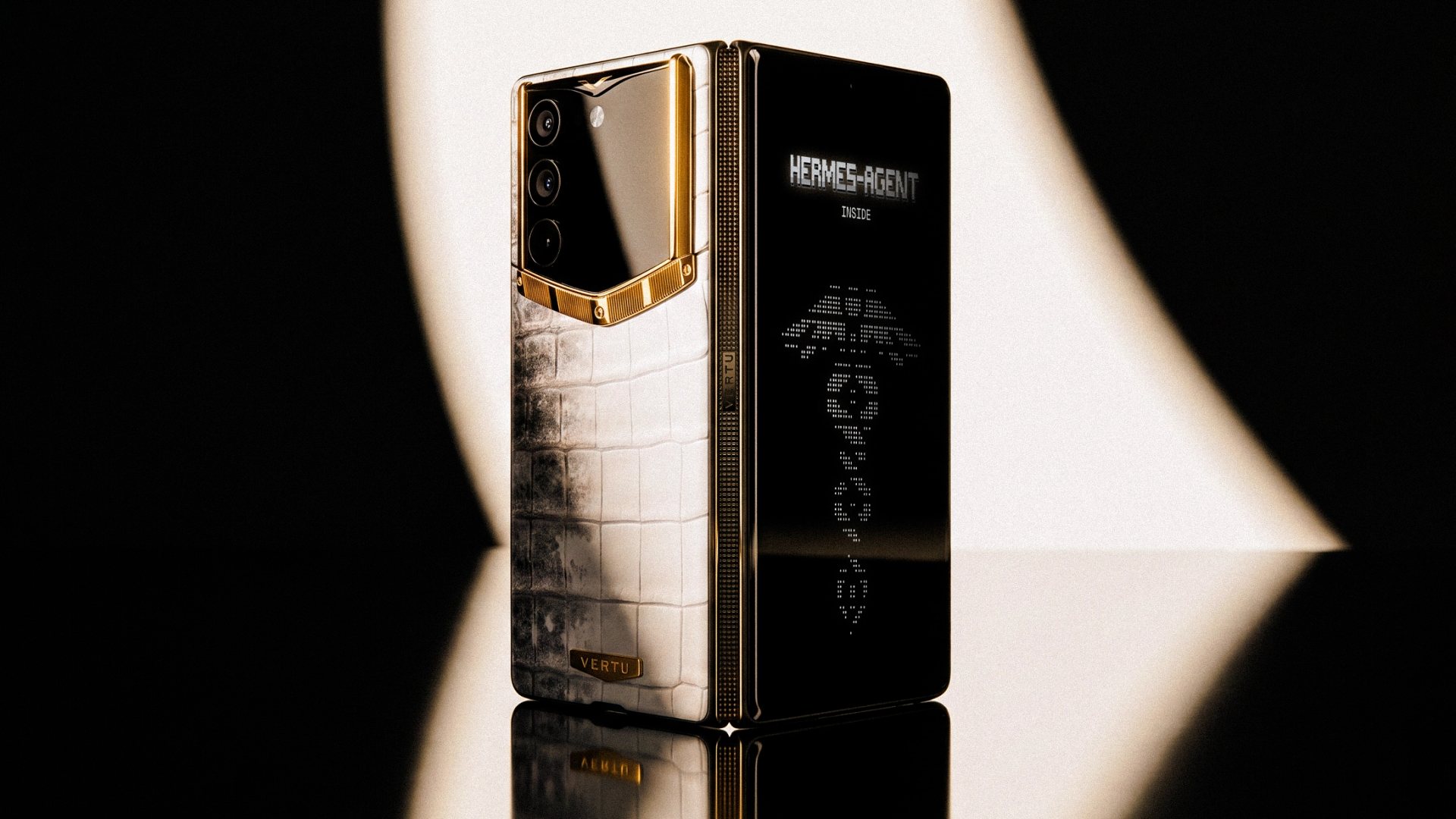
A useful smartphone weight comparison combines the documented mass with a handling check of the complete configuration you will carry. Confirm what the quoted number includes, then compare ordinary tasks, grip changes and supported use. Treat balance as something to assess on the actual handset, not a property established by grams alone. A small numerical difference should not decide an otherwise unexamined purchase.
Key Takeaways
- Compare weights stated for clearly identified models and configurations.
- Keep the handset-only figure separate from accessories you intend to carry.
- Use the same short tasks and settings when comparing handling.
- Check each operating state of a foldable and record where you change grip.
- Choose through your own practical observations rather than an unsupported comfort ranking.
Establish what each weight figure represents
Start with the manufacturer's specification for the exact reference. Record the unit, selected edition and any explanation of what is included. If the basis is unclear, ask whether the figure covers only the handset and whether configuration changes affect it.
Do not mix a published handset weight with a measurement of another phone inside its case. Keep those as separate entries. The first answers a specification question; the second describes a particular complete arrangement. Both can be useful when their conditions are clear.
Use the same unit throughout the comparison and preserve the original source. If you convert a value, label the conversion rather than presenting it as another independent measurement. Avoid displaying more decimal places than the source supports.
Leave an unknown basis visible. A blank note asking for confirmation is more useful than silently assuming all manufacturers weighed the same accessories or every edition has identical mass.
What do AlphaFold and Agent Q's published figures show?
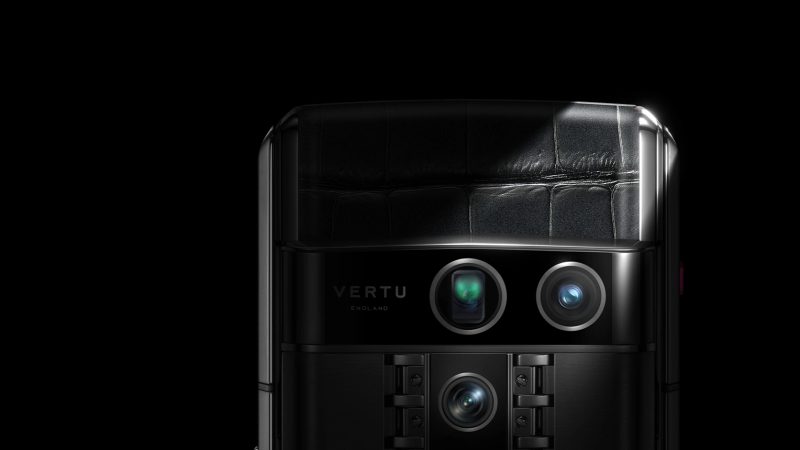
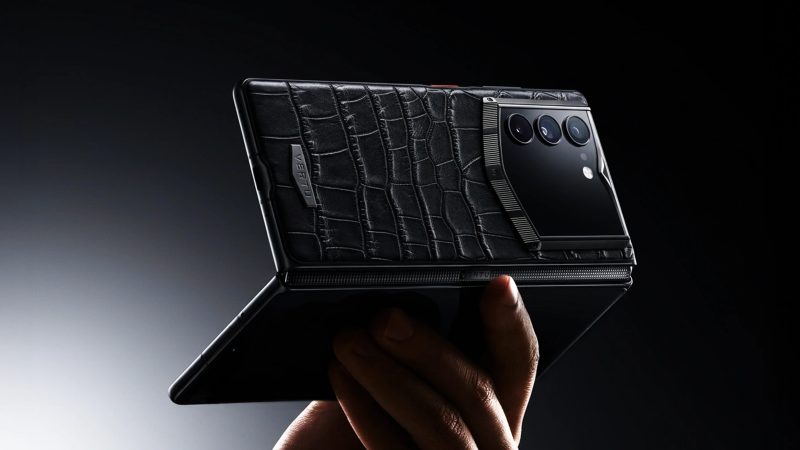
Current VERTU product information lists AlphaFold at 264 g and Agent Q at 262 g. The difference between those listed values is 2 g. These are manufacturer-stated figures, not measurements performed for this guide.
| Product | Published weight | What remains to check |
|---|---|---|
| VERTU AlphaFold | 264 g | The selected edition, included items and your intended accessories. |
| VERTU Agent Q | 262 g | The selected edition, included items and your intended accessories. |
Those numbers establish a narrow comparison of listed mass. They do not establish which phone feels better balanced, which is easier for you to hold or how either complete carry setup compares. Request clarification before extending the values to a bespoke edition or an accessory-equipped handset.
AlphaFold is a foldable phone, so include both closed and open handling in a purchase assessment. Keep the operating state in your notes. Do not use a closed-handset trial as the only evidence for a decision about extended use with its inner display.
Separate mass, grip and personal balance
Ask three different questions: what is the documented mass, where do you support the phone, and what do you do while holding it? This is an editorial comparison framework. It does not assign a universal balance score or predict physical strain.
During a demonstration, notice where the handset rests against your hand and which fingers support it. Record whether reaching a control makes you reposition the phone. Describe the observation directly instead of calling a design top-heavy without a defined assessment.
Look at the whole configuration, including any case, grip attachment or other accessory you intend to keep fitted. Ask to try the appropriate arrangement where possible. Do not infer its handling from an unaccessorised display sample alone.
Keep your preference distinct from a recommendation for everyone. You may favour one grip or shape while another buyer chooses differently. This guide offers a way to make that preference explicit, not evidence of a medical or ergonomic advantage.
Compare the same ordinary tasks
Choose a few tasks that resemble your intended use and repeat them on each candidate. Suitable examples to request include reading a short passage, typing a brief message and reaching a familiar control. They are proposed comparison tasks, not a test already performed on the phones.
- Identify the setup: note the handset, operating state and any fitted accessory.
- Set comparable conditions: use similar text size, orientation and a comparable task.
- Observe support: notice how you hold the phone and when you change grip.
- Try supported use: assess the task with the phone resting appropriately as well as handheld.
- Record the result: describe what was easy, awkward or still unconfirmed.
Keep the exercise short and comfortable; there is no need to hold a device in an awkward position to manufacture a result. If a task cannot be demonstrated on a sample, record that limitation rather than substituting a claim from an unrelated review.
Do not compare one phone with large interface elements against another using a very different layout, then attribute every difference to weight. Note the settings that affected the task and repeat the comparison where a simple adjustment changes your judgement.
Give foldable operating states their own entries
Assess a foldable in the states you actually expect to use. Follow its opening instructions and ask the seller which positions are supported. Do not assume that every hinge angle is an approved standing position.
For closed use, examine ordinary reach and the grip required to retrieve and put away the handset. For open use, compare reading, typing and any task requiring interaction across the screen. Record whether you prefer one hand, two hands or a suitable support for each task.
If you plan to move between the displays, include that transition in the demonstration. Keep the content and application identified so that the result is not mistaken for a universal software capability. The question is whether the intended sequence works for you on that configuration.
Separate carrying preference from working preference. Your preferred arrangement for a short notification check need not be the same as the one you choose for reading a document. A single light-or-heavy label should not conceal those different priorities.
Account for the things you actually carry
List any accessory that changes the arrangement you will hold or put in a pocket: the intended case, stand, grip or attached item. Confirm compatibility before including it in the decision. Avoid assuming that a product photograph represents the full package being purchased.
If you weigh a complete setup yourself, record the scale, items and conditions as a personal measurement. Keep it separate from the manufacturer's published value. Do not compare that result with someone else's unexplained figure as though both followed a common method.
Consider how you carry the phone and how easily you retrieve it using your normal bag or pocket. These are practical fit questions, not laboratory impact or drop tests. Avoid forcing a demonstration handset into a space that does not comfortably accommodate it.
Make the decision from a short observation record
Use a concise record with the fields model, published mass, setup, task, operating state, observation and unresolved question. Give each observation enough context to be useful later. “Needed a second hand for this task” is clearer than an unexplained overall handling score.
Choose the priorities before looking for a winner. If carrying dimensions, a particular task or an accessory configuration matters most, assess that condition directly. A small specification difference should not become a substitute for the requirement that determines the purchase.
Frequently asked questions
Does the lighter listed phone always feel easier to hold?
Do not infer that from the number alone. Compare the actual setup, your support position and the tasks you intend to perform.
Should I include my case in the comparison?
Yes, when assessing the arrangement you will use. Keep that complete-setup observation separate from the published handset-only specification.
Can I rank balance from a product photograph?
Use a photograph to identify questions, not to establish a handling result. Request an actual demonstration or leave the judgement unconfirmed.
Conclusion
The strongest smartphone weight comparison preserves both the specification and its practical limits. Identify the exact configuration, compare equivalent tasks and record the way you support and use each handset. Choose through those observations, with accessories and foldable states included, rather than expecting a gram figure to answer every handling question.