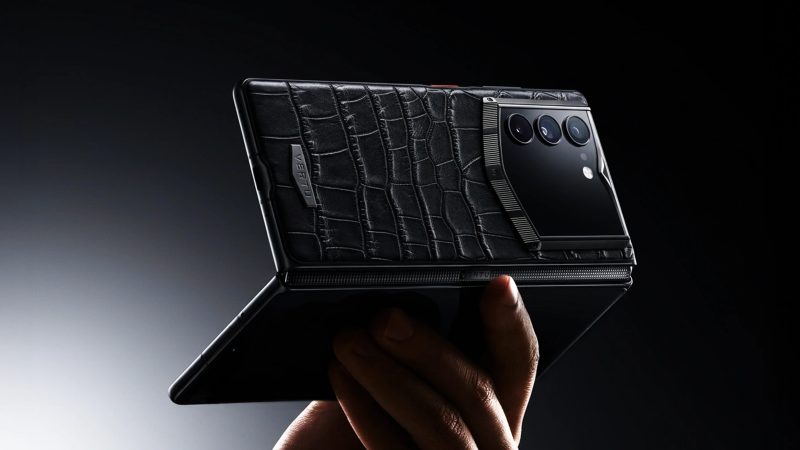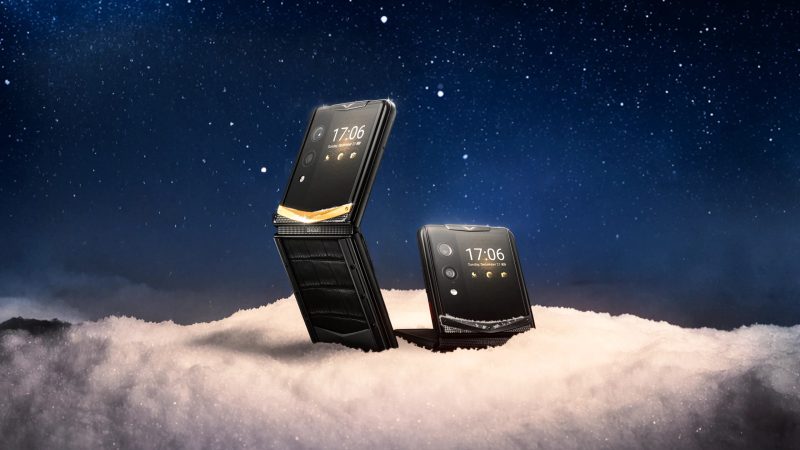
Choose a leather smartphone by checking the finish on the exact handset, how it works with the phone's shape and what ownership requires. Establish which areas are leather, identify the documented material and inspect the transitions around cameras, controls and folding parts. Then assess the actual configuration in your hand. A material name should begin the decision, rather than stand in for fit, care or service information.
Key Takeaways
- Distinguish the handset's finish from a removable accessory.
- Confirm the material and the areas it covers on the selected reference.
- Inspect edges, transitions and access to controls without assuming how the finish was attached.
- Choose by actual handling and appearance, then confirm care and the service route.
Identify the finish you are actually buying
Ask whether the product description refers to the phone's exterior or to a separate case, cover or pouch. Keep that answer attached to a specific product reference. A photograph showing leather beside a handset should not silently become a claim about the handset itself.
Request the maker's material description in writing. If the listing uses broad language such as leather finish, ask for clarification of the material, the relevant configuration and the parts covered. Leave unconfirmed details open rather than identifying a material grade or animal origin from the visible pattern.
Keep a short record with three entries: the selected handset, its documented finish and the matching product page. This is a suggested purchasing method, not a certification process. It gives you a precise reference when asking about care, delivery configuration or later support.
Do not let the colour name answer a construction question. Ask separately about the material and the finish. Equally, a description of one edition should not be applied to every model in a collection.
Map the leather and the surrounding components
Examine the phone from the rear, both sides and the lower edge. Ask where the leather begins and ends, and which nearby parts use other materials. A simple component map is more useful than treating the complete exterior as one uniform surface.
| Area to inspect | Question for the seller |
|---|---|
| Main covered surface | What material and configuration does this reference specify? |
| Camera surround | Where does the leather meet the camera structure? |
| Buttons and openings | Can the intended controls and connections be used normally? |
| Folding or opening parts | Which surfaces move, and what care instructions apply? |
| Edges and corners | What should an acceptable delivered finish look like here? |
These are inspection questions rather than claims that a particular attachment method is superior. Do not assume that a visible join establishes stitching, adhesive construction or user-removable panels. Ask the maker to describe the relevant method when it affects your decision.
What do VERTU Agent Q and AlphaFold illustrate?
The current VERTU Agent Q description identifies U-shaped seamless leather forming as part of its exterior craftsmanship. That is a documented construction description. It does not establish that every finish has the same material, appearance or service procedure.
The official AlphaFold Grained Calfskin listing identifies a particular leather-finished foldable reference. Use that named configuration when requesting details rather than treating every AlphaFold edition as calfskin. Its folding form also gives you a practical reason to inspect the finish with the handset both open and closed.
For either phone, ask to see the actual selected colour and finish, with the matching reference confirmed. Compare what is documented and what you can inspect. Avoid ranking the materials by rarity, grip, ageing or durability without evidence for those precise claims.
This guide is based on published product information and purchasing questions. It does not report a hands-on leather comparison or establish long-term wear results for either handset.
Assess the complete phone in your hand
Try the handset as you intend to use it. Hold it for a brief message, reach the ordinary controls and place it on a suitable surface. Assess the complete shape and finish together rather than testing the leather as an isolated sample.
Notice where your fingers rest and whether you repeatedly reposition the phone during a simple task. Describe your own preference in concrete terms: the edges feel comfortable, a particular control requires a grip change, or the selected finish is not what you expected. These are personal observations, not general ergonomic findings.
For a foldable, repeat the check in both operating states and follow the manufacturer's opening instructions. Ask whether the displayed sample has the same configuration as the one being ordered. A demonstration of another edition should be identified as such.
If you cannot handle the phone before purchase, request current dimensions, weight and configuration photographs. Check the applicable returns information. A leather swatch can help with appearance, but it cannot replace the handling assessment of the complete handset.
Judge colour and surface detail under ordinary conditions
Ask for a clear view in ordinary light as well as the presentation images. Examine the same reference from several angles and confirm that the photographs show the intended configuration. Treat unusual lighting, extreme close-ups and edited promotional scenes as context, rather than your only basis for choosing a colour.
Decide what attracts you: the visible texture, the colour contrast with the frame, or the way the finish fits the phone's proportions. Keep those preferences separate from claims about quality. A pattern you enjoy does not by itself establish a specific grade, sourcing history or production technique.
Ask the seller how appearance variation is described for the selected product and what will be confirmed before dispatch. Do not demand a generic promise that every surface will look identical to an image, or assume that a difference is acceptable without the applicable product explanation.
Confirm care before choosing a cleaning routine
Request care instructions for the complete handset and the particular leather finish. Ask what cleaning method is approved, which substances or treatments should be avoided and what to do if the surface becomes marked. Keep the instructions with the product record.
Do not apply a treatment intended for footwear, furniture or another leather object merely because the material description sounds similar. Ask before using a conditioner, polish, abrasive product or liquid cleaner on a phone. This is a cautious purchasing recommendation, not a claim about a particular chemical reaction.
Discuss your normal carrying arrangement as well. If you plan to use an accessory, check its compatibility with the selected handset and finish. Do not assume that covering the leather is required, or that an accessory automatically supplies a documented level of protection.
Ask what happens if the finish needs attention
Establish the service route for a concern about the exterior. Ask who inspects it, what information is needed and whether the issue must be assessed before any repair or replacement can be discussed. These are questions to confirm, not services automatically included by a material label.
Clarify whether any work on the covered surface requires an authorised service provider. Do not assume the finish can be peeled off, refinished locally or replaced by the user. Ask for an estimate and an explanation of the proposed work where applicable.
Keep cosmetic expectations, functional concerns and warranty terms distinct. Request the terms applicable to your market and purchase. If a particular service answer would determine whether you buy, obtain that clarification before placing the order.
Frequently asked questions
Is a leather-finished phone the same as a phone in a leather case?
No. Confirm whether the leather belongs to the handset's documented exterior or to a separate accessory, and identify the exact product being supplied.
Can the visible grain establish the material grade?
Do not rely on appearance alone. Request the maker's description for the selected reference and leave any unsupported detail unconfirmed.
Should I assume the finish is user-replaceable?
No. Ask about the authorised inspection and service process before attempting any alteration or repair.
Conclusion
The right leather smartphone combines a finish you value with a complete handset you can use comfortably and maintain appropriately. Confirm the actual material and coverage, inspect the transitions, assess the selected configuration and establish care and service arrangements. Choose on those answers rather than the impression created by a material name alone.