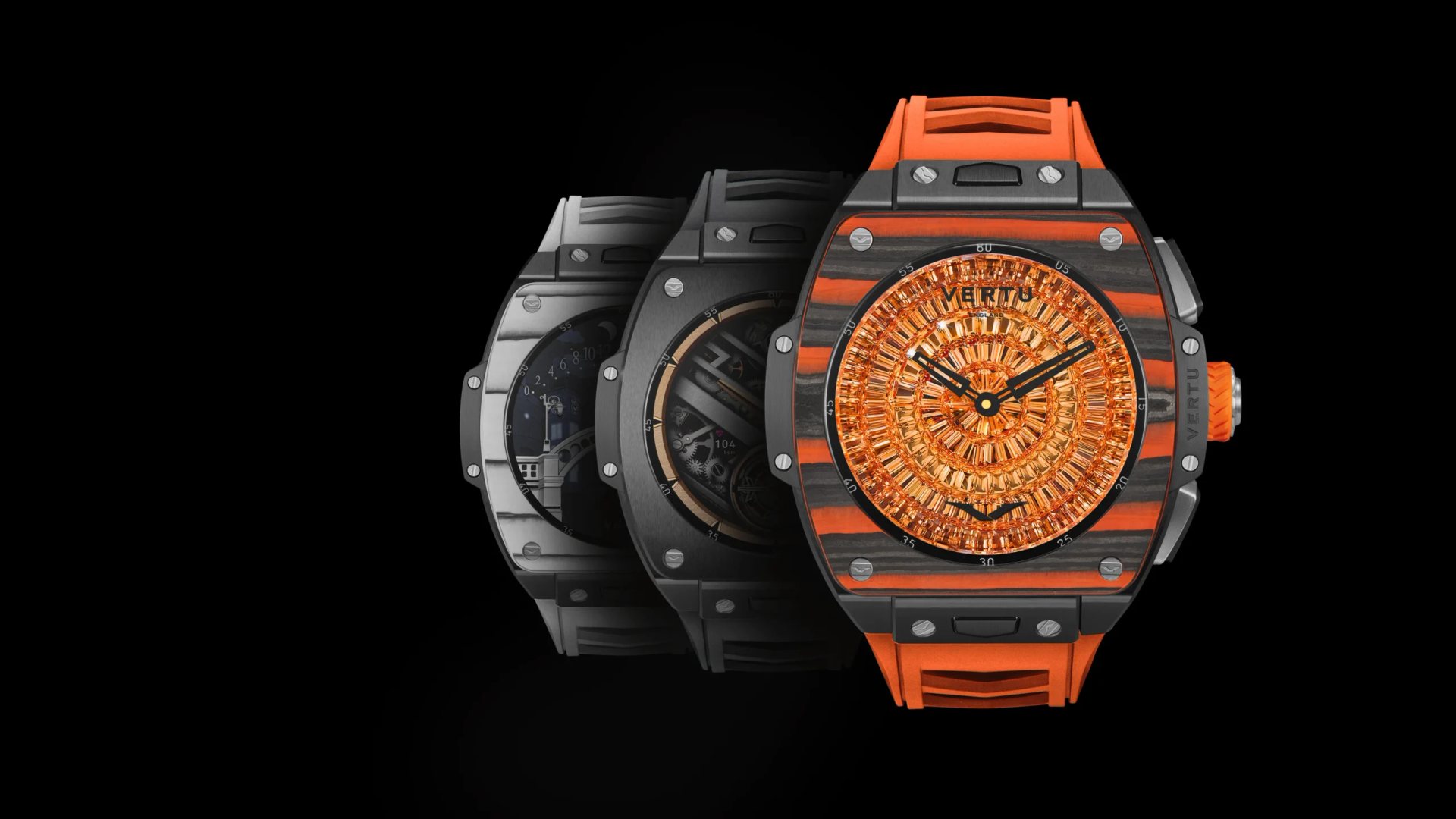
The practical answer to how to choose watch case size is to compare the complete case footprint, thickness and strap fit, then try the selected watch on your own wrist. First establish what each quoted measurement describes. A dial measurement, a screen diagonal and a case width answer different questions, so one prominent number is not enough to choose a watch confidently.
Key Takeaways
- Identify whether the listing gives a case dimension, dial size or screen measurement before comparing models.
- Assess the watch from above and from the side, including its attachments and supplied strap.
- Use wrist circumference to check the documented strap range, rather than as an automatic case-size formula.
- Try ordinary movements and controls; choose the size you can use comfortably and enjoy wearing.
How do you choose a watch case size for your wrist?
Write the measurement name beside every number you collect. A bare millimetre figure can conceal a different comparison from the one you think you are making. Where a listing is unclear, ask the seller to identify the dimension before treating it as a purchasing criterion.
Dice Kayek's measurement guide distinguishes case diameter from dial diameter, lug-to-lug and lug width. In its terminology, case diameter measures across the case without the crown, dial diameter describes the dial surface, lug-to-lug spans the outer attachment tips, and lug width is the gap used when identifying a strap size. These are different measurements, not alternative names for one figure.
For a non-round watch, ask for the complete dimensions and how they are measured. Do not turn a width into a diameter or assume that the first number in a three-part specification is a documented lug-to-lug measurement. Keep the maker's labels intact until the meaning is clear.
| Listed detail | What to establish | Question it helps answer |
|---|---|---|
| Case width or diameter | Which edges and projections are included? | How much space does the main case occupy across the wrist? |
| Length or lug-to-lug | Is this the case body or the full attachment span? | Where do the ends sit on the wrist? |
| Thickness | What parts are included in the listed height? | How does the watch sit against a cuff and during movement? |
| Dial or screen size | Is it a diameter, diagonal or another display measurement? | What viewing area is being described? |
| Strap range | Does it apply to the supplied fastening? | Can this exact combination be adjusted appropriately? |
How do you compare watch case size with wrist circumference?
Measure where you intend to wear the watch, following the seller's fitting instructions. Record the circumference with the unit clearly stated. If you use a strip of paper or string, transfer the marked length carefully to a ruler and repeat the measurement to check it.
Use this number to ask whether the supplied strap or bracelet covers your wearing range. Leave case selection as a separate question. This guide does not assign a compulsory case diameter to a particular wrist circumference; personal preference and the complete watch still need consideration.
Look at the top of your wrist as well as the circumference. During a try-on, observe where the case and its attachments sit rather than relying entirely on a chart. A numerical match between a chart and your measurement should invite a fitting check, not replace one.
How do you choose watch case size for a shaped case?
Choose by the outline you will actually wear. A round case, a rectangular case and a tonneau case should not be treated as identical merely because one dimension matches. Keep width, length and thickness together when moving between shapes.
For a shaped case, request a straight-on image and a side view of the exact reference. A straight-on outline helps you understand the footprint; the side view helps you see how the body and strap meet. Images are preparation for a try-on, rather than proof that the watch will fit you.
Decide whether you want a restrained presence or a deliberately substantial one. That is a personal aesthetic choice. Check it separately from comfort, control access and strap adjustment so that enjoying a bold outline does not become an assumption that every practical detail is settled.
What do VERTU's published measurements illustrate?
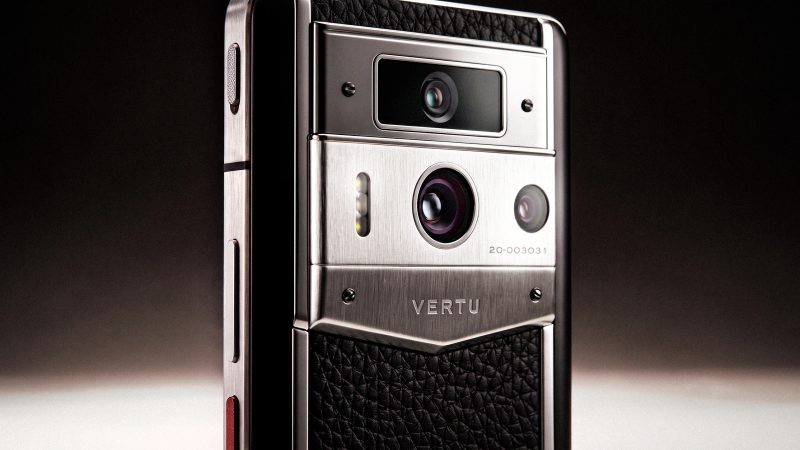
The VERTU Agent Watch is described with a tonneau silhouette. Its published specification lists dimensions of 53.9 × 46.9 × 15.8 mm and a weight of 113 g for the crystal model. Use the complete specification when preparing a fitting request; do not rename one of those figures as lug-to-lug without confirmation.
The Grand Watch Black Ceramic listing also describes a tonneau design and prominently identifies a 44 mm dial. That dial figure should remain a dial figure. It is not sufficient evidence to call the complete case 44 mm wide or to declare it smaller on the wrist than the Agent Watch.
The useful comparison is therefore a request for matching measurements of the actual references, followed by a try-on with their supplied straps. These published details explain why the models merit a closer fitting assessment. They do not establish a preferred wrist size, personal comfort or a universal small-to-large ranking.
This article uses documented product information and an editorial fitting method. It does not report a hands-on comparison of these watches or substitute photographs for a measurement of your chosen configuration.
Check the case in motion, rather than in one pose
Fasten the selected watch according to its instructions and place your arm in an ordinary resting position. Look from above, then from the side. Notice whether the body sits where you expect and whether you can achieve an appropriate adjustment with the supplied strap.
Move through tasks you normally perform: typing, reaching into a jacket pocket, bending the wrist and bringing the watch into view. Check the controls without adopting an unusual hand position. If a control presses into your hand or the watch repeatedly moves out of place, discuss the fit rather than ignoring it because the nominal size seems correct.
Try it with a shirt or jacket you actually wear. Ask whether the cuff can move as you want it to without forcing it over the watch. There is no need to turn a personal cuff preference into a universal dress rule; the point is to test the combination you are buying for.
Keep strap adjustment and case choice separate
Confirm which strap or bracelet is included with the selected reference. Ask about the documented adjustment range, available sizing options and whether any adjustment requires a service provider. A display sample fitted with a different strap may not represent the order you intend to place.
If a case looks right but the fastening does not sit correctly, establish whether an approved alternative exists. Do not assume that any strap with a similar appearance will fit, or that tightening a fastening solves every case-fit concern. Ask how a proposed replacement affects the complete wearing arrangement.
For a connected watch, follow its own wearing instructions for the functions you plan to use. A personal preference for a very loose fit should not override a manufacturer's documented wearing requirement. Keep any sensor or exercise question tied to that model rather than transferring advice from another watch.
Buying remotely: request a comparison you can interpret
Ask for the exact reference, labelled dimensions and the supplied strap's fitting range. If requesting photographs, specify the view you need and ask whether the sample matches the order. Avoid choosing from a close-up image that gives no useful account of the complete case and fastening.
A full-size paper outline can help you visualise the stated footprint if you print or draw it accurately. Treat it as a limited visual aid: it cannot reproduce thickness, weight, strap movement or the position of controls. Check the seller's applicable returns and sizing arrangements before ordering a watch you have not tried.
Can a wrist-size chart prescribe one case diameter?
No universal wrist-circumference-to-case-diameter table can account for lug-to-lug length, thickness, strap attachment and wrist shape. Use a fit worksheet instead: record wrist circumference in millimetres, case diameter or width, lug-to-lug span, thickness and the strap’s adjustment range for each exact model. Then inspect whether the lugs extend beyond the wrist and whether the watch moves during ordinary activity. A chart is a starting comparison, not a fit guarantee.
Frequently asked questions
Is the screen size the watch case size?
No. Keep the display measurement separate from the complete case dimensions and check how each is defined in the model's specification.
Does a larger wrist require a larger watch?
No single case size follows automatically from wrist circumference. Confirm strap fit and assess the actual watch, then choose the visual presence you prefer.
Conclusion
Learning how to choose watch case size means reading dimensions accurately and testing the complete watch. Separate dial and case measurements, compare the full footprint and thickness, and check the actual strap, cuff clearance and controls. Use the numbers to prepare a better fitting decision, then let the selected watch on your own wrist settle the choice.