When weighing ceramic watch pros and cons, separate the appeal of the surface from the consequences of a knock and the practicalities of repair. Check which parts of the actual watch are ceramic, what the manufacturer says about that material and how you would care for the complete piece. Ceramic can be an appealing design choice, but the material name alone does not establish the performance of every component.
Key Takeaways
- Verify whether ceramic refers to the case, a bezel, bracelet parts or another component.
- Keep scratch-resistance claims separate from impact or drop protection.
- Judge the actual finish, fit and complete-watch weight rather than assuming a material guarantees comfort.
- Ask about cleaning, inspection, replacement parts and service estimates before buying.
First, identify where the ceramic is
Ask for a description of the exact reference you intend to buy. A useful answer identifies the components rather than applying one material label to the whole watch. Request clarification of the case, bezel, back, lens, crown, fastening and any bracelet links that matter to your decision.
Keep a simple material map with three entries for each relevant part: the maker's description, the source and anything still unconfirmed. This is an editorial buying tool, not a technical certification. Its purpose is to prevent an attractive product title from becoming an unsupported assumption about construction.
If the specification describes ceramic among a family's case materials, confirm the particular configuration. Do not assume that every variant has the same construction, that the case is a single piece or that a ceramic exterior establishes the composition of the back and controls.
Look at photographs alongside the written description. Use the images to locate the part being discussed, then ask the manufacturer to resolve any mismatch. Appearance alone should not decide whether a dark surface is ceramic, a coating or another material.
What benefits are worth considering?
Begin with the documented material and finish of the model, not a universal performance number. For example, Rado's material-care explanation describes its high-tech ceramic as highly resistant to scratching in ordinary use. It also explains that contact with sufficiently hard materials can still cause scratches. That is a useful qualified manufacturer example, not a test result for every ceramic watch.
Appearance is another legitimate reason to consider the material. Rado's account of high-tech ceramic describes different colours and surface finishes within its own manufacturing approach. For your purchase, decide whether you prefer the actual colour, polish and shape of the watch in front of you. Do not transfer another maker's production method to it.
Ask to see the finish in ordinary light and from several angles. Look at broad surfaces and edges, then consider how they work with the dial and strap. The benefit here is a design you enjoy, not a promise that a particular finish will remain unchanged indefinitely.
Keep weight and comfort as separate checks. Request the complete watch's stated weight and clarification of what it includes, then try the actual configuration if possible. Avoid deciding that an individual watch must feel light or comfortable simply because ceramic appears in its specification.
What is the trade-off around knocks?
Scratch resistance should not be treated as proof of protection against a hard impact. Rado's official user manual warns that its hard watch materials are not indestructible, advises against dropping the watch or giving it sharp knocks, and says a sufficiently hard impact may break the material.
That warning supports a careful question, not a prediction that a particular watch will break in everyday wear. Ask the manufacturer about the care guidance and any documented testing for the exact model. Do not substitute another brand's hardness number, material formula or drop demonstration for that evidence.
Review your own handling routine. Where do you normally remove a watch? Do you have a suitable place to put it down? Can you fasten and unfasten the actual clasp confidently? These are practical questions for a buying decision, not an invitation to perform an impact test.
If you want a watch for an activity involving frequent knocks, identify that requirement before choosing the material. Ask about the complete product's intended use and instructions. A striking case finish should not be used to answer an activity-suitability question that remains unconfirmed.
How does VERTU Grand Watch fit this decision?
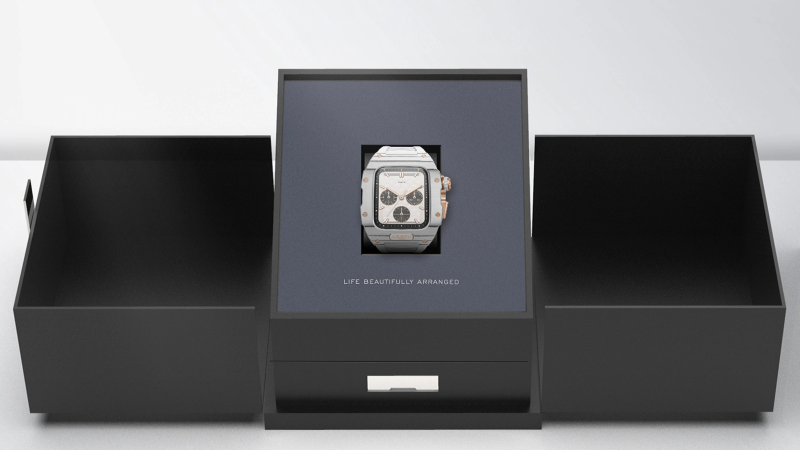
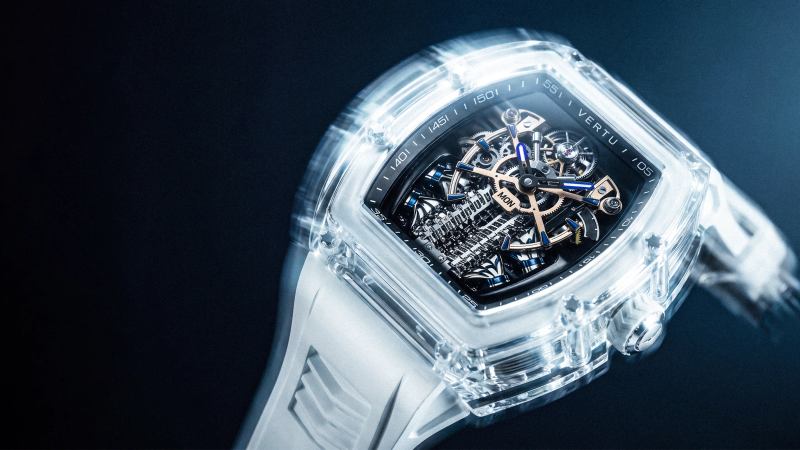
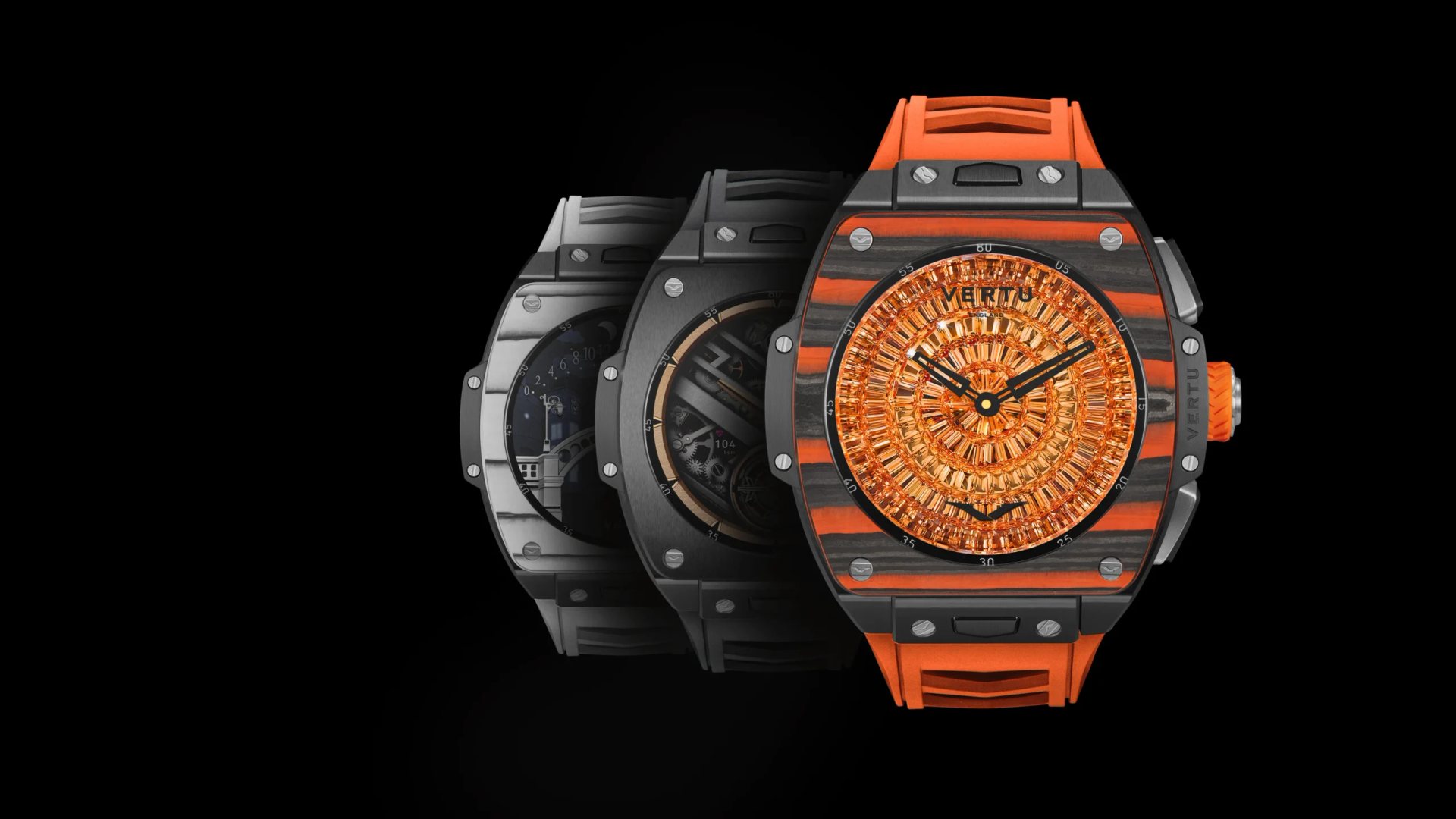
The current VERTU knowledge material identifies microcrystalline black ceramic among the Grand Watch family's case materials. The Grand Watch Black Ceramic listing provides a relevant starting point for a specific configuration. The knowledge material lists the sapphire mirror separately from the case materials.
Those distinctions matter when requesting details. Ask VERTU to confirm the material coverage of the selected reference and the appropriate care for the complete watch. The family-level description should not be expanded into a claim that every exterior part is ceramic or that the case has a particular one-piece construction.
Nor does the material description provide a model-specific drop threshold, service price or independent durability result. This guide does not report a Grand Watch impact test. The useful next step is a clear configuration description and an applicable ownership plan, rather than an assumed comparison with another watch material.
Make surface care part of the purchase
Ask for the cleaning instructions before you need them. Confirm the method for the case, lens, strap and fastening, including any exclusions. Keep those instructions with the product information instead of relying on a generic cleaning routine for an object that looks similar.
If a mark appears, ask how the maker recommends assessing it. Do not assume that polishing, scraping or using an abrasive product is appropriate. A photograph and an explanation of what happened can form the starting point for a service enquiry, without attempting to identify the issue yourself from appearance alone.
For storage and travel, choose an arrangement that keeps the watch apart from loose hardware and other jewellery. Check that the holder fits the actual case and strap without pressure. These are cautious handling recommendations, not evidence that a particular pouch or case guarantees protection.
What should you ask about repair?
Ask about the service route while comparing the purchase, not after making a promise to yourself about repairability. The following questions are a proposed buyer's checklist; they do not describe services automatically included with a ceramic watch.
| Question | What to clarify before purchase |
|---|---|
| Who inspects a marked or damaged component? | The authorised contact and the process for requesting an assessment. |
| Can the affected part be repaired or replaced? | The answer for the actual reference, rather than a general material claim. |
| How is work approved? | Whether a written estimate and your approval are requested. |
| What remains uncertain? | Parts availability, likely timing and any conditions requiring inspection. |
| Which terms apply? | The market-specific warranty and any exclusions relevant to the concern. |
Keep the answers specific. A general statement that servicing is available does not settle whether a particular cosmetic concern, damaged part or older reference can be addressed on the terms you expect. Request clarification where that answer would change your willingness to buy.
Frequently asked questions
Does scratch-resistant mean scratch-proof?
No. Rado's explanation explicitly retains the possibility of scratches from sufficiently hard materials. Check the wording applicable to the watch you are considering.
Does a ceramic watch need a ceramic bracelet?
No assumption should be made from the case label. Check the strap, bracelet and fastening as separate parts of the selected configuration.
Can every damaged ceramic case be repaired?
Do not assume that. Ask the maker about inspection, repair or replacement for the exact part and reference, with an estimate before agreeing to work.
Conclusion
The useful way to assess ceramic watch pros and cons is to connect the actual material description with your preferences and ownership needs. Verify the ceramic components, appreciate the documented finish, keep scratches separate from impact questions and establish the service route. Buy with clear answers about the complete watch rather than a promise inferred from one material name.