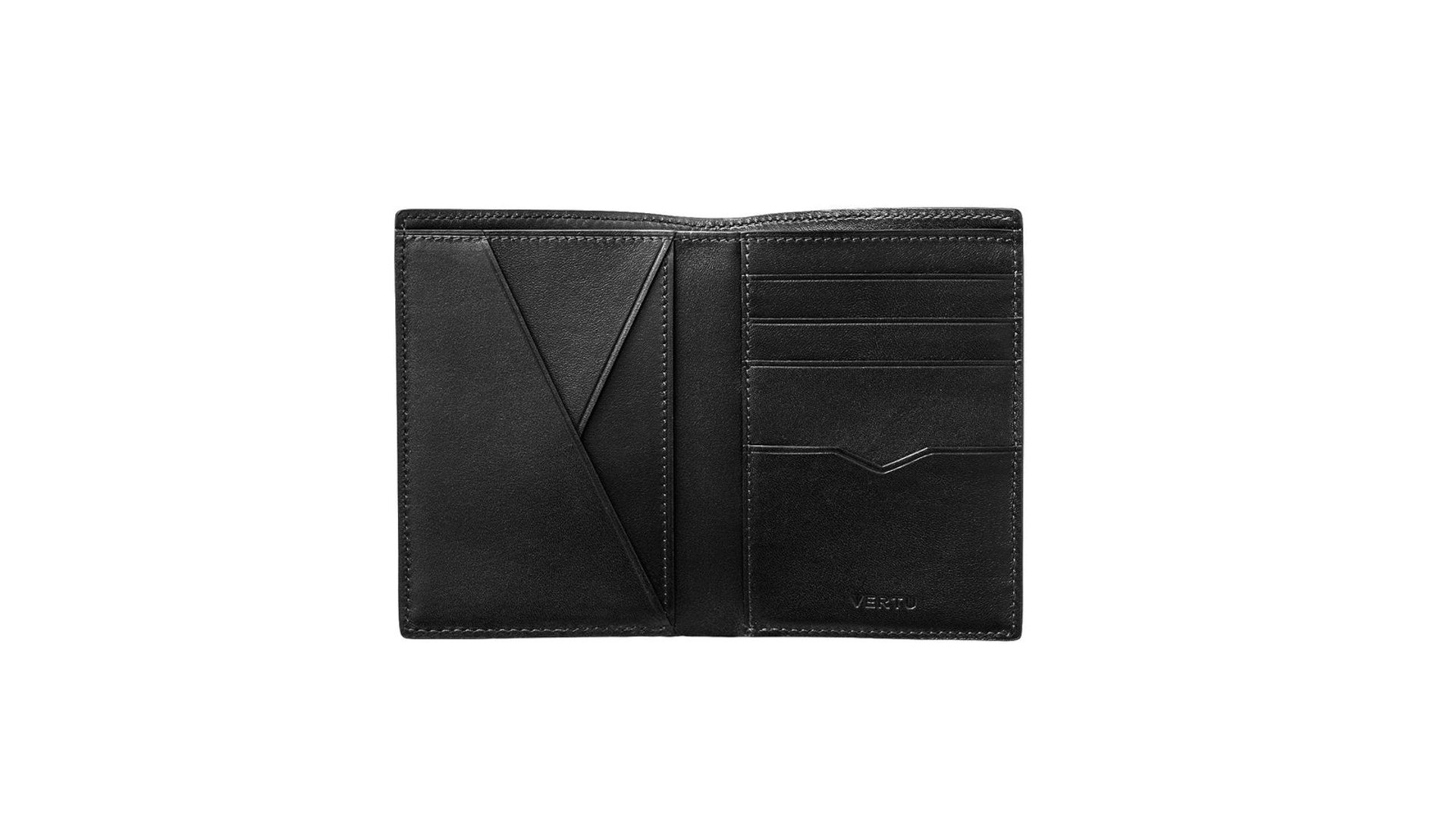
If your search is “how to care for leather wallet”, start with its maker’s instructions: keep the contents manageable, remove loose dust gently, protect it from avoidable spills and store it sensibly between uses. Identify the leather and finish before adding any cleaner or conditioner. A treatment suitable for one wallet is not automatically appropriate for another.
This guide offers a conservative care routine informed by leather-goods makers. It does not claim that one treatment can restore every stain, scratch or stretched pocket.
Key Takeaways
- Identify the wallet and finish before selecting a care product.
- Make emptying and inspection part of care, rather than concentrating only on the outer surface.
- Use conditioner only when the maker approves it for the particular material.
- Blot a spill rather than scrubbing, then seek product-specific advice where needed.
- Keep a record of any treatment so a repair specialist knows what has already been applied.
What should you establish before cleaning?
Find the exact product name, purchase information and any care card first. Check whether the description identifies smooth leather, suede, a textured finish, a coating or a combination of materials. If the information is incomplete, ask the maker before selecting a chemical treatment.
Leatherology’s care guidance distinguishes leather types and explains that its wallet advice needs to account for constant friction and the contents carried. Treat another maker’s recommendation as context, rather than a replacement for your wallet’s own instructions.
Do not infer a maintenance method from colour alone. A black wallet is not necessarily identical in finish to another black wallet, and an embossed surface does not tell you which cleaning preparation is compatible. If you cannot establish the material, restrict the first inspection to identifying the problem and gathering information.
How do you build a leather wallet care routine?
Use a routine that starts with what is inside. A brief inspection gives you a chance to remove unnecessary contents and notice a problem before attempting treatment. The following sequence is an editorial checklist, not a requirement to clean on a fixed calendar.
- Empty the wallet onto a clean surface and check every compartment.
- Discard receipts you no longer need and set aside cards that do not belong in daily carry.
- Inspect the fold, edges, stitching and pocket openings without pulling them apart.
- Remove loose surface dust with the cloth or method approved by the maker.
- Return only the contents that fit comfortably, then check that the wallet closes naturally.
Choose an occasion that already happens in your week, such as sorting receipts or preparing for travel. That makes inspection easier to remember without inventing a universal cleaning interval. More care is not always more product: sometimes the useful action is simply removing a thick stack of unused paper.
Keep the inspection descriptive. Note “loose thread at the lower corner” or “mark beside the fold” rather than assuming a cause. If a change needs attention, take a clear photograph before adding a treatment. That gives you and a specialist a reference point.
Why does the amount you carry matter?
Let the wallet’s intended capacity guide your contents. Leatherology advises against overstuffing wallets and card cases because stretched slots do not fully recover. Hermès also advises avoiding bulky, unsuitable contents when caring for its leather objects.
In practice, make a separate place for occasional items rather than insisting that one wallet carries everything. Decide which cards you use regularly, which you need only when travelling and which documents should be stored elsewhere. If the wallet strains to close, reassess the load before looking for a cream to improve its appearance.
Do not force a new pocket to accept extra cards as a shortcut to “breaking it in”. Ask the maker about the intended capacity and fit. If your everyday requirements exceed that capacity, a different format may be a better purchase than trying to stretch the current one.
Should every leather wallet be conditioned?
No universal conditioner or schedule suits every finish. Leatherology recommends conditioning within its own care guidance, while Hermès directs owners to its artisans and warns that unsuitable products can damage its leather objects. The useful lesson is to follow the instructions for the item you own, rather than combine advice from unrelated brands.
Before buying a care product, ask three questions: is it approved for this specific leather and finish, how much should be applied, and where can a test be made? If the maker recommends professional care instead, honour that guidance. An unlabelled balm or a household substitute does not become suitable because it is described as natural.
Where a treatment is approved, follow its directions and the wallet maker’s advice together. Keep the packaging and note the date of use. Do not layer several preparations in an attempt to produce a faster result. If a finish changes unexpectedly, stop and ask for advice rather than trying a second product to reverse the first.
How do you care for a leather wallet after a stain?
Respond gently and check the applicable care instructions. Hermès advises wiping water from its leather objects with a soft cloth and protecting them from intense heat, direct sunlight and unsuitable humidity. Its guidance also identifies ink, lipstick and fragrance as potential sources of lasting marks.
For your wallet, first remove it from the source of the spill and keep it away from other vulnerable belongings. If the maker permits blotting, use a clean cloth without scrubbing the mark across a larger area. Do not reach immediately for a hairdryer, alcohol wipe or shoe-care product.
Write down what happened and what touched the surface. “Coffee with milk” is a more useful description than “a brown stain”; “a pen leaked inside the pocket” is more useful than “the lining changed colour”. A specialist can use that information when recommending an assessment.
If you have already tried something, say so. Concealing a treatment makes the history less clear. Keep realistic expectations: ask what can be improved and what the work might change, rather than demanding that every sign of use disappear.
How should you store a wallet you are not using?
Empty it and follow the maker’s storage guidance. Avoid leaving it next to a heat source or exposed in a bright window. Choose a clean place where it can rest without a heavy object pressing into its shape.
Check what protection originally came with the wallet and whether the maker recommends using it. Do not assume that an improvised sealed container, added moisture absorber or scented drawer liner is beneficial. Hermès, for example, advises against moisture-absorbing sachets for its leather objects; that is a useful reminder to check before adding storage accessories.
Before returning a stored wallet to use, inspect it and your intended contents. Revisit any previous concern rather than automatically repeating the last treatment. Storage is part of the care plan, not a reason to apply products when no approved treatment is needed.
What does this mean for the VERTU Neo-Vault Wallet?
The VERTU Neo-Vault Wallet is described in its current official listing as black leather with a patterned design. That establishes a relevant example for material-conscious daily carry. It does not identify an approved conditioner, cleaning formula or stain-removal method.
For this wallet, ask VERTU which leather finish and care instructions apply to your particular item before using a preparation intended for another brand. Include the product name and a clear photograph if you are asking about an existing mark. Do not infer water resistance, a protective coating or a special treatment from the pattern or the product name.
The practical value of the design is also something to assess in use: does the format accommodate your ordinary cards and notes without being forced, and can you retrieve what you need comfortably? Keep those questions separate from unverified claims about security or material performance. The broader VERTU craftsmanship collection provides context for related material-led reading.
When is professional attention the better choice?
Seek the maker’s advice when you notice loose stitching, a damaged edge, a persistent stain or an unfamiliar change in the finish. Ask about the available assessment before attempting glue, recolouring or an abrasive treatment yourself.
Prepare a concise care history: product, approximate purchase date, problem location, how it developed and products already applied. Ask whether repair is available, what the work includes and what result is realistic. Treat timing, cost and service availability as questions for the provider rather than assumptions.
Should leather wallet care follow a fixed number of days or drops?
No universal frequency, conditioner quantity or drying time applies to every wallet. Leather Working Group advises owners without product instructions to ask the retailer or brand about the specific leather; its FAQ explains why. As a practical check, inspect a frequently carried wallet when it is emptied, remove dry dust with a soft cloth, and use only the care product and amount approved for its finish. If it becomes wet, Mulberry's care guidance recommends removing residual water and allowing natural drying. Do not transfer a saddle's 24-hour oil-treatment instruction to a small leather wallet, and do not state a universal conditioner dose for VERTU Neo-Vault without product-specific guidance.
Frequently Asked Questions
Can I use the same cream on every wallet?
No. Check approval for the particular leather and finish, including the maker’s testing and application advice.
Should I try to remove every sign of age?
No. Decide whether you are seeing ordinary appearance changes or a problem that needs assessment. Ask the maker if you are uncertain before attempting restoration.
What if I cannot find the care card?
Contact the maker with the product name and photographs. Avoid adding a chemical treatment while its suitability remains unknown.
Conclusion
For anyone asking “how to care for leather wallet”, the practical answer is a restrained routine matched to the actual item: manageable contents, gentle inspection, appropriate storage and maker-approved treatment only when needed. Keep a simple care history and seek qualified advice for damage, rather than treating every change in appearance with another product.