Key Takeaways
- Travel retail is a distinct shopping context; passenger mix and available decision time vary by location and journey.
- Assess product visibility, staff knowledge, collection and delivery routes before assuming a display will convert.
- Agree stock, replenishment, returns, service hand-offs and commercial terms with the operator and brand.
- Use a measured pilot with agreed indicators; do not assume tax-free pricing guarantees demand or margin.
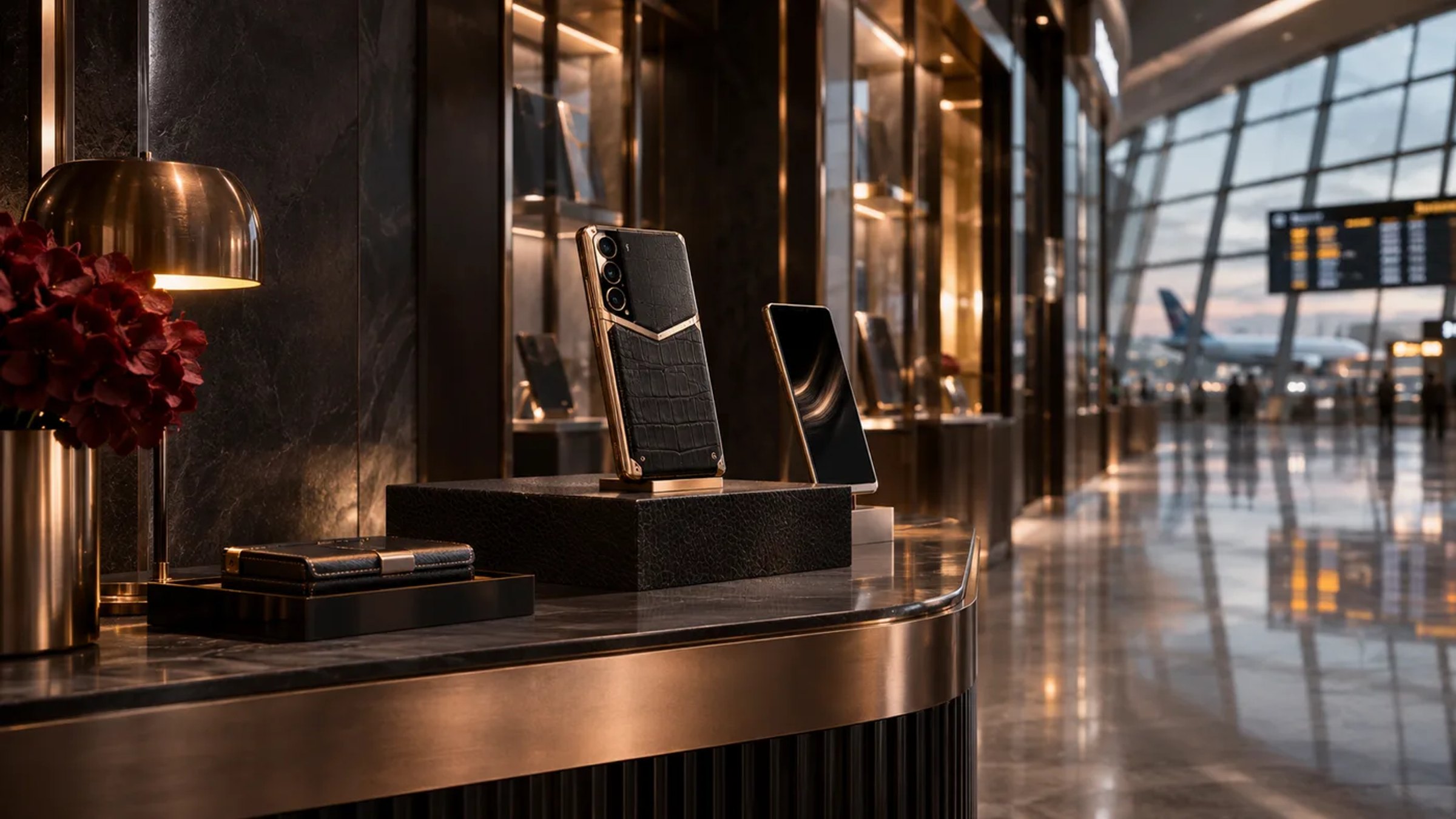
Duty-free and travel retail can introduce premium technology phones to travellers who may not visit a city-centre boutique, but the channel requires a different operating plan. Buyers should evaluate passenger profiles, dwell time, product explanation, purchase fulfilment and after-sales access together. A high-value device is a considered purchase, so the decision is whether the retail setting can provide enough confidence and support within a time-limited journey. VERTU describes several partnership formats, including distribution and retail environments, on its overview of VERTU partnership models; a travel-retail proposal still needs to be assessed market by market.
Why travel retail has a different buyer journey
How Should Retailers Assess a Duty-Free Location?
Begin with evidence for the exact terminal, cruise port or resort location: passenger volumes by time of day, category sales where available, store frontage, dwell time and the routes customers use after purchase. Ask the operator how those figures were collected and whether they represent the proposed store rather than the wider site. Then assess whether staff can explain a high-value phone clearly within the time travellers have. A busy location alone does not establish demand, conversion or commercial fit.
Airport, cruise and resort retail brings together travellers with different destinations, languages, schedules and reasons for shopping. Some visitors browse while waiting; others arrive with a specific item in mind or have little time before boarding. These are planning scenarios, not claims about every passenger or terminal. Buyers should use the operator’s local footfall and transaction evidence rather than treating all international travellers as one customer group.
Map the passenger mission
Ask the operator which passenger segments use the proposed location, when they pass the store and how long they typically remain in the retail area. Compare this with the time a customer needs to understand a premium phone’s design, configuration, warranty and service arrangements. A concise product story and a knowledgeable adviser may matter more than a wide assortment when dwell time is short.
Separate browsing, gifting, replacement and planned purchase occasions in the analysis. Do not infer purchase intent from nationality or flight route alone. Where customer research is available, examine it in aggregate and use it to plan language coverage and product education without stereotyping individuals.
Check the commercial and operational fit
Test location, visibility and demonstration
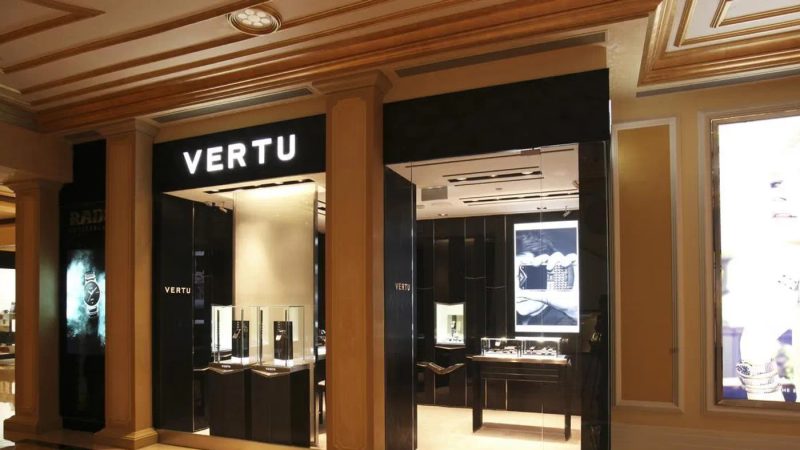
Review sightlines, neighbouring categories, lighting, security and the space available for a meaningful demonstration. High-value devices need to be visible while remaining protected; the principles in this luxury phone display and security checklist can help structure a site review. Confirm how staff will handle questions, demonstrate the device and keep product information accurate when shifts change.
Plan purchase, collection and delivery
Before launch, document whether a customer takes the item immediately, collects it at a designated point or receives it later. Establish which party handles payment, tax documentation, handover checks, packaging, delivery exceptions and customer updates. Travellers may have onward connections, baggage limits or a return journey; clarify the operator’s procedures and applicable rules rather than promising that every purchase can be carried on board.
Make the customer journey easy to explain: what is available, what happens after payment, where the buyer collects the order and whom to contact if plans change. If the answer varies by terminal, route or destination, show that clearly at the point of sale.
Stock, replenishment and service need named owners
What Must Be Confirmed Before Launching a Luxury Phone Offer?
Before a campaign or display goes live, confirm the approved model and configuration, local price presentation, offer terms, product claims, stock status and the person responsible for updating each item. Agree whether a customer can take the phone immediately, collect it later or arrange delivery, and identify what happens if a flight schedule changes. Staff should know how to answer questions about returns, warranty and service after the traveller leaves. Put the hand-offs and customer-facing wording in a location-specific launch checklist; do not assume one terminal鈥檚 process applies elsewhere.
Travel retail may have seasonal peaks, but the shape and timing of demand are location-specific. Agree how forecasts are shared, who confirms allocations, how often stock is reviewed and how shortages or delayed replenishment are communicated. VERTU’s retailer checklist for allocation and replenishment outlines the order questions to settle with a supplier. Avoid building a plan around an assumed standard lead time or guaranteed availability.
Also assign responsibility for returns, warranty questions, repairs and escalation after the traveller has left the location. A customer should not have to reconstruct which operator, distributor or service team owns the next step. Record the hand-off route and test that contact information works in the markets the proposal covers.
Evaluate a pilot with evidence
A limited pilot can test the channel before a broader commitment, if the parties agree its scope and safeguards. Define the location, period, assortment, staff training, marketing activity and reporting cadence in writing. Track qualified enquiries, product demonstrations, conversion, fulfilment exceptions, returns and service questions alongside sales. These measures help explain performance; none guarantees a future result.
Compare results with the location’s own baseline and similar periods where possible. Account for passenger volume, store hours, promotional activity, product availability and operational costs. A rise in revenue alone may conceal poor margin, high fulfilment friction or unresolved service cases.
Questions to settle before committing
How Can a Travel-Retail Pilot Be Measured?
Set a baseline and a review period before the pilot begins. Alongside sales, record qualified product enquiries, demonstrations, conversion, stock-outs, collection or delivery exceptions, returns and service questions. Compare like-for-like opening hours and locations where possible, and annotate changes in passenger volume, assortment, staffing or promotion. Agree who owns the data, how often it is reviewed and what evidence would lead to extending, adjusting or ending the pilot. These measures help explain results; they do not guarantee future sales or margin.
- Which operator, concession or retail entity would contract, and who approves the brand presentation?
- What passenger and category data can be shared, and at what frequency?
- Which products, prices, languages and promotional claims are approved for the location?
- Who owns inventory, replenishment, collection, delivery exceptions and returns?
- How are warranty, service and customer escalations handled after travel?
- What are the fees, commercial terms, pilot exit conditions and reporting obligations?
Confirm each answer with the relevant operator and brand. Tax treatment, airport security procedures and passenger collection rules depend on jurisdiction and location; obtain current local guidance before making customer-facing claims.
Frequently asked questions
Is duty-free retail automatically cheaper for the customer?
No. “Duty-free” describes a tax treatment that depends on the route and applicable rules; it does not mean every product is cheaper than other retail options. Confirm the final price and eligibility with the operator.
Are airport shoppers a single customer segment?
No. Passenger purpose, available time, language needs and purchase plans vary by location and journey. Use local operator data rather than general assumptions.
What should a luxury phone brand test in a travel-retail pilot?
Test whether customers can understand and evaluate the product, whether trained staff can support the decision, and whether payment, collection, returns and service hand-offs work reliably. Agree success measures and costs before the pilot.
How should stock be planned for seasonal travel peaks?
Use location-specific historical data, operator forecasts and confirmed supplier terms. Set a review cadence and an exception process; do not assume a universal peak pattern or replenishment time.
Conclusion
Travel retail can be a useful route to reach travellers when the location, buyer journey and operating model fit the product. Validate customer evidence, staff capability, display, fulfilment, stock and after-sales responsibilities before committing, then use a measured pilot to test the assumptions. To discuss a suitable channel, visit VERTU Partners.

Previous article
Southeast Asia: Premium Retail Channels and Where Phones Fit
TOP-Rated Vertu Products
Alphafold
ALPHAFOLD is the world’s first Hermes Agent phone, combining AI assistance and mobile ERP for smarter task execution, workflow control, and business management.
Explore moreAgent Q
World’s first AI agent phone: A paradigm shift from Apps to Agents. It thinks, plans, and executes, all while securing your privacy.
Explore moreMetavertu Max
Metavertu Max: Luxury tech with Second Brain AI and a triple system for 4x WhatsApp. Opulence meets intelligence.
Explore more